



- Afrikaans
- Albanian
- Amharic
- Arabic
- Armenian
- Azerbaijani
- Basque
- Belarusian
- Bengali
- Bosnian
- Bulgarian
- Catalan
- Cebuano
- Corsican
- Croatian
- Czech
- Danish
- Dutch
- English
- Esperanto
- Estonian
- Finnish
- French
- Frisian
- Galician
- Georgian
- German
- Greek
- Gujarati
- Haitian Creole
- hausa
- hawaiian
- Hebrew
- Hindi
- Miao
- Hungarian
- Icelandic
- igbo
- Indonesian
- irish
- Italian
- Japanese
- Javanese
- Kannada
- kazakh
- Khmer
- Rwandese
- Korean
- Kurdish
- Kyrgyz
- Lao
- Latin
- Latvian
- Lithuanian
- Luxembourgish
- Macedonian
- Malgashi
- Malay
- Malayalam
- Maltese
- Maori
- Marathi
- Mongolian
- Myanmar
- Nepali
- Norwegian
- Norwegian
- Occitan
- Pashto
- Persian
- Polish
- Portuguese
- Punjabi
- Romanian
- Russian
- Samoan
- Scottish Gaelic
- Serbian
- Sesotho
- Shona
- Sindhi
- Sinhala
- Slovak
- Slovenian
- Somali
- Spanish
- Sundanese
- Swahili
- Swedish
- Tagalog
- Tajik
- Tamil
- Tatar
- Telugu
- Thai
- Turkish
- Turkmen
- Ukrainian
- Urdu
- Uighur
- Uzbek
- Vietnamese
- Welsh
- Bantu
- Yiddish
- Yoruba
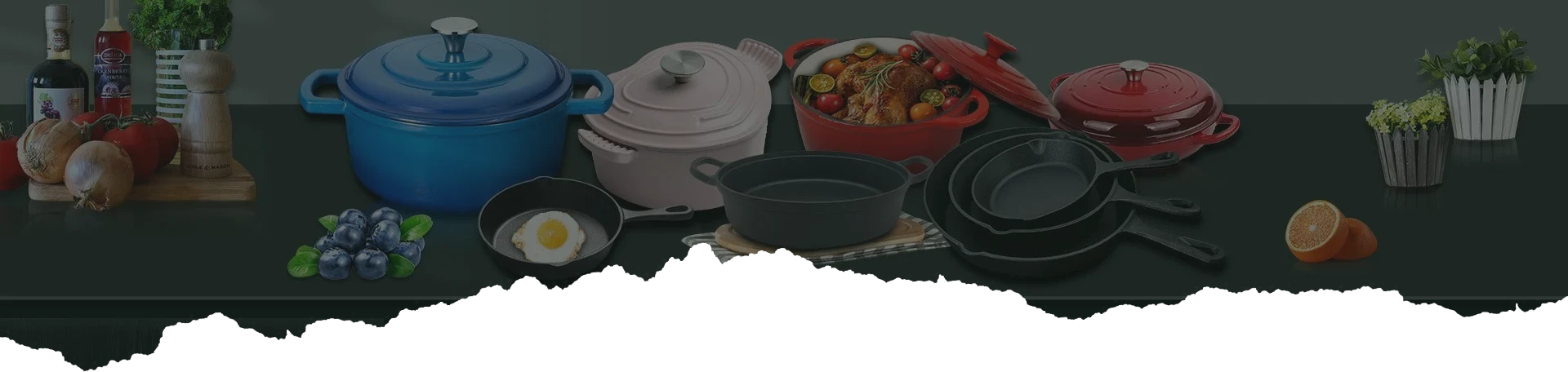
Cast Iron Wok


Wok ena ea tšepe ea tšepe e kopanya ka mokhoa o phethahetseng boqapi ba setso le mesebetsi ea sejoale-joale ebile ke sesebelisoa sa bohlokoa sa ho pheha ka kichineng. Ebang ke ho halika, ho halika, ho belisa, ho pheha, ho halika kapa ho halika ka botebo, ho ka fana ka tšehetso e tsitsitseng ea mocheso o phahameng le phihlelo e babatsehang ea ho pheha. E loketse ka ho khetheha bakeng sa Sechaena se potlakileng sa ho tsuba le lijana tse hlokang ho boloka tatso ea pele ea metsoako.The conduction e ntle haholo ea mocheso le ts'ebetso ea ho boloka mocheso ke molemo o moholo ka ho fetisisa oa ok ea tšepe ea tšepe. Pitsa e na le 'mele o teteaneng, o ka futhumatsang ka potlako le ka ho lekana le ho boloka mocheso o phahameng ka nako e telele. E loketse haholo bakeng sa lijana tse hlokang ho tsosoa ka potlako ka mocheso o phahameng, joalo ka Kung Pao chicken, oyster sauce nama ea khomo le linaoa tse tala tse omeletseng. E ke ke ea boloka ka katleho limatlafatsi le mongobo oa metsoako, empa hape e hlahisa monko oa oli ea ho pheha, e hlahisang tatso ea 'nete ea lijo tsa Sechaena.
POTS ea tšepe e entsoeng ka tšepe ka tlhaho e na le tšobotsi ea ho ba le oli e fokolang le ho se thupeng. Ha li ntse li sebelisoa ka nako e telele, filimi ea oli e bokellana, e etsa hore e be bonolo haholoanyane ho e sebelisa. Ha e bapisoa le lipane tse se nang lithupa, ha e na lik'hemik'hale ho hang, e phetse hantle ebile e na le tikoloho, 'me e loketse basebelisi ba ela hloko polokeho ea lijo. Mefuta e meng e na le seaparo sa enamel, se bonolo ho hloekisa 'me se lumella ho pheha ka mokhoa o sireletsehileng oa metsoako ea acidic.'Mele oa pitsa o entsoe ho latela ergonomics. Sebopeho sa botebo se bopehileng joaloka arc se loketse bakeng sa ho halika 'me metsoako ha e na monyetla oa ho phatloha. Sebopeho sa litsebe tse peli kapa se selelele se etsa hore ho be bonolo ho falla le ho tšela meroho. E loketse mehloli e fapaneng ea mocheso joalo ka litofo tsa khase, liapehi tsa induction, le litofo tsa ceramic tsa motlakase, 'me e ka sebelisoa le ka ontong, e le kannete ea fihlela ts'ebeliso e ngata pitseng e le' ngoe.
The cast iron wok hase feela kitchenware ea ts'ebetso e phahameng, empa hape e na le boima ba setso sa setso sa ho pheha. Sebopeho sa eona sa retro se lumellana hantle le setaele sa kichineng sa sejoale-joale, se sebetsa hantle ebile se khahleha. E loketse bakeng sa tšebeliso ea letsatsi le letsatsi ea lelapa hammoho le batho ba chesehelang ho pheha le litsebi tsa indasteri ea ho pheha.Ena ok ea tšepe e entsoeng ka tšepe e kopanya botsitso ba mocheso o phahameng, ho tšoarella le ho sebetsa ka bongata, ho etsa hore e be khetho e ka tšeptjoang bakeng sa ho ntlafatsa boleng le tatso ea ho pheha. Ebang ke ho halika ka potlako lijana tse chesang kapa ho halika butle, wok ea tšepe e ka u thusa ho laola mocheso habonolo le ho etsa lijana tse monate tsa boemo bo holimo.
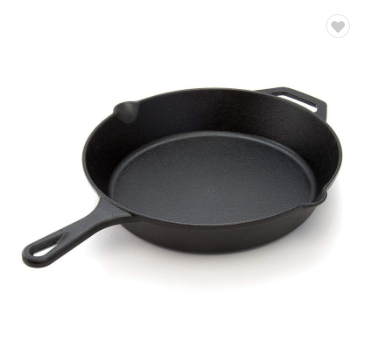
Cookware ea ho pheha e entsoeng ka kakaretso e seng e phehiloe ka nako e telele.
Sheba Tse ling
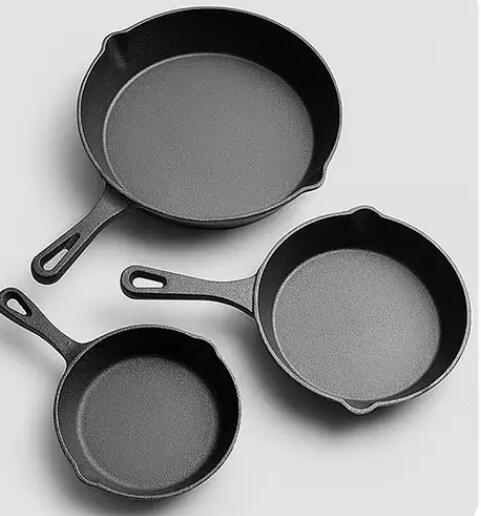
Non Stick Household Cookware Black Fry Pitsa ea ho pheha Lahlela tšepe ea Skilletcast e entsoeng ka tšepe
Sheba Tse ling
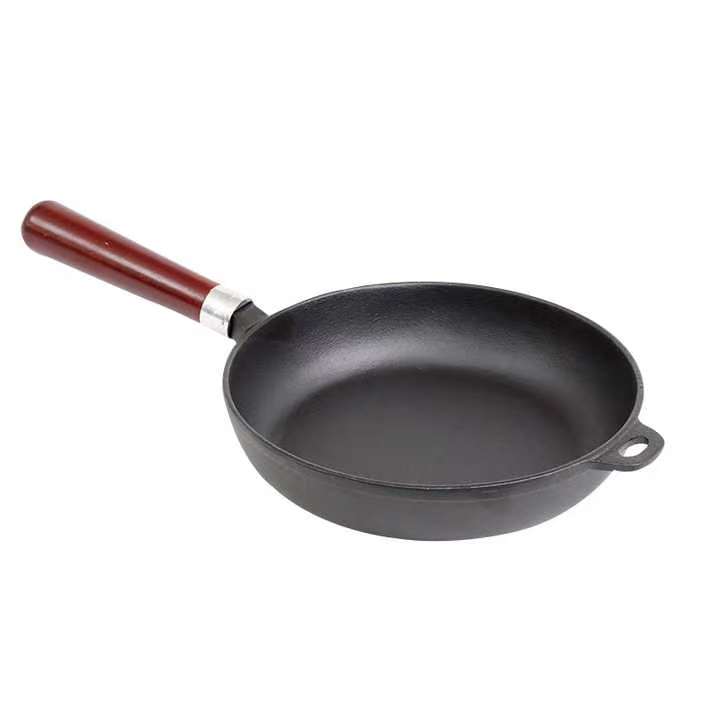
Lahlela Sekhahla sa Tšepe Round Skillet Fry Pan Ka Motsoako oa Lehong
Sheba Tse ling
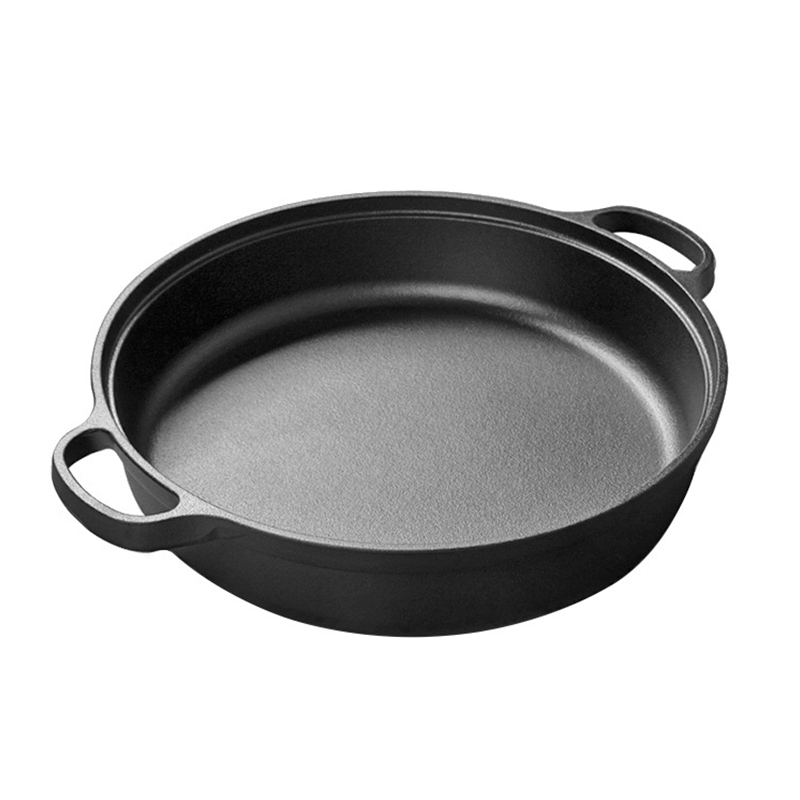
Sechaena se lahletse pane ea oli ea meroho ea tšepe
Sheba Tse ling
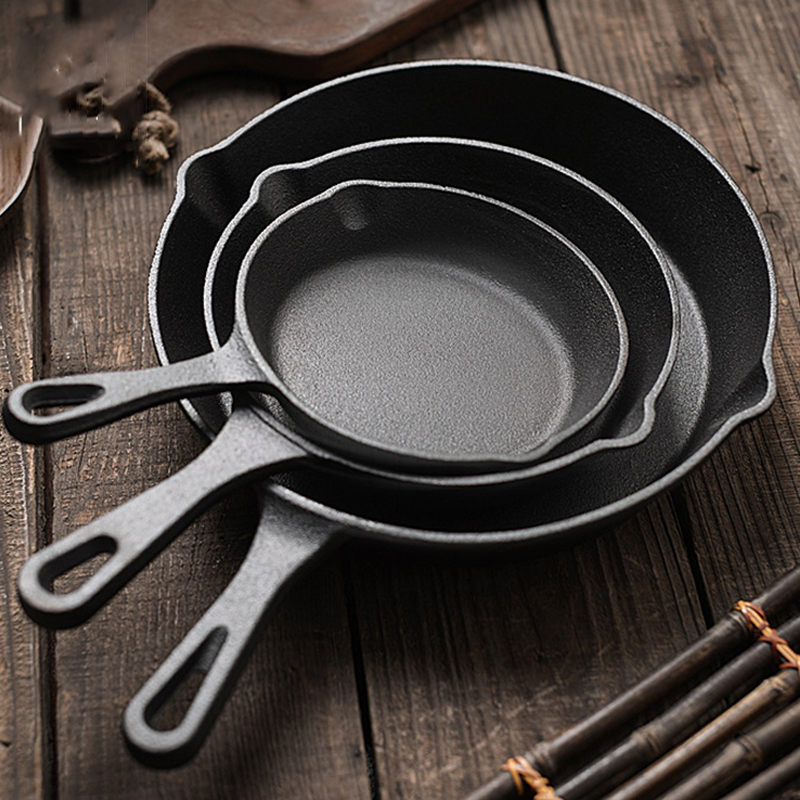
Premium Low Price Cast Aron Pre-Seasoned Coated Skillet Skillet
Sheba Tse ling
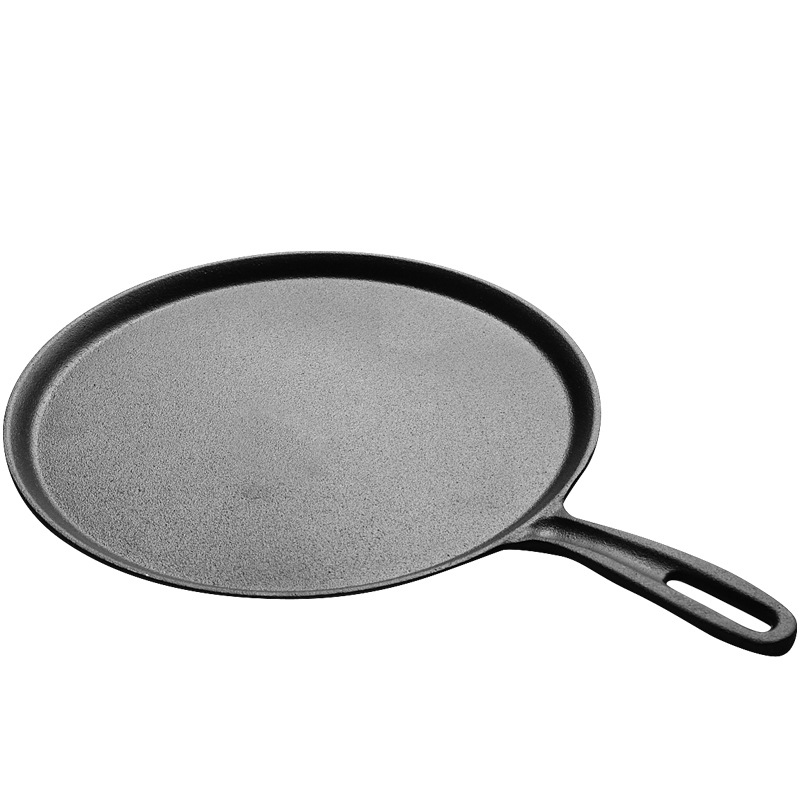
Boleng bo Phahameng ba Tloaelehileng Metal Cast Aron Skillet Frying Pans Round Mahe a Bonolo a Flat Pan
Sheba Tse ling
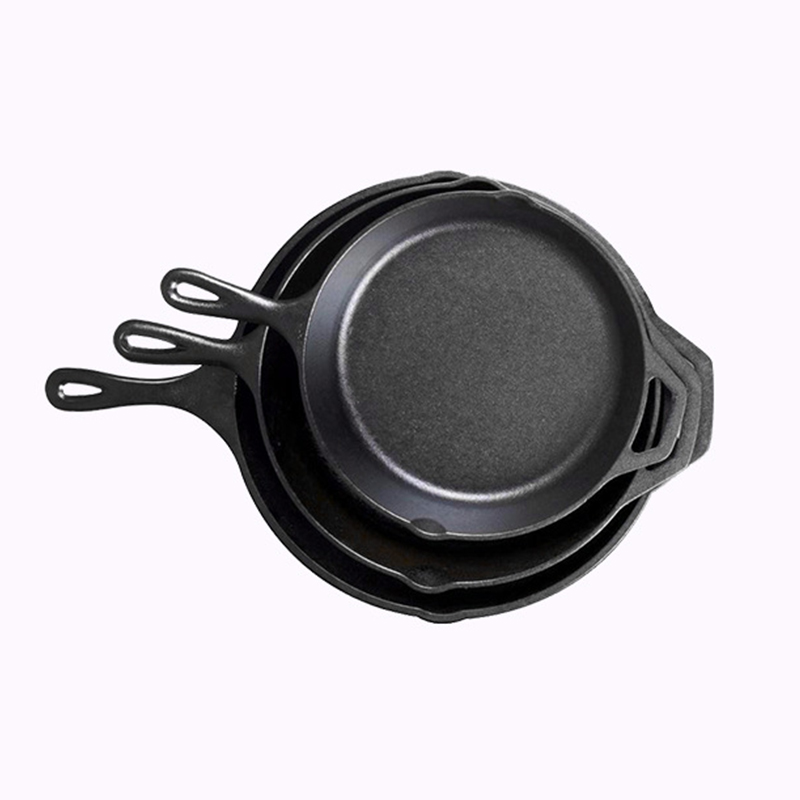
China e rekisoang ka ho fetesisa ea tšepe e entsoeng ka tšepe e halikiloeng ka oli ea meroho
Sheba Tse ling
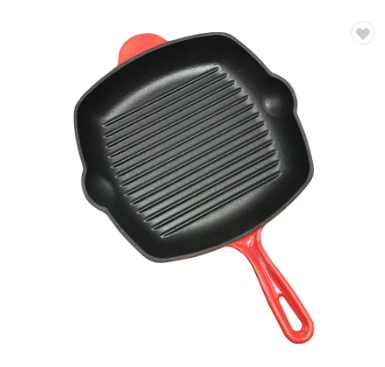
Custom Outdoor Camping Square Enamel Cast Aron Bbq Grill Steak Pan With Handle
Sheba Tse ling
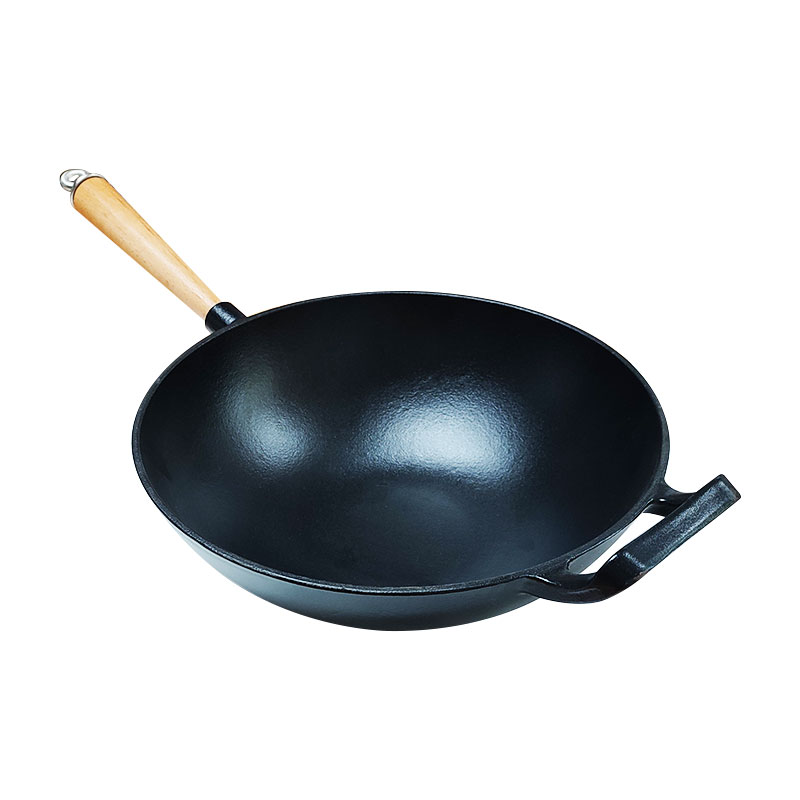
31CM Handle e entsoeng esale pele ea Lehong Cast Iron Cookware Wok
Sheba Tse ling
Seo U Lokelang ho se Qoba ha U Reka Wok?
Ho khetha wok e nepahetseng ho ka etsa phapang e kholo boiphihlelong ba hau ba ho pheha. Leha ho le joalo, bareki ba bangata ba oela marabeng a tloaelehileng ba sa tsebe ha ba e reka. Sena ke seo re lokelang ho se qoba-le hore na oak ea tšepe ea tšepe e arohanngoa joang e le tharollo e molemo. Qoba li-woks tse entsoeng ka tšepe e tšesaane. Tsena li ka futhumala kapele empa li etsa joalo ka mokhoa o sa leka-lekaneng le ho lahleheloa ke mocheso ka potlako. Sena se lebisa ho pheha ho sa tsitsang le "wok hei" e futsanehileng (ho batla ho tsuba ho hlokahalang bakeng sa ho tsuba). Ka lehlakoreng le leng, oak ea rona ea tšepe e boloka mocheso ka ho lekana 'me e lumella hore ho be le tšubuhlellano ea boemo bo phahameng ba ho halika ka monko le tatso ea 'nete.
Li-nonstick ok tse ngata ha li khone ho sebetsana le mocheso o phahameng 'me li ka ntša lik'hemik'hale tse kotsi ha li chesa haholo. Sena se etsa hore li se ke tsa tšoaneleha bakeng sa ho halika ha 'nete, e hlokang ho pheha ka mocheso o phahameng. Wok ea rona ha e na lik'hemik'hale tsa lik'hemik'hale-e leng tšepe e entsoeng ka tlhaho e entsoeng ka tlhaho kapa e koahetsoeng ke enamel e ntlafetseng ka tšebeliso e 'ngoe le e' ngoe 'me e sireletsehile ka ho feletseng. Ok e lokela ho ba le sebopeho se tebileng, se chitja ho thusa ho lahlela metsoako le ho laola libaka tsa mocheso. Meetso e sa tebang kapa e bataletseng ha e lumelle mekhoa e nepahetseng ea ho pheha. Wok ea rona e na le setsi sa setso se kobehileng se etsang hore ho be le mocheso oa tlhaho, o loketseng ho chesa haholo le ho lahlela meroho kapa nama ka potlako.
Li-woks tse ling tsa khale tsa carbon steel ha li tšoanelehe bakeng sa induction kapa li-stovetops tsa motlakase. Leha ho le joalo, mochini oa rona oa tšepe o entsoeng ka tšepe o sebetsa mehloling eohle e meholo ea mocheso, ho kenyelletsa le khase, motlakase, ceramic le induction. E ka ba ea sebelisoa ka ontong bakeng sa ho eketsoa ka mefuta-futa. Li-woks tse theko e tlaase li atisa ho sotha, li ruse, kapa li lahleheloa ke thepa ea tsona e sa tsitsang kapele. Ok ea rona ea tšepe e entsoeng ka tšepe e etselitsoe ho tšoarella melokong e nang le tlhokomelo e fokolang. Ka ho noa ka mokhoa o nepahetseng, e etsa hore e be sebaka se sa tsitsang ka tlhaho 'me e be betere ha motho a ntse a hōla. Qoba li-woks tse bobebe haholo, tse koahetsoeng ka lik'hemik'hale, kapa tse sa bōpehileng hantle. Khetha ok e entsoeng ka tšepe e fanang ka nako e telele, ts'ebetso, le liphetho tsa 'nete tsa ho pheha - joalo ka rona.
Cast Iron Wok vs Carbon Steel
When comparing a cast iron wok vs carbon steel, most home cooks and professional chefs focus on durability, heat retention, and cooking versatility. Both materials are staples in Asian-style stir-fry cookware, but the cast iron wok pan has unique strengths that carbon steel simply cannot match. And when it comes to choosing a reliable, high-performance option, the Debien cast iron wok pan pushes these natural advantages even further through superior craftsmanship and material selection.
A traditional carbon steel wok heats up quickly, making it suitable for fast stir-frying. However, carbon steel also loses heat quickly once ingredients hit the surface, especially when cooking in larger portions. This leads to inconsistent searing, steaming instead of browning, and flavor loss. By contrast, a cast iron wok pan delivers unmatched heat retention. Once heated, cast iron remains steady and powerful, locking in high temperatures even when the pan is loaded with meat, vegetables, or liquids. This stability is the key to achieving true wok hei—those smoky flavors and crisp textures that define authentic Asian cooking.
Where Debien excels is in elevating the natural benefits of cast iron through meticulous engineering. The Debien cast iron wok pan is molded using high-precision casting technology, giving the wok a thicker, more uniform base. This not only improves heat distribution but also reduces hot spots that are common in carbon steel cookware. In addition, Debien enhances the pan with a naturally non-stick pre-seasoning layer, eliminating the heavy maintenance burden often associated with traditional cast iron. Users can enjoy a smoother surface, easier cleanup, and better food release right out of the box.
Another significant advantage of Debien’s design is structural resilience. Carbon steel woks are prone to warping under high heat, especially on modern stovetops. A cast iron wok pan, especially one manufactured with Debien’s dense casting method, maintains its shape and cooking integrity for decades. This gives it long-term stability and makes it a dependable tool for searing, deep-frying, braising, and simmering.
In short, cast iron truly outperforms carbon steel in heat retention, structural strength, and flavor development—and a Debien cast iron wok pan amplifies these strengths with modern craftsmanship, durability, and user-friendly seasoning. Whether for home kitchens or professional use, Debien’s wok offers a superior long-term cooking experience.
How to Season a Chinese Cast Iron Wok / Pan
Seasoning a Chinese cast iron wok or cast-iron wok pan is an essential step if you want to achieve that signature non-stick patina and deep, smoky flavor associated with authentic wok cooking. A well-seasoned wok not only improves performance but also protects the surface from rust, prolonging the cookware’s lifespan. The process is simple, but doing it correctly makes a big difference, especially for cast iron, which benefits from repeated oil polymerization and high-heat curing. Below is a clear, step-by-step guide to help you season your wok or pan properly and maintain it for long-term use.
Start by washing the new wok or pan thoroughly using warm water and a small amount of mild detergent. This first wash removes factory oils and residues that prevent proper seasoning. After cleaning, dry the wok completely—either by towel-drying or placing it over medium heat for a few minutes. Eliminating moisture is crucial because cast iron is highly prone to rusting whenever water is left on the surface.
Once dry, apply a very thin, even layer of high-smoke-point oil such as flaxseed oil, canola oil, or grapeseed oil. Avoid olive oil or butter, as they burn at lower temperatures and won’t create the durable polymerized coating you need. Ensure you coat the entire surface inside and out, but keep the layer extremely light; excess oil leads to sticky patches instead of a smooth finish.
Heat the wok over high heat until the oil begins to smoke. This is the moment where polymerization occurs—oil bonds with the metal, forming the protective black patina that gives a Chinese cast iron wok its signature look. Rotate and tilt the wok to ensure all sides are evenly heated. When the smoking stops, allow it to cool naturally. Repeat this oil-and-heat cycle two to three more times for optimal seasoning.
After seasoning, maintenance is straightforward: clean the wok with hot water only—no soap—and scrub with a soft brush. Dry it immediately and apply a micro-thin coat of oil before storing. Over time, with consistent cooking and proper care, your wok will develop a naturally slick, non-stick surface ideal for stir-frying, steaming, searing, and deep-frying. A well-seasoned Chinese cast iron wok becomes better the more you use it, turning into a reliable staple in your kitchen.
Cast Iron Wok Pan for High Heat Cooking — Why It Works Better
When it comes to serious high-heat cooking, few tools match the reliability and sheer performance of a cast iron wok pan. Home cooks and professionals alike appreciate how it transforms simple ingredients into restaurant-level dishes, especially when using a cast iron wok for stir-frying, searing, or deep-frying. Its distinctive material properties give it clear advantages over lightweight alternatives like carbon steel or aluminum.
First, cast iron retains heat exceptionally well. Unlike thinner metals that cool down the moment you add ingredients, a cast iron wok stays blazing hot. This stable temperature is essential for “wok hei”—that smoky, charred flavor you get only with true high-heat cooking. Because the wok does not drop in temperature, vegetables stay crisp, proteins brown quickly instead of steaming, and sauces reduce faster for deeper flavor. Anyone using a cast iron wok will immediately notice this difference in texture and taste.
Second, weight translates to even heating. Cast iron distributes heat from rim to center, eliminating the hot spots that often burn garlic or leave larger cuts of meat undercooked. This makes it a great option for Western home kitchens, where gas burners are not always powerful enough to deliver authentic stir-fry performance. With proper preheating, a cast iron wok compensates for weaker stovetops.
Another advantage comes from the natural seasoning layer that develops with repeated use. This polymerized coating creates a semi-nonstick surface that improves with time, making it easier to cook delicate ingredients and clean up afterward. The more you cook, the better it performs—something most nonstick pans can’t offer.
Many readers also consider the cast iron wok price when choosing cookware. While cast iron might cost slightly more than entry-level materials, it’s still surprisingly affordable compared to premium stainless steel. And because it lasts decades with minimal maintenance, the long-term value outweighs the upfront investment. For anyone committed to high-heat cooking techniques, the balance of price, durability, and performance makes cast iron one of the smartest choices.
In short, if you want better searing, improved heat retention, and a wok that gets better with age, a cast iron wok pan stands out as the superior tool.
Na ho Pheha ka Bophelo bo Botle ho Pheha ka Cast Aron?
Ho pheha ka tšepe e entsoeng ka tšepe ha se taba ea moetlo feela - hape ke khetho e bohlale, e tsotellang bophelo bo botle. Ho fapana le lipane tse nonneng tse koahetsoeng ka lik'hemik'hale, li-cookware tsa tšepe tse entsoeng ka tšepe li fana ka sebaka sa tlhaho sa ho pheha se se nang chefo se ntlafatsang feela ka tšebeliso, e leng se etsang hore e be e 'ngoe ea likhetho tse phetseng hantle ka kichineng ea hau. E 'ngoe ea melemo e meholo ea tšepe e entsoeng ka tšepe ke hore ha e na litlolo tse entsoeng ka maiketsetso tse kang PTFE kapa PFOA, tse atisang ho fumanoa ka har'a li-cookwang tse sa tsitsang. Lik'hemik'hale tsena li ka ntša chefo mochesong o phahameng, 'me tsa baka likotsi tse ka bang teng bophelong. Ka tšepe e entsoeng ka tšepe, u fumana tšepe e hloekileng e ke keng ea kenya lintho tse kotsi lijong tsa hau. Ha nako e ntse e ea, pitsa kapa pane e entsoeng ka tšepe e kolobisitsoeng hantle e etsa mohatla o sa rekoang oa tlhaho, o se nang lik'hemik'hale. Sena se bolela hore o ka pheha ka oli e nyane, e leng molemo bakeng sa bophelo bo botle ba pelo le taolo ea boima ba 'mele - ntle le ho tela tatso kapa sebopeho. Lisebelisoa tsa ho pheha ka tšepe li ka matlafatsa tšebeliso ea hau ea tšepe, haholo ha u pheha lijo tse nang le asiti joalo ka tamati kapa lijana tse nang le lero la lemone. Iron ke diminerale ea bohlokoa e tšehetsang maemo a matla le bophelo bo botle ba 'mele. Bakeng sa batho ba nang le khaello ea tšepe, sena se ka ba molemo o eketsehileng-ka tlhaho o kopantsoe ho pheha letsatsi le leng le le leng.Hobane tšepe e entsoeng ka tšepe e tšoara le ho aba mocheso ka ho lekana, e u lumella ho pheha lijo ka botlalo le ka mokhoa o nepahetseng. U ka pheha nama ntle le ho chesa, ho sisinya meroho ka potlako ho boloka limatlafatsi, kapa ho pheha butle-butle li-stew tse monate - tsohle ntle le ho hloka mafura a eketsehileng kapa li-additives.Bophelo ha bo felle feela ka se ka poleiti ea hau-e boetse e mabapi le ho tšoarella. Pitsa ea tšepe ea boleng bo phahameng e ka tšoarella bophelo bohle kapa ho feta, ea fokotsa tlhoko ea ho nkela sebaka khafetsa le ho theola sebaka sa hau sa tikoloho. Lipane tse fokolang tse lahliloeng li bolela polanete e phetseng hantle, hape. Ho pheha ka tšepe ea tšepe ho tšehetsa bophelo bo botle ka ho felisa ho pepesehela lik'hemik'hale, ho khothaletsa ho boloka limatlafatsi, ho fokotsa tšebeliso ea oli, esita le ho matlafatsa maemo a hau a tšepe ka tlhaho. Ha se lijana tsa ho pheha feela - ke boitlamo ba ho phela hantle, lijo tse le 'ngoe ka nako.
Botsa Hona Joale Bakeng sa Lipehelo tsa Cast Iron Cookware
Ka kopo, Tlatsa Foromo e Ka Tlase 'me Sehlopha sa Rona se Tla Khutlela ho Uena ka Litheko, Lintlha tsa Sehlahisoa, Le Likhetho tsa Boiketlo.

Debien e hatela pele ka nako, e nchafatsa lisebelisoa, e betla mofuta oa rona ka bokhabane, e tsepamisitse maikutlo ho nts'etsopele ea lihlahisoa tsa boleng bo holimo, le ho arabela litlhoko tsa mmaraka ka boiqapelo.


LIEKETSENG POTLAKO
ITEANYE LE RONA
Debien e hatela pele ka nako, e nchafatsa lisebelisoa, e betla mofuta oa rona ka bokhabane, e tsepamisitse maikutlo ho nts'etsopele ea lihlahisoa tsa boleng bo holimo, le ho arabela litlhoko tsa mmaraka ka boiqapelo.
Copyright © 2026 HEBEI DEBIEN TECHNOLOGY CO., LTD. Litokelo tsohle li sirelelitsoe. Sitemap | leano la lekunutu


