



- Afrikaans
- Albanian
- Amharic
- Arabic
- Armenian
- Azerbaijani
- Basque
- Belarusian
- Bengali
- Bosnian
- Bulgarian
- Catalan
- Cebuano
- Corsican
- Croatian
- Czech
- Danish
- Dutch
- English
- Esperanto
- Estonian
- Finnish
- French
- Frisian
- Galician
- Georgian
- German
- Greek
- Gujarati
- Haitian Creole
- hausa
- hawaiian
- Hebrew
- Hindi
- Miao
- Hungarian
- Icelandic
- igbo
- Indonesian
- irish
- Italian
- Japanese
- Javanese
- Kannada
- kazakh
- Khmer
- Rwandese
- Korean
- Kurdish
- Kyrgyz
- Lao
- Latin
- Latvian
- Lithuanian
- Luxembourgish
- Macedonian
- Malgashi
- Malay
- Malayalam
- Maltese
- Maori
- Marathi
- Mongolian
- Myanmar
- Nepali
- Norwegian
- Norwegian
- Occitan
- Pashto
- Persian
- Polish
- Portuguese
- Punjabi
- Romanian
- Russian
- Samoan
- Scottish Gaelic
- Serbian
- Sesotho
- Shona
- Sindhi
- Sinhala
- Slovak
- Slovenian
- Somali
- Spanish
- Sundanese
- Swahili
- Swedish
- Tagalog
- Tajik
- Tamil
- Tatar
- Telugu
- Thai
- Turkish
- Turkmen
- Ukrainian
- Urdu
- Uighur
- Uzbek
- Vietnamese
- Welsh
- Bantu
- Yiddish
- Yoruba
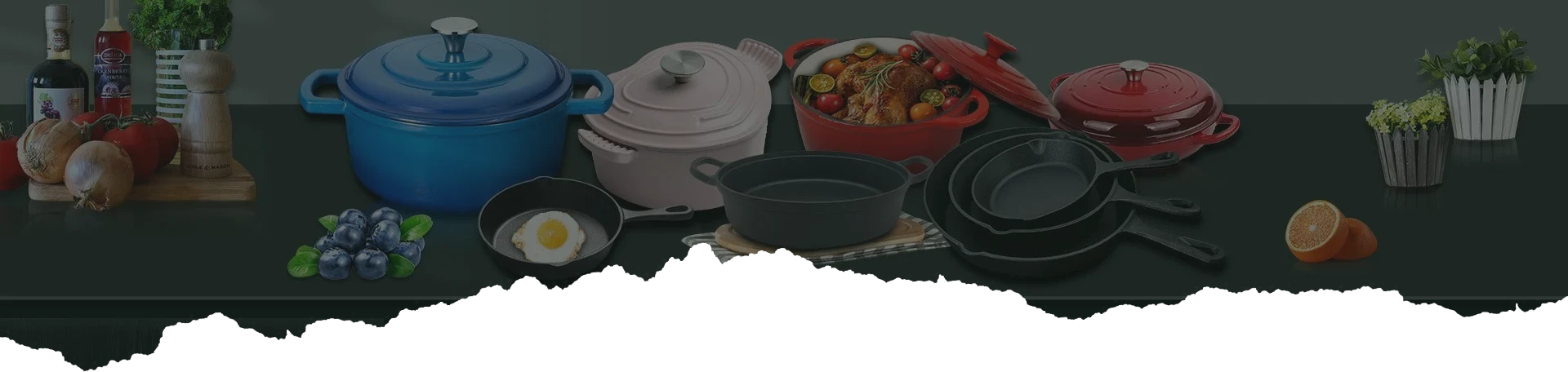
Wok an fè fonn

Wok an fè fonn sa a konbine atizanal tradisyonèl ak fonksyon modèn parfe epi li se yon zouti pou kwit manje endispansab nan kwizin nan. Kit se pou fri nan chodyè, fri nan chodyè, bouyi, mijote, brase oswa fri nan gwo chodyè, li ka bay yon sipò tanperati ki wo ki estab ak yon eksperyans pou kwit manje ekselan. Li patikilyèman apwopriye pou fri rapid Chinwa ak asyèt ki bezwen prezève gou orijinal engredyan yo. Ekselan pèfòmans kondiksyon chalè ak depo chalè a se pi gwo avantaj wok an fè fonn. Chodyè a gen yon kò epè, ki ka chofe byen vit e respire epi kenbe yon tanperati ki wo pou yon tan long. Li trè apwopriye pou asyèt ki mande pou fri rapid sou gwo chalè, tankou poul Kung Pao, vyann bèf ak sòs zuit, ak pwa vèt fri sèk. Li pa sèlman ka kenbe eleman nitritif ak imidite engredyan yo efektivman, men tou, li ka fè bon sant lwil pou kwit manje a soti, prezante vrè gou cuisine Chinwa a.
CHODYÈ an fè fonn yo natirèlman gen karakteristik pou yo pa gen anpil lwil epi yo pa kole. Lè yo itilize yo pou yon bon bout tan, yon fim lwil akimile, sa ki fè yo pi fasil pou itilize. Konpare ak chodyè ki pa kole yo, yo pa gen okenn kouch chimik ditou, yo pi bon pou sante epi yo pi bon pou anviwònman an, epi yo apwopriye pou itilizatè ki peye atansyon sou sekirite alimantè. Gen kèk modèl ki ekipe ak yon kouch emaye, ki pi fasil pou netwaye epi ki pèmèt kwit engredyan asid yo san danje. Kò chodyè a fèt an akò ak ergonomik. Fòm fon an ak ki gen fòm ak la pratik pou fri epi engredyan yo gen mwens chans pou yo ekla. Estrikti doub zòrèy oswa manch long lan fè li fasil pou deplase ak vide legim yo. Li apwopriye pou divès sous chalè tankou recho gaz, recho endiksyon, ak recho seramik elektrik, epi li ka menm itilize nan yon fou, vrèman reyalize plizyè itilizasyon nan yon sèl chodyè.
Wok an fè fonn lan pa sèlman yon istansil kwizin ki gen gwo pèfòmans, men li pote tou pwa kilti kizin tradisyonèl la. Teksti retro li anfòm parfe ak stil kwizin modèn nan, li pratik e li bèl an menm tan. Li apwopriye pou itilizasyon chak jou nan kay la, osi byen ke pou amater kizin ak pwofesyonèl nan endistri restorasyon an. Wok an fè fonn sa a konbine estabilite tanperati ki wo, rezistans ak milti-fonksyonalite, sa ki fè li yon chwa serye pou amelyore kalite ak gou kizin nan. Kit se fri rapidman plat cho oswa fri dousman, yon wok an fè fonn ka ede w kontwole chalè a fasilman epi kreye plat bon gou nan nivo pwofesyonèl.
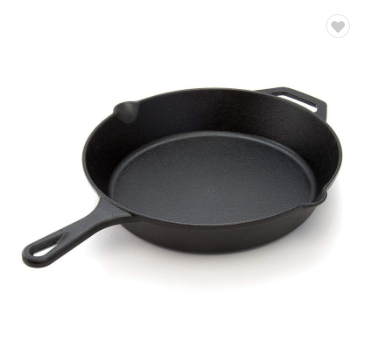
An gwo istansil pou kwit manje pre-sezone Mini chodyè/chodyè/griyè an fè jete ak manch
View More
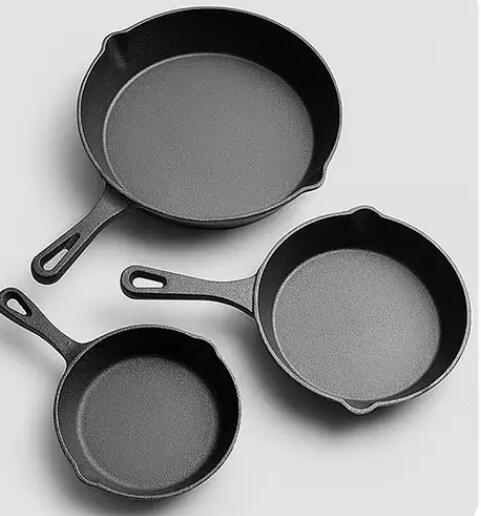
Istansil pou kwit manje ki pa kole nan kay la, chodyè nwa pou fri, chodyè an fè fonn, kouch pre-sezone an fè
View More
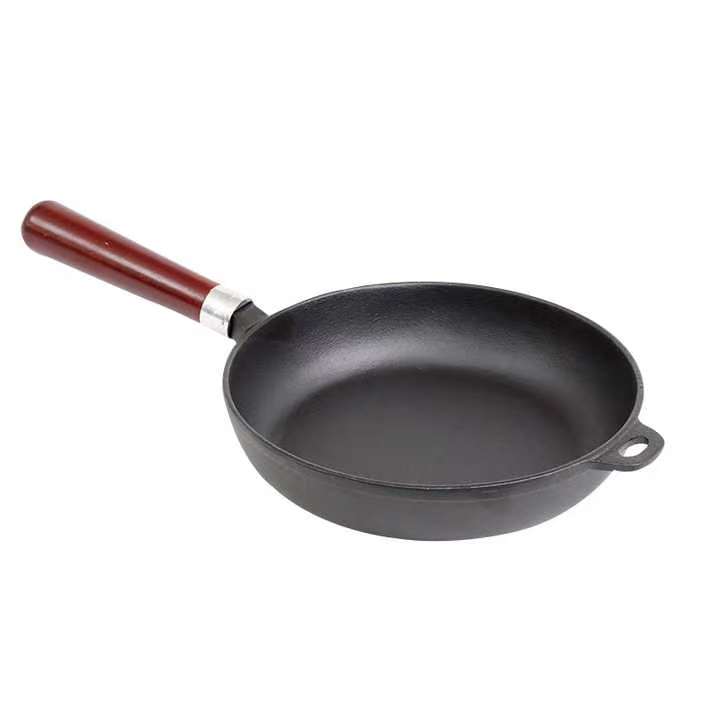
Chodyè fri won an fè fonn pre-sezone ak manch an bwa
View More
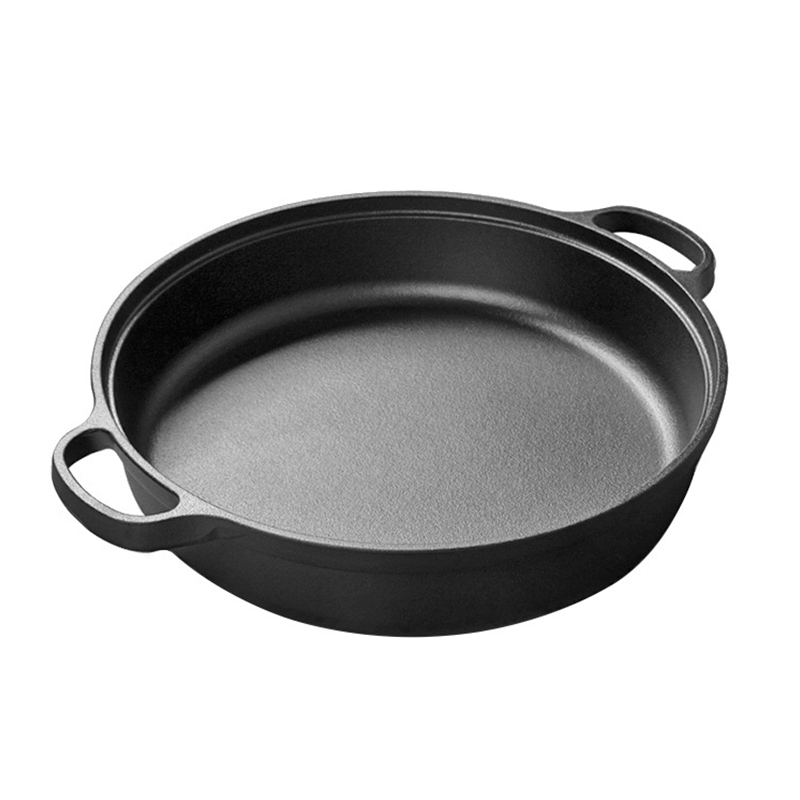
Chodyè lwil legim Chinwa an fè fonn
View More
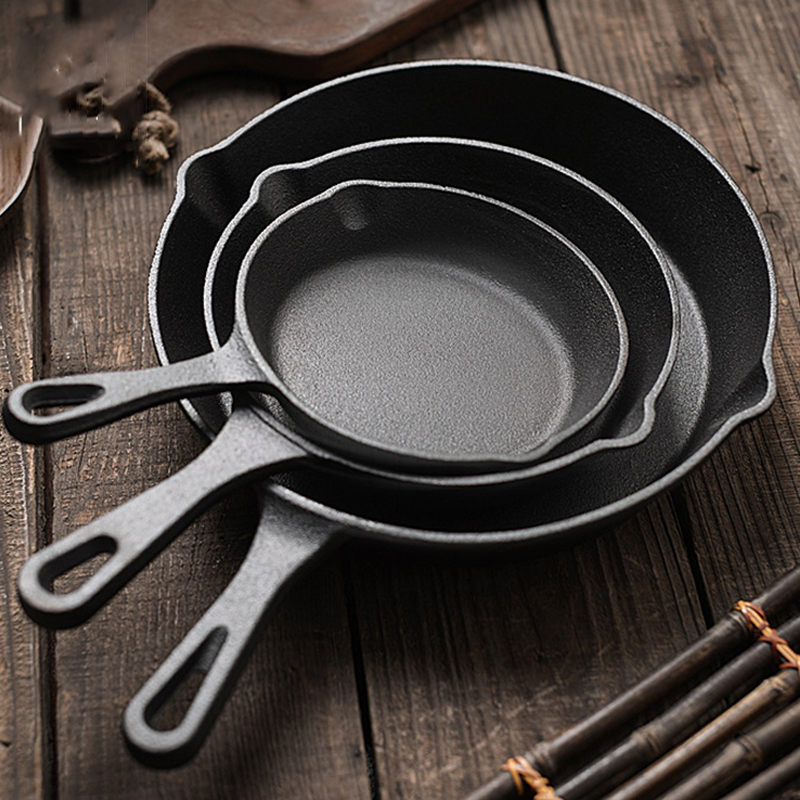
Poêle Skillet an fè fonn ki gen yon pri ki ba, pre-sezone, kouvri
View More
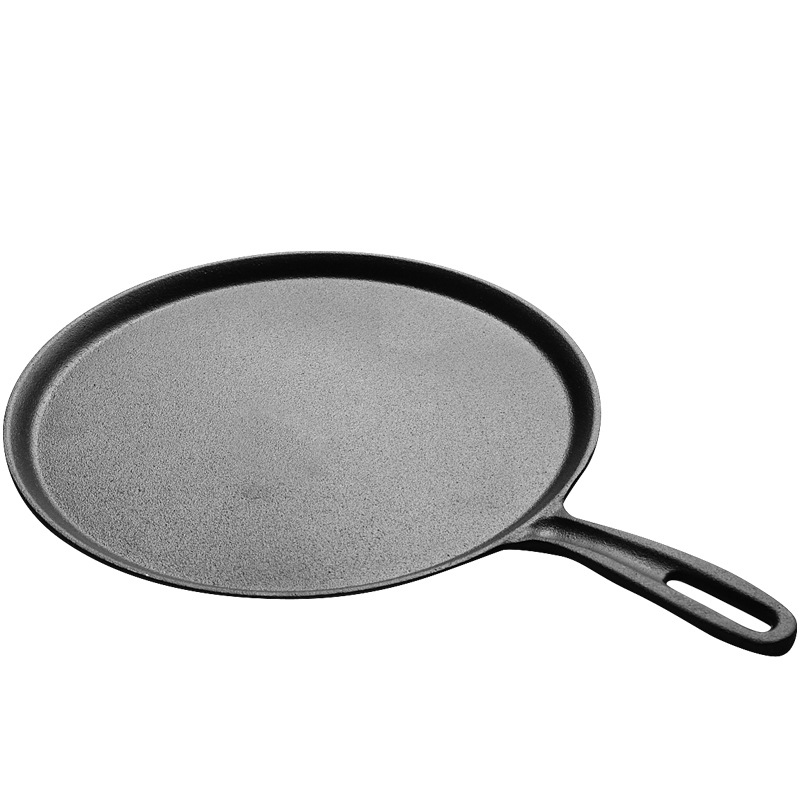
Chodyè fri an fè metal kalite siperyè, chodyè plat pou ze senp, chodyè plat, chodyè wonn
View More
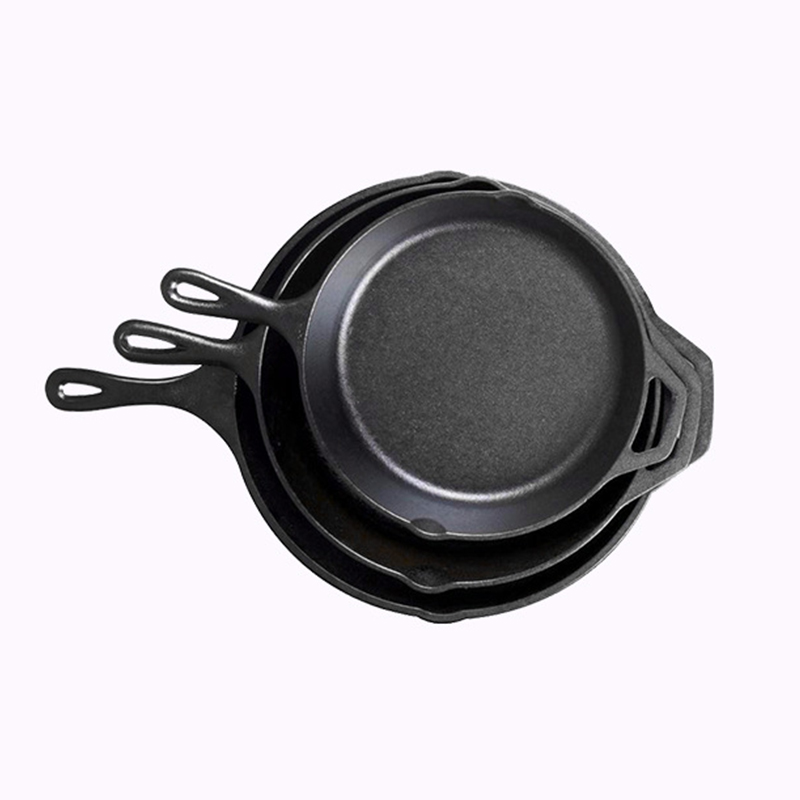
Pi bon chodyè fri lwil legim an fè ki vann nan Lachin
View More
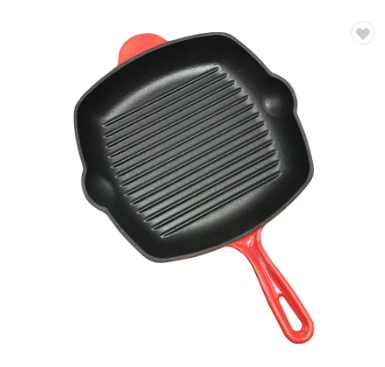
Koutim deyò kan kare emaye fè babekyou gri steak chodyè ak manch
View More
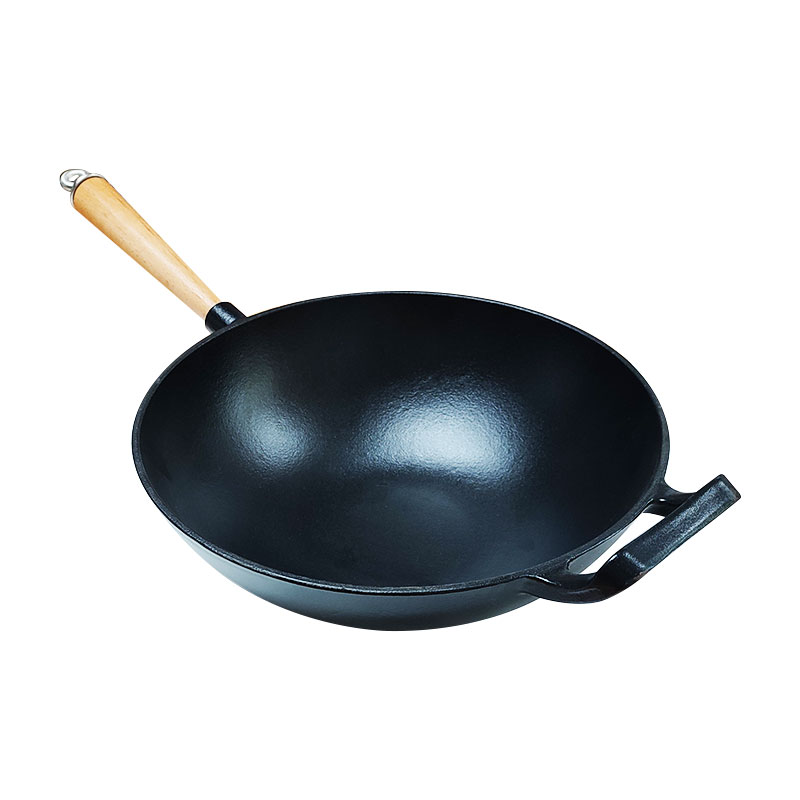
Wok pou kwit manje an fè fonn 31CM ak manch an bwa pre-sezone
View More
Kisa pou evite lè w ap achte yon wok?
Chwazi bon wok la ka fè yon gwo diferans nan eksperyans ou nan kwit manje. Sepandan, anpil achtè san yo pa konnen tonbe nan pyèj komen lè y ap achte youn. Men sa pou evite—epi kijan wok an fè fonn nou an kanpe deyò kòm yon pi bon solisyon. Evite wok ki fèt ak metal mens. Sa yo ka chofe byen vit men yo fè sa inegalman epi yo pèdi chalè osi vit. Sa mennen nan yon kwit manje ki pa konsistan ak yon move "wok hei" (griye lafimen ki esansyèl pou fri). Wok an fè fonn nou an, okontrè, kenbe chalè a respire epi li pèmèt fri nan nivo pwofesyonèl ak yon teksti ak yon gou otantik.
Anpil wok ki pa kole pa ka sipòte gwo chalè epi yo ka degaje pwodui chimik danjere lè yo twò chofe. Sa fè yo pa apwopriye pou fri nan wok otantik, ki mande pou kwit manje nan gwo tanperati. Wok nou an pa gen okenn kouch chimik—jis fè fonn ki sezonnen natirèlman oswa ki kouvri ak emaye ki amelyore ak chak itilizasyon epi ki konplètman an sekirite. Yon wok ta dwe gen yon fòm pwofon ak awondi pou fasilite brase engredyan yo ak kontwole zòn chalè yo. Desen plat oswa fon pa pèmèt teknik pou kwit manje apwopriye. Wok nou an gen yon baz koube tradisyonèl ki kreye yon konsantrasyon chalè natirèl, ideyal pou griye gwo chalè ak pou melanje legim oswa vyann rapidman.
Gen kèk wok tradisyonèl an asye kabòn ki pa apwopriye pou recho endiksyon oswa elektrik. Sepandan, wok an fè fonn nou an fonksyone sou tout sous chalè prensipal yo, tankou gaz, elektrik, seramik, ak endiksyon. Li ka menm itilize nan fou pou plis adaptabilite. Wok bon mache yo souvan defòme, wouye, oswa pèdi pwopriyete anti-adezif yo byen vit. Wok an fè fonn nou an fèt pou dire plizyè jenerasyon ak yon antretyen minimòm. Avèk bon sezonman, li devlope yon sifas natirèlman anti-adezif epi li vin pi bon avèk laj. Evite wok ki twò lejè, ki gen yon kouch chimik, oswa ki mal fòme. Chwazi yon wok an fè fonn ki ofri rezistans, pèfòmans, ak rezilta pou kwit manje otantik—menm jan ak pa nou an.
Cast Iron Wok vs Carbon Steel
When comparing a cast iron wok vs carbon steel, most home cooks and professional chefs focus on durability, heat retention, and cooking versatility. Both materials are staples in Asian-style stir-fry cookware, but the cast iron wok pan has unique strengths that carbon steel simply cannot match. And when it comes to choosing a reliable, high-performance option, the Debien cast iron wok pan pushes these natural advantages even further through superior craftsmanship and material selection.
A traditional carbon steel wok heats up quickly, making it suitable for fast stir-frying. However, carbon steel also loses heat quickly once ingredients hit the surface, especially when cooking in larger portions. This leads to inconsistent searing, steaming instead of browning, and flavor loss. By contrast, a cast iron wok pan delivers unmatched heat retention. Once heated, cast iron remains steady and powerful, locking in high temperatures even when the pan is loaded with meat, vegetables, or liquids. This stability is the key to achieving true wok hei—those smoky flavors and crisp textures that define authentic Asian cooking.
Where Debien excels is in elevating the natural benefits of cast iron through meticulous engineering. The Debien cast iron wok pan is molded using high-precision casting technology, giving the wok a thicker, more uniform base. This not only improves heat distribution but also reduces hot spots that are common in carbon steel cookware. In addition, Debien enhances the pan with a naturally non-stick pre-seasoning layer, eliminating the heavy maintenance burden often associated with traditional cast iron. Users can enjoy a smoother surface, easier cleanup, and better food release right out of the box.
Another significant advantage of Debien’s design is structural resilience. Carbon steel woks are prone to warping under high heat, especially on modern stovetops. A cast iron wok pan, especially one manufactured with Debien’s dense casting method, maintains its shape and cooking integrity for decades. This gives it long-term stability and makes it a dependable tool for searing, deep-frying, braising, and simmering.
In short, cast iron truly outperforms carbon steel in heat retention, structural strength, and flavor development—and a Debien cast iron wok pan amplifies these strengths with modern craftsmanship, durability, and user-friendly seasoning. Whether for home kitchens or professional use, Debien’s wok offers a superior long-term cooking experience.
How to Season a Chinese Cast Iron Wok / Pan
Seasoning a Chinese cast iron wok or cast-iron wok pan is an essential step if you want to achieve that signature non-stick patina and deep, smoky flavor associated with authentic wok cooking. A well-seasoned wok not only improves performance but also protects the surface from rust, prolonging the cookware’s lifespan. The process is simple, but doing it correctly makes a big difference, especially for cast iron, which benefits from repeated oil polymerization and high-heat curing. Below is a clear, step-by-step guide to help you season your wok or pan properly and maintain it for long-term use.
Start by washing the new wok or pan thoroughly using warm water and a small amount of mild detergent. This first wash removes factory oils and residues that prevent proper seasoning. After cleaning, dry the wok completely—either by towel-drying or placing it over medium heat for a few minutes. Eliminating moisture is crucial because cast iron is highly prone to rusting whenever water is left on the surface.
Once dry, apply a very thin, even layer of high-smoke-point oil such as flaxseed oil, canola oil, or grapeseed oil. Avoid olive oil or butter, as they burn at lower temperatures and won’t create the durable polymerized coating you need. Ensure you coat the entire surface inside and out, but keep the layer extremely light; excess oil leads to sticky patches instead of a smooth finish.
Heat the wok over high heat until the oil begins to smoke. This is the moment where polymerization occurs—oil bonds with the metal, forming the protective black patina that gives a Chinese cast iron wok its signature look. Rotate and tilt the wok to ensure all sides are evenly heated. When the smoking stops, allow it to cool naturally. Repeat this oil-and-heat cycle two to three more times for optimal seasoning.
After seasoning, maintenance is straightforward: clean the wok with hot water only—no soap—and scrub with a soft brush. Dry it immediately and apply a micro-thin coat of oil before storing. Over time, with consistent cooking and proper care, your wok will develop a naturally slick, non-stick surface ideal for stir-frying, steaming, searing, and deep-frying. A well-seasoned Chinese cast iron wok becomes better the more you use it, turning into a reliable staple in your kitchen.
Cast Iron Wok Pan for High Heat Cooking — Why It Works Better
When it comes to serious high-heat cooking, few tools match the reliability and sheer performance of a cast iron wok pan. Home cooks and professionals alike appreciate how it transforms simple ingredients into restaurant-level dishes, especially when using a cast iron wok for stir-frying, searing, or deep-frying. Its distinctive material properties give it clear advantages over lightweight alternatives like carbon steel or aluminum.
First, cast iron retains heat exceptionally well. Unlike thinner metals that cool down the moment you add ingredients, a cast iron wok stays blazing hot. This stable temperature is essential for “wok hei”—that smoky, charred flavor you get only with true high-heat cooking. Because the wok does not drop in temperature, vegetables stay crisp, proteins brown quickly instead of steaming, and sauces reduce faster for deeper flavor. Anyone using a cast iron wok will immediately notice this difference in texture and taste.
Second, weight translates to even heating. Cast iron distributes heat from rim to center, eliminating the hot spots that often burn garlic or leave larger cuts of meat undercooked. This makes it a great option for Western home kitchens, where gas burners are not always powerful enough to deliver authentic stir-fry performance. With proper preheating, a cast iron wok compensates for weaker stovetops.
Another advantage comes from the natural seasoning layer that develops with repeated use. This polymerized coating creates a semi-nonstick surface that improves with time, making it easier to cook delicate ingredients and clean up afterward. The more you cook, the better it performs—something most nonstick pans can’t offer.
Many readers also consider the cast iron wok price when choosing cookware. While cast iron might cost slightly more than entry-level materials, it’s still surprisingly affordable compared to premium stainless steel. And because it lasts decades with minimal maintenance, the long-term value outweighs the upfront investment. For anyone committed to high-heat cooking techniques, the balance of price, durability, and performance makes cast iron one of the smartest choices.
In short, if you want better searing, improved heat retention, and a wok that gets better with age, a cast iron wok pan stands out as the superior tool.
Èske li pi bon pou sante pou kwit manje ak fè fonn?
Kwit manje ak fè fonn pa sèlman yon omaj pou tradisyon—se yon chwa entelijan ki pran an konsiderasyon sante tou. Kontrèman ak chodyè antiadezif ki kouvri ak pwodui chimik, istansil kwizin an fè fonn ofri yon sifas pou kwit manje natirèlman ki pa toksik ki amelyore sèlman avèk itilizasyon, sa ki fè li youn nan opsyon ki pi an sante nan kwizin ou. Youn nan pi gwo avantaj fè fonn se ke li pa gen okenn kouch sentetik tankou PTFE oswa PFOA, ki souvan jwenn nan istansil kwizin antiadezif. Pwodui chimik sa yo ka libere toksin nan tanperati ki wo, sa ki poze risk potansyèl pou sante. Avèk fè fonn, ou jwenn yon sifas metal pi ki pa pral kite sibstans danjere nan manje ou. Avèk letan, yon chodyè oswa yon chodyè an fè fonn ki byen sezonnen devlope yon kouch antiadezif natirèl, san pwodui chimik. Sa vle di ou ka kwit manje ak mwens lwil, ki pi bon pou sante kè ak jesyon pwa—san sakrifye gou oswa teksti. Istansil kwizin an fè fonn ka aktyèlman ogmante konsomasyon fè ou, espesyalman lè w ap kwit manje asid tankou tomat oswa asyèt ak ji sitwon. Fè se yon mineral esansyèl ki sipòte nivo enèji ak sante iminitè. Pou moun ki gen tandans fè defisyans fè, sa ka yon benefis anplis—natirèlman entegre nan kwit manje chak jou. Paske fè fonn kenbe epi distribye chalè a respire, li pèmèt ou kwit manje pi byen epi pi efikasman. Ou ka griye vyann san boule, fri legim byen vit pou konsève eleman nitritif yo, oswa kwit ragou nourisan tou dousman—tout sa san ou pa bezwen plis grès oswa aditif. Sante pa sèlman sa ki nan asyèt ou—li enpòtan tou pou dirabilite. Yon chodyè fè fonn kalite siperyè ka dire tout yon vi oswa plis, sa diminye nesesite pou ranplasman souvan epi diminye anprint anviwònman ou. Mwens chodyè jete vle di yon planèt ki an sante tou. Kwit manje ak fè fonn sipòte yon vi ki pi an sante lè li elimine ekspozisyon a pwodui chimik, ankouraje retansyon eleman nitritif, diminye itilizasyon lwil, e menm ogmante nivo fè ou natirèlman. Se pa sèlman istansil pou kwit manje—se yon angajman pou byennèt, yon repa alafwa.
Mande kounye a pou kontra sou istansil kwizin an fè fonn
Tanpri ranpli fòm ki anba a epi ekip nou an ap kontakte ou avèk pri, detay pwodwi yo, ak opsyon personnalizasyon.

Debien ap avanse avèk tan, ap mete ekipman yo ajou, ap devlope mak nou an avèk anpil atansyon, ap konsantre sou devlope pwodwi wo nivo, epi ap reponn aktivman a demand mache a avèk kreyativite.


LYEN RAPID
KONTAKTE NOU
Debien ap avanse avèk tan, ap mete ekipman yo ajou, ap devlope mak nou an avèk anpil atansyon, ap konsantre sou devlope pwodwi wo nivo, epi ap reponn aktivman a demand mache a avèk kreyativite.
Copyright © 2026 HEBEI DEBIEN TECHNOLOGY CO., LTD. Tout dwa rezève. Sitemap | Règleman sou enfòmasyon prive


