



- Afrikaans
- Albanian
- Amharic
- Arabic
- Armenian
- Azerbaijani
- Basque
- Belarusian
- Bengali
- Bosnian
- Bulgarian
- Catalan
- Cebuano
- Corsican
- Croatian
- Czech
- Danish
- Dutch
- English
- Esperanto
- Estonian
- Finnish
- French
- Frisian
- Galician
- Georgian
- German
- Greek
- Gujarati
- Haitian Creole
- hausa
- hawaiian
- Hebrew
- Hindi
- Miao
- Hungarian
- Icelandic
- igbo
- Indonesian
- irish
- Italian
- Japanese
- Javanese
- Kannada
- kazakh
- Khmer
- Rwandese
- Korean
- Kurdish
- Kyrgyz
- Lao
- Latin
- Latvian
- Lithuanian
- Luxembourgish
- Macedonian
- Malgashi
- Malay
- Malayalam
- Maltese
- Maori
- Marathi
- Mongolian
- Myanmar
- Nepali
- Norwegian
- Norwegian
- Occitan
- Pashto
- Persian
- Polish
- Portuguese
- Punjabi
- Romanian
- Russian
- Samoan
- Scottish Gaelic
- Serbian
- Sesotho
- Shona
- Sindhi
- Sinhala
- Slovak
- Slovenian
- Somali
- Spanish
- Sundanese
- Swahili
- Swedish
- Tagalog
- Tajik
- Tamil
- Tatar
- Telugu
- Thai
- Turkish
- Turkmen
- Ukrainian
- Urdu
- Uighur
- Uzbek
- Vietnamese
- Welsh
- Bantu
- Yiddish
- Yoruba
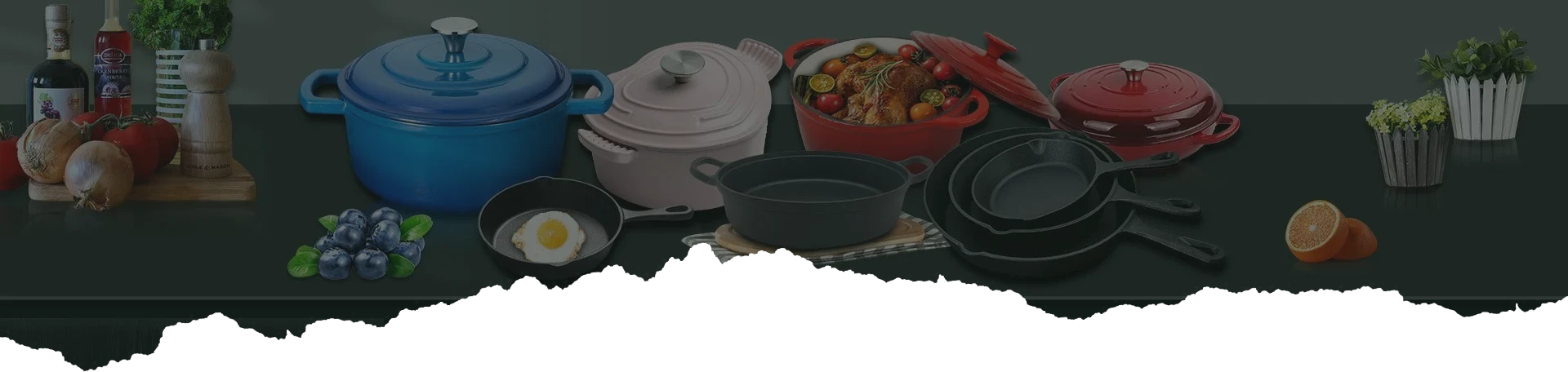
Shira Iron Wok


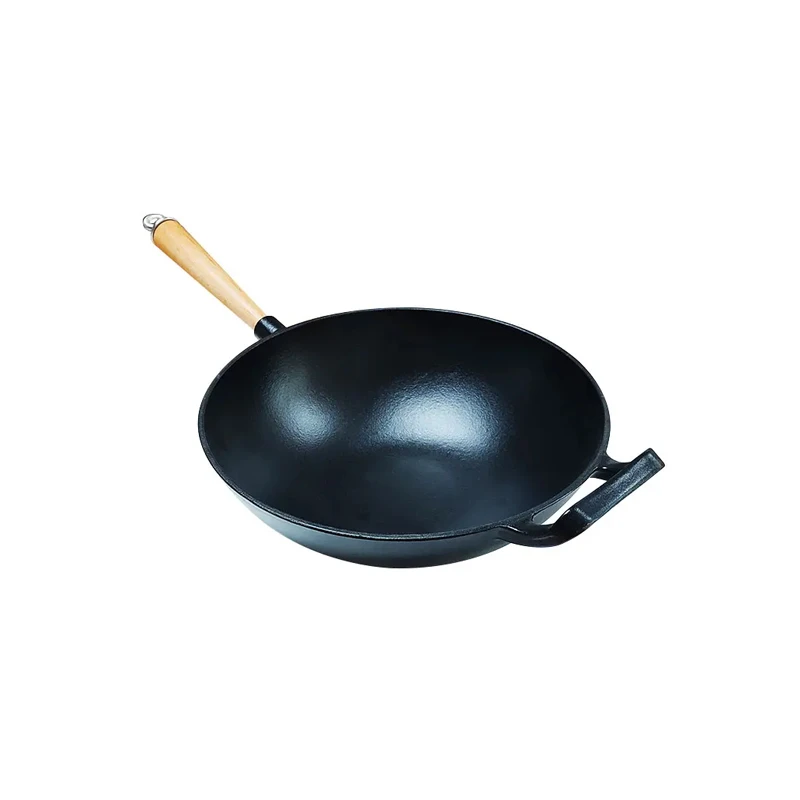
Iki cyuma gikozwe mucyuma gihuza neza ubukorikori gakondo nibikorwa bigezweho kandi nigikoresho cyingirakamaro muguteka mugikoni. Byaba gukaranga, gukaranga, guteka, guteka, gukata cyangwa gukaranga cyane, birashobora gutanga ubufasha buhamye bwubushyuhe bwo hejuru hamwe nuburambe bwiza bwo guteka. Irakwiriye cyane cyane kubushinwa bwihuta-gukaranga hamwe nibiryo bikenera kubika uburyohe bwumwimerere bwibigize. Uburyo bwiza bwo gutwara ubushyuhe no kubika ubushyuhe ninyungu nini yo guta ibyuma wok. Inkono ifite umubiri mwinshi, ushobora gushyuha vuba kandi neza kandi ugakomeza ubushyuhe bwo hejuru igihe kirekire. Birakwiriye cyane kubiryo bisaba gukaranga vuba hejuru yubushyuhe bwinshi, nkinkoko ya Kung Pao, inyama yinka ya soya, hamwe nibishyimbo byumye bikaranze. Ntishobora gusa kugumana intungamubiri nubushuhe bwibigize, ariko kandi izana impumuro yamavuta yo guteka, yerekana uburyohe nyabwo bwibiryo byabashinwa.
Shira icyuma POTS mubisanzwe ifite ibiranga kuba muke mumavuta no kudakomera. Nkuko bikoreshwa igihe kirekire, firime yamavuta irundanya, bigatuma irushaho gukoreshwa neza. Ugereranije n'amasafuriya adafite inkoni, ntabwo arimo imiti na gato, ifite ubuzima bwiza kandi yangiza ibidukikije, kandi irakwiriye kubakoresha bitondera umutekano wibiribwa. Moderi zimwe zifite ibikoresho byo gutwikisha enamel, byoroshye koza kandi bigafasha guteka neza ibintu bya acide.Umubiri winkono wakozwe ukurikije ergonomique. Imiterere yimbitse ya arc yimbitse yoroheje yo gukaranga kandi ibiyigize ntibishobora kumeneka. Amatwi abiri cyangwa amatwi maremare atuma byoroha kwimuka no gusuka imboga. Irakwiranye nubushyuhe butandukanye nkamashyiga ya gaz, guteka induction, hamwe n’amashyanyarazi yamashanyarazi, ndetse birashobora no gukoreshwa mu ziko, mubyukuri ukagera kubintu byinshi mumasafuriya.
Ibyuma bikozwe mucyuma ntabwo ari ibikoresho byo mu gikoni bikora cyane, ahubwo binatwara uburemere bwumuco gakondo wo guteka. Imiterere ya retro yujuje imiterere yigikoni kigezweho neza, kuba ingirakamaro kandi nziza. Irakwiriye gukoreshwa murugo buri munsi kimwe nabakunda guteka ninzobere mu nganda zokurya.Iyi feri ya wok ikomatanya ihuza ubushyuhe bwo hejuru, kuramba no gukora byinshi, bigatuma ihitamo ryizewe mukuzamura ubwiza nuburyohe bwo guteka. Byaba byihuta-gutekesha ibyokurya bishyushye cyangwa gukaranga buhoro, icyuma gikozwe mucyuma kirashobora kugufasha kugenzura ubushyuhe bworoshye no gukora ibyokurya biryoshye kurwego rwumwuga.
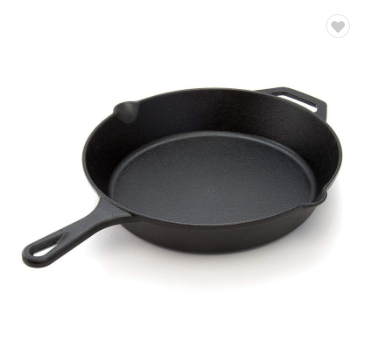
Ibicuruzwa byinshi byabanjirije igihe cyo guteka Mini Cast Iron Skillet / Isafuriya / Griddle hamwe na Handle
View More
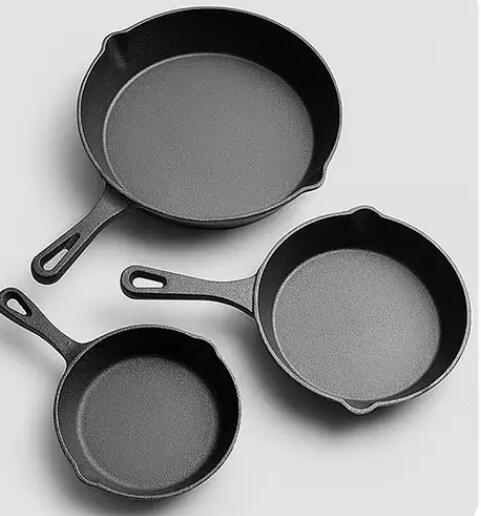
Ibikoresho bidafite urugo Ibikoresho byo murugo Byirabura Fry Guteka Inkono Yicyuma Skilletcast icyuma cyabanjirije igihe
View More
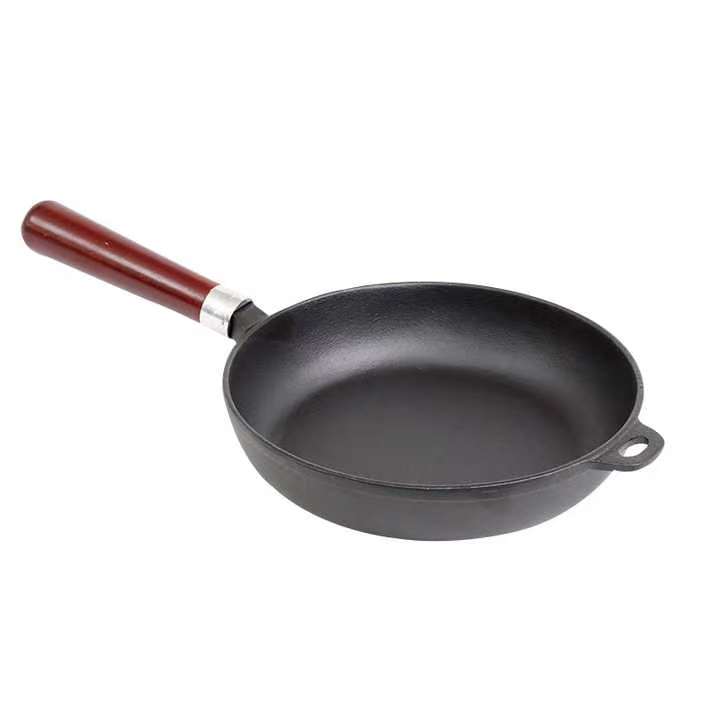
Ibihe byabanjirije ibihe Byuma Byuma Byuzuye Ifiriti Ifatanye nigiti
View More
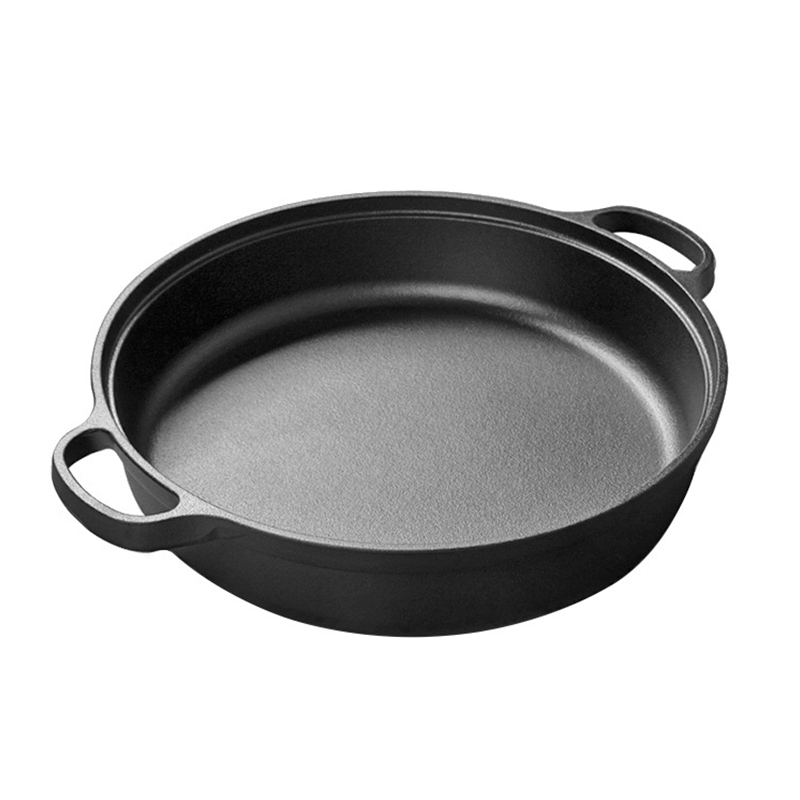
Abashinwa batera amavuta y'imboga
View More
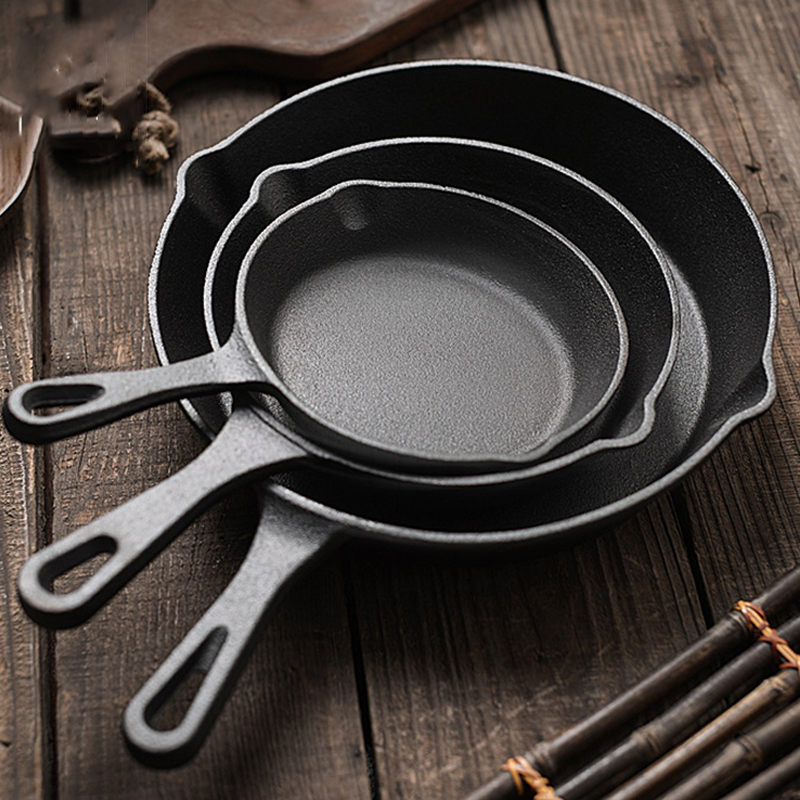
Amashanyarazi make Igiciro Cyuma Cyabanjirije Igihe Cyashizweho Ubuhanga
View More
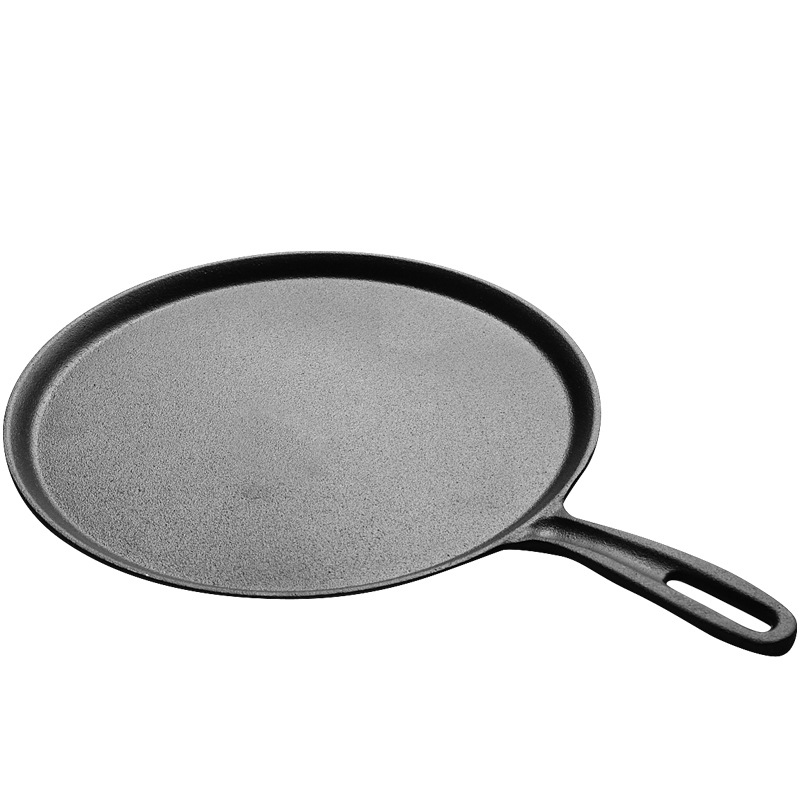
Ubwiza Bwiza Bwicyuma Cyuma Cyuma Cyuma Cyuma Cyuma Amabati Yuzuye Amagi yoroshye
View More
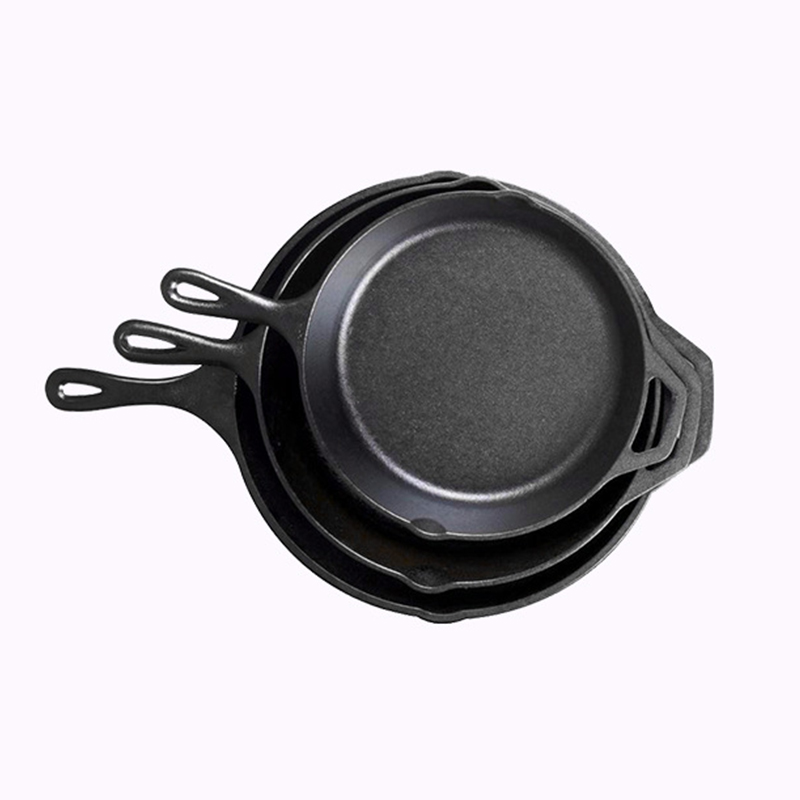
Ubushinwa bwagurishijwe cyane amavuta yimboga yibimera
View More
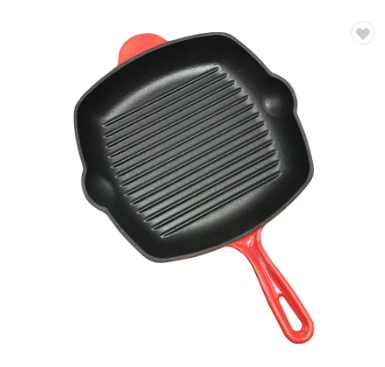
Customer Outdoor Camping Square Enamel Shira Icyuma Bbq Grill Steak Pan hamwe na Handle
View More
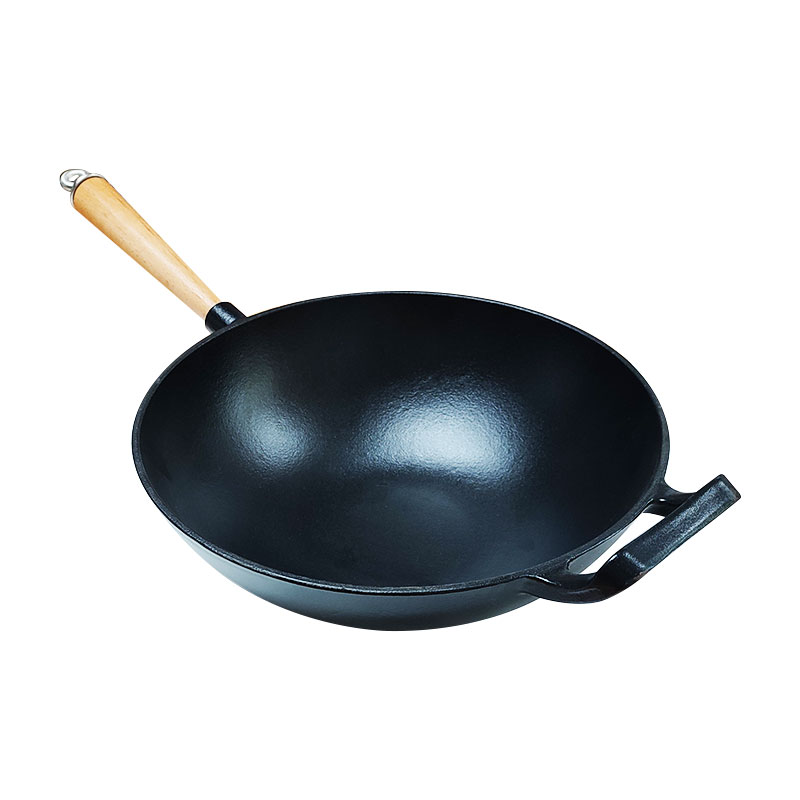
31CM Yabanjirije igihe cyibiti Igikoresho Cyuma Cyuma Wok
View More
Niki wakwirinda mugihe ugura Wok?
Guhitamo wok iburyo birashobora guhindura itandukaniro muburambe bwawe. Nyamara, abaguzi benshi batabizi bagwa mumitego isanzwe mugihe baguze imwe. Dore ibyo twakwirinda - nuburyo ibyuma byacu byuma byahagaritswe bitandukanye nkigisubizo cyiza. Irinde woks ikozwe mubyuma bito. Ibi birashobora gushyuha vuba ariko bikabikora bitaringaniye kandi bigatakaza ubushyuhe nkuko byihuse. Ibi biganisha ku guteka bidahuye kandi bikennye "wok hei" (gushakisha umwotsi byingenzi kugirango ubyuke). Ibyuma byacu byashizwemo, bitandukanye, bigumana ubushyuhe buringaniye kandi butuma urwego rwumwuga rutera ifiriti hamwe nuburyohe hamwe nuburyohe.
Woks nyinshi zidakomeye ntizishobora gukoresha ubushyuhe bwinshi kandi zirashobora kurekura imiti yangiza iyo ishyushye. Ibi bituma badakwiriye gukaranga-byukuri, bisaba guteka ubushyuhe bwo hejuru. Wok yacu ntabwo irimo ibishishwa bya chimique - gusa mubisanzwe byashizwemo cyangwa byometseho emamel ikozwe neza kandi ikagira umutekano rwose. Wok igomba kuba ifite ishusho yimbitse, izengurutswe kugirango yorohereze ibintu no kugenzura ahantu hashyuha. Igishushanyo cyangwa igicucu nticyemewe muburyo bukwiye bwo guteka. Wok yacu iragaragaza umusingi gakondo uhetamye utera ubushyuhe busanzwe, bwiza bwo gushakisha ubushyuhe bwinshi hamwe nimboga cyangwa inyama byihuse.
Ibikoresho bimwe bya karuboni gakondo ntibikwiriye kwinjizwa cyangwa kumashanyarazi. Ibyuma byacu byuma, ariko, bikora kumasoko yose yubushyuhe, harimo gaze, amashanyarazi, ceramic, na induction. Irashobora no gukoreshwa mu ziko kugirango hongerwemo byinshi.Cap woks ikunze kurigata, ingese, cyangwa gutakaza imitungo idahwitse vuba. Ibyuma byacu byuma byashizweho kugirango bimare ibisekuruza hamwe no kubungabunga bike. Hamwe nibihe byiza, bitera imbere muburyo budasanzwe kandi bigahinduka neza hamwe nimyaka. Irinde woks yoroheje cyane, yometse kumiti, cyangwa itameze neza. Hitamo icyuma cyuma gitanga igihe kirekire, imikorere, nibisubizo nyabyo byo guteka-nkibyacu.
Cast Iron Wok vs Carbon Steel
When comparing a cast iron wok vs carbon steel, most home cooks and professional chefs focus on durability, heat retention, and cooking versatility. Both materials are staples in Asian-style stir-fry cookware, but the cast iron wok pan has unique strengths that carbon steel simply cannot match. And when it comes to choosing a reliable, high-performance option, the Debien cast iron wok pan pushes these natural advantages even further through superior craftsmanship and material selection.
A traditional carbon steel wok heats up quickly, making it suitable for fast stir-frying. However, carbon steel also loses heat quickly once ingredients hit the surface, especially when cooking in larger portions. This leads to inconsistent searing, steaming instead of browning, and flavor loss. By contrast, a cast iron wok pan delivers unmatched heat retention. Once heated, cast iron remains steady and powerful, locking in high temperatures even when the pan is loaded with meat, vegetables, or liquids. This stability is the key to achieving true wok hei—those smoky flavors and crisp textures that define authentic Asian cooking.
Where Debien excels is in elevating the natural benefits of cast iron through meticulous engineering. The Debien cast iron wok pan is molded using high-precision casting technology, giving the wok a thicker, more uniform base. This not only improves heat distribution but also reduces hot spots that are common in carbon steel cookware. In addition, Debien enhances the pan with a naturally non-stick pre-seasoning layer, eliminating the heavy maintenance burden often associated with traditional cast iron. Users can enjoy a smoother surface, easier cleanup, and better food release right out of the box.
Another significant advantage of Debien’s design is structural resilience. Carbon steel woks are prone to warping under high heat, especially on modern stovetops. A cast iron wok pan, especially one manufactured with Debien’s dense casting method, maintains its shape and cooking integrity for decades. This gives it long-term stability and makes it a dependable tool for searing, deep-frying, braising, and simmering.
In short, cast iron truly outperforms carbon steel in heat retention, structural strength, and flavor development—and a Debien cast iron wok pan amplifies these strengths with modern craftsmanship, durability, and user-friendly seasoning. Whether for home kitchens or professional use, Debien’s wok offers a superior long-term cooking experience.
How to Season a Chinese Cast Iron Wok / Pan
Seasoning a Chinese cast iron wok or cast-iron wok pan is an essential step if you want to achieve that signature non-stick patina and deep, smoky flavor associated with authentic wok cooking. A well-seasoned wok not only improves performance but also protects the surface from rust, prolonging the cookware’s lifespan. The process is simple, but doing it correctly makes a big difference, especially for cast iron, which benefits from repeated oil polymerization and high-heat curing. Below is a clear, step-by-step guide to help you season your wok or pan properly and maintain it for long-term use.
Start by washing the new wok or pan thoroughly using warm water and a small amount of mild detergent. This first wash removes factory oils and residues that prevent proper seasoning. After cleaning, dry the wok completely—either by towel-drying or placing it over medium heat for a few minutes. Eliminating moisture is crucial because cast iron is highly prone to rusting whenever water is left on the surface.
Once dry, apply a very thin, even layer of high-smoke-point oil such as flaxseed oil, canola oil, or grapeseed oil. Avoid olive oil or butter, as they burn at lower temperatures and won’t create the durable polymerized coating you need. Ensure you coat the entire surface inside and out, but keep the layer extremely light; excess oil leads to sticky patches instead of a smooth finish.
Heat the wok over high heat until the oil begins to smoke. This is the moment where polymerization occurs—oil bonds with the metal, forming the protective black patina that gives a Chinese cast iron wok its signature look. Rotate and tilt the wok to ensure all sides are evenly heated. When the smoking stops, allow it to cool naturally. Repeat this oil-and-heat cycle two to three more times for optimal seasoning.
After seasoning, maintenance is straightforward: clean the wok with hot water only—no soap—and scrub with a soft brush. Dry it immediately and apply a micro-thin coat of oil before storing. Over time, with consistent cooking and proper care, your wok will develop a naturally slick, non-stick surface ideal for stir-frying, steaming, searing, and deep-frying. A well-seasoned Chinese cast iron wok becomes better the more you use it, turning into a reliable staple in your kitchen.
Cast Iron Wok Pan for High Heat Cooking — Why It Works Better
When it comes to serious high-heat cooking, few tools match the reliability and sheer performance of a cast iron wok pan. Home cooks and professionals alike appreciate how it transforms simple ingredients into restaurant-level dishes, especially when using a cast iron wok for stir-frying, searing, or deep-frying. Its distinctive material properties give it clear advantages over lightweight alternatives like carbon steel or aluminum.
First, cast iron retains heat exceptionally well. Unlike thinner metals that cool down the moment you add ingredients, a cast iron wok stays blazing hot. This stable temperature is essential for “wok hei”—that smoky, charred flavor you get only with true high-heat cooking. Because the wok does not drop in temperature, vegetables stay crisp, proteins brown quickly instead of steaming, and sauces reduce faster for deeper flavor. Anyone using a cast iron wok will immediately notice this difference in texture and taste.
Second, weight translates to even heating. Cast iron distributes heat from rim to center, eliminating the hot spots that often burn garlic or leave larger cuts of meat undercooked. This makes it a great option for Western home kitchens, where gas burners are not always powerful enough to deliver authentic stir-fry performance. With proper preheating, a cast iron wok compensates for weaker stovetops.
Another advantage comes from the natural seasoning layer that develops with repeated use. This polymerized coating creates a semi-nonstick surface that improves with time, making it easier to cook delicate ingredients and clean up afterward. The more you cook, the better it performs—something most nonstick pans can’t offer.
Many readers also consider the cast iron wok price when choosing cookware. While cast iron might cost slightly more than entry-level materials, it’s still surprisingly affordable compared to premium stainless steel. And because it lasts decades with minimal maintenance, the long-term value outweighs the upfront investment. For anyone committed to high-heat cooking techniques, the balance of price, durability, and performance makes cast iron one of the smartest choices.
In short, if you want better searing, improved heat retention, and a wok that gets better with age, a cast iron wok pan stands out as the superior tool.
Nibyiza Guteka ukoresheje ibyuma?
Guteka hamwe nicyuma ntabwo ari ugukurikiza imigenzo gusa - ni amahitamo yubwenge, yubuzima. Bitandukanye na chimique yometse kumashanyarazi, ibikoresho byo guteka byuma bitanga ubusanzwe butari uburozi bwo guteka butera imbere gusa kubikoresha, bigatuma bumwe muburyo bwiza mubikoni byawe. Kimwe mu byiza byingenzi byuma byuma ni uko bidafite burundu ibishushanyo mbonera nka PTFE cyangwa PFOA, bikunze kuboneka mubikoresho bitetse. Iyi miti irashobora kurekura uburozi ku bushyuhe bwinshi, bikaba byangiza ubuzima. Ukoresheje icyuma, ubona icyuma cyiza kidashobora kwinjiza ibintu byangiza mubiryo byawe. Igihe kirenze, inkono cyangwa isafuriya yamenyereye neza ikura ibintu bisanzwe, bidafite imiti idafite imiti. Ibi bivuze ko ushobora guteka ukoresheje amavuta make, bikaba byiza kubuzima bwumutima no gucunga ibiro - udatanze uburyohe cyangwa ubwiza. Shira ibyuma bitetse birashobora kongera imbaraga za fer, cyane cyane mugihe utetse ibiryo bya acide nkinyanya cyangwa amasahani hamwe numutobe windimu. Icyuma ni minerval yingenzi ishyigikira urwego rwingufu nubuzima bwumubiri. Kubantu bakunda kubura fer, ibi birashobora kuba inyungu yinyongera-mubisanzwe byinjizwa muguteka burimunsi.Kubera icyuma gifata kandi kigatanga ubushyuhe buringaniye, buragufasha guteka ibiryo neza kandi neza. Urashobora gushakisha inyama utiriwe utwika, ukarisha imboga vuba kugirango ugumane intungamubiri, cyangwa guteka buhoro buhoro isupu yumutima - byose udakeneye ibinure byongeweho cyangwa inyongeramusaruro.Ubuzima ntabwo bujyanye nibiri ku isahani yawe gusa - bujyanye no kuramba. Inkono nziza yo mucyuma irashobora kumara ubuzima bwawe bwose cyangwa irenga, bikagabanya gukenera gusimburwa kenshi no kugabanya ibidukikije. Amabati make yataye bisobanura umubumbe mwiza, kandi. Guteka hamwe nicyuma gishyigikira ubuzima bwiza mukurandura imiti, gushishikariza kugumana intungamubiri, kugabanya ikoreshwa ryamavuta, ndetse no kongera urugero rwa fer bisanzwe. Ntabwo ari ibikoresho byo guteka gusa - ni kwiyemeza kumererwa neza, ifunguro rimwe icyarimwe.
Baza Noneho kubikoresho byo guteka ibyuma
Nyamuneka Uzuza Ifishi hepfo kandi Ikipe yacu izakugarukira hamwe nigiciro, Ibisobanuro birambuye, hamwe nuburyo bwo guhitamo.

Debien aratera imbere hamwe nigihe, kuvugurura ibikoresho, gushushanya neza ikirango cyacu, yibanda mugutezimbere ibicuruzwa byo murwego rwohejuru, no gusubiza byimazeyo ibyifuzo byisoko hamwe no guhanga.


LINKS
TWANDIKIRE
Debien aratera imbere hamwe nigihe, kuvugurura ibikoresho, gushushanya neza ikirango cyacu, yibanda mugutezimbere ibicuruzwa byo murwego rwohejuru, no gusubiza byimazeyo ibyifuzo byisoko hamwe no guhanga.
Copyright © 2026 HEBEI DEBIEN TECHNOLOGY CO., LTD. Uburenganzira bwose burabitswe. Sitemap | Politiki Yibanga


