



- Afrikaans
- Albanian
- Amharic
- Arabic
- Armenian
- Azerbaijani
- Basque
- Belarusian
- Bengali
- Bosnian
- Bulgarian
- Catalan
- Cebuano
- Corsican
- Croatian
- Czech
- Danish
- Dutch
- English
- Esperanto
- Estonian
- Finnish
- French
- Frisian
- Galician
- Georgian
- German
- Greek
- Gujarati
- Haitian Creole
- hausa
- hawaiian
- Hebrew
- Hindi
- Miao
- Hungarian
- Icelandic
- igbo
- Indonesian
- irish
- Italian
- Japanese
- Javanese
- Kannada
- kazakh
- Khmer
- Rwandese
- Korean
- Kurdish
- Kyrgyz
- Lao
- Latin
- Latvian
- Lithuanian
- Luxembourgish
- Macedonian
- Malgashi
- Malay
- Malayalam
- Maltese
- Maori
- Marathi
- Mongolian
- Myanmar
- Nepali
- Norwegian
- Norwegian
- Occitan
- Pashto
- Persian
- Polish
- Portuguese
- Punjabi
- Romanian
- Russian
- Samoan
- Scottish Gaelic
- Serbian
- Sesotho
- Shona
- Sindhi
- Sinhala
- Slovak
- Slovenian
- Somali
- Spanish
- Sundanese
- Swahili
- Swedish
- Tagalog
- Tajik
- Tamil
- Tatar
- Telugu
- Thai
- Turkish
- Turkmen
- Ukrainian
- Urdu
- Uighur
- Uzbek
- Vietnamese
- Welsh
- Bantu
- Yiddish
- Yoruba
Uamea Umea

O lenei u'amea u'amea e tu'ufa'atasia lelei tufuga fa'aleaganu'u ma galuega fa'aonaponei ma ose mea faigaluega e mana'omia e kuka ai le umukuka. Pe falai-falai, falai-falai, kuka, siu, falai po'o le falai loloto, e mafai ona maua ai le lagolago mautu maualuga ma se poto masani kuka. E sili ona talafeagai mo Saina vave falai-falai ma ipu e manaʻomia le faʻasaoina o le tofo muamua o mea e aofia ai.O le faʻaogaina o le vevela lelei ma le faʻaogaina o le vevela o le faʻaogaina sili lea o le uʻamea uʻamea. O le ulo o loʻo i ai se tino mafiafia, e mafai ona vevela vave ma tutusa ma faʻatumauina le maualuga o le vevela mo se taimi umi. E fetaui lelei mo mea'ai e mana'omia ai le falai vave i luga o le vevela tele, e pei o le moa Kung Pao, sosi faisua povi, ma pi falai falai mago. E le gata e mafai ona faʻatumauina lelei meaʻai ma le susu o mea faʻaoga, ae faʻapea foi ona aumaia le manogi o le suauu kuka, faʻaalia le tofo moni o meaʻai Saina.
O POTS u'amea e iai le uiga o le maualalo o le suau'u ma le le pipii. Aʻo faʻaaogaina mo se taimi umi, e faʻaputuina se suauʻu suauʻu, faʻateleina ma sili atu ona faigofie e faʻaoga. Pe a faʻatusatusa i pusa e le faʻapipiʻi, e leai se mea e faʻapipiʻiina ai vailaʻau, e sili atu le soifua maloloina ma sili atu le siosiomaga, ma e talafeagai mo tagata faʻaoga e gauai atu i le saogalemu o meaʻai. O nisi faʻataʻitaʻiga o loʻo faʻapipiʻiina i se faʻapipiʻiina o le enamel, lea e faigofie ona faʻamama ma faʻatagaina le kukaina saogalemu o mea faʻafefete. O foliga loloto pito i lalo e pei o le arc e faigofie mo le falai falai ma e tau le sausau mea. O le fausaga lua-taliga po'o le umi-u'u fausaga e faigofie ai ona fa'agaoioi ma sasaa fualaau faisua. E fetaui lelei mo le tele o mea vevela e pei o ogaumu kesi, faʻavela kuka, ma ogaumu sima eletise, ma e mafai foʻi ona faʻaaogaina i totonu o se ogaumu, maua moni le tele o faʻaoga i totonu o le ulo e tasi.
O le uʻamea uʻamea e le gata o se umukuka maualuga, ae o loʻo tauaveina foi le mamafa o aganuu masani kuka. O lona uiga toe fo'i e fetaui lelei le sitaili umukuka fa'aonaponei, e fa'atino uma ma fa'alelei. E fetaui lelei mo le faʻaogaina o le fale i aso uma faʻapea foʻi ma tagata e fiafia i le kuka ma tagata tomai faapitoa i le faʻatauga fale. Pe o le falai vave o mea'ai vevela po'o le falai fa'agesegese, o le u'amea u'amea e mafai ona fesoasoani ia te oe e fa'afaigofie ona pulea le vevela ma faia ni mea'ai suamalie tulaga fa'apolofesa.
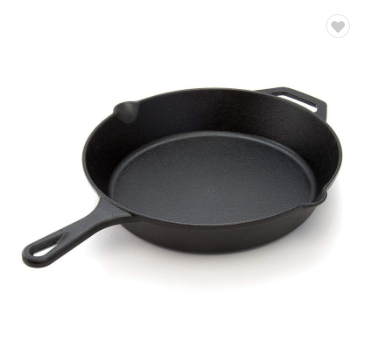
Fa'atau Si'itoa Mea Kuka Ma'i Ma'i U'amea U'amea/Falai/U'u.
View More
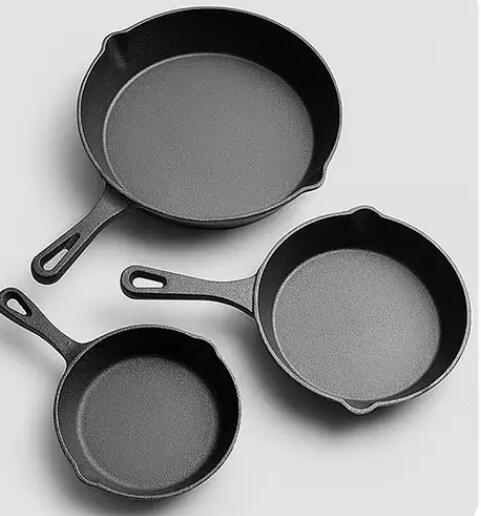
O Mea Kuka Falai U'auli U'amea U'amea U'amea U'amea U'amea fa'a'a'a'a'i fa'a'a'a'a'a muamua
View More
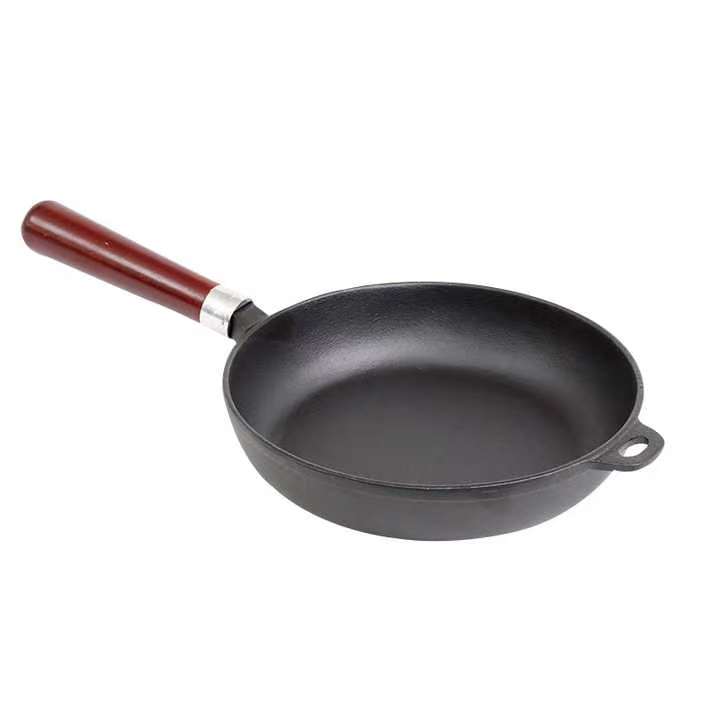
U'amea Fa'a'a'ai Fa'aula'i Falai Falai Falai Fa'aula'au
View More
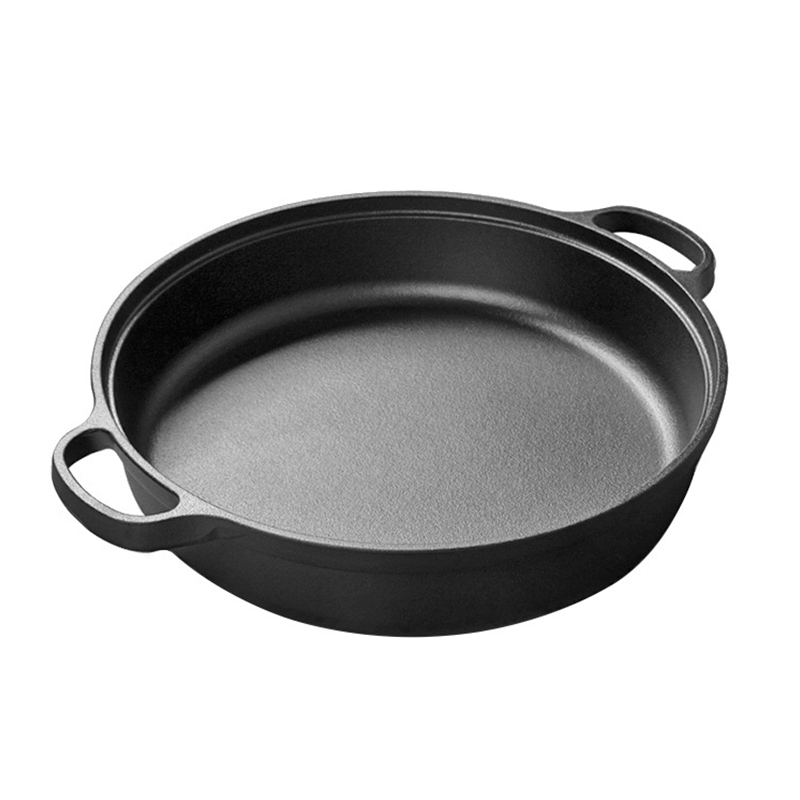
U'amea u'amea Saina apa suauu fuala'au
View More
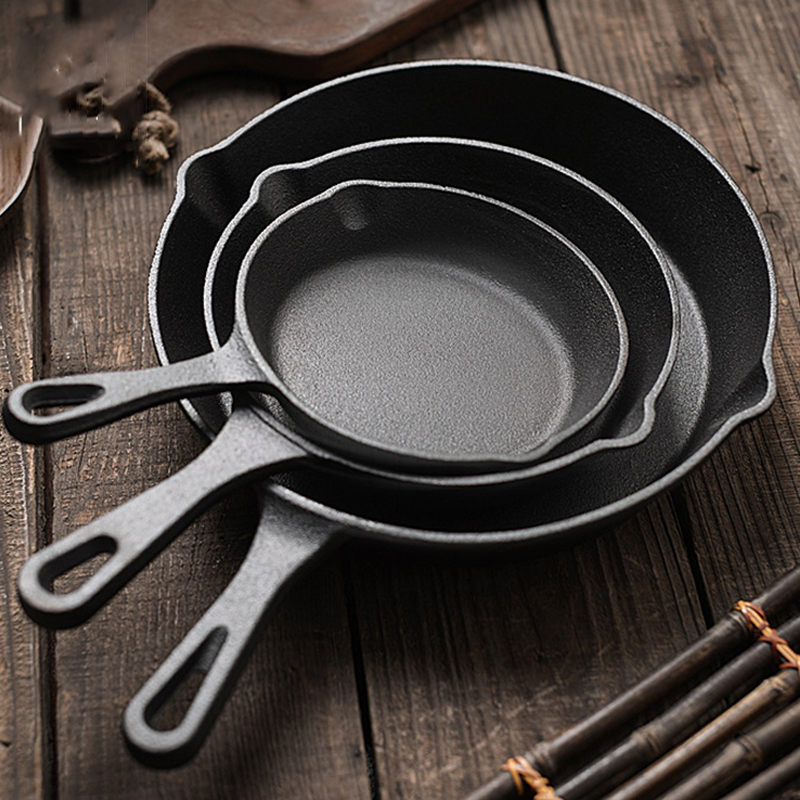
Fa'atauga Maualalo Tau U'amea Fa'a'u'amea Fa'a'u'u Fa'a'u'u
View More
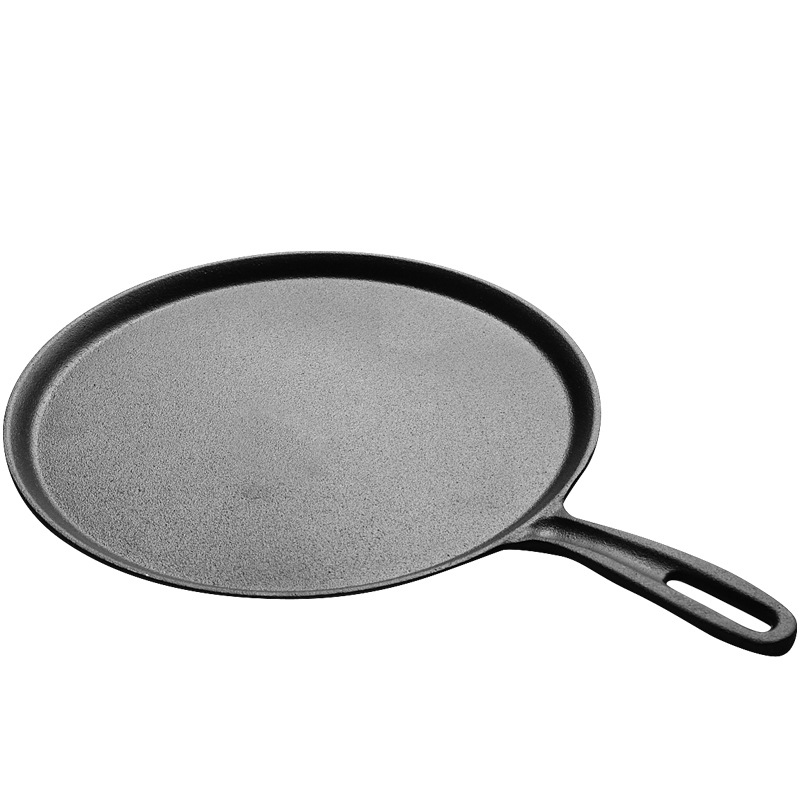
U'amea U'amea U'amea U'amea Maualuga Falai Falai lapotopoto Fuamoa Fa'apalapala
View More
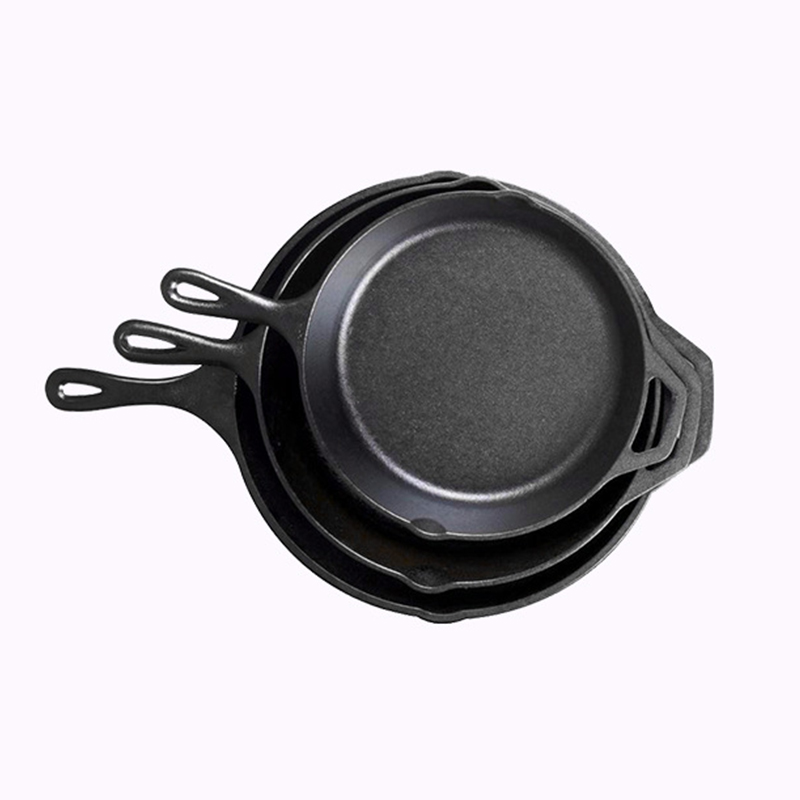
Falai falai suau'u fuala'au falai i Saina e sili ona fa'atau
View More
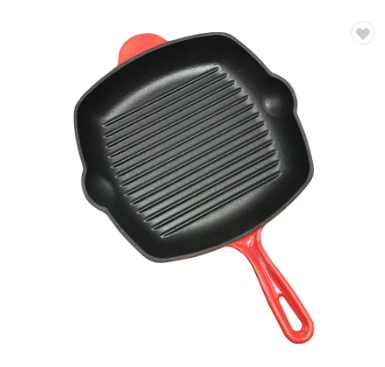
Fa'aleaganu'u Fa'asao Tolauapiga Fa'asao i fafo Enamel U'amea Bbq Grill Steak Pan ma U'u
View More
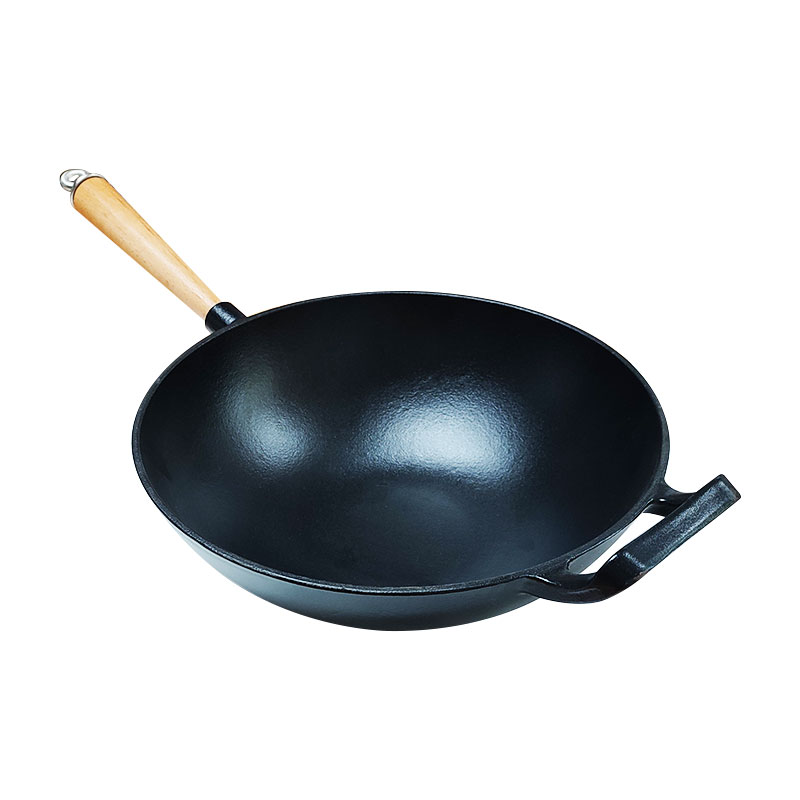
31CM U'u La'au U'amea U'amea uamea
View More
O le a le mea e 'alo'ese pe a fa'atau uaoka?
O le filifilia o le wok sa'o e mafai ona faia se eseesega tele i lou poto masani kuka. Ae ui i lea, o le tele o tagata faʻatau e paʻu'ū ma le le iloa i mailei masani pe a faʻatau se tasi. O mea nei e aloese mai ai—ma pe faapefea ona tu ese a tatou u'amea u'amea e fai ma vaifofo e sili atu. Aloese mai uamea manifinifi. O nei mea e ono vave vevela ae fai fa'aletonu ma vave mou atu le vevela. E mafua ai le le fetaui o kuka ma le leaga o le "wok hei" (le asu asu e taua e falai ai). O la matou u'amea u'amea, i se fa'afeagai, e fa'atumauina tutusa le vevela ma fa'ataga mo le falai falai fa'apolofesa ma le tino moni ma le tofo.
O le tele o woks nonstick e le mafai ona taulimaina le vevela maualuga ma e mafai ona faamatuu atu vailaau leaga pe a soona vevela. O le mea lea e le talafeagai ai mo le falai falai moni, lea e manaʻomia ai le kukaina o le vevela maualuga. O le matou wok e leai ni vailaʻau faʻapipiʻi-naʻo le masani masani poʻo le uʻamea faʻafefeteina e faʻaleleia atili i soʻo se faʻaoga ma e matua saogalemu lava. E tatau i le wok ona loloto, lapotopoto foliga e faafaigofie ai le togiina o meaʻai ma pulea sone vevela. O mamanu papa'u po'o mafolafola e le fa'atagaina ai ni faiga fa'avela lelei. O le matou wok o lo'o fa'aalia ai se fa'avae fa'apipi'i fa'aleaganu'u e fa'atupuina ai le fa'asa'oina o le vevela fa'anatura, e lelei mo le su'eina o le vevela ma le sasaina vave o fualaau faisua po'o aano o manufasi.
O nisi woks carbon steel masani e le talafeagai mo induction po'o ogaumu eletise. Ae ui i lea, o la matou uʻamea uʻamea, e galue i soʻo se mea e maua ai le vevela, e aofia ai le kesi, eletise, sima, ma le induction. E mafai fo'i ona fa'aogaina i totonu o le ogaumu mo le fa'aopoopoina o le fa'asili. O la matou u'amea u'amea ua mamanuina ina ia tumau mo augatupulaga e itiiti le tausiga. Faatasi ai ma le fa'ama'i lelei, e fa'atupuina ai se mea e le pipi'i fa'anatura ma fa'alelei atu i le matua. Aloese mai woks e mama tele, e fa'afefeteina, pe leaga fo'i foliga. Filifili se u'amea u'amea e maua ai le tumau, fa'atinoga, ma taunu'uga moni kuka—pei o tatou.
Cast Iron Wok vs Carbon Steel
When comparing a cast iron wok vs carbon steel, most home cooks and professional chefs focus on durability, heat retention, and cooking versatility. Both materials are staples in Asian-style stir-fry cookware, but the cast iron wok pan has unique strengths that carbon steel simply cannot match. And when it comes to choosing a reliable, high-performance option, the Debien cast iron wok pan pushes these natural advantages even further through superior craftsmanship and material selection.
A traditional carbon steel wok heats up quickly, making it suitable for fast stir-frying. However, carbon steel also loses heat quickly once ingredients hit the surface, especially when cooking in larger portions. This leads to inconsistent searing, steaming instead of browning, and flavor loss. By contrast, a cast iron wok pan delivers unmatched heat retention. Once heated, cast iron remains steady and powerful, locking in high temperatures even when the pan is loaded with meat, vegetables, or liquids. This stability is the key to achieving true wok hei—those smoky flavors and crisp textures that define authentic Asian cooking.
Where Debien excels is in elevating the natural benefits of cast iron through meticulous engineering. The Debien cast iron wok pan is molded using high-precision casting technology, giving the wok a thicker, more uniform base. This not only improves heat distribution but also reduces hot spots that are common in carbon steel cookware. In addition, Debien enhances the pan with a naturally non-stick pre-seasoning layer, eliminating the heavy maintenance burden often associated with traditional cast iron. Users can enjoy a smoother surface, easier cleanup, and better food release right out of the box.
Another significant advantage of Debien’s design is structural resilience. Carbon steel woks are prone to warping under high heat, especially on modern stovetops. A cast iron wok pan, especially one manufactured with Debien’s dense casting method, maintains its shape and cooking integrity for decades. This gives it long-term stability and makes it a dependable tool for searing, deep-frying, braising, and simmering.
In short, cast iron truly outperforms carbon steel in heat retention, structural strength, and flavor development—and a Debien cast iron wok pan amplifies these strengths with modern craftsmanship, durability, and user-friendly seasoning. Whether for home kitchens or professional use, Debien’s wok offers a superior long-term cooking experience.
How to Season a Chinese Cast Iron Wok / Pan
Seasoning a Chinese cast iron wok or cast-iron wok pan is an essential step if you want to achieve that signature non-stick patina and deep, smoky flavor associated with authentic wok cooking. A well-seasoned wok not only improves performance but also protects the surface from rust, prolonging the cookware’s lifespan. The process is simple, but doing it correctly makes a big difference, especially for cast iron, which benefits from repeated oil polymerization and high-heat curing. Below is a clear, step-by-step guide to help you season your wok or pan properly and maintain it for long-term use.
Start by washing the new wok or pan thoroughly using warm water and a small amount of mild detergent. This first wash removes factory oils and residues that prevent proper seasoning. After cleaning, dry the wok completely—either by towel-drying or placing it over medium heat for a few minutes. Eliminating moisture is crucial because cast iron is highly prone to rusting whenever water is left on the surface.
Once dry, apply a very thin, even layer of high-smoke-point oil such as flaxseed oil, canola oil, or grapeseed oil. Avoid olive oil or butter, as they burn at lower temperatures and won’t create the durable polymerized coating you need. Ensure you coat the entire surface inside and out, but keep the layer extremely light; excess oil leads to sticky patches instead of a smooth finish.
Heat the wok over high heat until the oil begins to smoke. This is the moment where polymerization occurs—oil bonds with the metal, forming the protective black patina that gives a Chinese cast iron wok its signature look. Rotate and tilt the wok to ensure all sides are evenly heated. When the smoking stops, allow it to cool naturally. Repeat this oil-and-heat cycle two to three more times for optimal seasoning.
After seasoning, maintenance is straightforward: clean the wok with hot water only—no soap—and scrub with a soft brush. Dry it immediately and apply a micro-thin coat of oil before storing. Over time, with consistent cooking and proper care, your wok will develop a naturally slick, non-stick surface ideal for stir-frying, steaming, searing, and deep-frying. A well-seasoned Chinese cast iron wok becomes better the more you use it, turning into a reliable staple in your kitchen.
Cast Iron Wok Pan for High Heat Cooking — Why It Works Better
When it comes to serious high-heat cooking, few tools match the reliability and sheer performance of a cast iron wok pan. Home cooks and professionals alike appreciate how it transforms simple ingredients into restaurant-level dishes, especially when using a cast iron wok for stir-frying, searing, or deep-frying. Its distinctive material properties give it clear advantages over lightweight alternatives like carbon steel or aluminum.
First, cast iron retains heat exceptionally well. Unlike thinner metals that cool down the moment you add ingredients, a cast iron wok stays blazing hot. This stable temperature is essential for “wok hei”—that smoky, charred flavor you get only with true high-heat cooking. Because the wok does not drop in temperature, vegetables stay crisp, proteins brown quickly instead of steaming, and sauces reduce faster for deeper flavor. Anyone using a cast iron wok will immediately notice this difference in texture and taste.
Second, weight translates to even heating. Cast iron distributes heat from rim to center, eliminating the hot spots that often burn garlic or leave larger cuts of meat undercooked. This makes it a great option for Western home kitchens, where gas burners are not always powerful enough to deliver authentic stir-fry performance. With proper preheating, a cast iron wok compensates for weaker stovetops.
Another advantage comes from the natural seasoning layer that develops with repeated use. This polymerized coating creates a semi-nonstick surface that improves with time, making it easier to cook delicate ingredients and clean up afterward. The more you cook, the better it performs—something most nonstick pans can’t offer.
Many readers also consider the cast iron wok price when choosing cookware. While cast iron might cost slightly more than entry-level materials, it’s still surprisingly affordable compared to premium stainless steel. And because it lasts decades with minimal maintenance, the long-term value outweighs the upfront investment. For anyone committed to high-heat cooking techniques, the balance of price, durability, and performance makes cast iron one of the smartest choices.
In short, if you want better searing, improved heat retention, and a wok that gets better with age, a cast iron wok pan stands out as the superior tool.
E sili atu le soifua maloloina le kuka ma le uamea?
O le kuka ma le u'amea e le na'o se luelue i tu ma aga—o se filifiliga atamai, ma le soifua maloloina. E le pei o apa e le fa'apipi'iina i kemikolo, o mea kuka u'amea e ofoina atu ai se mea fa'alenatura e le o'ona e fa'aleleia atili pe a fa'aoga, ma avea ai ma se tasi o filifiliga sili ona maloloina i lau umukuka. O se tasi o fa'amanuiaga sili o le u'amea o le leai o se mea fa'apipi'i fa'apipi'i pei o le PTFE po'o le PFOA, lea e masani ona maua i mea kuka e le fa'apipi'i. O nei vaila'au e mafai ona fa'asa'olotoina i le vevela maualuga, ma fa'atupu ai ni a'afiaga tau soifua maloloina. Faatasi ai ma le u'amea lafo, e te maua ai se u'amea mama e le tu'u ai mea leaga i au mea'ai. I le aluga o taimi, o se ulo uʻamea faʻamamafa poʻo se apa e atiaʻe ai se paʻu masani, e leai ni vailaʻau. O lona uiga e mafai ona e kuka i lalo o le suauu, lea e sili atu mo le soifua maloloina o le fatu ma le puleaina o le mamafa-e aunoa ma le ositaulagaina o le tofo poʻo le fua. O mea'ai kuka u'amea e mafai ona fa'ateleina ai lou taumafa u'amea, ae maise lava pe a kuka mea'ai fa'asa'o e pei o tamato po'o ipu i le sua o le tipolo. O le uʻamea o se minerale taua e lagolagoina le maualuga o le malosi ma le soifua maloloina puipuia. Mo tagata taʻitoʻatasi e faigofie i le le lava o le uʻamea, e mafai ona avea lenei mea ma faʻamanuiaga faʻaopoopo-e tuʻufaʻatasia masani i le kukaina o aso taʻitasi. Talu ai ona o le uʻamea e taofi ma tufatufaina tutusa le vevela, e mafai ai ona e kukaina meaʻai sili atu ona maeʻa ma lelei. E mafai ona e tunu aano o manufasi e aunoa ma le mu, falai vave fualaau faisua e taofi ai meaʻai, poʻo le faʻagesegese le kukaina o suti fatu—o mea uma e aunoa ma le manaʻomia o gaʻo faaopoopo poʻo mea faʻaopoopo. O le soifua maloloina e le naʻo mea o loʻo i luga o lau ipu—e faʻatatau foi i le faʻaauau. O se ipu u'amea maualuga maualuga e mafai ona tumau i le olaga atoa pe sili atu, fa'aitiitia le mana'omia mo suiga faifaipea ma fa'aititia ai lou tulagavae si'osi'omaga. O le itiiti ifo o apa e lafoai o lona uiga o se paneta maloloina foi. O le kukaina ma le u'amea e lagolagoina ai se olaga soifua maloloina e ala i le fa'aitiitia o vaila'au fa'asaina, fa'amalosia le fa'atumauina o mea'ai, fa'aitiitia le fa'aaogaina o le suau'u, ma fa'asili atili ai lou maualuga o le u'amea. E le na'o mea kuka—o se tautinoga i le soifua maloloina, tasi le taumafataga i le taimi.
Su'esu'e nei mo Fa'atau Kuka U'amea
Fa'amolemole fa'atumu le fomu o lo'o i lalo ma o le a toe fo'i atu la matou 'au ia te oe ma le tau, fa'amatalaga o oloa, ma filifiliga fa'apitoa.

Debien o loʻo agaʻi i luma i le taimi, faʻafouina meafaigaluega, vaʻaia faʻapitoa la matou faʻailoga, taulaʻi i le atinaʻeina o oloa maualuga, ma tali atu ma le malosi i manaʻoga maketi ma le fatufatuaʻi.


SO'OGA VAIVAI
FAAFESOOTAI MATOU
Debien o loʻo agaʻi i luma i le taimi, faʻafouina meafaigaluega, vaʻaia faʻapitoa la matou faʻailoga, taulaʻi i le atinaʻeina o oloa maualuga, ma tali atu ma le malosi i manaʻoga maketi ma le fatufatuaʻi.
Copyright © 2026 HEBEI DEBIEN TECHNOLOGY CO., LTD. Ua Taofia Aia Tatau Uma. Sitemap | Faiga Fa'alilolilo


