



- Afrikaans
- Albanian
- Amharic
- Arabic
- Armenian
- Azerbaijani
- Basque
- Belarusian
- Bengali
- Bosnian
- Bulgarian
- Catalan
- Cebuano
- Corsican
- Croatian
- Czech
- Danish
- Dutch
- English
- Esperanto
- Estonian
- Finnish
- French
- Frisian
- Galician
- Georgian
- German
- Greek
- Gujarati
- Haitian Creole
- hausa
- hawaiian
- Hebrew
- Hindi
- Miao
- Hungarian
- Icelandic
- igbo
- Indonesian
- irish
- Italian
- Japanese
- Javanese
- Kannada
- kazakh
- Khmer
- Rwandese
- Korean
- Kurdish
- Kyrgyz
- Lao
- Latin
- Latvian
- Lithuanian
- Luxembourgish
- Macedonian
- Malgashi
- Malay
- Malayalam
- Maltese
- Maori
- Marathi
- Mongolian
- Myanmar
- Nepali
- Norwegian
- Norwegian
- Occitan
- Pashto
- Persian
- Polish
- Portuguese
- Punjabi
- Romanian
- Russian
- Samoan
- Scottish Gaelic
- Serbian
- Sesotho
- Shona
- Sindhi
- Sinhala
- Slovak
- Slovenian
- Somali
- Spanish
- Sundanese
- Swahili
- Swedish
- Tagalog
- Tajik
- Tamil
- Tatar
- Telugu
- Thai
- Turkish
- Turkmen
- Ukrainian
- Urdu
- Uighur
- Uzbek
- Vietnamese
- Welsh
- Bantu
- Yiddish
- Yoruba
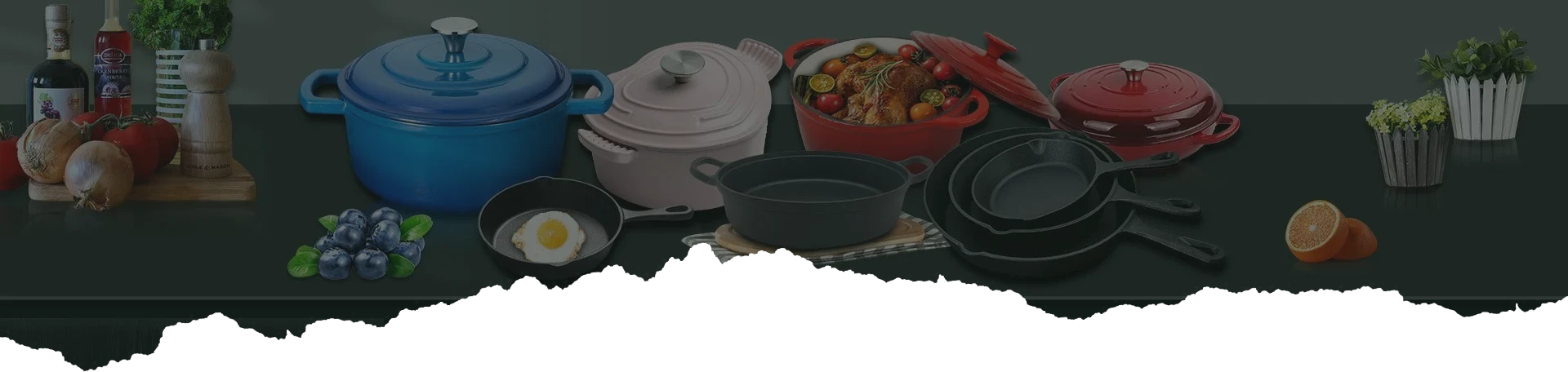
Wok Iarainn-teilgte

Bidh an wok iarainn-tilgte seo a’ cothlamadh gu foirfe obair-ciùird thraidiseanta le gnìomhan an latha an-diugh agus tha e na inneal còcaireachd riatanach sa chidsin. Ge bith a bheil e a’ frioladh-stir, a’ frioladh-phana, a’ goil, a’ stiùbhadh, a’ braiseadh no a’ frioladh-domhainn, faodaidh e taic teòthachd àrd seasmhach agus eòlas còcaireachd sàr-mhath a thoirt seachad. Tha e gu sònraichte freagarrach airson frioladh-stir luath Sìneach agus soithichean a dh’ fheumas blas tùsail nan tàthchuid a ghleidheadh. Is e an coileanadh giùlain teas sàr-mhath agus stòradh teas am buannachd as motha a tha aig wok iarainn-tilgte. Tha corp tiugh aig a’ phoit, as urrainn teasachadh gu sgiobalta agus gu cothromach agus teòthachd àrd a chumail suas airson ùine mhòr. Tha e glè fhreagarrach airson soithichean a dh’ fheumas frioladh-stir luath thairis air teas àrd, leithid cearc Kung Pao, mairtfheòil ann an sabhs eisirean, agus pònairean uaine friochte tioram. Chan e a-mhàin gun urrainn dha beathachadh agus taiseachd nan tàthchuid a chumail gu h-èifeachdach, ach cuideachd fàileadh na h-ola còcaireachd a thoirt a-mach, a’ taisbeanadh fìor bhlas biadh Sìneach.
Tha feartan nàdarra aig poitean iarainn-teilgte gu bheil iad ìosal ann an ola agus neo-mhaide. Mar a thèid an cleachdadh airson ùine mhòr, bidh film ola a’ cruinneachadh, gan dèanamh nas fhasa a chleachdadh. An coimeas ri panaichean neo-mhaide, chan eil còmhdach ceimigeach annta idir, tha iad nas fhallaine agus nas càirdeile don àrainneachd, agus tha iad freagarrach dha luchd-cleachdaidh a tha a’ toirt aire do shàbhailteachd bìdh. Tha còmhdach cruan air cuid de mhodalan, a tha nas fhasa a ghlanadh agus a leigeas le grìtheidean searbhagach còcaireachd gu sàbhailte. Tha corp a’ phoit air a dhealbhadh a rèir ergonomics. Tha cumadh bonn domhainn bogha goireasach airson stir-frying agus tha na grìtheidean nas lugha dualtach frasadh. Tha an structar dà-chluais no làmh fhada ga dhèanamh goireasach glasraich a ghluasad agus a dhòrtadh. Tha e freagarrach airson diofar stòran teas leithid stòbhaichean gas, còcairean inntrigidh, agus stòbhaichean ceirmeag dealain, agus faodar eadhon a chleachdadh ann an àmhainn, a’ coileanadh iomadh cleachdadh ann an aon phoit.
Chan e a-mhàin gu bheil am wok iarainn-tilgte na inneal cidsin àrd-choileanaidh, ach tha e cuideachd a’ giùlan cuideam cultar còcaireachd traidiseanta. Tha an inneach retro aige a’ freagairt gu foirfe ri stoidhle cidsin an latha an-diugh, agus e practaigeach agus tlachdmhor a thaobh bòidhchead. Tha e freagarrach airson cleachdadh làitheil san taigh a bharrachd air airson luchd-dealasach còcaireachd agus proifeiseantaich ann an gnìomhachas a’ bhiadh-slàinte. Bidh an wok iarainn-tilgte seo a’ cothlamadh seasmhachd teòthachd àrd, seasmhachd agus ioma-ghnìomhachd, ga dhèanamh na roghainn earbsach airson càileachd agus blas còcaireachd a leasachadh. Ge bith an e friochadh luath de shoithichean teth no friochadh slaodach a th’ ann, faodaidh wok iarainn-tilgte do chuideachadh le bhith a’ cumail smachd air an teas gu furasta agus a’ cruthachadh soithichean blasta aig ìre proifeasanta.
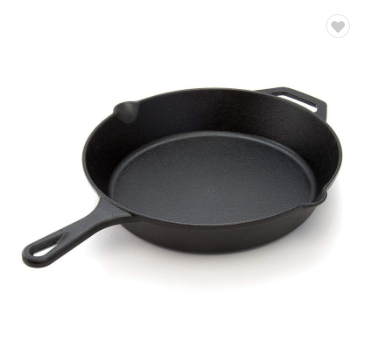
Pana-friogais/sgàileid iarainn-tilgte beag le làmh airson còcaireachd ro-ràitheichte mòr-reic
View More
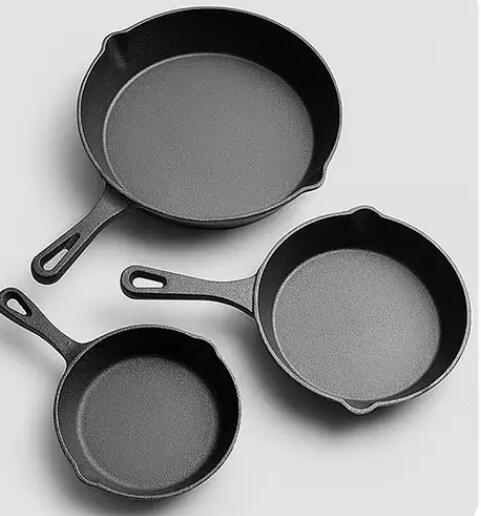
Uidheam còcaireachd taighe neo-mhaide poit còcaireachd dubh friogais sgilet iarainn tilgte còmhdach ro-ràithe iarainn tilgte
View More
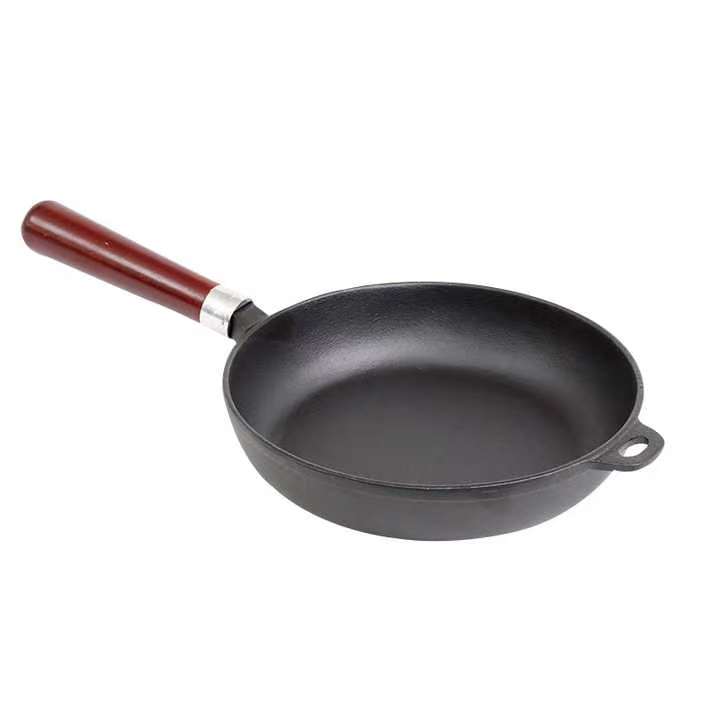
Pana Friogais Iarainn Cruinn Ro-Ràitheil le Làmh Fiodha
View More
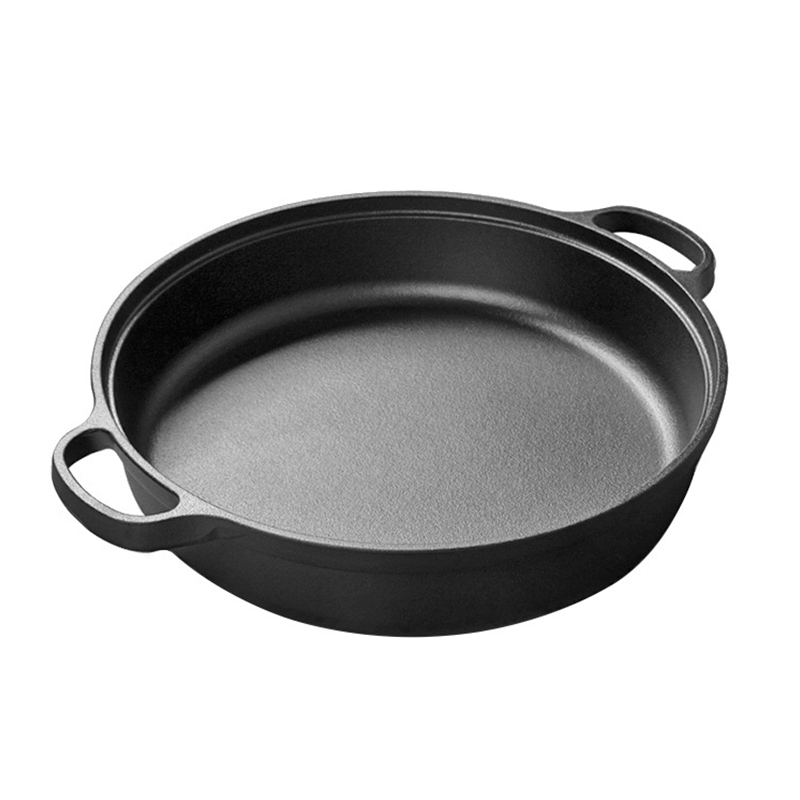
Pana ola glasraich iarainn-tilgte Sìneach
View More
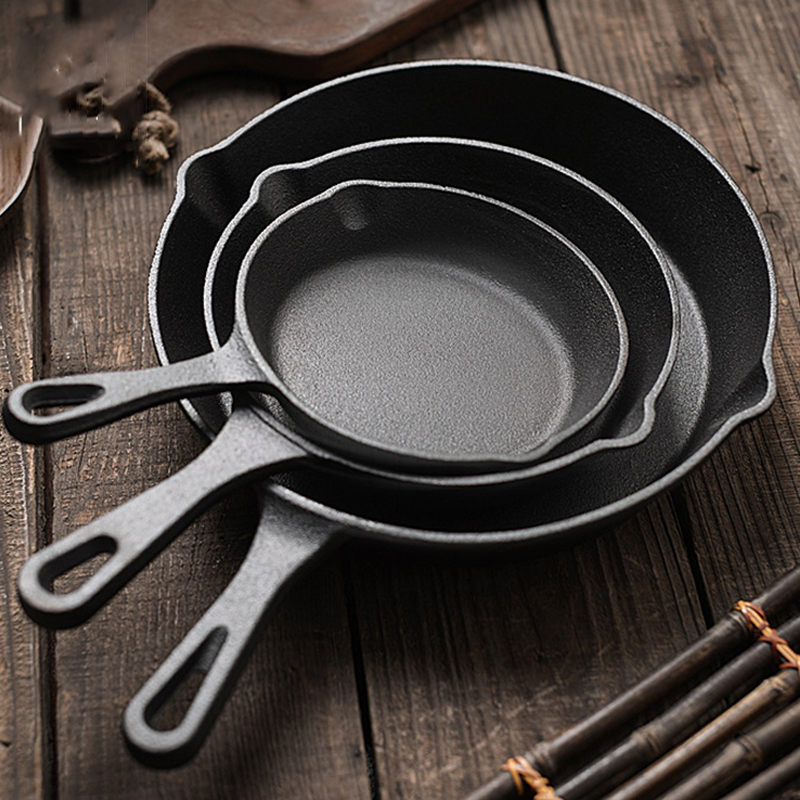
Prìs Ìosal Àrd-inbhe Iarainn Tilgte Ro-Ràithichte Còmhdaichte
View More
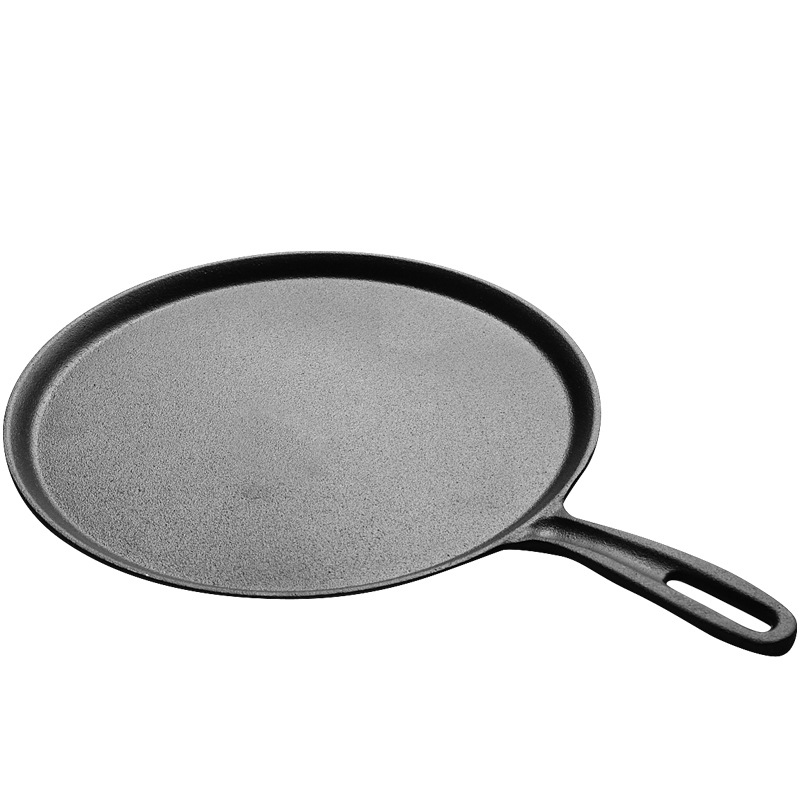
Panaichean friogais sgilet iarainn tilgte meatailt gnàthaichte àrd-inbhe, pana rèidh, cruinn, uighean sìmplidh
View More
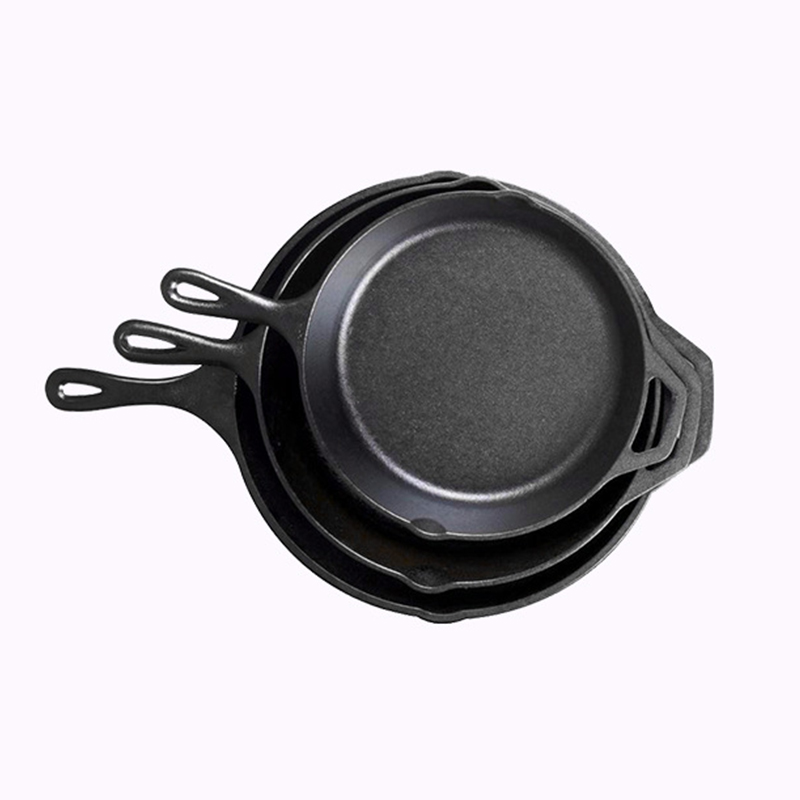
Am pana friogais ola glasraich iarainn-tilgte as fheàrr a reic ann an Sìona
View More
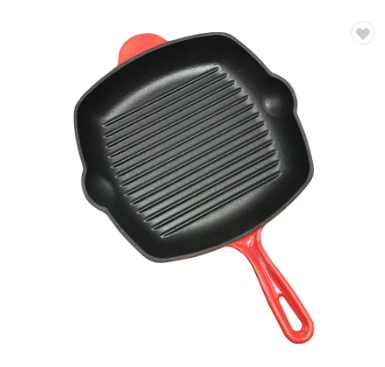
Pana Steak Grill Bbq Iarainn Tilgte Ceàrnagach Campachaidh a-muigh Gnàthaichte le Làimhseachadh
View More
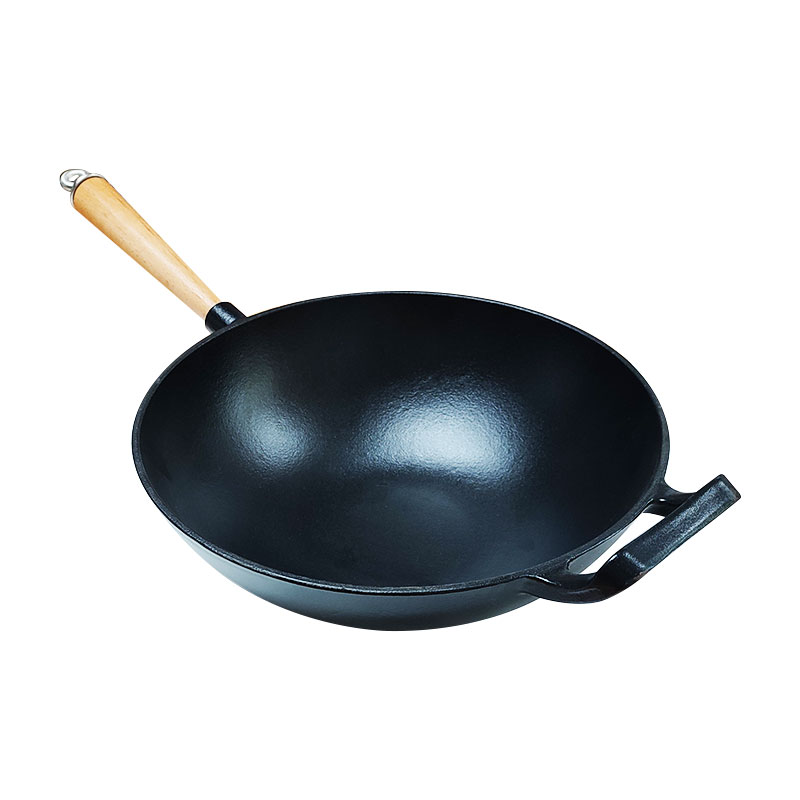
Wok còcaireachd iarainn le làmh fiodha ro-ràithe 31CM
View More
Dè a sheachnadh nuair a bhios tu a’ ceannach Wok?
Faodaidh taghadh an wok cheart diofar mòr a dhèanamh anns an eòlas còcaireachd agad. Ach, bidh mòran de luchd-ceannach gun fhios dhaibh a’ tuiteam ann an ribe cumanta nuair a bhios iad a’ ceannach fear. Seo na rudan a bu chòir a sheachnadh - agus mar a tha an wok iarainn-tilgte againn a’ seasamh a-mach mar fhuasgladh nas fheàrr. Seachain woks air an dèanamh de mheatailt tana. Faodaidh iad sin teasachadh gu sgiobalta ach bidh iad sin a’ dèanamh sin gu neo-chothromach agus a’ call teas dìreach cho luath. Bidh seo a’ leantainn gu còcaireachd neo-chunbhalach agus “wok hei” bochd (an sear smocach a tha riatanach airson stir-fry). Bidh an wok iarainn-tilgte againn, an coimeas ri sin, a’ cumail teas gu cothromach agus a’ leigeil le stir-fry aig ìre proifeasanta le inneach agus blas dearbhte.
Chan urrainn dha mòran woks neo-mhaide dèiligeadh ri teas àrd agus faodaidh iad ceimigean cronail a leigeil ma sgaoil nuair a thèid an teasachadh ro mhòr. Tha seo gan dèanamh mì-fhreagarrach airson friogais-stir fìor, a dh’ fheumas còcaireachd aig teòthachd àrd. Chan eil còmhdach ceimigeach sam bith anns a’ wok againn - dìreach iarann tilgte air a ràitheadh gu nàdarrach no còmhdaichte le cruan a bhios a’ leasachadh le gach cleachdadh agus a tha gu tur sàbhailte. Bu chòir cumadh domhainn, cruinn a bhith aig wok gus a dhèanamh nas fhasa grìtheidean a thilgeil agus smachd a chumail air sònaichean teas. Chan eil dealbhadh eu-domhainn no còmhnard a’ leigeil le dòighean còcaireachd ceart. Tha bonn lùbte traidiseanta aig a’ wok againn a chruthaicheas dùmhlachd teas nàdarra, air leth freagarrach airson seargadh aig teas àrd agus tilgeil glasraich no feòil gu sgiobalta.
Chan eil cuid de woks stàilinn charboin traidiseanta freagarrach airson stòbhaichean inntrigidh no dealain. Ach, bidh an wok iarainn-tilgte againn ag obair air a h-uile prìomh thùs teas, a’ gabhail a-steach gas, dealan, ceirmeag agus inntrigidh. Faodar a chleachdadh san àmhainn eadhon airson barrachd ioma-chruthachd. Bidh woks saor gu tric a’ lùbadh, a’ meirgeadh no a’ call an cuid fheartan neo-mhaide gu sgiobalta. Tha an wok iarainn-tilgte againn air a dhealbhadh gus mairsinn airson ginealaichean le glè bheag de chumail suas. Le seusanachadh ceart, bidh e a’ leasachadh uachdar nàdarra neo-mhaide agus a’ fàs nas fheàrr le aois. Seachain woks a tha ro aotrom, còmhdaichte gu ceimigeach, no le droch chumadh. Tagh wok iarainn-tilgte a tha a’ tabhann seasmhachd, coileanadh agus toraidhean còcaireachd dearbhte - dìreach mar an tè againne.
Cast Iron Wok vs Carbon Steel
When comparing a cast iron wok vs carbon steel, most home cooks and professional chefs focus on durability, heat retention, and cooking versatility. Both materials are staples in Asian-style stir-fry cookware, but the cast iron wok pan has unique strengths that carbon steel simply cannot match. And when it comes to choosing a reliable, high-performance option, the Debien cast iron wok pan pushes these natural advantages even further through superior craftsmanship and material selection.
A traditional carbon steel wok heats up quickly, making it suitable for fast stir-frying. However, carbon steel also loses heat quickly once ingredients hit the surface, especially when cooking in larger portions. This leads to inconsistent searing, steaming instead of browning, and flavor loss. By contrast, a cast iron wok pan delivers unmatched heat retention. Once heated, cast iron remains steady and powerful, locking in high temperatures even when the pan is loaded with meat, vegetables, or liquids. This stability is the key to achieving true wok hei—those smoky flavors and crisp textures that define authentic Asian cooking.
Where Debien excels is in elevating the natural benefits of cast iron through meticulous engineering. The Debien cast iron wok pan is molded using high-precision casting technology, giving the wok a thicker, more uniform base. This not only improves heat distribution but also reduces hot spots that are common in carbon steel cookware. In addition, Debien enhances the pan with a naturally non-stick pre-seasoning layer, eliminating the heavy maintenance burden often associated with traditional cast iron. Users can enjoy a smoother surface, easier cleanup, and better food release right out of the box.
Another significant advantage of Debien’s design is structural resilience. Carbon steel woks are prone to warping under high heat, especially on modern stovetops. A cast iron wok pan, especially one manufactured with Debien’s dense casting method, maintains its shape and cooking integrity for decades. This gives it long-term stability and makes it a dependable tool for searing, deep-frying, braising, and simmering.
In short, cast iron truly outperforms carbon steel in heat retention, structural strength, and flavor development—and a Debien cast iron wok pan amplifies these strengths with modern craftsmanship, durability, and user-friendly seasoning. Whether for home kitchens or professional use, Debien’s wok offers a superior long-term cooking experience.
How to Season a Chinese Cast Iron Wok / Pan
Seasoning a Chinese cast iron wok or cast-iron wok pan is an essential step if you want to achieve that signature non-stick patina and deep, smoky flavor associated with authentic wok cooking. A well-seasoned wok not only improves performance but also protects the surface from rust, prolonging the cookware’s lifespan. The process is simple, but doing it correctly makes a big difference, especially for cast iron, which benefits from repeated oil polymerization and high-heat curing. Below is a clear, step-by-step guide to help you season your wok or pan properly and maintain it for long-term use.
Start by washing the new wok or pan thoroughly using warm water and a small amount of mild detergent. This first wash removes factory oils and residues that prevent proper seasoning. After cleaning, dry the wok completely—either by towel-drying or placing it over medium heat for a few minutes. Eliminating moisture is crucial because cast iron is highly prone to rusting whenever water is left on the surface.
Once dry, apply a very thin, even layer of high-smoke-point oil such as flaxseed oil, canola oil, or grapeseed oil. Avoid olive oil or butter, as they burn at lower temperatures and won’t create the durable polymerized coating you need. Ensure you coat the entire surface inside and out, but keep the layer extremely light; excess oil leads to sticky patches instead of a smooth finish.
Heat the wok over high heat until the oil begins to smoke. This is the moment where polymerization occurs—oil bonds with the metal, forming the protective black patina that gives a Chinese cast iron wok its signature look. Rotate and tilt the wok to ensure all sides are evenly heated. When the smoking stops, allow it to cool naturally. Repeat this oil-and-heat cycle two to three more times for optimal seasoning.
After seasoning, maintenance is straightforward: clean the wok with hot water only—no soap—and scrub with a soft brush. Dry it immediately and apply a micro-thin coat of oil before storing. Over time, with consistent cooking and proper care, your wok will develop a naturally slick, non-stick surface ideal for stir-frying, steaming, searing, and deep-frying. A well-seasoned Chinese cast iron wok becomes better the more you use it, turning into a reliable staple in your kitchen.
Cast Iron Wok Pan for High Heat Cooking — Why It Works Better
When it comes to serious high-heat cooking, few tools match the reliability and sheer performance of a cast iron wok pan. Home cooks and professionals alike appreciate how it transforms simple ingredients into restaurant-level dishes, especially when using a cast iron wok for stir-frying, searing, or deep-frying. Its distinctive material properties give it clear advantages over lightweight alternatives like carbon steel or aluminum.
First, cast iron retains heat exceptionally well. Unlike thinner metals that cool down the moment you add ingredients, a cast iron wok stays blazing hot. This stable temperature is essential for “wok hei”—that smoky, charred flavor you get only with true high-heat cooking. Because the wok does not drop in temperature, vegetables stay crisp, proteins brown quickly instead of steaming, and sauces reduce faster for deeper flavor. Anyone using a cast iron wok will immediately notice this difference in texture and taste.
Second, weight translates to even heating. Cast iron distributes heat from rim to center, eliminating the hot spots that often burn garlic or leave larger cuts of meat undercooked. This makes it a great option for Western home kitchens, where gas burners are not always powerful enough to deliver authentic stir-fry performance. With proper preheating, a cast iron wok compensates for weaker stovetops.
Another advantage comes from the natural seasoning layer that develops with repeated use. This polymerized coating creates a semi-nonstick surface that improves with time, making it easier to cook delicate ingredients and clean up afterward. The more you cook, the better it performs—something most nonstick pans can’t offer.
Many readers also consider the cast iron wok price when choosing cookware. While cast iron might cost slightly more than entry-level materials, it’s still surprisingly affordable compared to premium stainless steel. And because it lasts decades with minimal maintenance, the long-term value outweighs the upfront investment. For anyone committed to high-heat cooking techniques, the balance of price, durability, and performance makes cast iron one of the smartest choices.
In short, if you want better searing, improved heat retention, and a wok that gets better with age, a cast iron wok pan stands out as the superior tool.
A bheil e nas fhallaine còcaireachd le iarann tilgte?
Chan e dìreach iomradh air traidisean a th’ ann an còcaireachd le iarann-tilgte—tha e cuideachd na roghainn glic, mothachail air slàinte. Eu-coltach ri panaichean neo-mhaide le còmhdach ceimigeach, tha uachdar còcaireachd iarainn-tilgte a’ tabhann uachdar còcaireachd nàdarrach neo-phuinnseanta nach eil ach a’ fàs nas fheàrr le cleachdadh, ga dhèanamh mar aon de na roghainnean as fhallaine sa chidsin agad. Is e aon de na buannachdan as motha a tha an lùib iarann-tilgte gu bheil e gu tur saor bho chòmhdach synthetigeach mar PTFE no PFOA, a lorgar gu cumanta ann an còcaireachd neo-mhaide. Faodaidh na ceimigean sin tocsainnean a leigeil ma sgaoil aig teòthachd àrd, ag adhbhrachadh chunnartan slàinte a dh’ fhaodadh a bhith ann. Le iarann-tilgte, gheibh thu uachdar meatailt fìor-ghlan nach leig stuthan cronail a-steach don bhiadh agad. Thar ùine, bidh poit no pana iarainn-tilgte air a dheagh ràitheadh a’ leasachadh còmhdach nàdarrach, neo-mhaide gun cheimigean. Tha seo a’ ciallachadh gun urrainn dhut còcaireachd le nas lugha de ola, a tha nas fheàrr airson slàinte a’ chridhe agus riaghladh cuideam—gun a bhith a’ ìobairt blas no inneach. Faodaidh còcaireachd iarainn-tilgte do in-ghabhail iarainn a bhrosnachadh, gu sònraichte nuair a bhios tu a’ còcaireachd biadhan searbhagach mar tomatoan no soithichean le sùgh lemon. Tha iarann na mhèinnear riatanach a tha a’ toirt taic do ìrean lùtha agus slàinte dìonachd. Dhaibhsan a tha buailteach do easbhaidh iarainn, faodaidh seo a bhith na bhuannachd a bharrachd - air a thoirt a-steach gu nàdarrach ann an còcaireachd làitheil. Leis gu bheil iarann tilgte a’ cumail agus a’ sgaoileadh teas gu cothromach, leigidh e leat biadh a chòcaireachd nas mionaidiche agus nas èifeachdaiche. Faodaidh tu feòil a shearadh gun losgadh, glasraich stir-fry gu sgiobalta gus beathachadh a chumail, no stiùibh làidir a chòcaireachd gu slaodach - uile gun a bhith feumach air geir no stuthan cur-ris a bharrachd. Chan eil slàinte dìreach mu dheidhinn na tha air do phlàta - tha e cuideachd mu dheidhinn seasmhachd. Faodaidh poit iarainn àrd-inbhe mairsinn fad-beatha no barrachd, a’ lughdachadh an fheum air ath-chur tric agus a’ lughdachadh do lorg àrainneachdail. Tha nas lugha de phannaichean air an tilgeil air falbh a’ ciallachadh planaid nas fhallaine cuideachd. Bidh còcaireachd le iarann tilgte a’ toirt taic do dhòigh-beatha nas fhallaine le bhith a’ cuir às do nochdadh ceimigeach, a’ brosnachadh gleidheadh beathachadh, a’ lughdachadh cleachdadh ola, agus eadhon ag àrdachadh na h-ìrean iarainn agad gu nàdarrach. Chan e dìreach innealan còcaireachd a th’ ann - tha e na ghealladh do shunnd, aon bhiadh aig an aon àm.
Faighnich a-nis airson tairgsean air bathar còcaireachd iarainn-tilgte
Lìon am foirm gu h-ìosal agus cuiridh an sgioba againn fios thugad le prìsean, mion-fhiosrachadh mun toradh, agus roghainnean gnàthachaidh.

Tha Debien a’ dol air adhart le ùine, ag ùrachadh uidheamachd, a’ snaidheadh a-mach ar branda gu mionaideach, a’ cur fòcas air toraidhean àrd-inbhe a leasachadh, agus a’ freagairt gu gnìomhach ri iarrtasan a’ mhargaidh le cruthachalachd.


Ceanglaichean luath
CUIR FIOS THUGAINN
Tha Debien a’ dol air adhart le ùine, ag ùrachadh uidheamachd, a’ snaidheadh a-mach ar branda gu mionaideach, a’ cur fòcas air toraidhean àrd-inbhe a leasachadh, agus a’ freagairt gu gnìomhach ri iarrtasan a’ mhargaidh le cruthachalachd.
Copyright © 2026 HEBEI DEBIEN TECHNOLOGY CO., LTD. Còraichean uile glèidhte. Sitemap | Poileasaidh Prìobhaideachd


