



- Afrikaans
- Albanian
- Amharic
- Arabic
- Armenian
- Azerbaijani
- Basque
- Belarusian
- Bengali
- Bosnian
- Bulgarian
- Catalan
- Cebuano
- Corsican
- Croatian
- Czech
- Danish
- Dutch
- English
- Esperanto
- Estonian
- Finnish
- French
- Frisian
- Galician
- Georgian
- German
- Greek
- Gujarati
- Haitian Creole
- hausa
- hawaiian
- Hebrew
- Hindi
- Miao
- Hungarian
- Icelandic
- igbo
- Indonesian
- irish
- Italian
- Japanese
- Javanese
- Kannada
- kazakh
- Khmer
- Rwandese
- Korean
- Kurdish
- Kyrgyz
- Lao
- Latin
- Latvian
- Lithuanian
- Luxembourgish
- Macedonian
- Malgashi
- Malay
- Malayalam
- Maltese
- Maori
- Marathi
- Mongolian
- Myanmar
- Nepali
- Norwegian
- Norwegian
- Occitan
- Pashto
- Persian
- Polish
- Portuguese
- Punjabi
- Romanian
- Russian
- Samoan
- Scottish Gaelic
- Serbian
- Sesotho
- Shona
- Sindhi
- Sinhala
- Slovak
- Slovenian
- Somali
- Spanish
- Sundanese
- Swahili
- Swedish
- Tagalog
- Tajik
- Tamil
- Tatar
- Telugu
- Thai
- Turkish
- Turkmen
- Ukrainian
- Urdu
- Uighur
- Uzbek
- Vietnamese
- Welsh
- Bantu
- Yiddish
- Yoruba
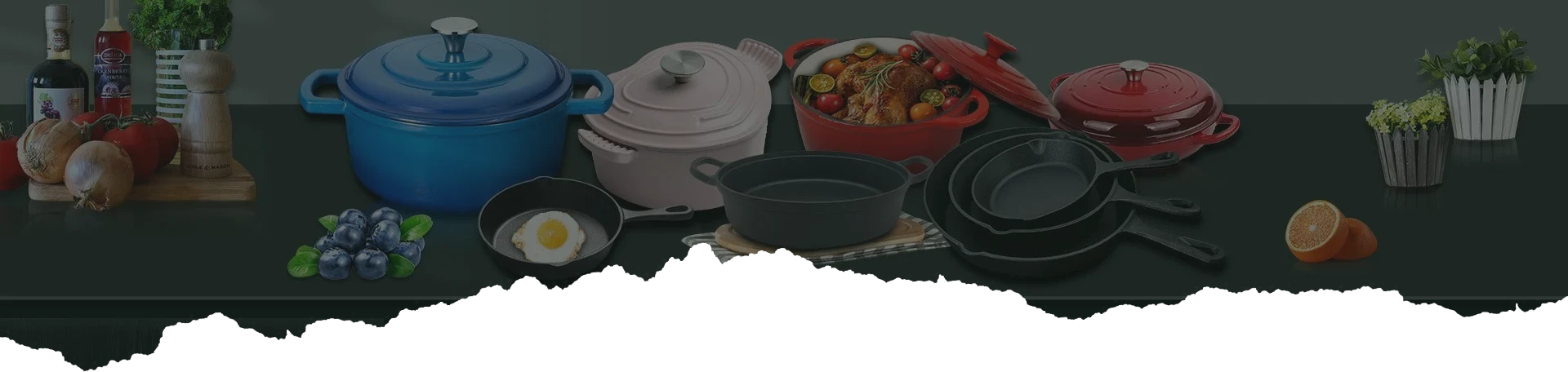
Wok hao


Hoʻohui maikaʻi kēia wok hao i ka hana kuʻuna me nā hana o kēia wā a he mea pono e kuke ai i ka lumi kuke. ʻO ka hoʻoulu ʻana, ka pan-frying, ka paila ʻana, ke kuʻi ʻana, ka braising a i ʻole ka palai hohonu, hiki iā ia ke hāʻawi i ke kākoʻo kūpaʻa kiʻekiʻe a me kahi ʻike kuke maikaʻi loa. He kūpono loa ia no ka hoʻoulu ʻana a me nā kīʻaha Kina e pono ai e mālama i ka ʻono kumu o nā mea ʻai. He kino mānoanoa ka ipu hao, hiki ke wela a me ke kaulike a mālama i ka mahana wela no ka manawa lōʻihi. He kūpono loa ia no nā kīʻaha e koi ana i ka hoʻoulu wikiwiki ʻana ma luna o ka wela nui, e like me ka moa Kung Pao, ka pipi ʻooster sauce, a me nā pīni ʻōmaʻomaʻo maloʻo. ʻAʻole hiki iā ia ke mālama pono i nā meaʻai a me ka maʻemaʻe o nā meaʻai, akā e lawe mai i ka ʻala o ka aila kuke, e hōʻike ana i ka ʻono maoli o ka meaʻai Kina.
He ʻano haʻahaʻa ka ʻaila a me ka lāʻau ʻole i ka POTS hao. Ke hoʻohana ʻia nei lākou no ka manawa lōʻihi, e hōʻiliʻili ʻia kahi kiʻiʻoniʻoni ʻaila, e ʻoi aku ka maʻalahi o ka hoʻohana ʻana. Ke hoʻohālikelike ʻia me nā pā paʻa ʻole, ʻaʻohe mea i loaʻa i nā lole kemika, ʻoi aku ke olakino a ʻoi aku ka maikaʻi o ke kaiapuni, a kūpono i nā mea hoʻohana e nānā pono i ka palekana o ka meaʻai. Hoʻolakoʻia kekahi mau hiʻohiʻona me ka uhi enamel, kahi maʻalahi e hoʻomaʻemaʻe a hiki i ka kukeʻana i nā meaʻawaʻawa palekana. He mea maʻalahi ke ʻano o ke ʻano o lalo hohonu no ka hoʻoulu ʻana a me ka liʻiliʻi o nā mea ʻai. ʻO ke ʻano o ka lua-pepeiao a i ʻole ka lima lima lōʻihi e maʻalahi ke neʻe a ninini i nā mea kanu. He kūpono ia no nā kumu wela like ʻole e like me nā umu kinoea, nā mea kuke induction, a me nā umu seramika uila, a hiki ke hoʻohana ʻia i loko o ka umu, e hoʻokō maoli ana i nā hoʻohana he nui i ka ipu hoʻokahi.
ʻO ka wok hao ʻaʻole ia he mea kīhini hana kiʻekiʻe, akā lawe pū kekahi i ke kaumaha o ka moʻomeheu kuʻuna kuʻuna. Hoʻopili maikaʻi kona ʻano retro i ke ʻano kīhini o kēia wā, ʻo ia ka hana a me ka nani. He kūpono ia no ka hoʻohana ʻana i ka hale i kēlā me kēia lā e like me nā mea makemake kuke a me nā poʻe loea i ka ʻoihana meaʻai. ʻO ka hoʻomoʻi wikiwiki ʻana i nā kīʻaha wela a i ʻole ka palai lohi, hiki i kahi wok hao ke kōkua iā ʻoe e hoʻomalu maʻalahi i ka wela a hana i nā kīʻaha maikaʻi loa.
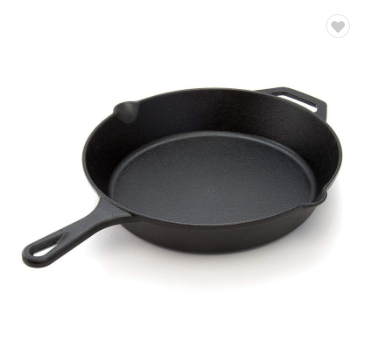
Kūʻai Kūʻai Kūʻai Kūʻai Kūʻai Kūʻai Mīkini Hoʻoheheʻe Haʻa Paʻi Paʻa/Paʻi Paʻi/Griddle me ka lima.
View More
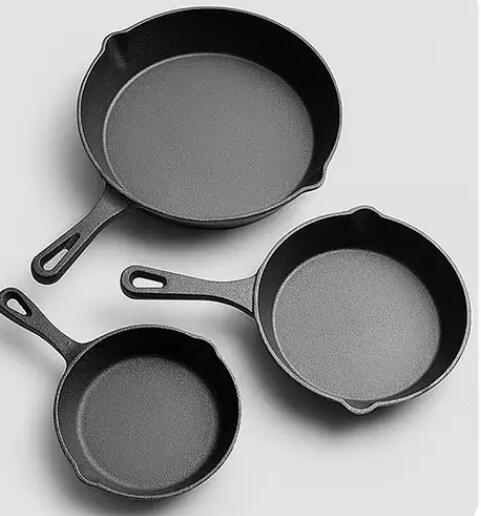
Non Stick Household Cookware Black Fry Cooking Pot Cast Iron Skilletcast iron pre-seasoned coating
View More
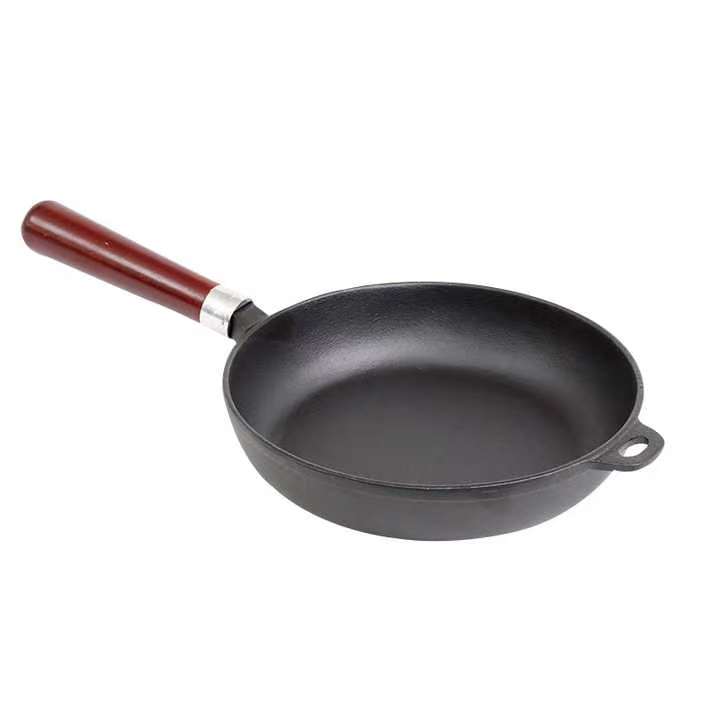
Paʻi Paʻi Puʻupuʻu Puʻupuʻu Me ka Laʻau Laau
View More
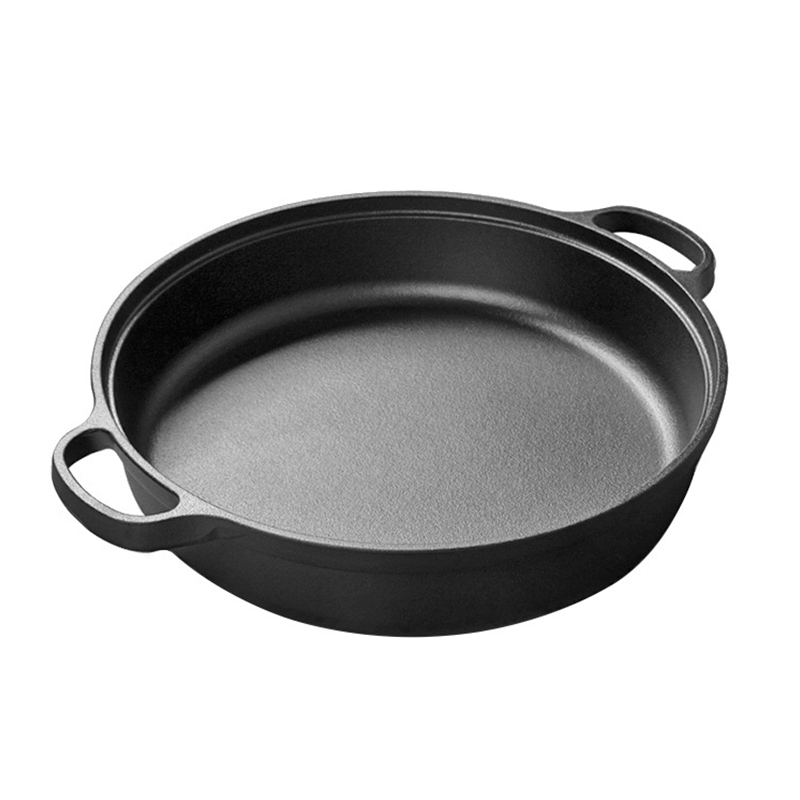
Pākē hao ʻaila ʻaila pā
View More
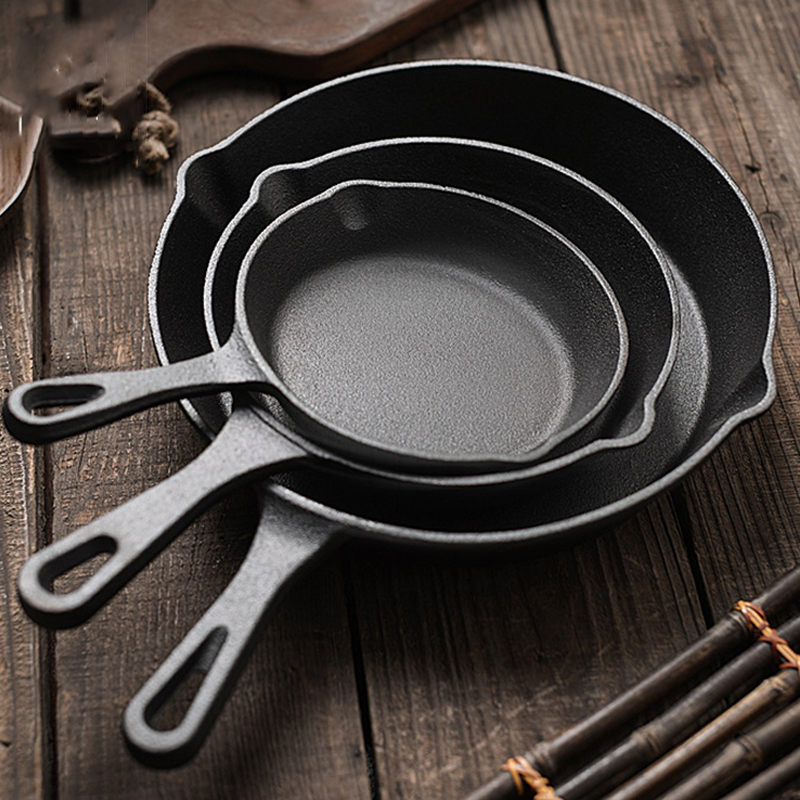
Kuki Haʻahaʻa Kūʻai Haʻahaʻa Hoʻoheheʻe ʻia ma mua o ke kau ʻana i ka Skillet Skillet
View More
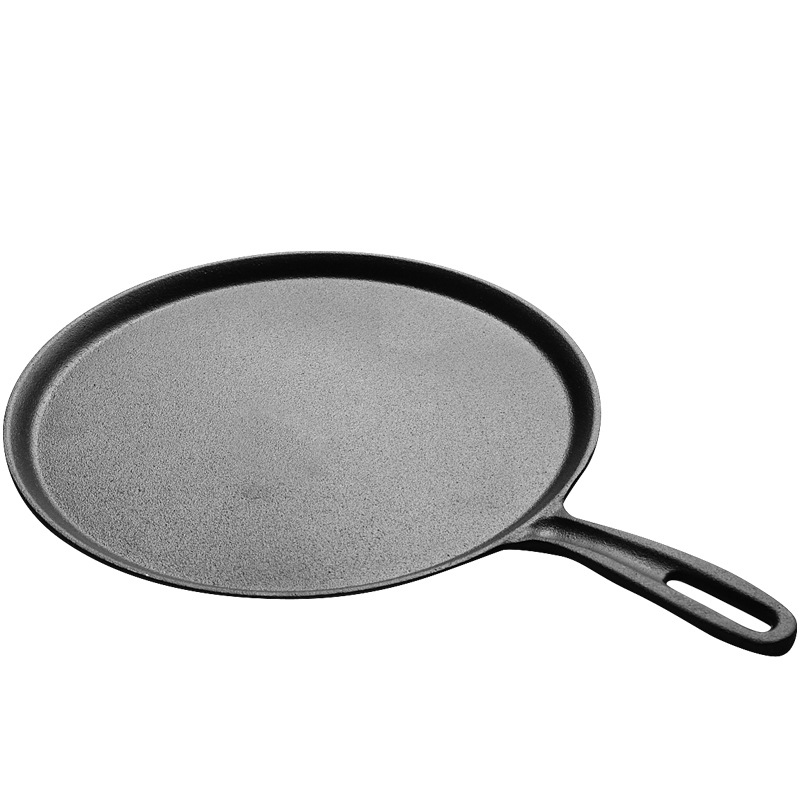
Pane Palai Pua Pua Pua Pua Pua Pua Pua Pua Pua Pua
View More
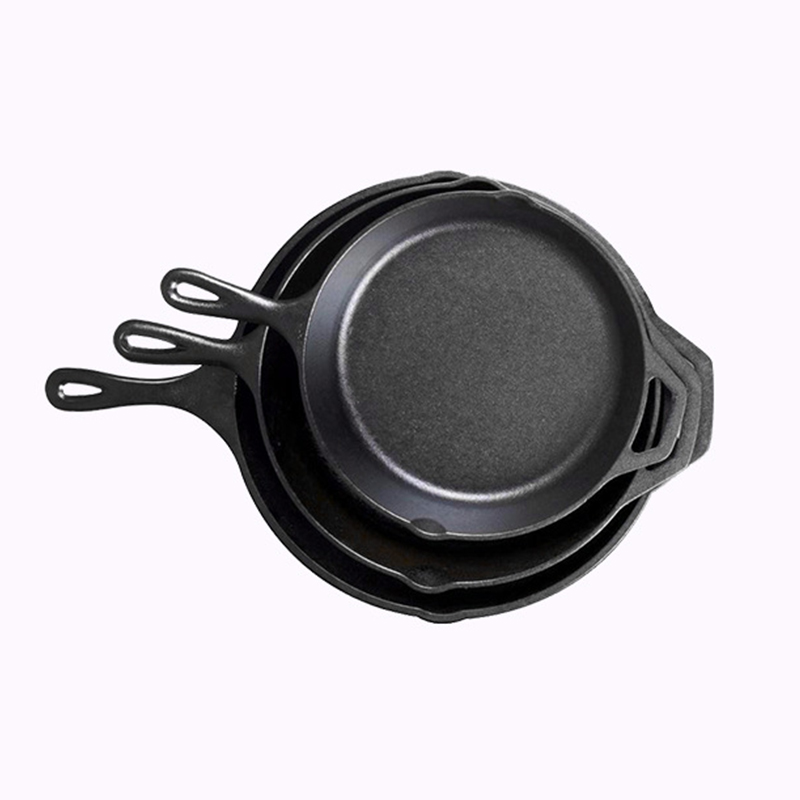
ʻO ka pā palai ʻaila ʻaila kūʻai maikaʻi loa ma Kina
View More
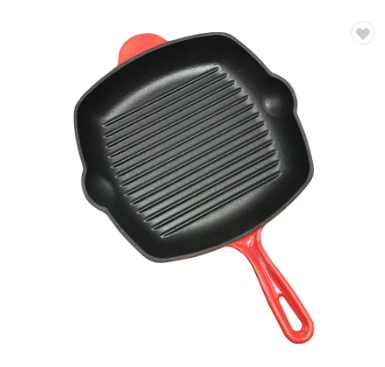
Ma'amau o waho Camping Square Enamel Cast Iron Bbq Grill Steak Pan me ka lima
View More
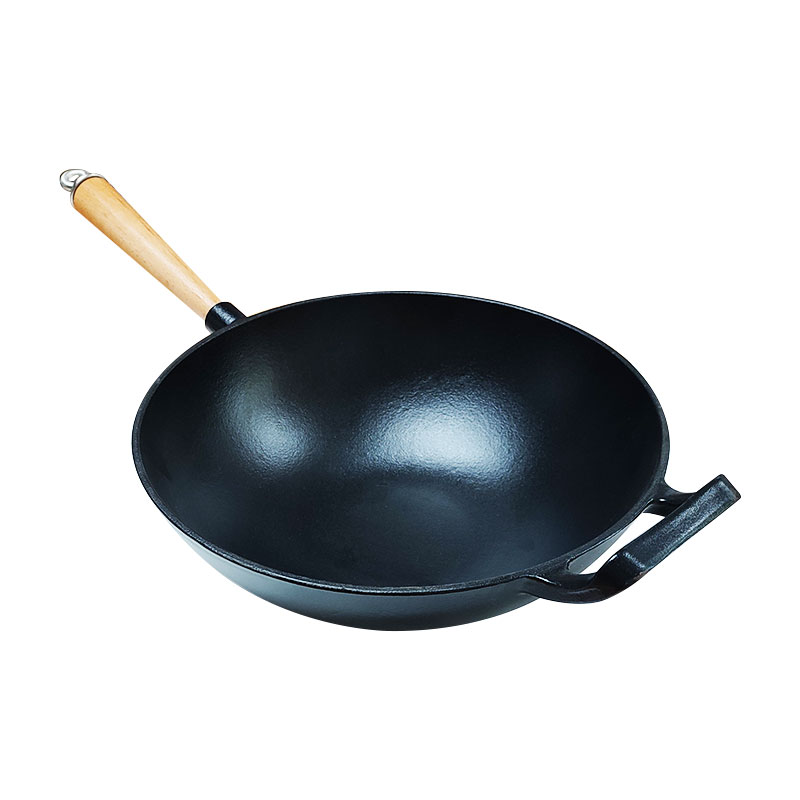
31CM Uka Uka Laau Hoolei i ka hao
View More
He aha nā mea e pale ai i ke kūʻai ʻana i ka wok?
Hiki i ke koho ʻana i ka wok kūpono ke hoʻololi nui i kāu ʻike kuke. Eia naʻe, nui nā mea kūʻai aku me ka ʻike ʻole e hāʻule i loko o nā pahele maʻamau i ke kūʻai ʻana i hoʻokahi. Eia ka mea e pale aku ai—a me ke kaawale ana o ko kakou wok hao ma ke ano he hopena maikai. Hiki ke wela koke kēia mau mea akā e hana like ʻole a nalowale ka wela e like me ka wikiwiki. Ke alakaʻi nei kēia i ka kuke ʻana a me ka "wok hei" maikaʻi ʻole. ʻO kā mākou wok hao, ʻokoʻa, mālama i ka wela a hiki i ka hoʻoulu ʻana i ka pae ʻoihana me ke ʻano maoli a me ka ʻono.
ʻAʻole hiki i ka nui o nā woks nonstick ke mālama i ka wela kiʻekiʻe a hiki ke hoʻokuʻu i nā kinikona pōʻino ke hoʻomehana ʻia. ʻAʻole kūpono kēia iā lākou no ka hoʻoulu ʻana maoli, kahi e pono ai ka kuke ʻana i ka wela wela. ʻAʻohe o kā mākou wok i uhi kemika—ʻo ka hao hoʻomaʻamaʻa maoli a i uhi ʻia i ka enamel i hoʻomaikaʻi ʻia me kēlā me kēia hoʻohana a palekana loa. ʻAʻole ʻae ʻia nā hoʻolālā pāpaʻu a pālahalaha paha i nā ʻenehana kuke kūpono. Hōʻike kā mākou wok i kahi kumu curved kuʻuna e hana ana i ka ʻike wela kūlohelohe, kūpono no ka ʻai wela kiʻekiʻe a me ka wikiwiki o ka ʻai a i ʻole ka ʻiʻo.
ʻAʻole kūpono kekahi woks carbon steel maʻamau no ka hoʻokomo ʻana a i ʻole nā kapuahi uila. ʻO kā mākou wok hao, hana naʻe ma nā kumu wela nui a pau, e like me ke kinoea, ka uila, ka ceramic, a me ka induction. Hiki ke hoʻohana ʻia i loko o ka umu no ka hoʻohui ʻana i ka versatility. Hoʻolālā ʻia kā mākou wok hao e mau no nā hanauna me ka liʻiliʻi o ka mālama. Me ka hoʻonani kūpono, hoʻomohala ia i kahi ʻili kūlohelohe maoli a ʻoi aku ka maikaʻi me ka makahiki. E koho i kahi wok hao e hāʻawi ana i ka lōʻihi, ka hana, a me nā hopena kuke maoli—e like me kā mākou.
Cast Iron Wok vs Carbon Steel
When comparing a cast iron wok vs carbon steel, most home cooks and professional chefs focus on durability, heat retention, and cooking versatility. Both materials are staples in Asian-style stir-fry cookware, but the cast iron wok pan has unique strengths that carbon steel simply cannot match. And when it comes to choosing a reliable, high-performance option, the Debien cast iron wok pan pushes these natural advantages even further through superior craftsmanship and material selection.
A traditional carbon steel wok heats up quickly, making it suitable for fast stir-frying. However, carbon steel also loses heat quickly once ingredients hit the surface, especially when cooking in larger portions. This leads to inconsistent searing, steaming instead of browning, and flavor loss. By contrast, a cast iron wok pan delivers unmatched heat retention. Once heated, cast iron remains steady and powerful, locking in high temperatures even when the pan is loaded with meat, vegetables, or liquids. This stability is the key to achieving true wok hei—those smoky flavors and crisp textures that define authentic Asian cooking.
Where Debien excels is in elevating the natural benefits of cast iron through meticulous engineering. The Debien cast iron wok pan is molded using high-precision casting technology, giving the wok a thicker, more uniform base. This not only improves heat distribution but also reduces hot spots that are common in carbon steel cookware. In addition, Debien enhances the pan with a naturally non-stick pre-seasoning layer, eliminating the heavy maintenance burden often associated with traditional cast iron. Users can enjoy a smoother surface, easier cleanup, and better food release right out of the box.
Another significant advantage of Debien’s design is structural resilience. Carbon steel woks are prone to warping under high heat, especially on modern stovetops. A cast iron wok pan, especially one manufactured with Debien’s dense casting method, maintains its shape and cooking integrity for decades. This gives it long-term stability and makes it a dependable tool for searing, deep-frying, braising, and simmering.
In short, cast iron truly outperforms carbon steel in heat retention, structural strength, and flavor development—and a Debien cast iron wok pan amplifies these strengths with modern craftsmanship, durability, and user-friendly seasoning. Whether for home kitchens or professional use, Debien’s wok offers a superior long-term cooking experience.
How to Season a Chinese Cast Iron Wok / Pan
Seasoning a Chinese cast iron wok or cast-iron wok pan is an essential step if you want to achieve that signature non-stick patina and deep, smoky flavor associated with authentic wok cooking. A well-seasoned wok not only improves performance but also protects the surface from rust, prolonging the cookware’s lifespan. The process is simple, but doing it correctly makes a big difference, especially for cast iron, which benefits from repeated oil polymerization and high-heat curing. Below is a clear, step-by-step guide to help you season your wok or pan properly and maintain it for long-term use.
Start by washing the new wok or pan thoroughly using warm water and a small amount of mild detergent. This first wash removes factory oils and residues that prevent proper seasoning. After cleaning, dry the wok completely—either by towel-drying or placing it over medium heat for a few minutes. Eliminating moisture is crucial because cast iron is highly prone to rusting whenever water is left on the surface.
Once dry, apply a very thin, even layer of high-smoke-point oil such as flaxseed oil, canola oil, or grapeseed oil. Avoid olive oil or butter, as they burn at lower temperatures and won’t create the durable polymerized coating you need. Ensure you coat the entire surface inside and out, but keep the layer extremely light; excess oil leads to sticky patches instead of a smooth finish.
Heat the wok over high heat until the oil begins to smoke. This is the moment where polymerization occurs—oil bonds with the metal, forming the protective black patina that gives a Chinese cast iron wok its signature look. Rotate and tilt the wok to ensure all sides are evenly heated. When the smoking stops, allow it to cool naturally. Repeat this oil-and-heat cycle two to three more times for optimal seasoning.
After seasoning, maintenance is straightforward: clean the wok with hot water only—no soap—and scrub with a soft brush. Dry it immediately and apply a micro-thin coat of oil before storing. Over time, with consistent cooking and proper care, your wok will develop a naturally slick, non-stick surface ideal for stir-frying, steaming, searing, and deep-frying. A well-seasoned Chinese cast iron wok becomes better the more you use it, turning into a reliable staple in your kitchen.
Cast Iron Wok Pan for High Heat Cooking — Why It Works Better
When it comes to serious high-heat cooking, few tools match the reliability and sheer performance of a cast iron wok pan. Home cooks and professionals alike appreciate how it transforms simple ingredients into restaurant-level dishes, especially when using a cast iron wok for stir-frying, searing, or deep-frying. Its distinctive material properties give it clear advantages over lightweight alternatives like carbon steel or aluminum.
First, cast iron retains heat exceptionally well. Unlike thinner metals that cool down the moment you add ingredients, a cast iron wok stays blazing hot. This stable temperature is essential for “wok hei”—that smoky, charred flavor you get only with true high-heat cooking. Because the wok does not drop in temperature, vegetables stay crisp, proteins brown quickly instead of steaming, and sauces reduce faster for deeper flavor. Anyone using a cast iron wok will immediately notice this difference in texture and taste.
Second, weight translates to even heating. Cast iron distributes heat from rim to center, eliminating the hot spots that often burn garlic or leave larger cuts of meat undercooked. This makes it a great option for Western home kitchens, where gas burners are not always powerful enough to deliver authentic stir-fry performance. With proper preheating, a cast iron wok compensates for weaker stovetops.
Another advantage comes from the natural seasoning layer that develops with repeated use. This polymerized coating creates a semi-nonstick surface that improves with time, making it easier to cook delicate ingredients and clean up afterward. The more you cook, the better it performs—something most nonstick pans can’t offer.
Many readers also consider the cast iron wok price when choosing cookware. While cast iron might cost slightly more than entry-level materials, it’s still surprisingly affordable compared to premium stainless steel. And because it lasts decades with minimal maintenance, the long-term value outweighs the upfront investment. For anyone committed to high-heat cooking techniques, the balance of price, durability, and performance makes cast iron one of the smartest choices.
In short, if you want better searing, improved heat retention, and a wok that gets better with age, a cast iron wok pan stands out as the superior tool.
ʻOi aku ka maikaʻi o ka kuke ʻana me ka hao hao?
ʻO ka kuke ʻana me ka hao hao ʻaʻole ia he kunou wale nō i ka kuʻuna—he koho noʻonoʻo no ke olakino. ʻAʻole like me nā pā nonstick i uhi ʻia i ke kemika, hāʻawi ka mea kuke i ka hao i kahi papa kuke ʻawaʻawa ʻole i hoʻomaikaʻi wale ʻia me ka hoʻohana ʻana, e lilo ia i hoʻokahi o nā koho olakino maikaʻi loa i kāu lumi kuke. ʻO kekahi o nā mea maikaʻi loa o ka hao hao, ʻo ia ka manuahi ʻole o nā uhi synthetic e like me PTFE a i ʻole PFOA, ka mea maʻamau i loaʻa i nā mea kuke nonstick. Hiki i kēia mau kemika ke hoʻokuʻu i nā toxins i nā wela kiʻekiʻe, e hōʻeha ana i nā pilikia olakino. Me ka hao hao, loaʻa iā ʻoe kahi ʻili metala maʻemaʻe ʻaʻole e hoʻokuʻu i nā mea ʻino i kāu meaʻai. I ka hala ʻana o ka manawa, hoʻomohala ka ipu hao i hoʻomaʻamaʻa maikaʻi ʻia a i ʻole ka pā. ʻO ia ke ʻano hiki iā ʻoe ke kuke me ka ʻaila liʻiliʻi, ʻoi aku ka maikaʻi no ka olakino o ka naʻau a me ka mālama ʻana i ke kaumaha - me ka ʻole o ka ʻono a i ʻole ke ʻano. Hiki i ka mea kuke hao hao ke hoʻonui i kou ʻai hao, ʻoi loa i ka wā e kuke ai i nā meaʻai ʻakika e like me nā ʻōmato a i ʻole nā kīʻaha me ka wai lemon. He mineral koʻikoʻi ka hao e kākoʻo ana i nā pae ikehu a me ke ola kino. No ka poʻe maʻalahi i ka nele o ka hao, hiki i kēia ke lilo i pōmaikaʻi hou—i hoʻohui maoli ʻia i ka kuke ʻana i kēlā me kēia lā. Hiki iā ʻoe ke ʻai i ka ʻiʻo me ka ʻole o ka puhi ʻana, hoʻomoʻi wikiwiki i nā mea kanu no ka mālama ʻana i nā meaʻai, a i ʻole ka kuke ʻana i nā stews puʻuwai lohi-ʻo nā mea āpau me ka ʻole o ka momona a i ʻole nā mea hoʻohui. Hiki i ka ipu hao hao kiʻekiʻe ke ola a ʻoi aku paha, e hōʻemi ana i ka pono o ka hoʻololi pinepine ʻana a me ka hoʻohaʻahaʻa ʻana i kou kapuaʻi kaiapuni. ʻO ka liʻiliʻi o nā pā i hoʻolei ʻia, ʻo ia hoʻi kahi honua olakino. Kākoʻo ka kuke ʻana me ka hao hao i ke ola olakino ma o ka hoʻopau ʻana i ka ʻike kemika, ka hoʻoikaika ʻana i ka mālama ʻana i nā meaʻai, hoʻemi i ka hoʻohana ʻana i ka aila, a me ka hoʻonui ʻana i kou pae hao. ʻAʻole ia he mea kuke wale nō - he kūpaʻa i ka olakino, hoʻokahi ʻai i ka manawa.
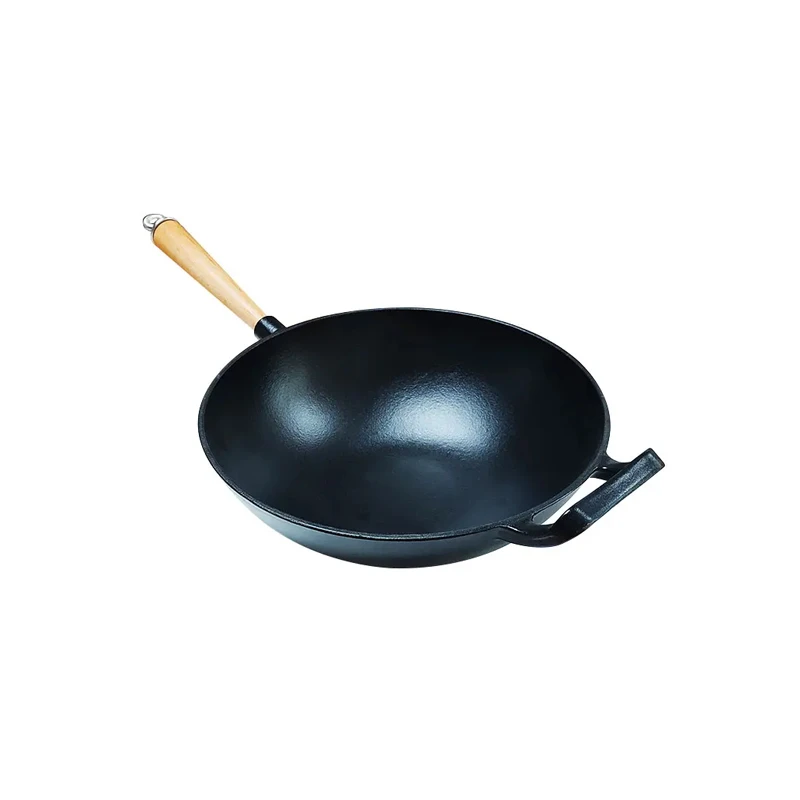
E nīnau i kēia manawa no nā Kuʻuna Mea Kuke hao
E ʻoluʻolu e hoʻopiha i ka palapala ma lalo nei a e hoʻi mai kā mākou hui iā ʻoe me ke kumu kūʻai, nā kikoʻī huahana, a me nā koho hoʻonohonoho.

Ke holomua nei ʻo Debien me ka manawa, ka hoʻomaikaʻi ʻana i nā mea hana, ke kālai nui ʻana i kā mākou brand, ka nānā ʻana i ka hoʻomohala ʻana i nā huahana kiʻekiʻe, a me ka pane ikaika ʻana i nā koi mākeke me ka noʻonoʻo.


NUI WIWIKI
KĀHEA IĀ MĀ˚OU
Ke holomua nei ʻo Debien me ka manawa, ka hoʻomaikaʻi ʻana i nā mea hana, ke kālai nui ʻana i kā mākou brand, ka nānā ʻana i ka hoʻomohala ʻana i nā huahana kiʻekiʻe, a me ka pane ikaika ʻana i nā koi mākeke me ka noʻonoʻo.
Copyright © 2026 HEBEI DEBIEN TECHNOLOGY CO., LTD. Mālama ʻia nā kuleana a pau. Sitemap | Kulekele pilikino


