



- Afrikaans
- Albanian
- Amharic
- Arabic
- Armenian
- Azerbaijani
- Basque
- Belarusian
- Bengali
- Bosnian
- Bulgarian
- Catalan
- Cebuano
- Corsican
- Croatian
- Czech
- Danish
- Dutch
- English
- Esperanto
- Estonian
- Finnish
- French
- Frisian
- Galician
- Georgian
- German
- Greek
- Gujarati
- Haitian Creole
- hausa
- hawaiian
- Hebrew
- Hindi
- Miao
- Hungarian
- Icelandic
- igbo
- Indonesian
- irish
- Italian
- Japanese
- Javanese
- Kannada
- kazakh
- Khmer
- Rwandese
- Korean
- Kurdish
- Kyrgyz
- Lao
- Latin
- Latvian
- Lithuanian
- Luxembourgish
- Macedonian
- Malgashi
- Malay
- Malayalam
- Maltese
- Maori
- Marathi
- Mongolian
- Myanmar
- Nepali
- Norwegian
- Norwegian
- Occitan
- Pashto
- Persian
- Polish
- Portuguese
- Punjabi
- Romanian
- Russian
- Samoan
- Scottish Gaelic
- Serbian
- Sesotho
- Shona
- Sindhi
- Sinhala
- Slovak
- Slovenian
- Somali
- Spanish
- Sundanese
- Swahili
- Swedish
- Tagalog
- Tajik
- Tamil
- Tatar
- Telugu
- Thai
- Turkish
- Turkmen
- Ukrainian
- Urdu
- Uighur
- Uzbek
- Vietnamese
- Welsh
- Bantu
- Yiddish
- Yoruba
Woka rino Maka


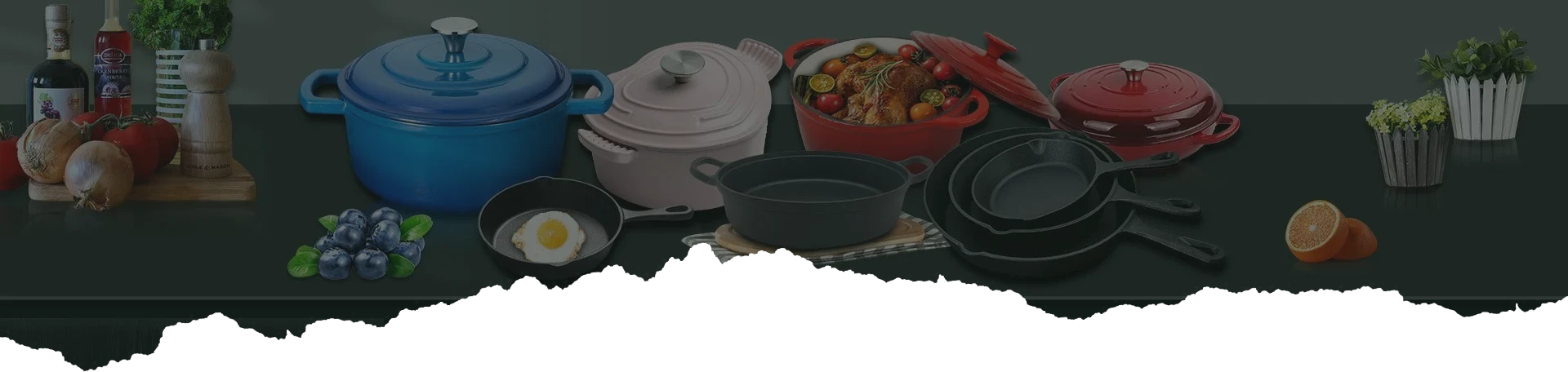
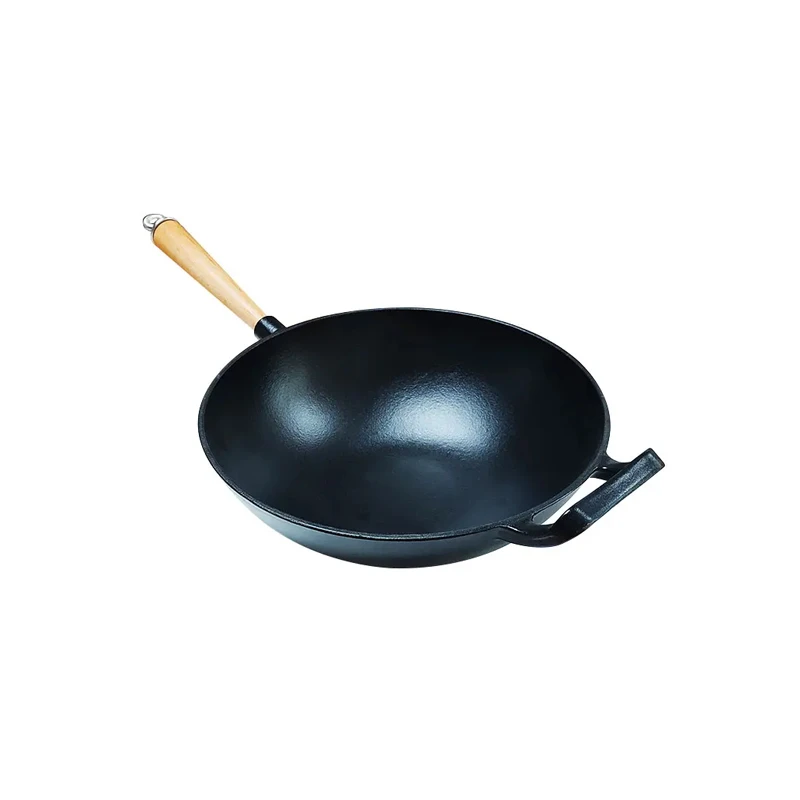
He pai te whakakotahi i nga mahi toi tuku iho me nga mahi hou, he taputapu tunu kai i roto i te kihini. Ahakoa te parai, te parai, te kohua, te tunu, te parai, te parai hohonu ranei, ka taea e ia te whakarato i te tautoko i te pāmahana teitei me te wheako tunu kai pai. He mea tino pai mo te parai tere Hainamana me nga rihi e hiahia ana ki te tiaki i te reka taketake o nga kai. Ko te kohua he tinana matotoru, ka taea te wera tere me te rite me te pupuri i te wera nui mo te wa roa. He tino pai mo nga rihi e hiahia ana kia tere te parai i runga i te wera nui, penei i te heihei Kung Pao, te mīti ranu tio, me nga pini matomato parai maroke. Kaore e taea e ia te pupuri i nga matūkai me te makuku o nga kai, engari ka whakaputa mai ano i te kakara o te hinu tunu, e whakaatu ana i te tino reka o te kai Hainamana.
Ko nga POTS rino maka he iti te hinu me te kore-rakau. I te mea e whakamahia ana mo te wa roa, ka whakaemihia he kiriata hinu, ka pai ake te whakamahi. Ka whakatauritea ki nga paraharaha kore-rakau, kaore rawa he paninga matū, he pai ake te hauora me te pai ake o te taiao, he pai mo nga kaiwhakamahi e aro ana ki te haumaru kai. Ko etahi o nga tauira he mea whakakikorua ki te paninga tohu, he maamaa ake te horoi me te tuku mo te tunu haumaru o nga kai waikawa.Ko te tinana o te kohua he mea hanga i runga i te ergonomics. He pai te ahua o te ahua o raro o te pewa mo te parai parai, ka iti ake te pakaru o nga kai. Ko te hanganga o te taringa-rua, o te kakau-roa ranei, he pai ki te neke me te riringi huawhenua. He pai mo nga momo puna wera penei i nga umu hau, nga tunu tunu, me nga umu uku hiko, ka taea hoki te whakamahi i roto i te oumu, me te tino whakatutuki i nga whakamahinga maha i roto i te kohua kotahi.
Ko te wok rino ehara i te mea he taputapu kihini mahi teitei, engari he kawe ano i te taumaha o te tikanga tunu kai tuku iho. Ko tana kakano retro e tika ana ki te ahua o te kihini o naianei, he mea whai kiko, he ahuareka hoki. He pai mo te whakamahi i nga whare o ia ra, me te hunga kaingākau ki te tunu kai me nga tohunga ngaio i roto i te umanga kai.Ko tenei wok rino rino e whakakotahi ana i te pumau o te pāmahana teitei, te mauroa me te maha o nga mahi, ka waiho hei whiringa pono mo te whakarei ake i te kounga me te reka o te tunu kai. Ahakoa he tere te parai i nga rīhi wera, te parai puhoi ranei, ka taea e te wok-rino te awhina i a koe ki te whakahaere ngawari i te wera me te hanga i nga riu kai reka.
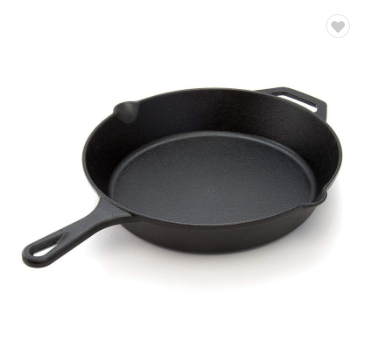
Hoko Raraunga Mahinga Tuka Mīhini Whakaweto Rino Wauwau/Pau Parai/Paihini me te Kakau
View More
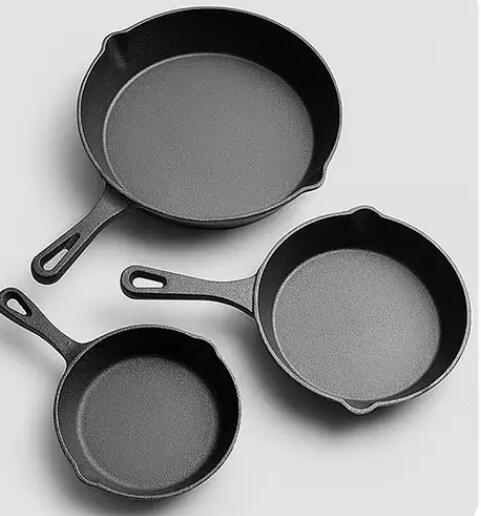
Kore Tuka Whare Parai Parai Pango Kohua Tunu Maama Te rino Skilletcast rino paninga kua oti te tau
View More
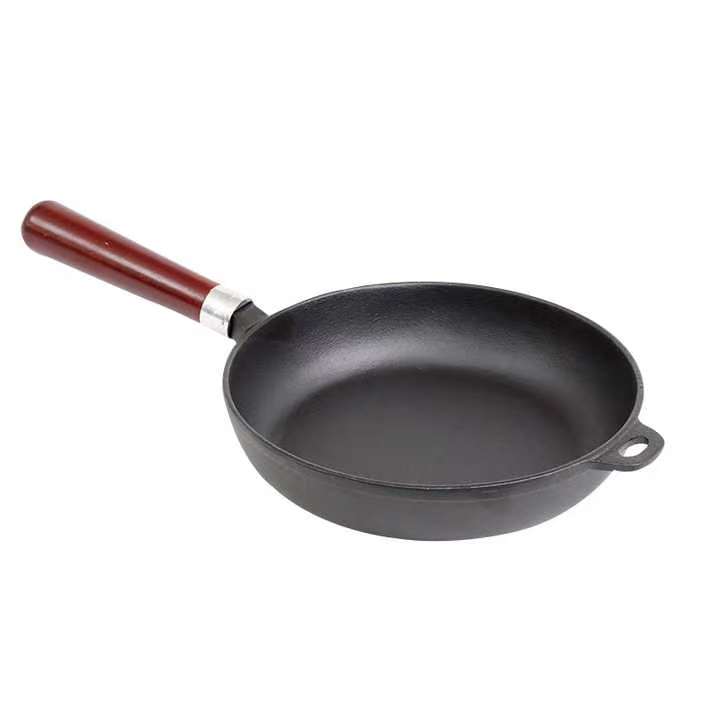
Parai parai parai parai parai ma te rino a tawhio noa me te kakau Rakau
View More
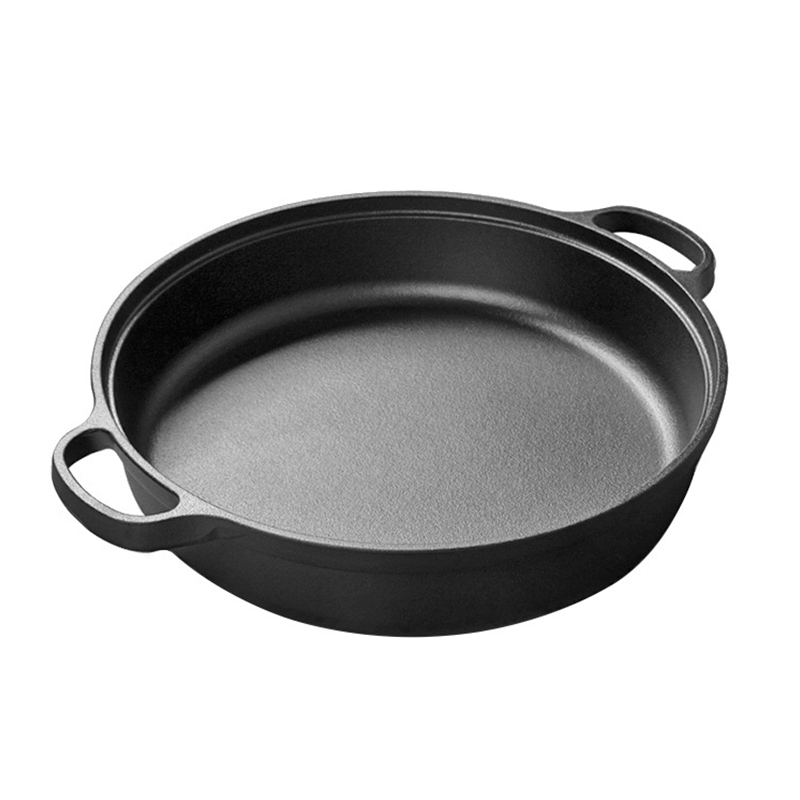
Paraharaha hinu huawhenua rino rino Hainamana
View More
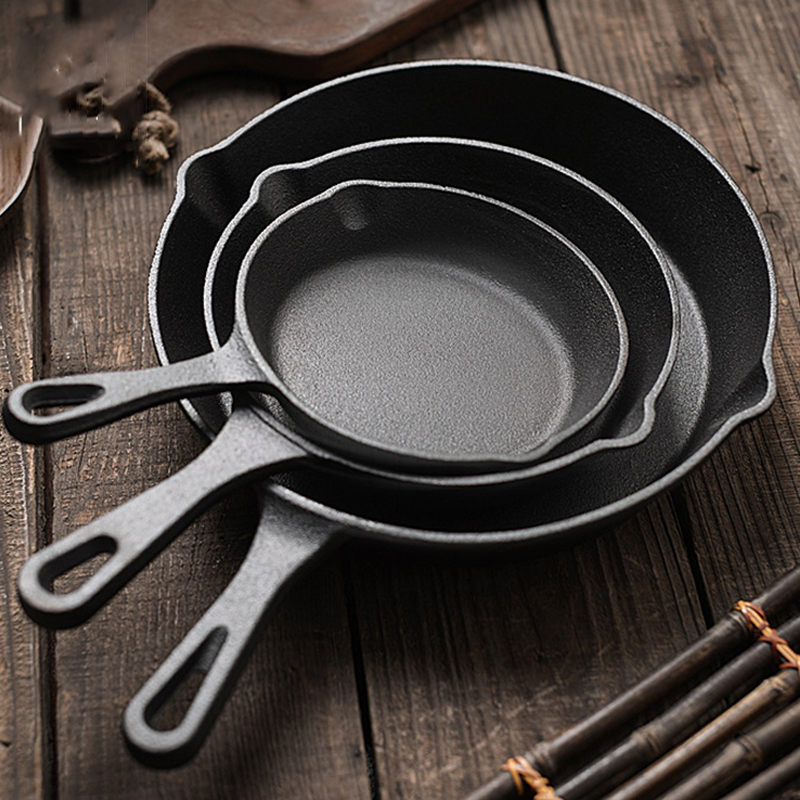
Te Utu Utu Utu Utu Utu Utu Utu I mua i te wa o mua
View More
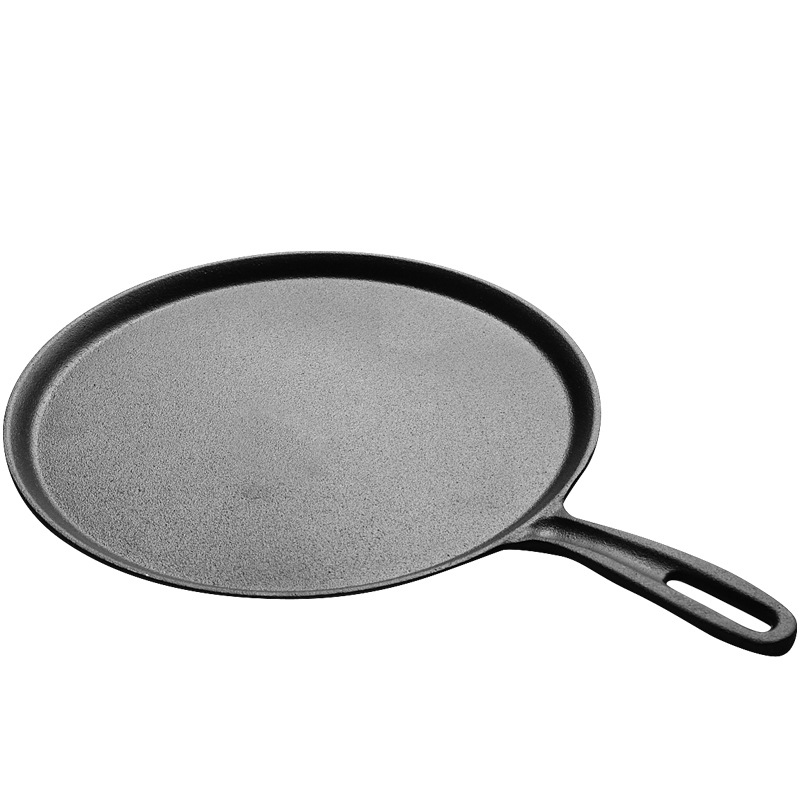
Te Kounga Teitei Ritenga Ritenga Maama rino Puuana Parai Parai Porowhita Hua Maamaa Paraharaha Papatahi
View More
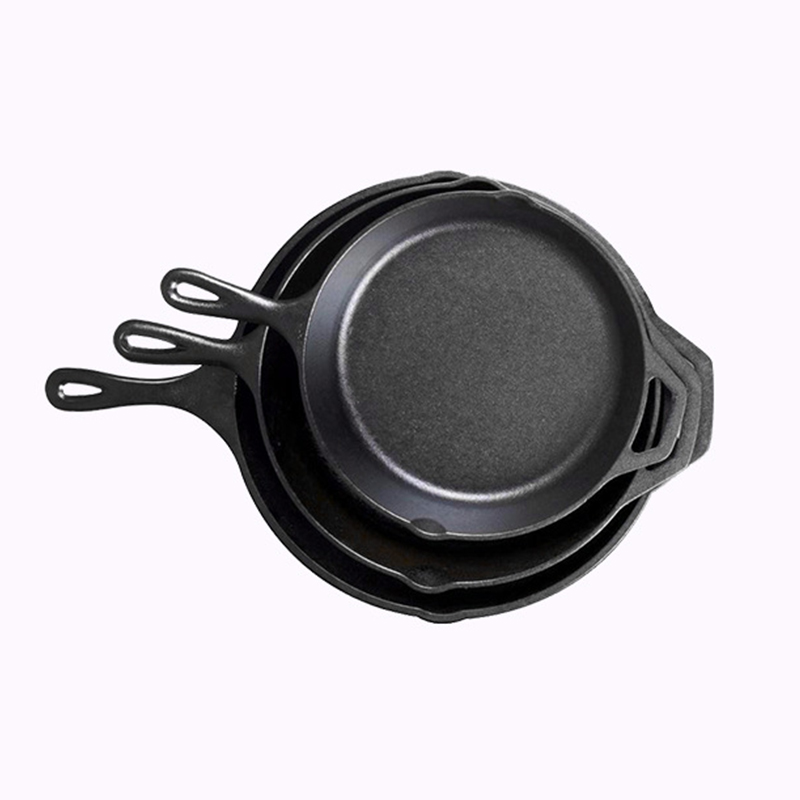
Ko te parai parai parai parai parai parai parai i Haina
View More
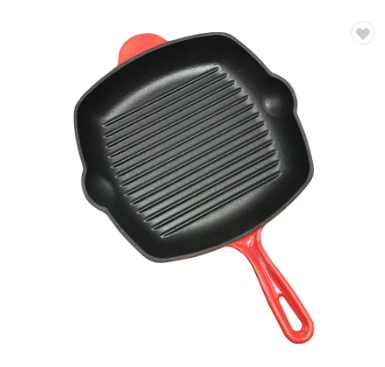
Ritenga ki waho Camping Tapawhā Inamel Maka rino Bbq tunutunu Steak Pan Me Kakau
View More
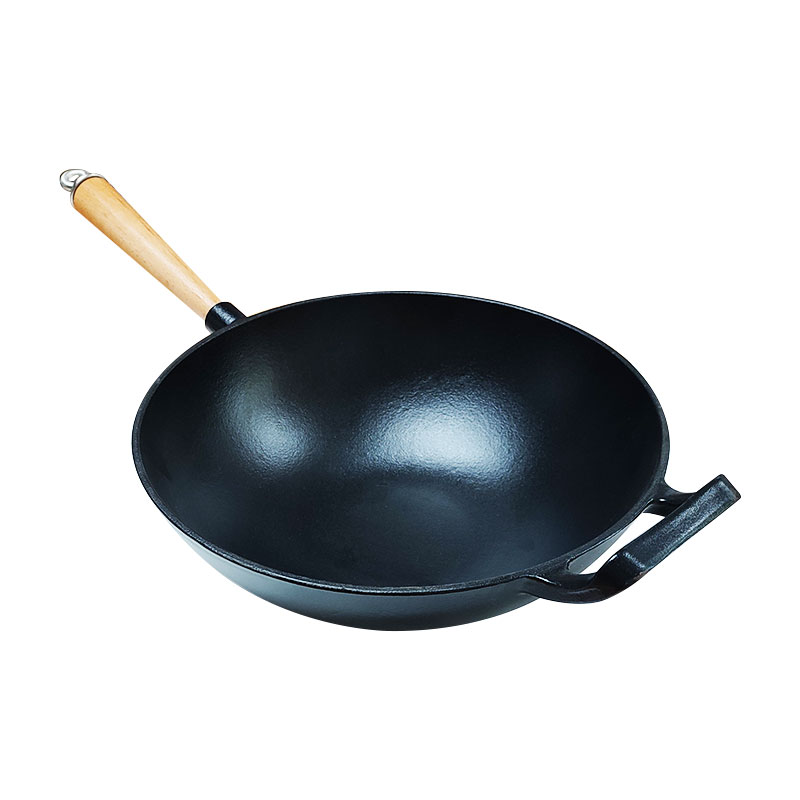
31CM Te Kakau Rakau Whakamatau i mua i te Uu Waaka Uka Maka
View More
He aha te karo ina hoko Wok?
Ko te whiriwhiri i te wok tika ka nui ake te rereketanga o to wheako tunu kai. Heoi, he maha nga kaihoko ka taka ki roto i nga mahanga noa i te wa e hoko ana i tetahi. Anei nga mea hei karo—me pehea te wehe o to tatou waaka rino hei otinga pai ake. A ape i nga wok i hanga ki te whakarewa angiangi. Ka tere te wera engari ka kore e rite, ka ngaro te wera i te tere. Ko tenei ka arai atu ki te tunu kai me te "wok hei" rawakore (te parai parai hei parai). Ko ta maatau wok rino, he rereke, ka mau tonu te wera me te tuku mo te parai parai ngaio me te kakano me te reka.
He maha nga wok kore e kaha ki te hapai i te wera nui, ka tuku matū kino ina wera rawa. Na tenei ka kore e tika mo te parai parai pono, e hiahia ana ki te tunu i te pāmahana teitei. Karekau he whakakikorua matū i roto i a matou wok—he rino maaka noa, he rino kua whakakikoruatia ki te tohu tohu e pai ake ana i ia whakamahinga me te tino haumaru. Me hohonu te ahua o te wok, he porotaka kia pai ai te maka o nga kai me te whakahaere i nga rohe wera. Ko nga hoahoa papaku, papatahi ranei, kaore e taea te hanga tikanga tunu kai tika. Ko ta matou wok he turanga kopiko tawhito e hanga ana i te kukū o te wera taiao, he pai mo te wera wera me te tere o nga huawhenua me nga kai.
Ko etahi waro waro waro tawhito kaore e pai mo te whakaurunga, mo nga umu hiko ranei. Heoi, ko ta maatau wok rino, ka mahi i runga i nga puna wera nui katoa, tae atu ki te hau, te hiko, te uku, me te whakauru. Ka taea hoki te whakamahi i roto i te oumu kia pai ake ai. He maha nga wa ka weriweri, he waikura, ka ngaro wawe nga taonga kore rakau. Ko ta maatau wok rino i hangaia kia mau mo nga whakatipuranga me te iti o te tiaki. Ma te whakamaarama tika, ka tupu te mata kore-piri, ka pai ake i te wa o te pakeketanga. A ape i nga wok he maamaa, he paninga matū, he kino te hanga. Kōwhiria he wok rino e tuku ana i te mauroa, te mahi, me nga hua tunu kai pono—penei i a maatau.
Cast Iron Wok vs Carbon Steel
When comparing a cast iron wok vs carbon steel, most home cooks and professional chefs focus on durability, heat retention, and cooking versatility. Both materials are staples in Asian-style stir-fry cookware, but the cast iron wok pan has unique strengths that carbon steel simply cannot match. And when it comes to choosing a reliable, high-performance option, the Debien cast iron wok pan pushes these natural advantages even further through superior craftsmanship and material selection.
A traditional carbon steel wok heats up quickly, making it suitable for fast stir-frying. However, carbon steel also loses heat quickly once ingredients hit the surface, especially when cooking in larger portions. This leads to inconsistent searing, steaming instead of browning, and flavor loss. By contrast, a cast iron wok pan delivers unmatched heat retention. Once heated, cast iron remains steady and powerful, locking in high temperatures even when the pan is loaded with meat, vegetables, or liquids. This stability is the key to achieving true wok hei—those smoky flavors and crisp textures that define authentic Asian cooking.
Where Debien excels is in elevating the natural benefits of cast iron through meticulous engineering. The Debien cast iron wok pan is molded using high-precision casting technology, giving the wok a thicker, more uniform base. This not only improves heat distribution but also reduces hot spots that are common in carbon steel cookware. In addition, Debien enhances the pan with a naturally non-stick pre-seasoning layer, eliminating the heavy maintenance burden often associated with traditional cast iron. Users can enjoy a smoother surface, easier cleanup, and better food release right out of the box.
Another significant advantage of Debien’s design is structural resilience. Carbon steel woks are prone to warping under high heat, especially on modern stovetops. A cast iron wok pan, especially one manufactured with Debien’s dense casting method, maintains its shape and cooking integrity for decades. This gives it long-term stability and makes it a dependable tool for searing, deep-frying, braising, and simmering.
In short, cast iron truly outperforms carbon steel in heat retention, structural strength, and flavor development—and a Debien cast iron wok pan amplifies these strengths with modern craftsmanship, durability, and user-friendly seasoning. Whether for home kitchens or professional use, Debien’s wok offers a superior long-term cooking experience.
How to Season a Chinese Cast Iron Wok / Pan
Seasoning a Chinese cast iron wok or cast-iron wok pan is an essential step if you want to achieve that signature non-stick patina and deep, smoky flavor associated with authentic wok cooking. A well-seasoned wok not only improves performance but also protects the surface from rust, prolonging the cookware’s lifespan. The process is simple, but doing it correctly makes a big difference, especially for cast iron, which benefits from repeated oil polymerization and high-heat curing. Below is a clear, step-by-step guide to help you season your wok or pan properly and maintain it for long-term use.
Start by washing the new wok or pan thoroughly using warm water and a small amount of mild detergent. This first wash removes factory oils and residues that prevent proper seasoning. After cleaning, dry the wok completely—either by towel-drying or placing it over medium heat for a few minutes. Eliminating moisture is crucial because cast iron is highly prone to rusting whenever water is left on the surface.
Once dry, apply a very thin, even layer of high-smoke-point oil such as flaxseed oil, canola oil, or grapeseed oil. Avoid olive oil or butter, as they burn at lower temperatures and won’t create the durable polymerized coating you need. Ensure you coat the entire surface inside and out, but keep the layer extremely light; excess oil leads to sticky patches instead of a smooth finish.
Heat the wok over high heat until the oil begins to smoke. This is the moment where polymerization occurs—oil bonds with the metal, forming the protective black patina that gives a Chinese cast iron wok its signature look. Rotate and tilt the wok to ensure all sides are evenly heated. When the smoking stops, allow it to cool naturally. Repeat this oil-and-heat cycle two to three more times for optimal seasoning.
After seasoning, maintenance is straightforward: clean the wok with hot water only—no soap—and scrub with a soft brush. Dry it immediately and apply a micro-thin coat of oil before storing. Over time, with consistent cooking and proper care, your wok will develop a naturally slick, non-stick surface ideal for stir-frying, steaming, searing, and deep-frying. A well-seasoned Chinese cast iron wok becomes better the more you use it, turning into a reliable staple in your kitchen.
Cast Iron Wok Pan for High Heat Cooking — Why It Works Better
When it comes to serious high-heat cooking, few tools match the reliability and sheer performance of a cast iron wok pan. Home cooks and professionals alike appreciate how it transforms simple ingredients into restaurant-level dishes, especially when using a cast iron wok for stir-frying, searing, or deep-frying. Its distinctive material properties give it clear advantages over lightweight alternatives like carbon steel or aluminum.
First, cast iron retains heat exceptionally well. Unlike thinner metals that cool down the moment you add ingredients, a cast iron wok stays blazing hot. This stable temperature is essential for “wok hei”—that smoky, charred flavor you get only with true high-heat cooking. Because the wok does not drop in temperature, vegetables stay crisp, proteins brown quickly instead of steaming, and sauces reduce faster for deeper flavor. Anyone using a cast iron wok will immediately notice this difference in texture and taste.
Second, weight translates to even heating. Cast iron distributes heat from rim to center, eliminating the hot spots that often burn garlic or leave larger cuts of meat undercooked. This makes it a great option for Western home kitchens, where gas burners are not always powerful enough to deliver authentic stir-fry performance. With proper preheating, a cast iron wok compensates for weaker stovetops.
Another advantage comes from the natural seasoning layer that develops with repeated use. This polymerized coating creates a semi-nonstick surface that improves with time, making it easier to cook delicate ingredients and clean up afterward. The more you cook, the better it performs—something most nonstick pans can’t offer.
Many readers also consider the cast iron wok price when choosing cookware. While cast iron might cost slightly more than entry-level materials, it’s still surprisingly affordable compared to premium stainless steel. And because it lasts decades with minimal maintenance, the long-term value outweighs the upfront investment. For anyone committed to high-heat cooking techniques, the balance of price, durability, and performance makes cast iron one of the smartest choices.
In short, if you want better searing, improved heat retention, and a wok that gets better with age, a cast iron wok pan stands out as the superior tool.
He pai ake te tunu kai me te rino maka?
Ko te tunu kai ma te rino karekau i te tangi noa ki nga tikanga tuku iho—he mea mohio ano, he pai te whiriwhiri hauora. Kaore i te rite ki nga paraharaha kore-piri kua whakakikoruatia matū, ko te tunu kai rino he tuku i te papa tunu kai kore paitini ka pai ake ma te whakamahi, na reira ko tetahi o nga whiringa hauora i roto i to kihini. Ko tetahi o nga painga nui o te rino ko te kore rawa o nga paninga waihanga penei i te PTFE, i te PFOA ranei, ka kitea i roto i nga taputapu tunu kai kore rakau. Ka taea e enei matū te tuku paitini i te wera nui, ka raru pea te hauora. Ma te rino maka, ka whiwhi koe i te mata whakarewa parakore e kore e werohia nga matū kino ki roto i to kai. I te roanga o te wa, ka hangaia e te kohua rino, te paraharaha ranei, he paninga kore matū kore matū. Ko te tikanga ka taea e koe te tunu me te iti o te hinu, he pai ake mo te hauora o te ngakau me te whakahaere taumaha—kahore he mea kakara, he kakano ranei. Ka taea e te tunu kai rino te whakanui ake i to kai rino, ina koa ka tunu kai waikawa penei i te tōmato me te rīhi me te wai rēmana. Ko te rino he kohuke tino nui hei tautoko i nga taumata o te kaha me te hauora aukati. Mo te hunga karekau he rino, he painga taapiri tenei—ka uru ki roto i te tunu kai o ia ra. Na te mea ka mau te rino me te tohatoha i te wera, ka taea e koe te tunu kai kia tino tika, kia pai ake. Ka taea e koe te tunu kai me te kore e tahuna, te parai tere i nga huawhenua hei pupuri i nga matūkai, te tunu puhoi ranei i nga hupa ngakau—katoa me te kore e hiahiatia he ngako taapiri, he taapiri ranei. Ko te hauora ehara i te mea kei runga noa i to pereti—he pumau tonu. Ka taea e te kohua rino-kounga teitei te noho mo te wa roa, neke atu ranei, ka whakaiti i te hiahia ki te whakakapi auau me te whakaheke i to tapuwae taiao. He iti ake nga paraharaha kua makahia he aorangi pai ake. Ko te tunu kai me te rino ka tautoko i te oranga pai ake ma te whakakore i te rongo matū, te akiaki i te pupuri matūkai, te whakaiti i te whakamahi hinu, me te whakanui ake i to taumata rino. Ehara i te mea mo te tunu kai—he u tonu ki te oranga, kotahi te kai i te wa kotahi.
Uiui Inaianei mo nga utu mo te tunu tunu rino
Tena koa Whakakiia te Puka i raro iho nei, a ka hoki mai ta matou roopu ki a koe me te utu, nga taipitopito hua, me nga whiringa whakaritenga.

Kei te anga whakamua a Debien me te wa, e whakahou ana i nga taputapu, e whakairo ana i to maatau tohu, e aro ana ki te whakawhanake i nga hua teitei, me te kaha ki te whakautu ki nga tono a te maakete me te mahi auaha.


NGA LINKO Tere
WHAKAPAKI MAI
Kei te anga whakamua a Debien me te wa, e whakahou ana i nga taputapu, e whakairo ana i to maatau tohu, e aro ana ki te whakawhanake i nga hua teitei, me te kaha ki te whakautu ki nga tono a te maakete me te mahi auaha.
Copyright © 2026 HEBEI DEBIEN TECHNOLOGY CO., LTD. Katoa nga Motika. Sitemap | Kaupapahere Tūmataiti


