



- Afrikaans
- Albanian
- Amharic
- Arabic
- Armenian
- Azerbaijani
- Basque
- Belarusian
- Bengali
- Bosnian
- Bulgarian
- Catalan
- Cebuano
- Corsican
- Croatian
- Czech
- Danish
- Dutch
- English
- Esperanto
- Estonian
- Finnish
- French
- Frisian
- Galician
- Georgian
- German
- Greek
- Gujarati
- Haitian Creole
- hausa
- hawaiian
- Hebrew
- Hindi
- Miao
- Hungarian
- Icelandic
- igbo
- Indonesian
- irish
- Italian
- Japanese
- Javanese
- Kannada
- kazakh
- Khmer
- Rwandese
- Korean
- Kurdish
- Kyrgyz
- Lao
- Latin
- Latvian
- Lithuanian
- Luxembourgish
- Macedonian
- Malgashi
- Malay
- Malayalam
- Maltese
- Maori
- Marathi
- Mongolian
- Myanmar
- Nepali
- Norwegian
- Norwegian
- Occitan
- Pashto
- Persian
- Polish
- Portuguese
- Punjabi
- Romanian
- Russian
- Samoan
- Scottish Gaelic
- Serbian
- Sesotho
- Shona
- Sindhi
- Sinhala
- Slovak
- Slovenian
- Somali
- Spanish
- Sundanese
- Swahili
- Swedish
- Tagalog
- Tajik
- Tamil
- Tatar
- Telugu
- Thai
- Turkish
- Turkmen
- Ukrainian
- Urdu
- Uighur
- Uzbek
- Vietnamese
- Welsh
- Bantu
- Yiddish
- Yoruba
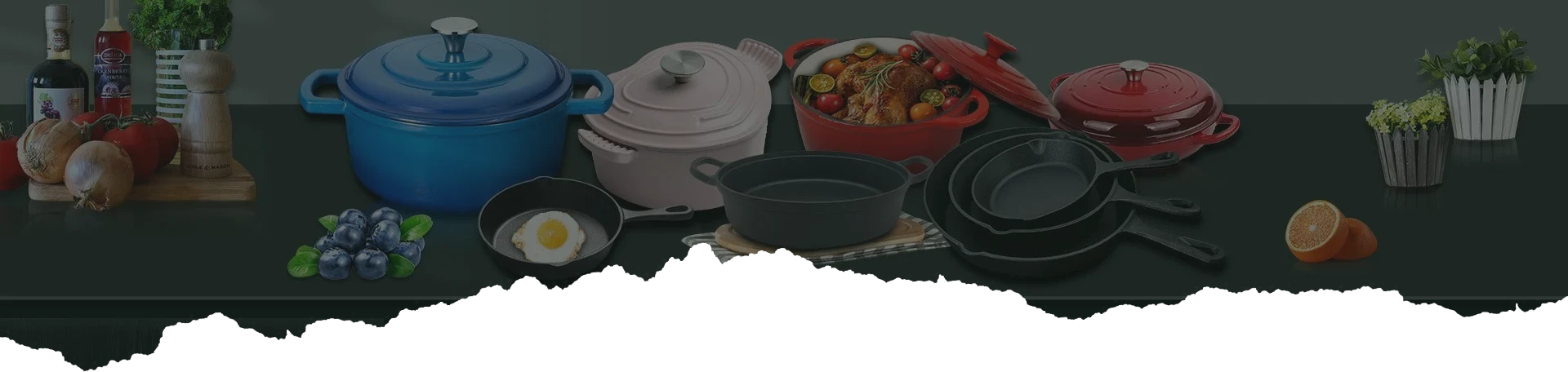
Cast Iron Wok


Iyi cast iron wok inosanganisa hunyanzvi hwechinyakare nemabasa emazuva ano uye chinhu chakakosha chekubika mukicheni. Kungave kubvongodza, pani-kukacha, kubika, kubikira, kubvongodza kana kudzika-kukasira, zvinogona kupa tsigiro yakatsiga yepamusoro-tembiricha uye chiitiko chakanakisa chekubika. Inonyanya kukodzera kuChinese inokurumidza kubvongodza-frying uye ndiro dzinoda kuchengetedza kunhuhwirira kwepakutanga kwezvigadzirwa.Iyo yakanakisisa yekupisa kupisa uye kushanda kwekuchengetedza kupisa ndiyo inonyanya kukosha yekukanda iron wok. Poto ine muviri wakakora, unogona kupisa nekukurumidza uye zvakaenzana uye kuchengetedza kupisa kwakanyanya kwenguva yakareba. Yakanyatsokodzera madhishi anoda kukurumidza kubvongodzwa pakupisa kukuru, sehuku yeKung Pao, oyster sauce yemombe, uye bhinzi dzakaomeswa dzakakangwa. Haikwanise chete kuchengetedza zvinovaka muviri uye mwando wezvikafu, asi zvakare kuburitsa kunhuhwirira kwemafuta ekubikisa, kuunza kunhuhwirira kwechokwadi kweChinese cuisine.
Cast iron POTS ine hunhu hwekuve yakaderera muoiri uye isina-tsvimbo. Sezvo vachishandiswa kwenguva yakareba, firimu remafuta rinounganidza, zvichiita kuti zvive nyore uye zviri nyore kushandisa. Kuenzaniswa nemapani asina-tsvimbo, haina chemikemikari yekuputira zvachose, ine hutano uye inoshamwaridzana nemhoteredzo, uye yakakodzera kune vashandisi vanoteerera kuchengetedza kwekudya. Mimwe mienzaniso yakashongedzerwa neamel coating, iyo iri nyore kuchenesa uye inobvumira kubika kwakachengeteka kweasidhi zvinoshandiswa.Muviri wehari wakagadzirwa maererano ne ergonomics. Iyo arc-yakaita yakadzika yepasi chimiro yakanakira kukuchidzira-kukacha uye izvo zvinongedzo hazvigone kupfapfaidza. Iyo miviri-nzeve kana refu-mubato chimiro inoita kuti zvive nyore kufamba uye kudurura miriwo. Inokodzera kwakasiyana siyana kupisa sosi sechitofu chegasi, induction cookers, uye emagetsi ceramic zvitofu, uye inogona kutoshandiswa muchoto, inonyatso kuwana akawanda kushandiswa mupoto imwe.
Iyo yakakandwa simbi wok haingori yepamusoro-inoshanda kitchenware, asi zvakare inotakura huremu hwechinyakare kubika tsika. Yayo retro mameseji inoenderana neyazvino kicheni dhizaini, ichiita zvese zvinoshanda uye zvinoyevedza zvinofadza. Inokodzera kushandiswa kwezuva nezuva kwemhuri pamwe chete nekubika vanofarira uye nyanzvi mumhizha yekubika.Iyi yakakandwa iron wok inosanganisa kugadzikana kwepamusoro-kupisa, kusimba uye kushanda kwakawanda, zvichiita kuti ive sarudzo yakavimbika yekuwedzera kunaka uye kunaka kwekubika. Kungave kukurumidza kubvongodza ndiro dzinopisa kana kunonoka kuibva, wok-iron wok inogona kukubatsira kudzora kupisa zviri nyore uye kugadzira ndiro dzinonaka dzehunyanzvi.
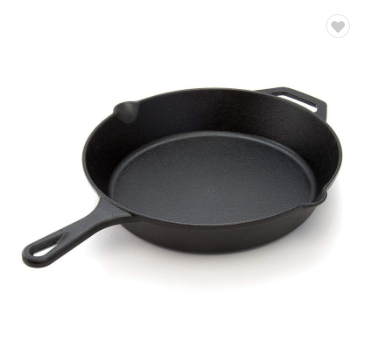
Wholesale Pre-Seasoned Cookware Mini Cast Iron Skillet/Frying Pan/Griddle With Handle
View More
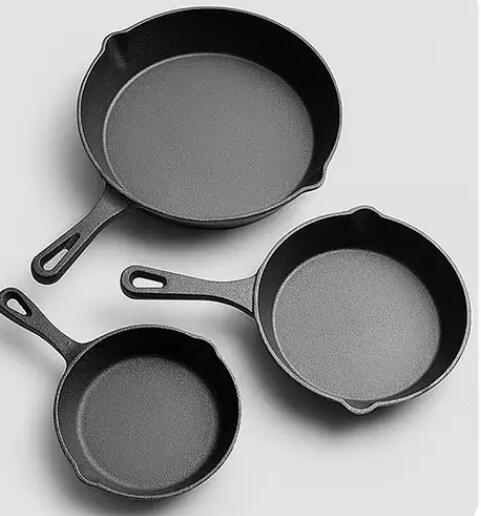
Non Stick Household Cookware Black Fry Cooking Pot Cast Iron Skilletcast iron pre-seasoned coating
View More
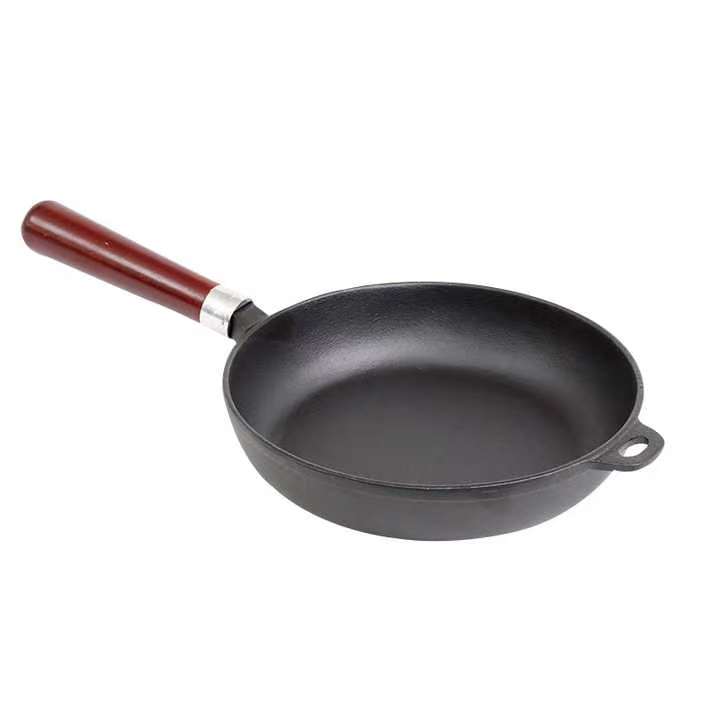
Pre-Seasoned Cast Iron Round Skillet Fry Pan With Wooden Handle
View More
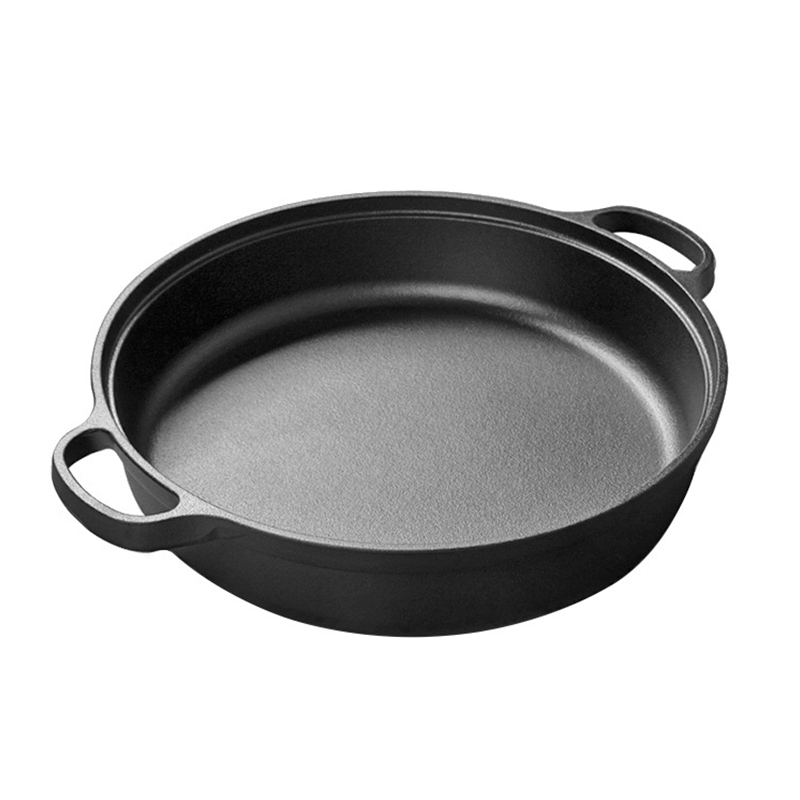
Chinese cast iron vegetable oil pan
View More
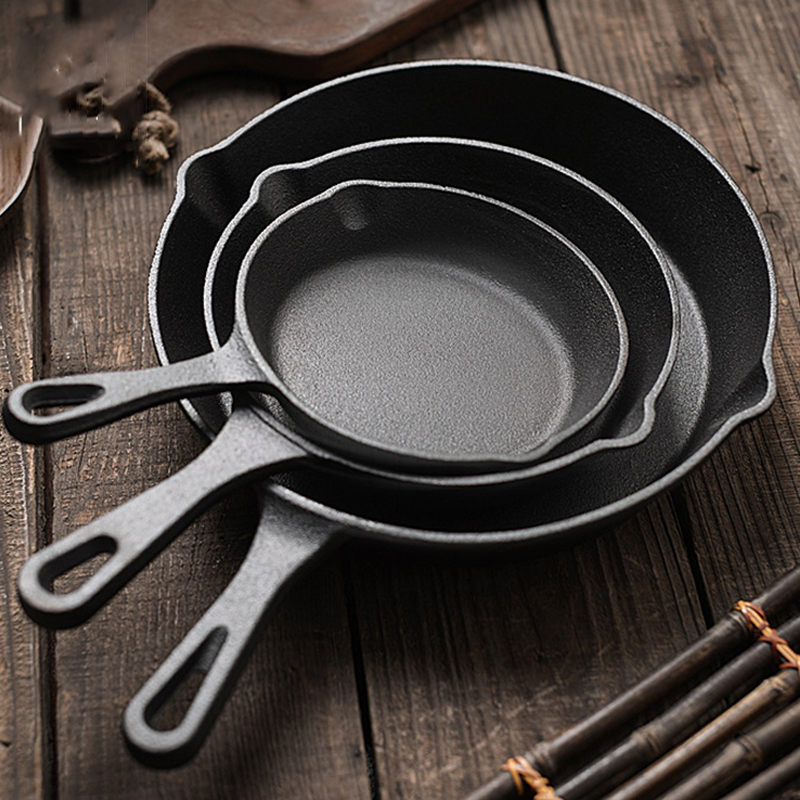
Premium Low Price Cast Iron Pre-Seasoned Coated Skillet Skillet
View More
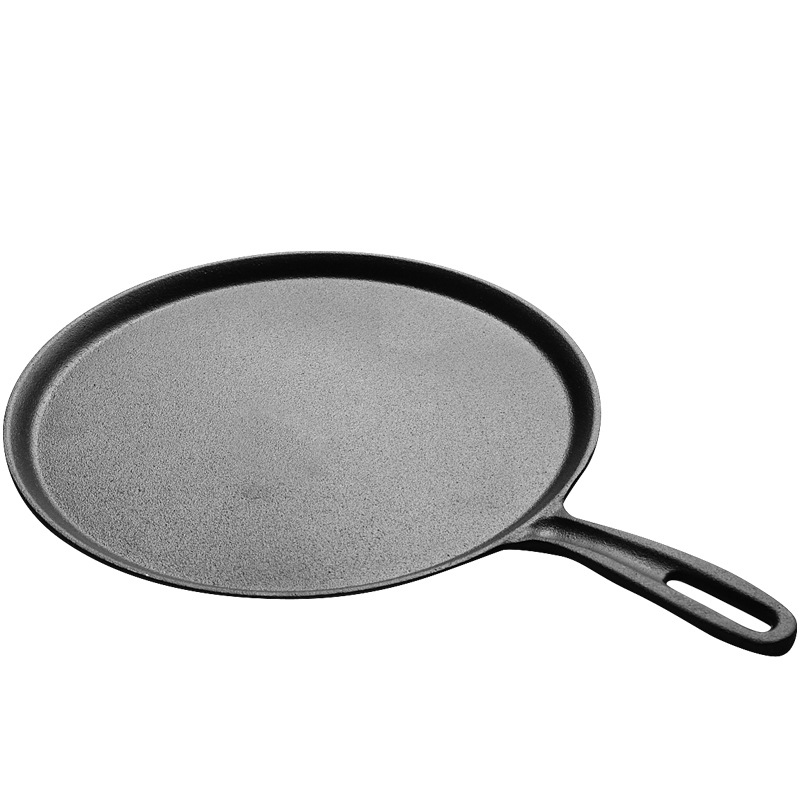
High Quality Custom Metal Cast Iron Skillet Frying Pans Round Simple Eggs Flat Pan
View More
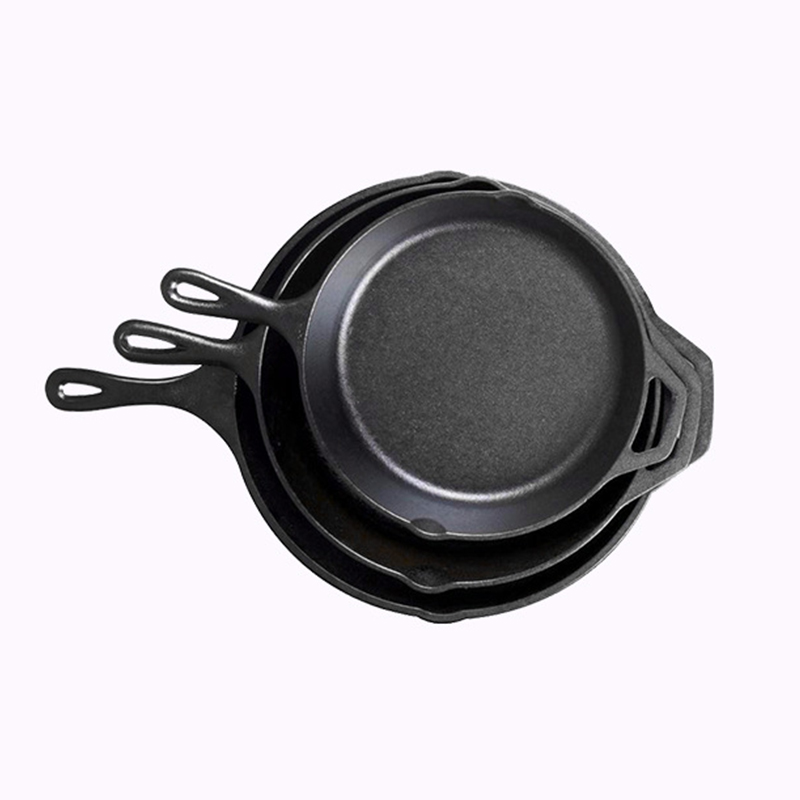
China’s best-selling cast iron vegetable oil frying pan
View More
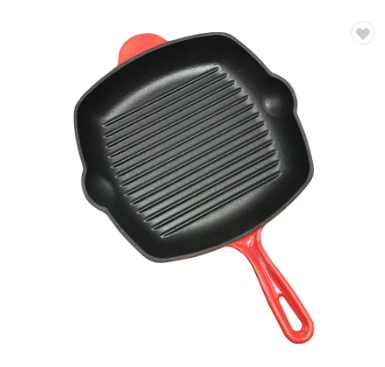
Custom Outdoor Camping Square Enamel Cast Iron Bbq Grill Steak Pan With Handle
View More
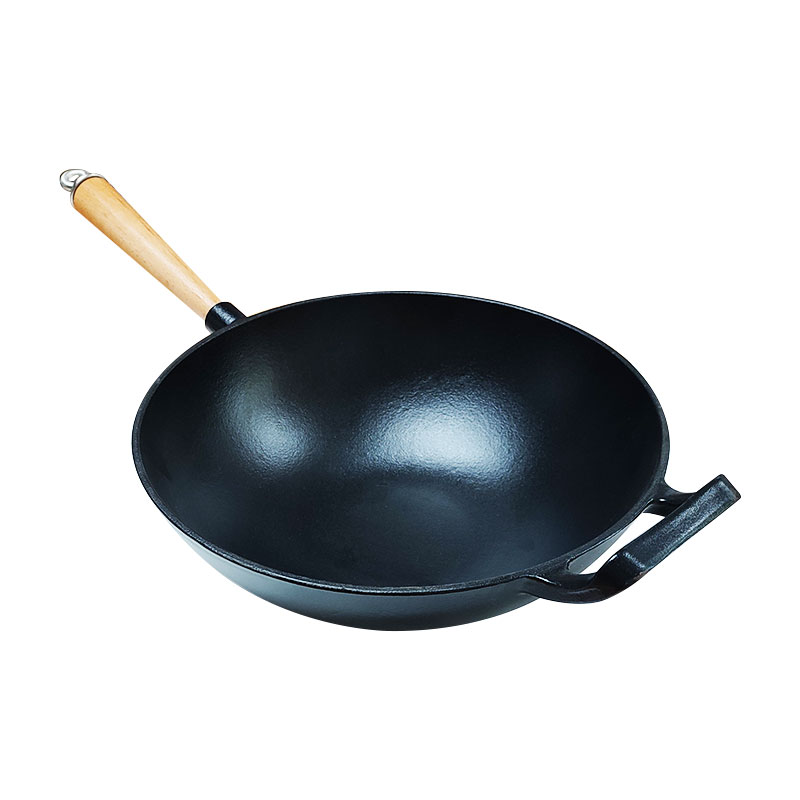
31CM Pre-yakaiswa Huni Bata Kukandira Iron Cookware Wok
View More
Chii Chekudzivirira Kana Uchitenga Wok?
Kusarudza wok chaiyo kunogona kuita mutsauko wakakura muchiitiko chako chekubika. Zvisinei, vatengi vakawanda vanowira mumisungo isingazivikanwi pavanotenga imwe. Hezvino zvekudzivisa—uye kuti wok yedu yesimbi inomira sei yakaparadzana semhinduro iri nani.Dzivisa mawokisi akagadzirwa nesimbi yakatetepa. Izvi zvinogona kupisa nekukurumidza asi zvoita zvisina kuenzana uye kurasikirwa nekupisa nekukurumidza. Izvi zvinotungamirira kukubika kusingawirirani uye kushayiwa "wok hei" (iyo inosvuta sear inokosha kumutsa-fry). Yedu cast iron wok, nekupesana, inochengeta kupisa zvakaenzana uye inobvumira kune nyanzvi-level kubvongodza-kukacha ine echokwadi manyorerwo uye flavour.
Mawoki mazhinji asingabatike haakwanise kubata kupisa kwakanyanya uye anogona kuburitsa makemikari anokuvadza kana anyanya kupisa. Izvi zvinoita kuti dzisakodzere kubvongodza-frying, izvo zvinoda kubikwa kwekupisa. Wok yedu haina makemikoro ekuputira-angori neruko kana enamel-yakavharwa simbi yakakandwa inovandudzwa nekushandiswa kwese uye yakachengeteka zvachose. Wok inofanira kuva yakadzika, yakatenderedzwa chimiro kufambisa zvinhu zvinokandira uye kutonga nzvimbo dzekupisa. Madhizaini asina kudzika kana akadzikama haatenderi maitiro ekubika chaiwo. Yedu wok inoratidzira yechinyakare yakakomberedzwa base iyo inogadzira yakasikwa yekupisa, yakanakira kupisa-kupisa uye nekukasira miriwo kana nyama yekukandira.
Mamwe echinyakare kabhoni simbi woks haana kukodzera induction kana electric stovetops. Yedu cast iron wok, zvisinei, inoshanda pane ese makuru ekupisa masosi, kusanganisira gasi, magetsi, ceramic, uye induction. Inogona kutoshandiswa muchoto kuti iwedzere kushandiswa kwakasiyana-siyana. Mawokisi akachipa anowanzo kuchinjika, ngura, kana kurasikirwa nemaitiro adzo nekukasira. Yedu yakakandwa iron wok yakagadzirirwa kugara kwezvizvarwa nekushomeka kwekugadzirisa. Nekurunga kwakafanira, inoita kuti pasave netsvimbo uye inova nani nezera.Dzivisa mawoki akarebesa, akavharwa nemakemikari, kana kuti asina kuumbwa zvakanaka. Sarudza yakakandwa simbi wok inopa kusimba, kuita, uye yechokwadi yekubika mibairo-seyedu.
Cast Iron Wok vs Carbon Steel
When comparing a cast iron wok vs carbon steel, most home cooks and professional chefs focus on durability, heat retention, and cooking versatility. Both materials are staples in Asian-style stir-fry cookware, but the cast iron wok pan has unique strengths that carbon steel simply cannot match. And when it comes to choosing a reliable, high-performance option, the Debien cast iron wok pan pushes these natural advantages even further through superior craftsmanship and material selection.
A traditional carbon steel wok heats up quickly, making it suitable for fast stir-frying. However, carbon steel also loses heat quickly once ingredients hit the surface, especially when cooking in larger portions. This leads to inconsistent searing, steaming instead of browning, and flavor loss. By contrast, a cast iron wok pan delivers unmatched heat retention. Once heated, cast iron remains steady and powerful, locking in high temperatures even when the pan is loaded with meat, vegetables, or liquids. This stability is the key to achieving true wok hei—those smoky flavors and crisp textures that define authentic Asian cooking.
Where Debien excels is in elevating the natural benefits of cast iron through meticulous engineering. The Debien cast iron wok pan is molded using high-precision casting technology, giving the wok a thicker, more uniform base. This not only improves heat distribution but also reduces hot spots that are common in carbon steel cookware. In addition, Debien enhances the pan with a naturally non-stick pre-seasoning layer, eliminating the heavy maintenance burden often associated with traditional cast iron. Users can enjoy a smoother surface, easier cleanup, and better food release right out of the box.
Another significant advantage of Debien’s design is structural resilience. Carbon steel woks are prone to warping under high heat, especially on modern stovetops. A cast iron wok pan, especially one manufactured with Debien’s dense casting method, maintains its shape and cooking integrity for decades. This gives it long-term stability and makes it a dependable tool for searing, deep-frying, braising, and simmering.
In short, cast iron truly outperforms carbon steel in heat retention, structural strength, and flavor development—and a Debien cast iron wok pan amplifies these strengths with modern craftsmanship, durability, and user-friendly seasoning. Whether for home kitchens or professional use, Debien’s wok offers a superior long-term cooking experience.
How to Season a Chinese Cast Iron Wok / Pan
Seasoning a Chinese cast iron wok or cast-iron wok pan is an essential step if you want to achieve that signature non-stick patina and deep, smoky flavor associated with authentic wok cooking. A well-seasoned wok not only improves performance but also protects the surface from rust, prolonging the cookware’s lifespan. The process is simple, but doing it correctly makes a big difference, especially for cast iron, which benefits from repeated oil polymerization and high-heat curing. Below is a clear, step-by-step guide to help you season your wok or pan properly and maintain it for long-term use.
Start by washing the new wok or pan thoroughly using warm water and a small amount of mild detergent. This first wash removes factory oils and residues that prevent proper seasoning. After cleaning, dry the wok completely—either by towel-drying or placing it over medium heat for a few minutes. Eliminating moisture is crucial because cast iron is highly prone to rusting whenever water is left on the surface.
Once dry, apply a very thin, even layer of high-smoke-point oil such as flaxseed oil, canola oil, or grapeseed oil. Avoid olive oil or butter, as they burn at lower temperatures and won’t create the durable polymerized coating you need. Ensure you coat the entire surface inside and out, but keep the layer extremely light; excess oil leads to sticky patches instead of a smooth finish.
Heat the wok over high heat until the oil begins to smoke. This is the moment where polymerization occurs—oil bonds with the metal, forming the protective black patina that gives a Chinese cast iron wok its signature look. Rotate and tilt the wok to ensure all sides are evenly heated. When the smoking stops, allow it to cool naturally. Repeat this oil-and-heat cycle two to three more times for optimal seasoning.
After seasoning, maintenance is straightforward: clean the wok with hot water only—no soap—and scrub with a soft brush. Dry it immediately and apply a micro-thin coat of oil before storing. Over time, with consistent cooking and proper care, your wok will develop a naturally slick, non-stick surface ideal for stir-frying, steaming, searing, and deep-frying. A well-seasoned Chinese cast iron wok becomes better the more you use it, turning into a reliable staple in your kitchen.
Cast Iron Wok Pan for High Heat Cooking — Why It Works Better
When it comes to serious high-heat cooking, few tools match the reliability and sheer performance of a cast iron wok pan. Home cooks and professionals alike appreciate how it transforms simple ingredients into restaurant-level dishes, especially when using a cast iron wok for stir-frying, searing, or deep-frying. Its distinctive material properties give it clear advantages over lightweight alternatives like carbon steel or aluminum.
First, cast iron retains heat exceptionally well. Unlike thinner metals that cool down the moment you add ingredients, a cast iron wok stays blazing hot. This stable temperature is essential for “wok hei”—that smoky, charred flavor you get only with true high-heat cooking. Because the wok does not drop in temperature, vegetables stay crisp, proteins brown quickly instead of steaming, and sauces reduce faster for deeper flavor. Anyone using a cast iron wok will immediately notice this difference in texture and taste.
Second, weight translates to even heating. Cast iron distributes heat from rim to center, eliminating the hot spots that often burn garlic or leave larger cuts of meat undercooked. This makes it a great option for Western home kitchens, where gas burners are not always powerful enough to deliver authentic stir-fry performance. With proper preheating, a cast iron wok compensates for weaker stovetops.
Another advantage comes from the natural seasoning layer that develops with repeated use. This polymerized coating creates a semi-nonstick surface that improves with time, making it easier to cook delicate ingredients and clean up afterward. The more you cook, the better it performs—something most nonstick pans can’t offer.
Many readers also consider the cast iron wok price when choosing cookware. While cast iron might cost slightly more than entry-level materials, it’s still surprisingly affordable compared to premium stainless steel. And because it lasts decades with minimal maintenance, the long-term value outweighs the upfront investment. For anyone committed to high-heat cooking techniques, the balance of price, durability, and performance makes cast iron one of the smartest choices.
In short, if you want better searing, improved heat retention, and a wok that gets better with age, a cast iron wok pan stands out as the superior tool.
Zvine Hutano Kubika NeCast Iron?
Kubika nesimbi yakakandwa hakusi kungogutsurira kutsika - zvakare isarudzo yakangwara, ine hutano. Kusiyana nemakemikari akavharidzirwa nonstick pani, cast iron cookware inopa yakasikwa isiri-chepfu yekubikira nzvimbo inongovandudza nekushandiswa, ichiita imwe yesarudzo dzine hutano mukicheni yako. Imwe yemabhenefiti makuru esimbi yakakandwa ndeyekuti haina zvachose machira ekugadzira sePTFE kana PFOA, ayo anowanzo kuwanikwa mune nonstick cookware. Makemikari aya anogona kuburitsa chepfu pakupisa kwakanyanya, zvichiunza njodzi dzinogona kuitika pahutano. Nesimbi yakakandwa, unowana simbi yakachena isinga pinza zvinhu zvinokuvadza muchikafu chako. Nekufamba kwenguva, poto yesimbi yakarungwa zvakanaka kana pani inogadzira yakasikwa, isina kemikari yekunamira isina tsvimbo. Izvi zvinoreva kuti iwe unogona kubika nemafuta mashoma, izvo zviri nani kune hutano hwemoyo uye uremu manejimendi-pasina kupa zvibayiro zvinonaka kana kugadzirwa. Cast iron cookware inogona kunyatso wedzera kudya kwako kwesimbi, kunyanya kana uchibika chikafu chine acid sematomatisi kana ndiro dzine muto weremoni. Iron chinhu chakakosha chicherwa chinotsigira mazinga esimba uye hutano hwekudzivirira zvirwere. Kune vanhu vanotarisana nekushayikwa kwesimbi, izvi zvinogona kuva rubatsiro rwakawedzerwa-zvakasikwa zvakabatanidzwa mukubika kwezuva nezuva.Nekuti simbi yakakandwa inobata uye inoparadzira kupisa zvakaenzana, inokubvumira kubika zvokudya zvakanyatsonaka uye zvakanyatsonaka. Iwe unogona kutsvaga nyama pasina kupisa, kusveta-fry miriwo nekukurumidza kuti uchengetedze zvinovaka muviri, kana kunonoka-kubika-kubikira-kubikira-zvese usingade mamwe mafuta kana additives.Hutano haungori nezve izvo zviri mundiro yako-ihwo zvakare nezvekuchengetedza. Poto yesimbi yemhando yepamusoro inogona kugara kwehupenyu hwese kana kupfuura, ichideredza kudiwa kwekudzokororwa nguva nenguva uye kudzikisa tsoka yako yezvakatipoteredza. Mapani mashoma akaraswa zvinoreva pasi rine hutano zvakare. Kubika nesimbi yakakandwa kunotsigira mararamiro ane hutano nekubvisa kuratidzwa kwekemikari, kukurudzira kuchengetedzwa kwezvinovaka muviri, kuderedza kushandiswa kweoiri, uye kunyange kukwidziridza simbi yako zvakasununguka. Haisi chete cookware - kuzvipira kune hutano, kudya kumwe panguva.
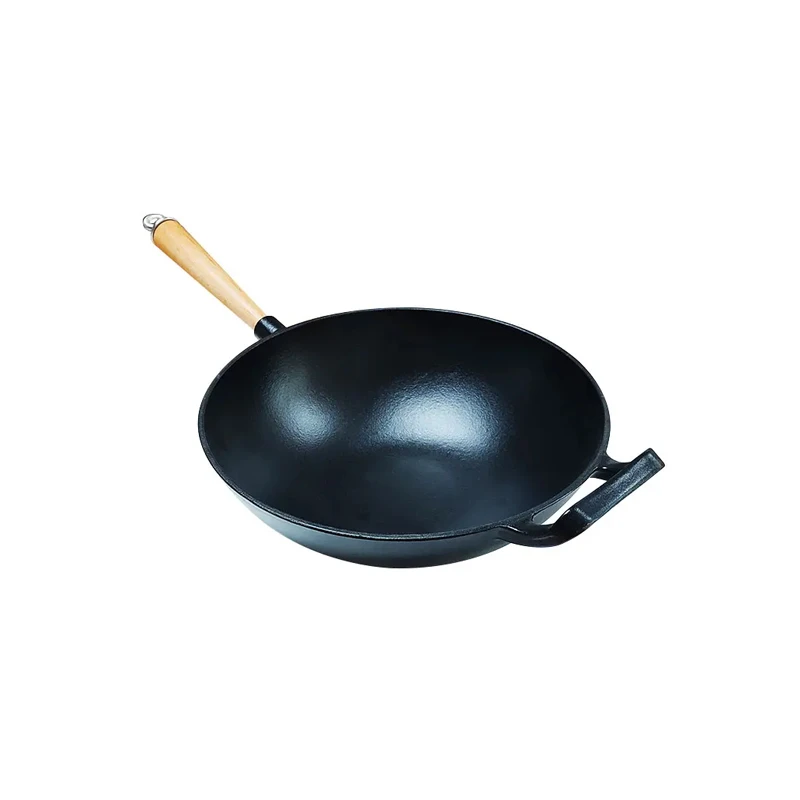
Bvunza Ikozvino kune Cast Iron Cookware Deals
Ndokumbira Zadza Fomu Pazasi Uye Chikwata Chedu Chichadzoka Kwauri Nemitengo, Ruzivo rwechigadzirwa, uye Sarudzo dzeKugadzirisa.

Debien is advancing with time, updating equipment, elaborately carving out our brand, focusing on developing high-end products, and actively responding to market demands with creativity.


QUICK LINKS
CONTACT US
Debien is advancing with time, updating equipment, elaborately carving out our brand, focusing on developing high-end products, and actively responding to market demands with creativity.
Copyright © 2026 HEBEI DEBIEN TECHNOLOGY CO., LTD. All Rights Reserved. Sitemap | Privacy Policy


