



- Afrikaans
- Albanian
- Amharic
- Arabic
- Armenian
- Azerbaijani
- Basque
- Belarusian
- Bengali
- Bosnian
- Bulgarian
- Catalan
- Cebuano
- Corsican
- Croatian
- Czech
- Danish
- Dutch
- English
- Esperanto
- Estonian
- Finnish
- French
- Frisian
- Galician
- Georgian
- German
- Greek
- Gujarati
- Haitian Creole
- hausa
- hawaiian
- Hebrew
- Hindi
- Miao
- Hungarian
- Icelandic
- igbo
- Indonesian
- irish
- Italian
- Japanese
- Javanese
- Kannada
- kazakh
- Khmer
- Rwandese
- Korean
- Kurdish
- Kyrgyz
- Lao
- Latin
- Latvian
- Lithuanian
- Luxembourgish
- Macedonian
- Malgashi
- Malay
- Malayalam
- Maltese
- Maori
- Marathi
- Mongolian
- Myanmar
- Nepali
- Norwegian
- Norwegian
- Occitan
- Pashto
- Persian
- Polish
- Portuguese
- Punjabi
- Romanian
- Russian
- Samoan
- Scottish Gaelic
- Serbian
- Sesotho
- Shona
- Sindhi
- Sinhala
- Slovak
- Slovenian
- Somali
- Spanish
- Sundanese
- Swahili
- Swedish
- Tagalog
- Tajik
- Tamil
- Tatar
- Telugu
- Thai
- Turkish
- Turkmen
- Ukrainian
- Urdu
- Uighur
- Uzbek
- Vietnamese
- Welsh
- Bantu
- Yiddish
- Yoruba
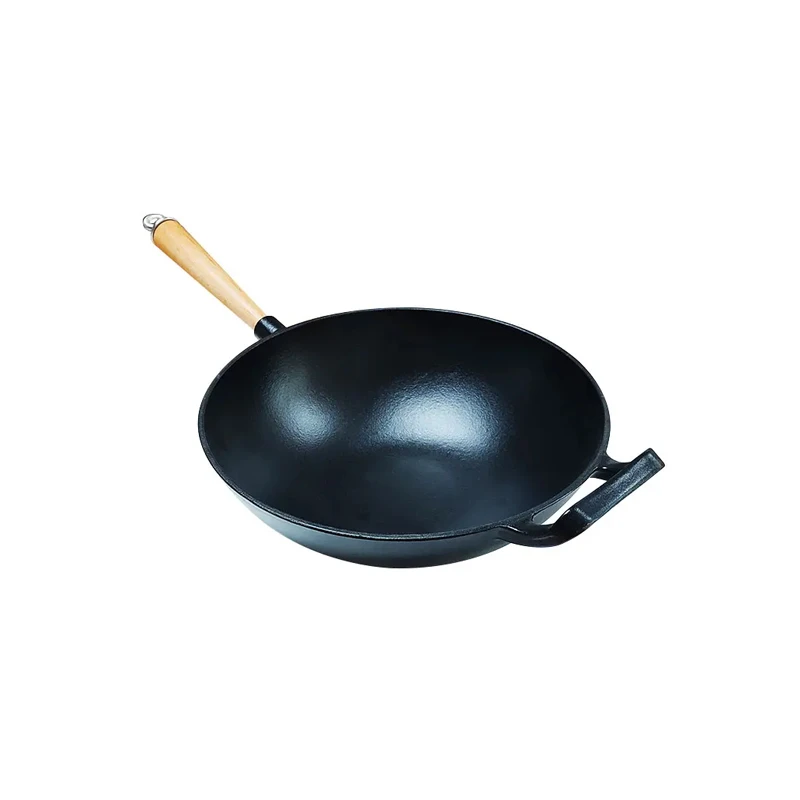
Simẹnti Iron Wok


Simẹnti irin wok ni pipe daapọ iṣẹ-ọnà ibile pẹlu awọn iṣẹ ode oni ati pe o jẹ irinṣẹ sise pataki ni ibi idana ounjẹ. Boya aruwo-frying, pan-frying, farabale, stewing, braising tabi jin-frying, o le pese atilẹyin iwọn otutu iduroṣinṣin ati iriri sise to dara julọ. O ti wa ni paapa dara fun Chinese awọn ọna aruwo-frying ati awọn awopọ ti o nilo lati se itoju awọn atilẹba adun ti awọn eroja.The o tayọ ooru conduction ati ooru ipamọ išẹ jẹ awọn ti o tobi anfani ti simẹnti irin wok. Ikoko naa ni ara ti o nipọn, eyiti o le gbona ni kiakia ati paapaa ati ṣetọju iwọn otutu ti o ga fun igba pipẹ. O dara pupọ fun awọn ounjẹ ti o nilo didin ni iyara lori ooru giga, gẹgẹbi adie Kung Pao, ẹran ọbẹ oyinbo gigei, ati awọn ewa alawọ ewe ti o gbẹ. Ko le ṣe idaduro awọn ounjẹ ati ọrinrin ti awọn eroja nikan ni imunadoko, ṣugbọn tun mu oorun didun ti epo sise, ṣafihan adun otitọ ti onjewiwa Kannada.
Awọn ikoko irin simẹnti nipa ti ara ni iwa ti ko kere ninu epo ati ti kii ṣe igi. Bi wọn ṣe nlo fun igba pipẹ, fiimu epo kan ṣajọpọ, ṣiṣe wọn siwaju ati siwaju sii rọrun lati lo. Ti a bawe pẹlu awọn pans ti kii ṣe ọpá, ko ni awọn ohun elo kemikali rara, ni ilera ati ore ayika, ati pe o dara fun awọn olumulo ti o san ifojusi si aabo ounje. Diẹ ninu awọn awoṣe ti wa ni ipese pẹlu ideri enamel, eyiti o rọrun lati nu ati ki o gba laaye fun sise ailewu ti awọn eroja ekikan. A ṣe apẹrẹ ara ikoko ni ibamu pẹlu ergonomics. Apẹrẹ isalẹ ti o jinlẹ ti arc jẹ rọrun fun didin-frying ati awọn eroja ko ṣeeṣe lati tan. Eti-meji tabi ọna imudani gigun jẹ ki o rọrun lati gbe ati tú ẹfọ. O dara fun ọpọlọpọ awọn orisun igbona gẹgẹbi awọn adiro gaasi, awọn ounjẹ induction, ati awọn adiro seramiki ina, ati pe o le ṣee lo paapaa ninu adiro, nitootọ ni aṣeyọri awọn lilo pupọ ninu ikoko kan.
Simẹnti irin wok kii ṣe ohun elo ibi idana ti o ni iṣẹ giga nikan, ṣugbọn tun gbe iwuwo ti aṣa sise ibile. Sojurigindin retro ni ibamu si ara ibi idana ounjẹ ode oni ni pipe, jẹ mejeeji ilowo ati itẹlọrun darapupo. O dara fun lilo ile lojoojumọ bakanna fun awọn alarinrin sise ati awọn akosemose ni ile-iṣẹ ounjẹ.Ti simẹnti irin wok yii darapọ iduroṣinṣin iwọn otutu, agbara ati iṣẹ-ọpọlọpọ, ṣiṣe ni yiyan ti o gbẹkẹle fun imudara didara ati adun ti sise. Boya o jẹ didin-din ni iyara ti awọn ounjẹ gbona tabi didin lọra, wok-irin wok le ṣe iranlọwọ fun ọ ni irọrun ṣakoso ooru ati ṣẹda awọn ounjẹ aladun-ipele ọjọgbọn.
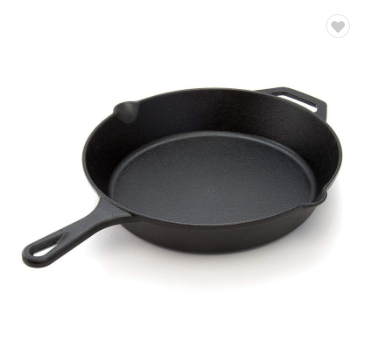
Osunwon Ṣaju-akoko Cookware Mini Cast Iron Skillet/Frying Pan/Griddle With Hand
View More
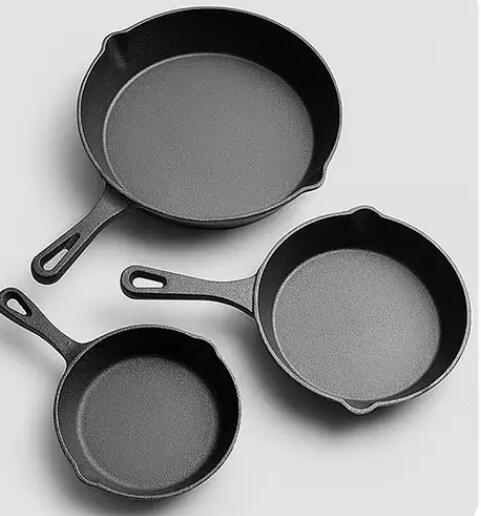
Ti kii Stick Ile Cookware Black Fry Sise ikoko Simẹnti Iron Skilletcast iron aso-akoko ti a bo.
View More
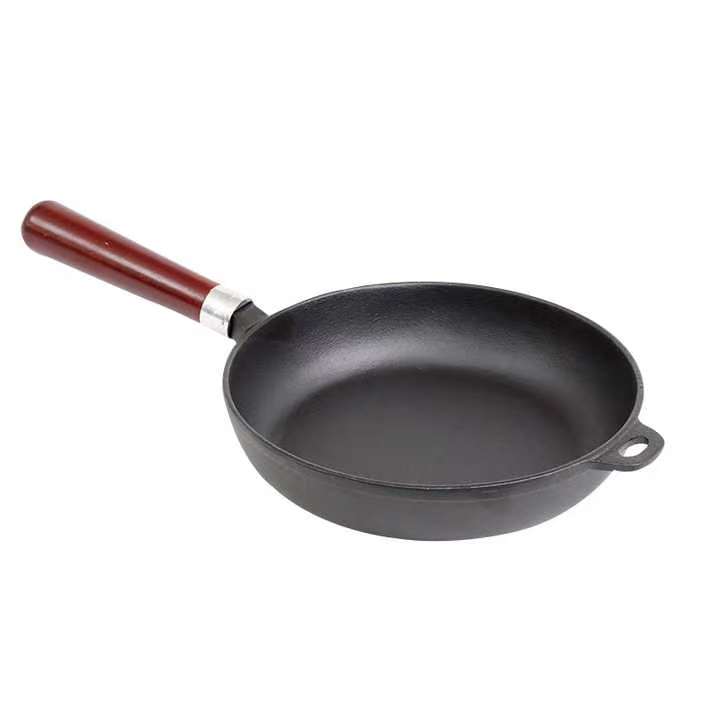
Irin Simẹnti Yika Skillet Din-din Pẹlu Imudani Onigi Ti Iṣaju-akoko
View More
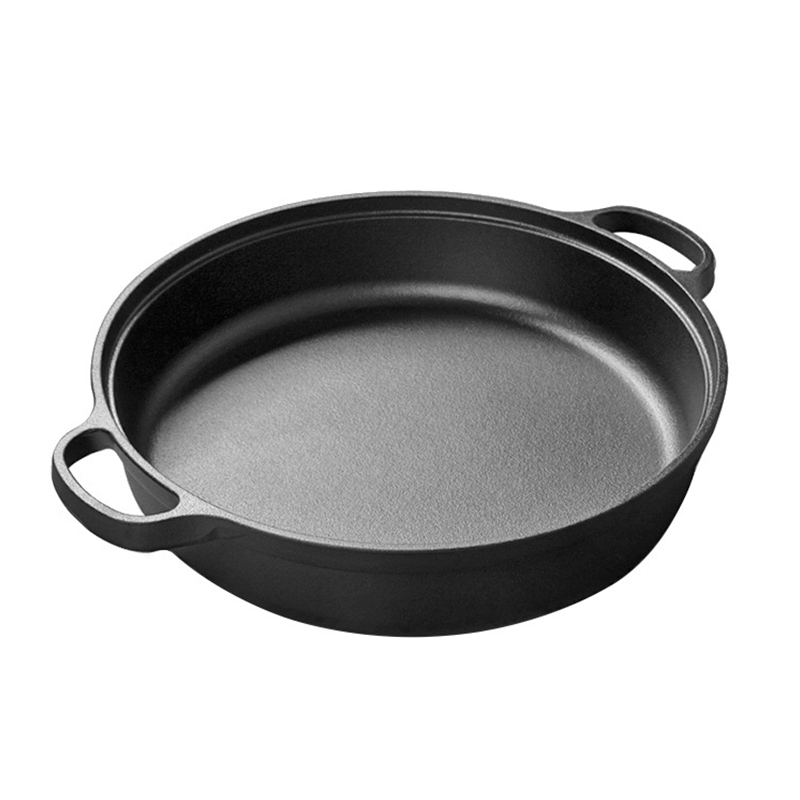
Chinese simẹnti irin Ewebe epo pan
View More
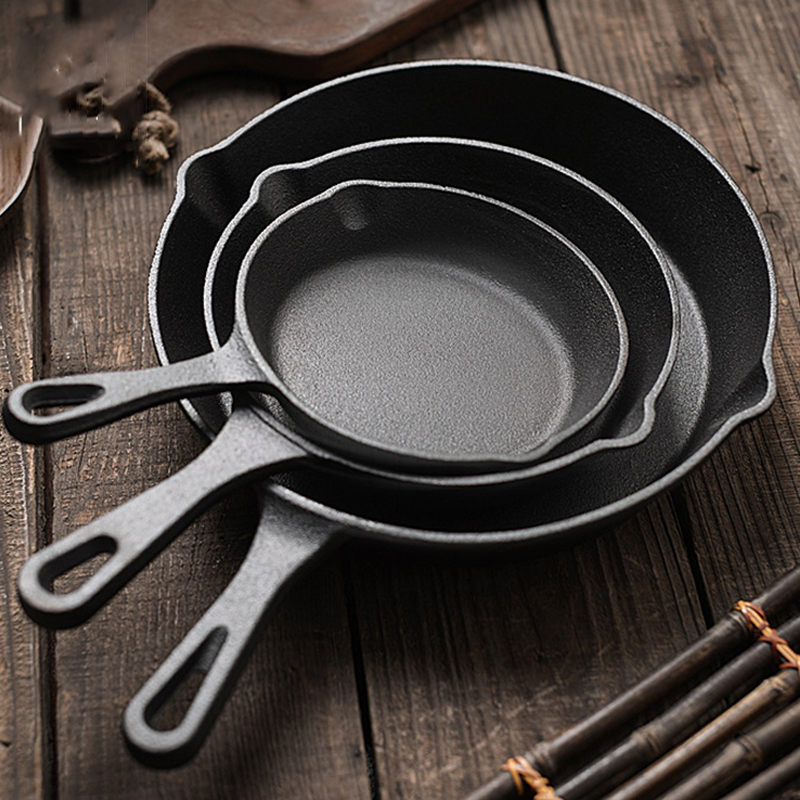
Ere Low Price Simẹnti Iron Pre-akoko ti a bo Skillet Skillet
View More
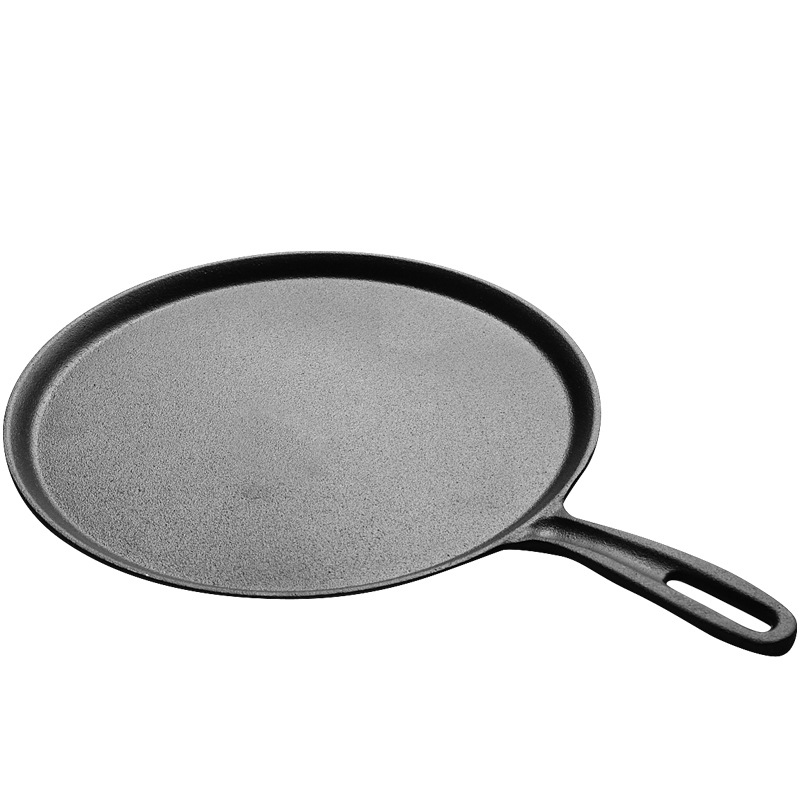
Didara to gaju Aṣa Irin Simẹnti Iron Skillet Frying Pans Yika Awọn ẹyin Alapin Alapin
View More
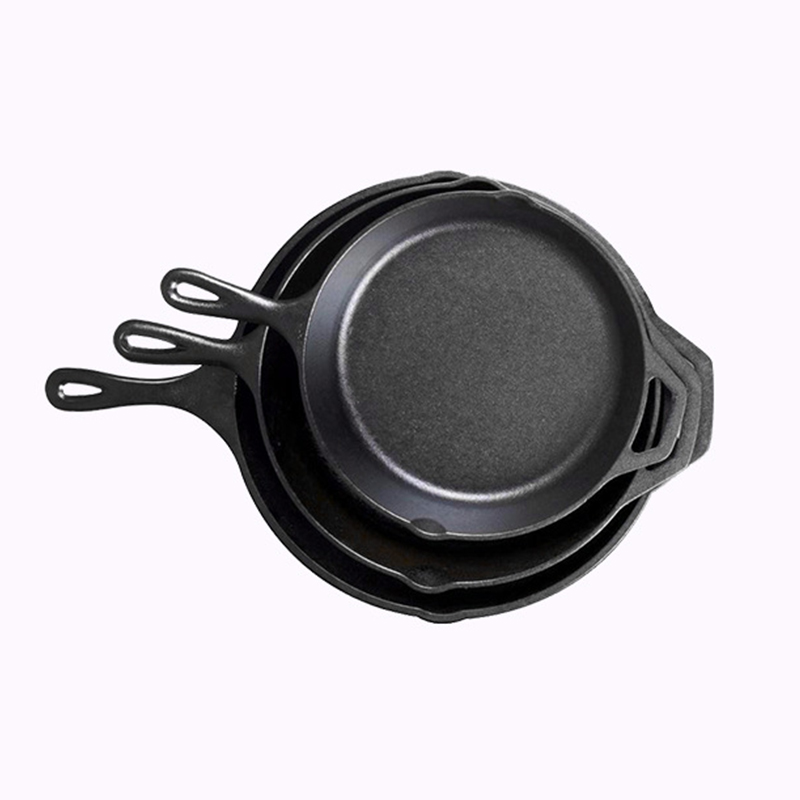
China ká ti o dara ju-tita simẹnti irin Ewebe epo frying pan
View More
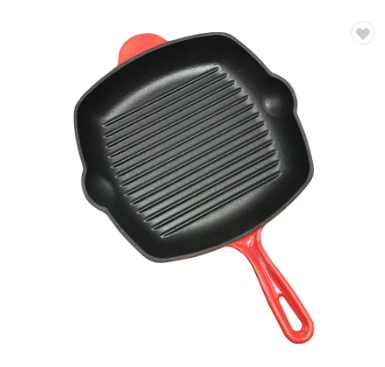
Aṣa ita gbangba ipago Square enamel Simẹnti Iron Bbq Yiyan Steak Pan Pẹlu Handle
View More
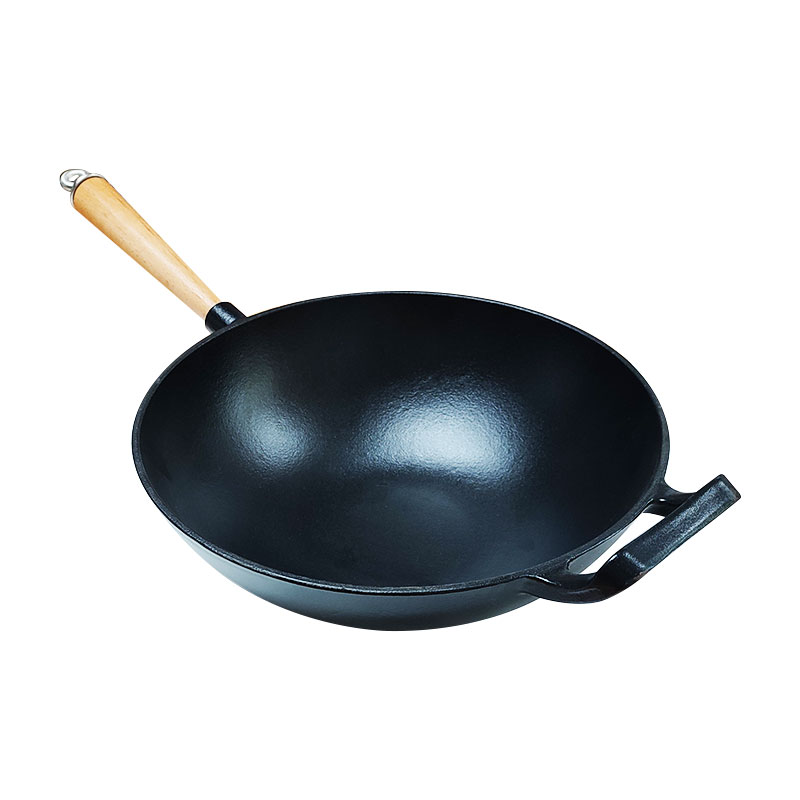
31CM Pre-igba Wood Handle Simẹnti Iron Cookware Wok
View More
Kini Lati Yẹra Nigbati rira Wok?
Yiyan wok ti o tọ le ṣe iyatọ nla ninu iriri sise rẹ. Sibẹsibẹ, ọpọlọpọ awọn ti onra laimọọmọ ṣubu sinu awọn ẹgẹ ti o wọpọ nigbati wọn ra ọkan. Eyi ni ohun ti o yẹra fun-ati bii irin wok simẹnti wa ṣe duro yato si bi ojutu ti o dara julọ.Yẹra fun woks ti a fi irin tinrin ṣe. Iwọnyi le gbona ni iyara ṣugbọn ṣe ni aidọkan ati padanu ooru ni iyara. Eyi nyorisi sise aisedede ati ko dara “wok hei” (sear smoky ti o ṣe pataki si aruwo-din). Simẹnti irin wok wa, ni iyatọ, ṣe itọju ooru ni boṣeyẹ ati gba laaye fun didin ipele-ọjọgbọn pẹlu sojurigindin ati adun.
Ọpọlọpọ awọn woks ti ko ni igi ko le mu ooru ga ati pe o le tu awọn kemikali ipalara silẹ nigbati o gbona ju. Eyi jẹ ki wọn ko yẹ fun didin-frying ododo, eyiti o nilo sise ni iwọn otutu giga. Wok wa ko ni awọn ohun elo kemikali kankan-o kan ni akoko nipa ti ara tabi irin simẹnti ti a bo enamel ti o ni ilọsiwaju pẹlu lilo gbogbo ati pe o jẹ ailewu patapata. Wok yẹ ki o ni apẹrẹ ti o jinlẹ, ti yika lati dẹrọ sisọ awọn eroja ati ṣiṣakoso awọn agbegbe igbona. Awọn apẹrẹ aijinile tabi alapin ko gba laaye fun awọn ilana sise to dara. Wok wa ṣe ẹya ipilẹ ti o tẹ ibile ti o ṣẹda ifọkansi ooru adayeba, apẹrẹ fun wiwa ooru-giga ati Ewebe iyara tabi awọn gbigbe ẹran.
Diẹ ninu awọn irin woks erogba ibile ko dara fun fifa irọbi tabi awọn adiro ina. Simẹnti irin wok wa, sibẹsibẹ, ṣiṣẹ lori gbogbo awọn orisun ooru pataki, pẹlu gaasi, ina, seramiki, ati induction. O le paapaa ṣee lo ninu adiro fun fifi kun versatility.Cheap woks nigbagbogbo ja, ipata, tabi padanu awọn ohun-ini wọn ti kii ṣe igi ni kiakia. Simẹnti irin wok wa jẹ apẹrẹ lati ṣiṣe fun awọn iran pẹlu itọju to kere. Pẹlu akoko to dara, o ndagba dada ti kii ṣe igi nipa ti ara ati pe o dara julọ pẹlu ọjọ ori.Yẹra fun awọn woks ti o ni ina pupọ, ti a bo ni kemikali, tabi apẹrẹ ti ko dara. Yan wok irin simẹnti ti o funni ni agbara, iṣẹ ṣiṣe, ati awọn abajade sise ododo—gẹgẹbi tiwa.
Cast Iron Wok vs Carbon Steel
When comparing a cast iron wok vs carbon steel, most home cooks and professional chefs focus on durability, heat retention, and cooking versatility. Both materials are staples in Asian-style stir-fry cookware, but the cast iron wok pan has unique strengths that carbon steel simply cannot match. And when it comes to choosing a reliable, high-performance option, the Debien cast iron wok pan pushes these natural advantages even further through superior craftsmanship and material selection.
A traditional carbon steel wok heats up quickly, making it suitable for fast stir-frying. However, carbon steel also loses heat quickly once ingredients hit the surface, especially when cooking in larger portions. This leads to inconsistent searing, steaming instead of browning, and flavor loss. By contrast, a cast iron wok pan delivers unmatched heat retention. Once heated, cast iron remains steady and powerful, locking in high temperatures even when the pan is loaded with meat, vegetables, or liquids. This stability is the key to achieving true wok hei—those smoky flavors and crisp textures that define authentic Asian cooking.
Where Debien excels is in elevating the natural benefits of cast iron through meticulous engineering. The Debien cast iron wok pan is molded using high-precision casting technology, giving the wok a thicker, more uniform base. This not only improves heat distribution but also reduces hot spots that are common in carbon steel cookware. In addition, Debien enhances the pan with a naturally non-stick pre-seasoning layer, eliminating the heavy maintenance burden often associated with traditional cast iron. Users can enjoy a smoother surface, easier cleanup, and better food release right out of the box.
Another significant advantage of Debien’s design is structural resilience. Carbon steel woks are prone to warping under high heat, especially on modern stovetops. A cast iron wok pan, especially one manufactured with Debien’s dense casting method, maintains its shape and cooking integrity for decades. This gives it long-term stability and makes it a dependable tool for searing, deep-frying, braising, and simmering.
In short, cast iron truly outperforms carbon steel in heat retention, structural strength, and flavor development—and a Debien cast iron wok pan amplifies these strengths with modern craftsmanship, durability, and user-friendly seasoning. Whether for home kitchens or professional use, Debien’s wok offers a superior long-term cooking experience.
How to Season a Chinese Cast Iron Wok / Pan
Seasoning a Chinese cast iron wok or cast-iron wok pan is an essential step if you want to achieve that signature non-stick patina and deep, smoky flavor associated with authentic wok cooking. A well-seasoned wok not only improves performance but also protects the surface from rust, prolonging the cookware’s lifespan. The process is simple, but doing it correctly makes a big difference, especially for cast iron, which benefits from repeated oil polymerization and high-heat curing. Below is a clear, step-by-step guide to help you season your wok or pan properly and maintain it for long-term use.
Start by washing the new wok or pan thoroughly using warm water and a small amount of mild detergent. This first wash removes factory oils and residues that prevent proper seasoning. After cleaning, dry the wok completely—either by towel-drying or placing it over medium heat for a few minutes. Eliminating moisture is crucial because cast iron is highly prone to rusting whenever water is left on the surface.
Once dry, apply a very thin, even layer of high-smoke-point oil such as flaxseed oil, canola oil, or grapeseed oil. Avoid olive oil or butter, as they burn at lower temperatures and won’t create the durable polymerized coating you need. Ensure you coat the entire surface inside and out, but keep the layer extremely light; excess oil leads to sticky patches instead of a smooth finish.
Heat the wok over high heat until the oil begins to smoke. This is the moment where polymerization occurs—oil bonds with the metal, forming the protective black patina that gives a Chinese cast iron wok its signature look. Rotate and tilt the wok to ensure all sides are evenly heated. When the smoking stops, allow it to cool naturally. Repeat this oil-and-heat cycle two to three more times for optimal seasoning.
After seasoning, maintenance is straightforward: clean the wok with hot water only—no soap—and scrub with a soft brush. Dry it immediately and apply a micro-thin coat of oil before storing. Over time, with consistent cooking and proper care, your wok will develop a naturally slick, non-stick surface ideal for stir-frying, steaming, searing, and deep-frying. A well-seasoned Chinese cast iron wok becomes better the more you use it, turning into a reliable staple in your kitchen.
Cast Iron Wok Pan for High Heat Cooking — Why It Works Better
When it comes to serious high-heat cooking, few tools match the reliability and sheer performance of a cast iron wok pan. Home cooks and professionals alike appreciate how it transforms simple ingredients into restaurant-level dishes, especially when using a cast iron wok for stir-frying, searing, or deep-frying. Its distinctive material properties give it clear advantages over lightweight alternatives like carbon steel or aluminum.
First, cast iron retains heat exceptionally well. Unlike thinner metals that cool down the moment you add ingredients, a cast iron wok stays blazing hot. This stable temperature is essential for “wok hei”—that smoky, charred flavor you get only with true high-heat cooking. Because the wok does not drop in temperature, vegetables stay crisp, proteins brown quickly instead of steaming, and sauces reduce faster for deeper flavor. Anyone using a cast iron wok will immediately notice this difference in texture and taste.
Second, weight translates to even heating. Cast iron distributes heat from rim to center, eliminating the hot spots that often burn garlic or leave larger cuts of meat undercooked. This makes it a great option for Western home kitchens, where gas burners are not always powerful enough to deliver authentic stir-fry performance. With proper preheating, a cast iron wok compensates for weaker stovetops.
Another advantage comes from the natural seasoning layer that develops with repeated use. This polymerized coating creates a semi-nonstick surface that improves with time, making it easier to cook delicate ingredients and clean up afterward. The more you cook, the better it performs—something most nonstick pans can’t offer.
Many readers also consider the cast iron wok price when choosing cookware. While cast iron might cost slightly more than entry-level materials, it’s still surprisingly affordable compared to premium stainless steel. And because it lasts decades with minimal maintenance, the long-term value outweighs the upfront investment. For anyone committed to high-heat cooking techniques, the balance of price, durability, and performance makes cast iron one of the smartest choices.
In short, if you want better searing, improved heat retention, and a wok that gets better with age, a cast iron wok pan stands out as the superior tool.
Ṣe o ni ilera diẹ sii lati Cook Pẹlu Irin Simẹnti bi?
Sise pẹlu irin simẹnti kii ṣe ẹbun nikan si aṣa-o tun jẹ ọlọgbọn, yiyan mimọ ilera. Ko dabi awọn pan ti kii ṣe ọpá ti kemikali ti a bo, ohun elo irin simẹnti nfunni ni oju ibi idana ti ko ni majele ti o ni ilọsiwaju pẹlu lilo nikan, ti o jẹ ki o jẹ ọkan ninu awọn aṣayan ilera julọ ni ibi idana ounjẹ rẹ. Ọkan ninu awọn anfani ti o tobi julọ ti irin simẹnti ni pe ko ni ofifo patapata ti awọn aṣọ sintetiki bi PTFE tabi PFOA, eyiti o jẹ igbagbogbo ti a rii ni awọn ohun elo ounjẹ ti kii ṣe igi. Awọn kemikali wọnyi le tu awọn majele silẹ ni awọn iwọn otutu giga, ti o fa awọn eewu ilera ti o pọju. Pẹlu irin simẹnti, o gba oju irin funfun ti kii yoo fa awọn nkan ti o lewu sinu ounjẹ rẹ. Ni akoko pupọ, ikoko irin simẹnti ti o ni akoko daradara tabi pan ti ndagba ẹda adayeba, ti ko ni kemika ti a bo ti kii ṣe ọpá. Eyi tumọ si pe o le ṣe ounjẹ pẹlu epo ti o dinku, eyiti o dara julọ fun ilera ọkan ati iṣakoso iwuwo-laisi rubọ adun tabi sojurigindin. Simẹnti irin cookware le kosi igbelaruge irin gbigbemi, paapa nigbati sise awọn ounjẹ ekikan bi awọn tomati tabi awopọ pẹlu lẹmọọn oje. Iron jẹ nkan ti o wa ni erupe ile pataki ti o ṣe atilẹyin awọn ipele agbara ati ilera ajẹsara. Fun awọn ẹni-kọọkan ti o ni itara si aipe irin, eyi le jẹ anfani ti a fi kun-ti a ṣepọ nipa ti ara sinu sise ojoojumọ.Nitori pe irin simẹnti dimu ati pinpin ooru ni deede, o fun ọ laaye lati ṣe ounjẹ awọn ounjẹ daradara ati daradara. O le ṣawari awọn ẹran laisi sisun, awọn ẹfọ sisun-din-din ni kiakia lati ṣe idaduro awọn ounjẹ, tabi awọn iyẹfun ti o lọra-o lọra-gbogbo laisi nilo afikun ọra tabi awọn afikun.Health kii ṣe nipa ohun ti o wa lori awo rẹ nikan-o tun jẹ nipa imuduro. Ikoko irin simẹnti ti o ni agbara giga le ṣiṣe ni igbesi aye tabi diẹ sii, idinku iwulo fun awọn rirọpo loorekoore ati sisọ ifẹsẹtẹ ayika rẹ silẹ. Awọn pans ti a danu diẹ tumọ si pe aye ti o ni ilera, paapaa. Sise pẹlu irin simẹnti n ṣe atilẹyin igbesi aye alara lile nipa imukuro ifihan kemikali, iwuri idaduro ounjẹ, idinku lilo epo, ati paapaa igbelaruge awọn ipele irin rẹ nipa ti ara. Kii ṣe ounjẹ ounjẹ nikan-o jẹ ifaramo si ilera, ounjẹ kan ni akoko kan.
Beere Bayi fun Awọn iṣowo Cookware Irin Simẹnti
Jọwọ Fọwọsi Fọọmu Ni isalẹ Ati Ẹgbẹ Wa yoo Pada si Ọ Pẹlu Ifowoleri, Awọn alaye ọja, Ati Awọn aṣayan isọdi.

Debien n ni ilọsiwaju pẹlu akoko, ohun elo mimu dojuiwọn, fifi ami iyasọtọ wa jade, ni idojukọ lori idagbasoke awọn ọja giga-giga, ati fesi ni agbara si awọn ibeere ọja pẹlu iṣẹda.


Awọn ọna asopọ kiakia
PE WA
Debien n ni ilọsiwaju pẹlu akoko, ohun elo mimu dojuiwọn, fifi ami iyasọtọ wa jade, ni idojukọ lori idagbasoke awọn ọja giga-giga, ati fesi ni agbara si awọn ibeere ọja pẹlu iṣẹda.
Copyright © 2026 HEBEI DEBIEN TECHNOLOGY CO., LTD. Gbogbo awọn ẹtọ wa ni ipamọ. Sitemap | Asiri Afihan


