



- Afrikaans
- Albanian
- Amharic
- Arabic
- Armenian
- Azerbaijani
- Basque
- Belarusian
- Bengali
- Bosnian
- Bulgarian
- Catalan
- Cebuano
- Corsican
- Croatian
- Czech
- Danish
- Dutch
- English
- Esperanto
- Estonian
- Finnish
- French
- Frisian
- Galician
- Georgian
- German
- Greek
- Gujarati
- Haitian Creole
- hausa
- hawaiian
- Hebrew
- Hindi
- Miao
- Hungarian
- Icelandic
- igbo
- Indonesian
- irish
- Italian
- Japanese
- Javanese
- Kannada
- kazakh
- Khmer
- Rwandese
- Korean
- Kurdish
- Kyrgyz
- Lao
- Latin
- Latvian
- Lithuanian
- Luxembourgish
- Macedonian
- Malgashi
- Malay
- Malayalam
- Maltese
- Maori
- Marathi
- Mongolian
- Myanmar
- Nepali
- Norwegian
- Norwegian
- Occitan
- Pashto
- Persian
- Polish
- Portuguese
- Punjabi
- Romanian
- Russian
- Samoan
- Scottish Gaelic
- Serbian
- Sesotho
- Shona
- Sindhi
- Sinhala
- Slovak
- Slovenian
- Somali
- Spanish
- Sundanese
- Swahili
- Swedish
- Tagalog
- Tajik
- Tamil
- Tatar
- Telugu
- Thai
- Turkish
- Turkmen
- Ukrainian
- Urdu
- Uighur
- Uzbek
- Vietnamese
- Welsh
- Bantu
- Yiddish
- Yoruba
Cast Iron Wok


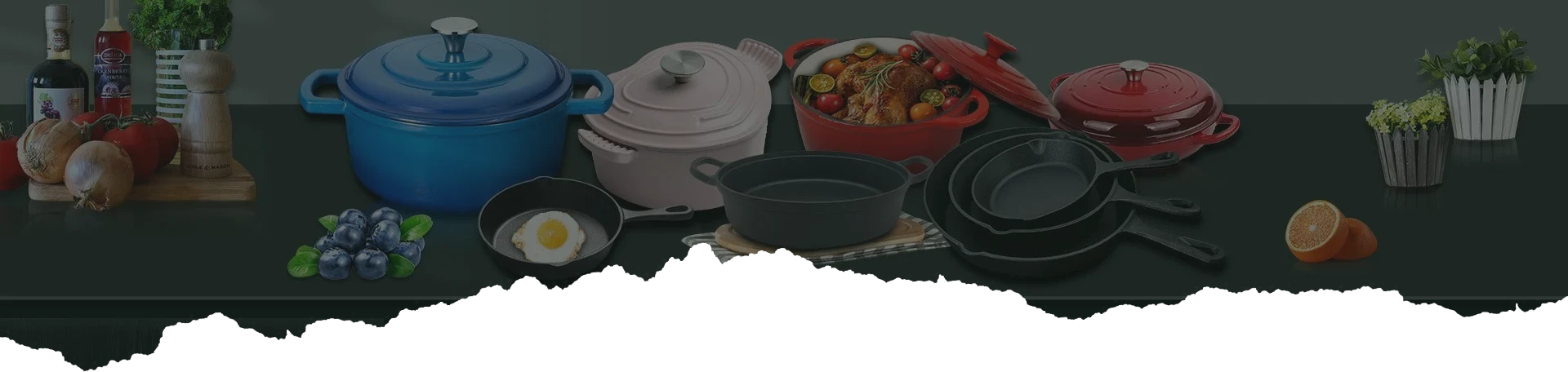
Kini nga cast iron wok hingpit nga naghiusa sa tradisyonal nga craftsmanship sa modernong mga gimbuhaton ug usa ka kinahanglanon nga himan sa pagluto sa kusina. Kung stir-frying, pan-frying, pagpabukal, stewing, braising o deep-frying, makahatag kini og lig-on nga suporta sa taas nga temperatura ug maayo kaayo nga kasinatian sa pagluto. Kini ilabi na nga angay alang sa Chinese quick stir-frying ug mga pinggan nga kinahanglan nga mapreserbar ang orihinal nga lami sa mga sangkap. Ang kaldero adunay baga nga lawas, nga makapainit dayon ug parehas ug magpadayon sa taas nga temperatura sa dugay nga panahon. Haom kaayo kini sa mga putahe nga nanginahanglan ug dali nga pagprito sa taas nga kainit, sama sa Kung Pao chicken, oyster sauce beef, ug dry-fried green beans. Dili lamang kini epektibo nga mapadayon ang mga sustansya ug kaumog sa mga sangkap, apan nagdala usab ang kahumot sa lana sa pagluto, nga nagpresentar sa tinuud nga lami sa linuto sa China.
Ang cast iron POTS natural nga adunay kinaiya nga ubos sa lana ug dili stick. Ingon nga kini gigamit sa dugay nga panahon, ang usa ka oil film natipon, nga naghimo kanila nga labi ka dali nga gamiton. Kung itandi sa mga non-stick pan, wala kini bisan unsang kemikal nga mga coating, labi ka himsog ug labi ka mahigalaon sa kalikopan, ug angay alang sa mga tiggamit nga naghatag pagtagad sa kaluwasan sa pagkaon. Ang ubang mga modelo nasangkapan sa usa ka enamel coating, nga mas sayon sa paglimpyo ug nagtugot alang sa luwas nga pagluto sa acidic nga mga sagol.Ang kolon nga lawas gidisenyo sumala sa ergonomics. Ang porma sa arko nga lawom nga ubos nga porma sayon alang sa pag-stir-fry ug ang mga sangkap dili kaayo magsabwag. Ang double-ear o long-handle nga istraktura naghimo nga sayon sa paglihok ug pagbubo sa mga utanon. Angayan kini alang sa lainlaing mga gigikanan sa kainit sama sa gas stoves, induction cooker, ug electric ceramic stoves, ug mahimo pa nga magamit sa usa ka hurnohan, nga tinuud nga nakab-ot ang daghang gamit sa usa ka kolon.
Ang cast iron wok dili lamang usa ka high-performance kitchenware, apan nagdala usab sa gibug-aton sa tradisyonal nga kultura sa pagluto. Ang retro nga texture niini hingpit nga nagsunod sa modernong istilo sa kusina, nga parehas nga praktikal ug makapahimuot sa aesthetically. Angayan kini alang sa adlaw-adlaw nga paggamit sa panimalay ingon man alang sa mga mahiligon sa pagluto ug mga propesyonal sa industriya sa catering.Kini nga cast iron wok naghiusa sa taas nga temperatura nga kalig-on, kalig-on ug multi-functionality, nga naghimo niini nga usa ka kasaligan nga pagpili alang sa pagpauswag sa kalidad ug lami sa pagluto. Kung kini dali nga pag-stir-fry sa init nga mga pinggan o hinay nga pagprito, ang usa ka cast-iron nga wok makatabang kanimo nga dali nga makontrol ang kainit ug makamugna ang mga lamian nga pinggan sa lebel sa propesyonal.
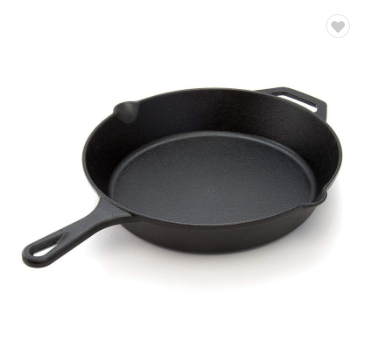
Wholesale Pre-seasoned Cookware Mini Cast Iron Skillet/Frying Pan/Griddle With Handle
Tan-awa ang Dugang
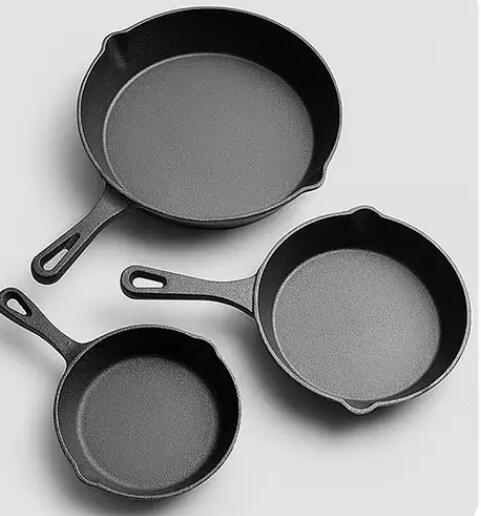
Non Stick Household Cookware Black Fry Cooking Pot Cast Iron Skilletcast nga puthaw nga pre-seasoned coating
Tan-awa ang Dugang
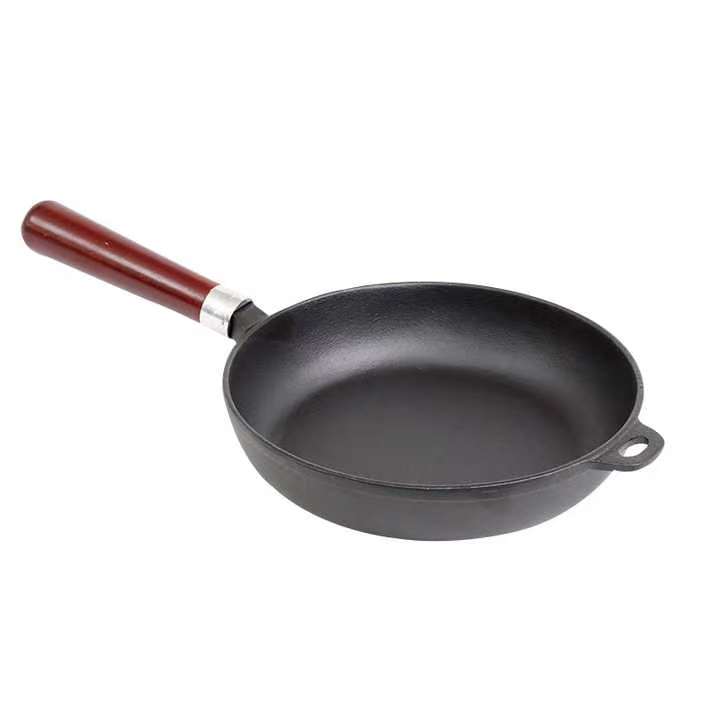
Pre-seasoned Cast Iron Round Skillet Fry Pan Uban sa Kahoy nga Handle
Tan-awa ang Dugang
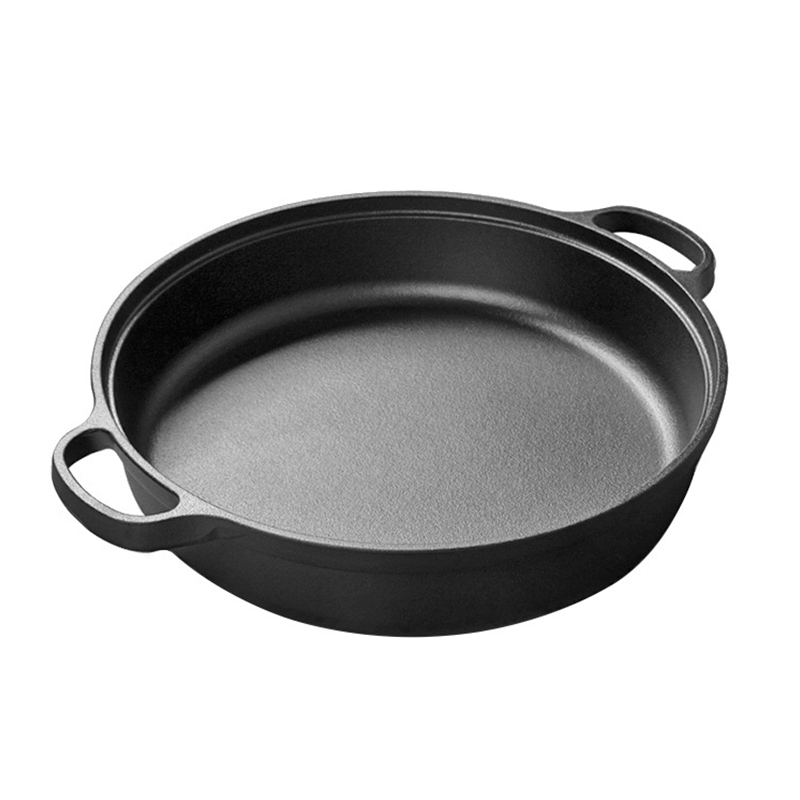
Ang Chinese cast iron vegetable oil pan
Tan-awa ang Dugang
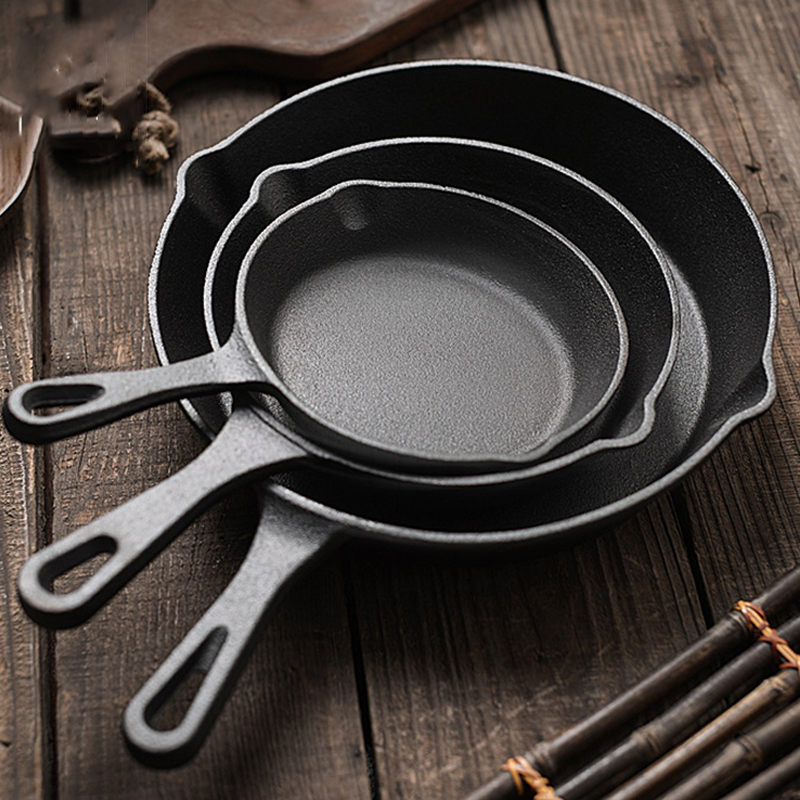
Premium Ubos nga Presyo sa Cast Iron Pre-Seasoned Coated Skillet Skillet
Tan-awa ang Dugang
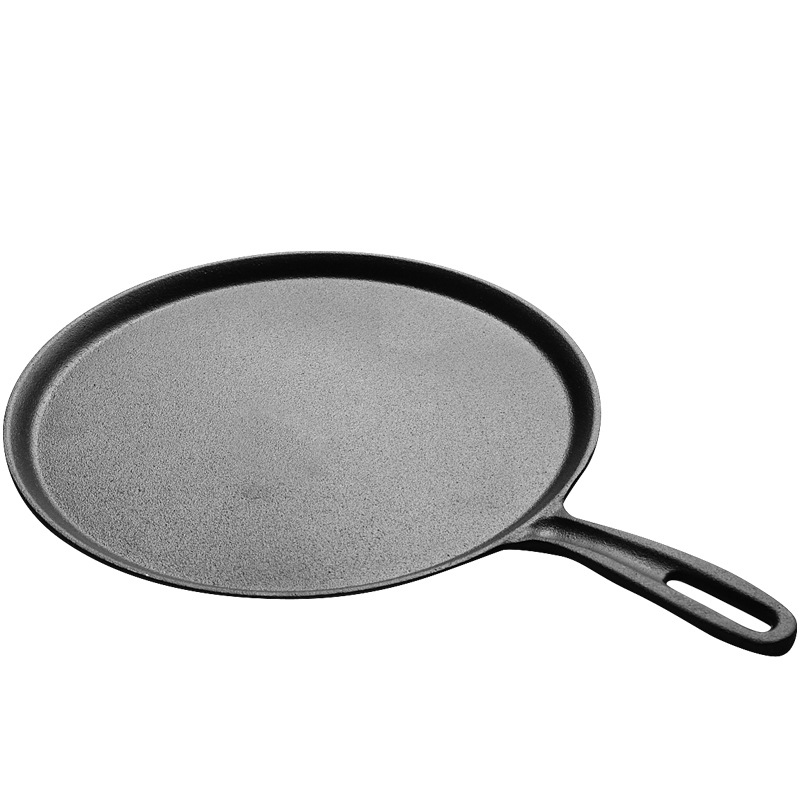
Taas nga kalidad nga Custom Metal Cast Iron Skillet Frying Pans Round Simple Itlog Flat Pan
Tan-awa ang Dugang
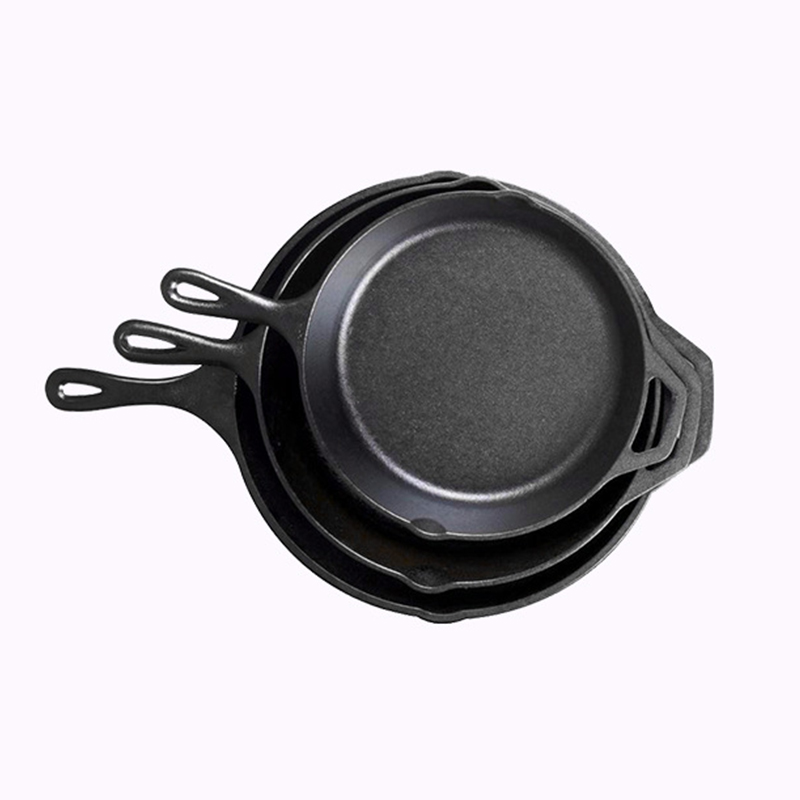
Ang China's best-selling cast iron vegetable oil frying pan
Tan-awa ang Dugang
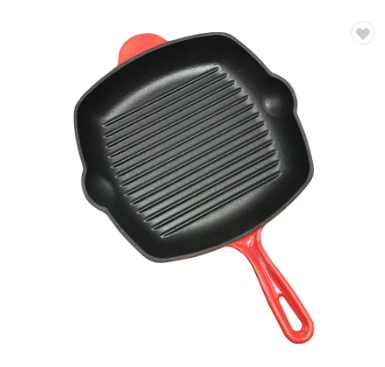
Custom Outdoor Camping Square Enamel Cast Iron Bbq Grill Steak Pan nga May Handle
Tan-awa ang Dugang
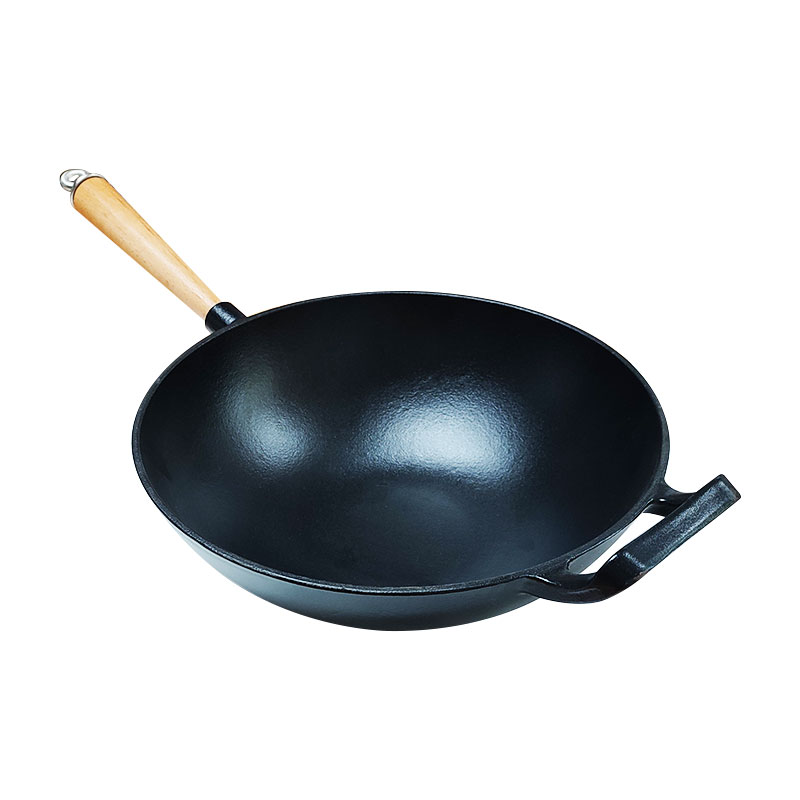
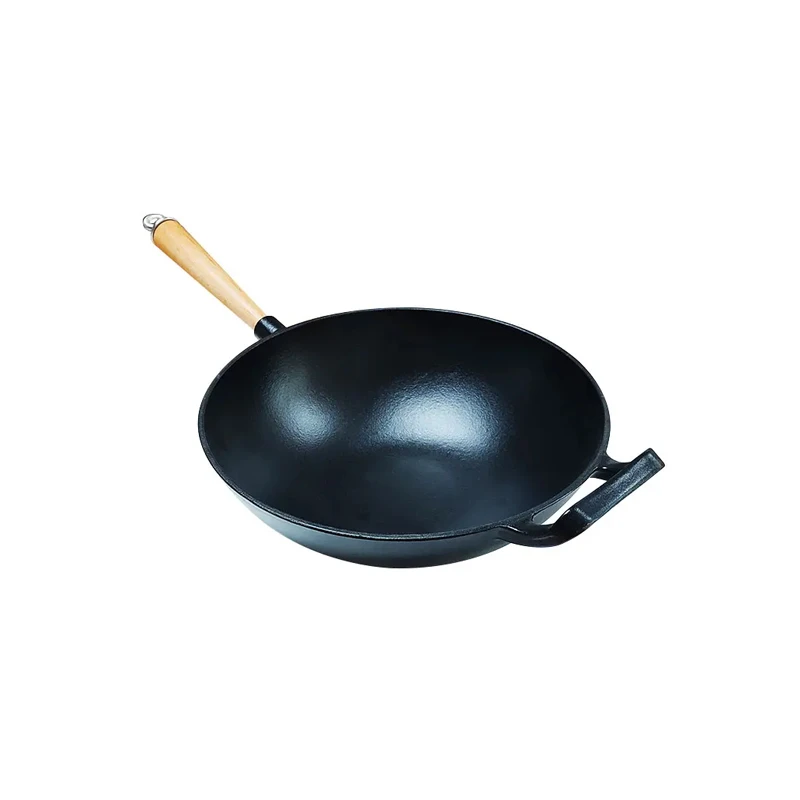
31CM Pre-seasoned Wood Handle Cast Iron Cookware Wok
Tan-awa ang Dugang
Unsa ang Likayan Sa Pagpalit sa Wok?
Ang pagpili sa husto nga wok makahimo og dakong kalainan sa imong kasinatian sa pagluto. Bisan pa, daghang mga pumapalit ang wala nahibal-an nga nahulog sa kasagaran nga mga lit-ag kung nagpalit usa. Mao kini ang angayng likayan—ug sa unsang paagi ang atong cast iron wok naglainlain isip mas maayong solusyon. Likayi ang mga wok nga ginama sa nipis nga metal. Mahimong moinit kini dayon apan dili patas ug mawala ang kainit sama ka paspas. Kini modala ngadto sa dili makanunayon nga pagluto ug dili maayo nga "wok hei" (ang smoky sear nga gikinahanglan sa stir-fry). Ang among cast iron wok, sa sukwahi, nagpabilin nga parehas nga kainit ug gitugotan ang lebel sa propesyonal nga pag-stir-fry nga adunay tinuod nga texture ug lami.
Daghang nonstick woks dili makahawid sa taas nga kainit ug mahimong makapagawas sa makadaot nga mga kemikal kon sobra ka init. Kini naghimo kanila nga dili angay alang sa tinuod nga stir-frying, nga nagkinahanglan og taas nga temperatura nga pagluto. Ang among wok walay kemikal nga coating—natural lang nga tinimpla o enamel-coated nga cast iron nga molambo sa matag gamit ug hingpit nga luwas. Ang usa ka wok kinahanglan adunay lawom, lingin nga porma aron mapadali ang paglabay sa mga sangkap ug pagkontrol sa mga heat zone. Ang mabaw o patag nga mga disenyo wala magtugot sa hustong mga teknik sa pagluto. Ang among wok adunay usa ka tradisyonal nga curved base nga nagmugna sa usa ka natural nga konsentrasyon sa kainit, maayo alang sa high-heat searing ug dali nga paglabay sa utanon o karne.
Ang ubang mga tradisyonal nga carbon steel woks dili angay alang sa induction o electric stovetops. Ang among cast iron wok, bisan pa, nagtrabaho sa tanan nga dagkong mga gigikanan sa kainit, lakip ang gas, electric, ceramic, ug induction. Mahimo pa gani kini nga gamiton sa hudno alang sa dugang nga pagkadaiya. Ang among cast iron wok gidisenyo nga molungtad sa mga henerasyon nga adunay gamay nga pagmentinar. Uban sa husto nga panimpla, kini makahimo sa usa ka natural nga nonstick nga nawong ug mahimong mas maayo sa edad. Likayi ang mga wok nga gaan kaayo, kemikal nga adunay sapaw, o dili maayo nga porma. Pagpili og cast iron wok nga nagtanyag og durability, performance, ug tinuod nga resulta sa pagluto—sama sa atoa.
Cast Iron Wok vs Carbon Steel
When comparing a cast iron wok vs carbon steel, most home cooks and professional chefs focus on durability, heat retention, and cooking versatility. Both materials are staples in Asian-style stir-fry cookware, but the cast iron wok pan has unique strengths that carbon steel simply cannot match. And when it comes to choosing a reliable, high-performance option, the Debien cast iron wok pan pushes these natural advantages even further through superior craftsmanship and material selection.
A traditional carbon steel wok heats up quickly, making it suitable for fast stir-frying. However, carbon steel also loses heat quickly once ingredients hit the surface, especially when cooking in larger portions. This leads to inconsistent searing, steaming instead of browning, and flavor loss. By contrast, a cast iron wok pan delivers unmatched heat retention. Once heated, cast iron remains steady and powerful, locking in high temperatures even when the pan is loaded with meat, vegetables, or liquids. This stability is the key to achieving true wok hei—those smoky flavors and crisp textures that define authentic Asian cooking.
Where Debien excels is in elevating the natural benefits of cast iron through meticulous engineering. The Debien cast iron wok pan is molded using high-precision casting technology, giving the wok a thicker, more uniform base. This not only improves heat distribution but also reduces hot spots that are common in carbon steel cookware. In addition, Debien enhances the pan with a naturally non-stick pre-seasoning layer, eliminating the heavy maintenance burden often associated with traditional cast iron. Users can enjoy a smoother surface, easier cleanup, and better food release right out of the box.
Another significant advantage of Debien’s design is structural resilience. Carbon steel woks are prone to warping under high heat, especially on modern stovetops. A cast iron wok pan, especially one manufactured with Debien’s dense casting method, maintains its shape and cooking integrity for decades. This gives it long-term stability and makes it a dependable tool for searing, deep-frying, braising, and simmering.
In short, cast iron truly outperforms carbon steel in heat retention, structural strength, and flavor development—and a Debien cast iron wok pan amplifies these strengths with modern craftsmanship, durability, and user-friendly seasoning. Whether for home kitchens or professional use, Debien’s wok offers a superior long-term cooking experience.
How to Season a Chinese Cast Iron Wok / Pan
Seasoning a Chinese cast iron wok or cast-iron wok pan is an essential step if you want to achieve that signature non-stick patina and deep, smoky flavor associated with authentic wok cooking. A well-seasoned wok not only improves performance but also protects the surface from rust, prolonging the cookware’s lifespan. The process is simple, but doing it correctly makes a big difference, especially for cast iron, which benefits from repeated oil polymerization and high-heat curing. Below is a clear, step-by-step guide to help you season your wok or pan properly and maintain it for long-term use.
Start by washing the new wok or pan thoroughly using warm water and a small amount of mild detergent. This first wash removes factory oils and residues that prevent proper seasoning. After cleaning, dry the wok completely—either by towel-drying or placing it over medium heat for a few minutes. Eliminating moisture is crucial because cast iron is highly prone to rusting whenever water is left on the surface.
Once dry, apply a very thin, even layer of high-smoke-point oil such as flaxseed oil, canola oil, or grapeseed oil. Avoid olive oil or butter, as they burn at lower temperatures and won’t create the durable polymerized coating you need. Ensure you coat the entire surface inside and out, but keep the layer extremely light; excess oil leads to sticky patches instead of a smooth finish.
Heat the wok over high heat until the oil begins to smoke. This is the moment where polymerization occurs—oil bonds with the metal, forming the protective black patina that gives a Chinese cast iron wok its signature look. Rotate and tilt the wok to ensure all sides are evenly heated. When the smoking stops, allow it to cool naturally. Repeat this oil-and-heat cycle two to three more times for optimal seasoning.
After seasoning, maintenance is straightforward: clean the wok with hot water only—no soap—and scrub with a soft brush. Dry it immediately and apply a micro-thin coat of oil before storing. Over time, with consistent cooking and proper care, your wok will develop a naturally slick, non-stick surface ideal for stir-frying, steaming, searing, and deep-frying. A well-seasoned Chinese cast iron wok becomes better the more you use it, turning into a reliable staple in your kitchen.
Cast Iron Wok Pan for High Heat Cooking — Why It Works Better
When it comes to serious high-heat cooking, few tools match the reliability and sheer performance of a cast iron wok pan. Home cooks and professionals alike appreciate how it transforms simple ingredients into restaurant-level dishes, especially when using a cast iron wok for stir-frying, searing, or deep-frying. Its distinctive material properties give it clear advantages over lightweight alternatives like carbon steel or aluminum.
First, cast iron retains heat exceptionally well. Unlike thinner metals that cool down the moment you add ingredients, a cast iron wok stays blazing hot. This stable temperature is essential for “wok hei”—that smoky, charred flavor you get only with true high-heat cooking. Because the wok does not drop in temperature, vegetables stay crisp, proteins brown quickly instead of steaming, and sauces reduce faster for deeper flavor. Anyone using a cast iron wok will immediately notice this difference in texture and taste.
Second, weight translates to even heating. Cast iron distributes heat from rim to center, eliminating the hot spots that often burn garlic or leave larger cuts of meat undercooked. This makes it a great option for Western home kitchens, where gas burners are not always powerful enough to deliver authentic stir-fry performance. With proper preheating, a cast iron wok compensates for weaker stovetops.
Another advantage comes from the natural seasoning layer that develops with repeated use. This polymerized coating creates a semi-nonstick surface that improves with time, making it easier to cook delicate ingredients and clean up afterward. The more you cook, the better it performs—something most nonstick pans can’t offer.
Many readers also consider the cast iron wok price when choosing cookware. While cast iron might cost slightly more than entry-level materials, it’s still surprisingly affordable compared to premium stainless steel. And because it lasts decades with minimal maintenance, the long-term value outweighs the upfront investment. For anyone committed to high-heat cooking techniques, the balance of price, durability, and performance makes cast iron one of the smartest choices.
In short, if you want better searing, improved heat retention, and a wok that gets better with age, a cast iron wok pan stands out as the superior tool.
Mas Mahimsog ba Ang Pagluto Uban sa Cast Iron?
Cooking with cast iron isn’t just a nod to tradition—it’s also a smart, health-conscious choice. Unlike chemically coated nonstick pans, cast iron cookware offers a naturally non-toxic cooking surface that only improves with use, making it one of the healthiest options in your kitchen. One of the biggest advantages of cast iron is that it’s completely free of synthetic coatings like PTFE or PFOA, which are commonly found in nonstick cookware. These chemicals can release toxins at high temperatures, posing potential health risks. With cast iron, you get a pure metal surface that won't leach harmful substances into your food. Over time, a well-seasoned cast iron pot or pan develops a natural, chemical-free nonstick coating. This means you can cook with less oil, which is better for heart health and weight management—without sacrificing flavor or texture. Cast iron cookware can actually boost your iron intake, especially when cooking acidic foods like tomatoes or dishes with lemon juice. Iron is an essential mineral that supports energy levels and immune health. For individuals prone to iron deficiency, this can be an added benefit—naturally integrated into daily cooking.Because cast iron holds and distributes heat evenly, it allows you to cook foods more thoroughly and efficiently. You can sear meats without burning, stir-fry vegetables quickly to retain nutrients, or slow-cook hearty stews—all without needing extra fat or additives.Health isn’t just about what’s on your plate—it’s also about sustainability. A high-quality cast iron pot can last a lifetime or more, reducing the need for frequent replacements and lowering your environmental footprint. Fewer discarded pans means a healthier planet, too. Cooking with cast iron supports a healthier lifestyle by eliminating chemical exposure, encouraging nutrient retention, reducing oil usage, and even boosting your iron levels naturally. It’s not just cookware—it’s a commitment to wellness, one meal at a time.
Pangutana Karon alang sa Mga Deal sa Cast Iron Cookware
Palihog Pun-a Ang Porma sa Ubos Ug Ang Among Team Mobalik Kanimo Uban ang Presyo, Mga Detalye sa Produkto, Ug Mga Opsyon sa Pag-customize.

Debien is advancing with time, updating equipment, elaborately carving out our brand, focusing on developing high-end products, and actively responding to market demands with creativity.


QUICK LINKS
CONTACT US
Debien is advancing with time, updating equipment, elaborately carving out our brand, focusing on developing high-end products, and actively responding to market demands with creativity.
Copyright © 2026 HEBEI DEBIEN TECHNOLOGY CO., LTD. All Rights Reserved. Sitemap | Privacy Policy


