



- Afrikaans
- Albanian
- Amharic
- Arabic
- Armenian
- Azerbaijani
- Basque
- Belarusian
- Bengali
- Bosnian
- Bulgarian
- Catalan
- Cebuano
- Corsican
- Croatian
- Czech
- Danish
- Dutch
- English
- Esperanto
- Estonian
- Finnish
- French
- Frisian
- Galician
- Georgian
- German
- Greek
- Gujarati
- Haitian Creole
- hausa
- hawaiian
- Hebrew
- Hindi
- Miao
- Hungarian
- Icelandic
- igbo
- Indonesian
- irish
- Italian
- Japanese
- Javanese
- Kannada
- kazakh
- Khmer
- Rwandese
- Korean
- Kurdish
- Kyrgyz
- Lao
- Latin
- Latvian
- Lithuanian
- Luxembourgish
- Macedonian
- Malgashi
- Malay
- Malayalam
- Maltese
- Maori
- Marathi
- Mongolian
- Myanmar
- Nepali
- Norwegian
- Norwegian
- Occitan
- Pashto
- Persian
- Polish
- Portuguese
- Punjabi
- Romanian
- Russian
- Samoan
- Scottish Gaelic
- Serbian
- Sesotho
- Shona
- Sindhi
- Sinhala
- Slovak
- Slovenian
- Somali
- Spanish
- Sundanese
- Swahili
- Swedish
- Tagalog
- Tajik
- Tamil
- Tatar
- Telugu
- Thai
- Turkish
- Turkmen
- Ukrainian
- Urdu
- Uighur
- Uzbek
- Vietnamese
- Welsh
- Bantu
- Yiddish
- Yoruba
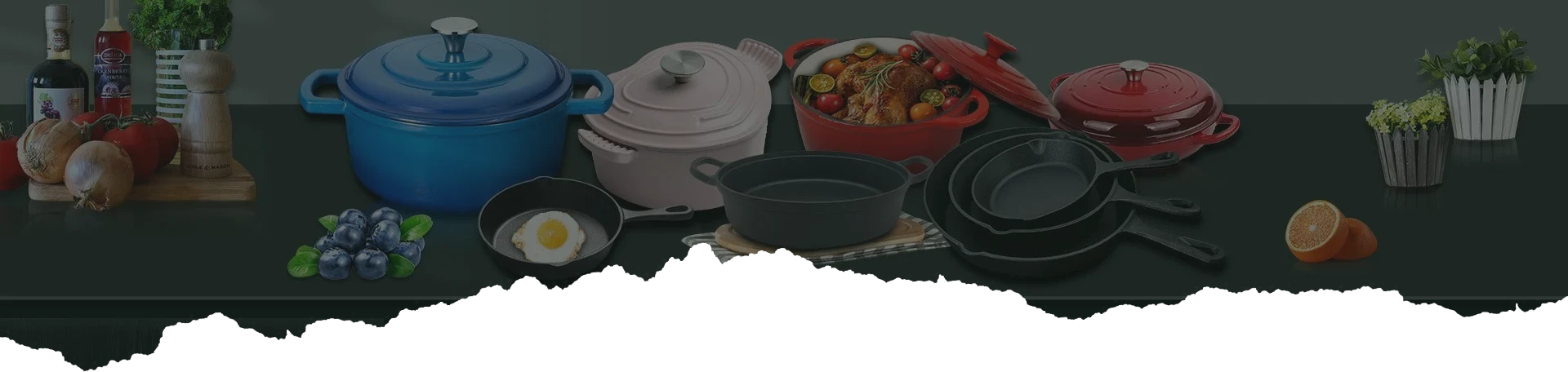
Wok di Ghisa


Stu wok in ghisa combina perfettamente l'artigianatu tradiziunale cù e funzioni muderne è hè un strumentu di cucina indispensabile in cucina. Ch'ellu sia per frittura in padella, bollitura, stufatura, brasatura o frittura, pò furnisce un supportu stabile à alta temperatura è una eccellente esperienza di cucina. Hè particularmente adattatu per a frittura rapida cinese è i piatti chì anu bisognu di priservà u sapore originale di l'ingredienti. L'eccellente conduzione di u calore è e prestazioni di accumulazione di u calore sò u più grande vantaghju di u wok in ghisa. A pignatta hà un corpu grossu, chì pò scaldassi rapidamente è uniformemente è mantene una temperatura alta per un bellu pezzu. Hè assai adattatu per i piatti chì necessitanu una frittura rapida à focu vivu, cum'è u pollu Kung Pao, a carne di manzo in salsa d'ostriche è i fagioli verdi fritti à seccu. Pò micca solu mantene efficacemente i nutrienti è l'umidità di l'ingredienti, ma ancu fà risaltà l'aroma di l'oliu di cucina, presentendu u veru sapore di a cucina cinese.
E PENTOLE in ghisa anu naturalmente a caratteristica d'esse povere d'oliu è antiaderenti. Quandu sò aduprate per un bellu pezzu, s'accumula una pellicola d'oliu, rendendule sempre più pratiche da aduprà. In paragone cù e padelle antiaderenti, ùn cuntene micca rivestimenti chimichi, hè più sana è più rispettosa di l'ambiente, è hè adatta per l'utilizatori chì prestanu attenzione à a sicurezza alimentaria. Certi mudelli sò dotati di un rivestimentu smaltatu, chì hè più faciule da pulisce è permette una cottura sicura di ingredienti acidi. U corpu di a pignatta hè cuncipitu in cunfurmità cù l'ergonomia. A forma di fondu prufondu in forma d'arcu hè pratica per frittura è l'ingredienti sò menu propensi à schizzà. A struttura à doppia orecchia o à manicu longu facilita u muvimentu è u versamentu di e verdure. Hè adatta per diverse fonti di calore cum'è cucine à gas, cucine à induzione è cucine elettriche in ceramica, è pò ancu esse aduprata in un fornu, ottenendu veramente usi multipli in una pignatta.
U wok in ghisa ùn hè micca solu un utensile di cucina d'altu rendimentu, ma porta ancu u pesu di a cultura culinaria tradiziunale. A so struttura retrò si adatta perfettamente à u stile di cucina muderna, essendu à tempu pratica è esteticamente piacevule. Hè adattatu per l'usu domesticu cutidianu è ancu per l'appassionati di cucina è i prufessiunali di a ristorazione. Stu wok in ghisa combina stabilità à alta temperatura, durabilità è multifunzionalità, ciò chì ne face una scelta affidabile per migliurà a qualità è u sapore di a cucina. Ch'ella sia una frittura rapida di piatti caldi o una frittura lenta, un wok in ghisa pò aiutà à cuntrullà facilmente u calore è à creà piatti deliziosi di livellu prufessiunale.
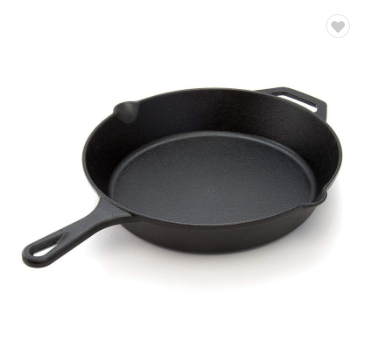
Padella/Padella/Piastra in Ghisa Pre-Stagionata all'ingrossu cù Maniglia
View More
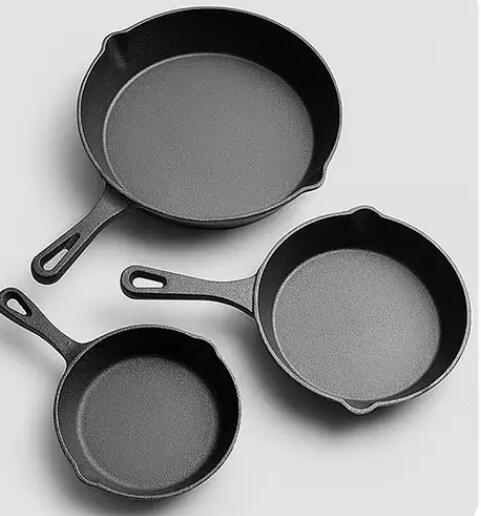
Pentola di cucina antiaderente per a casa, padella nera in ghisa, rivestimento pre-stagionato in ghisa
View More
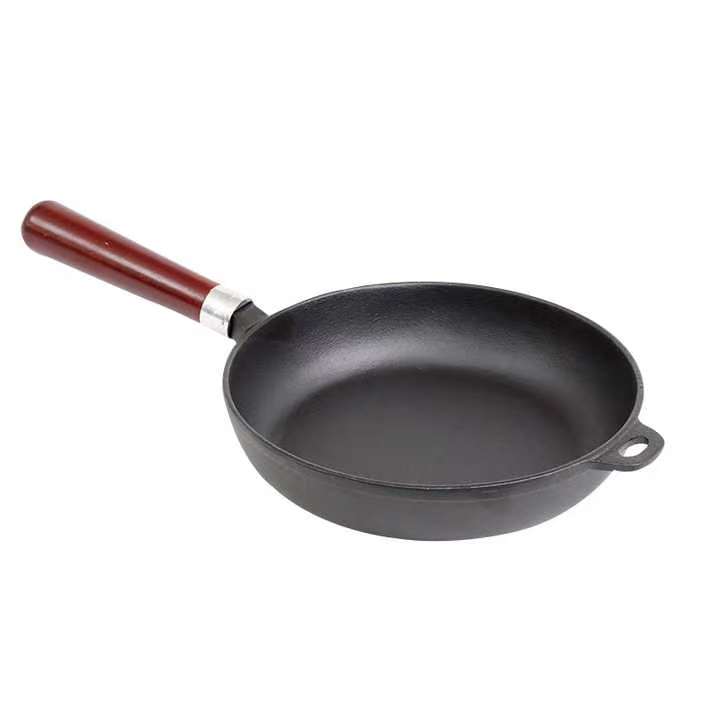
Padella tonda in ghisa pre-stagionata cù manicu in legnu
View More
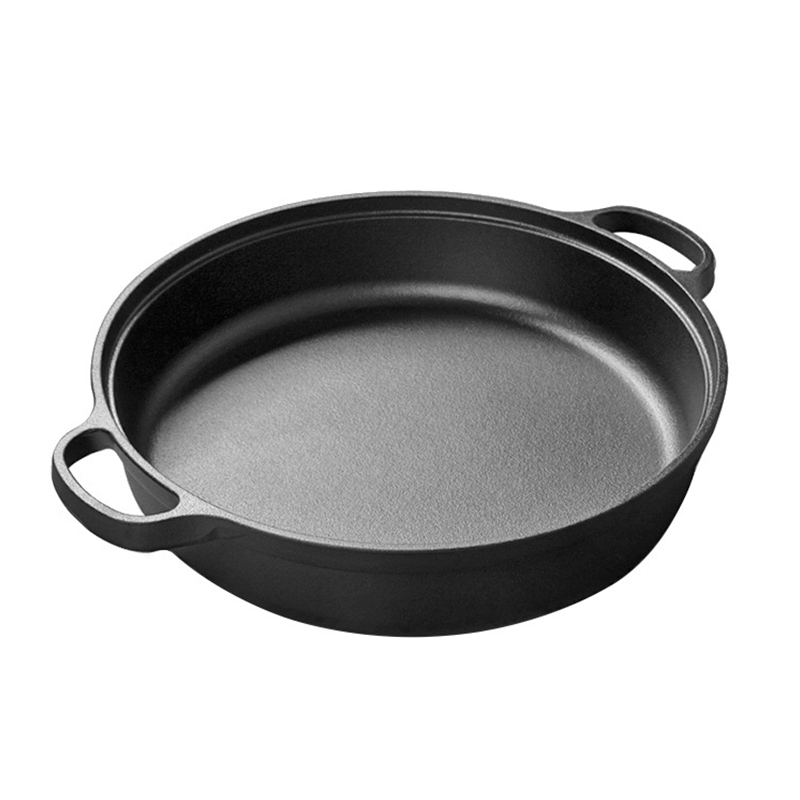
Padella d'oliu vegetale in ghisa cinese
View More
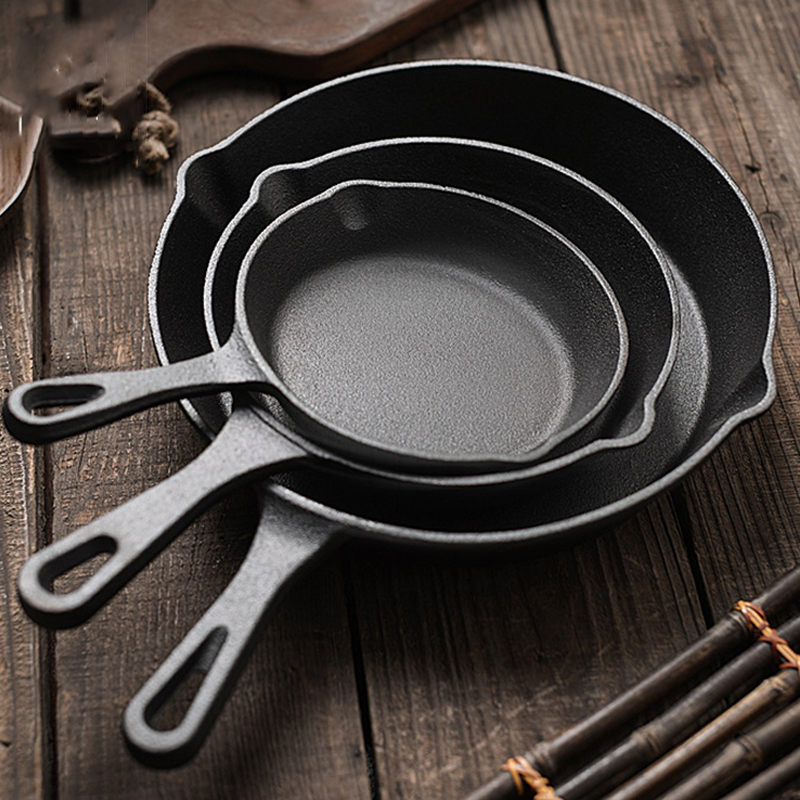
Padella di ghisa pre-stagionata di qualità superiore à bassu prezzu
View More
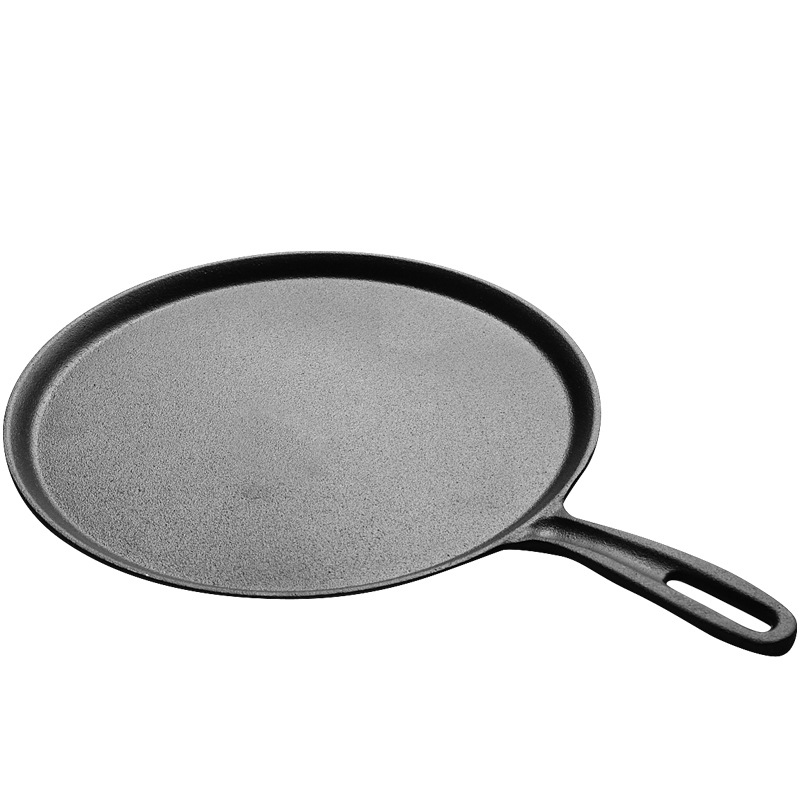
Padelle di ghisa di metallo persunalizate di alta qualità Padelle tonde semplici per ova piatte
View More
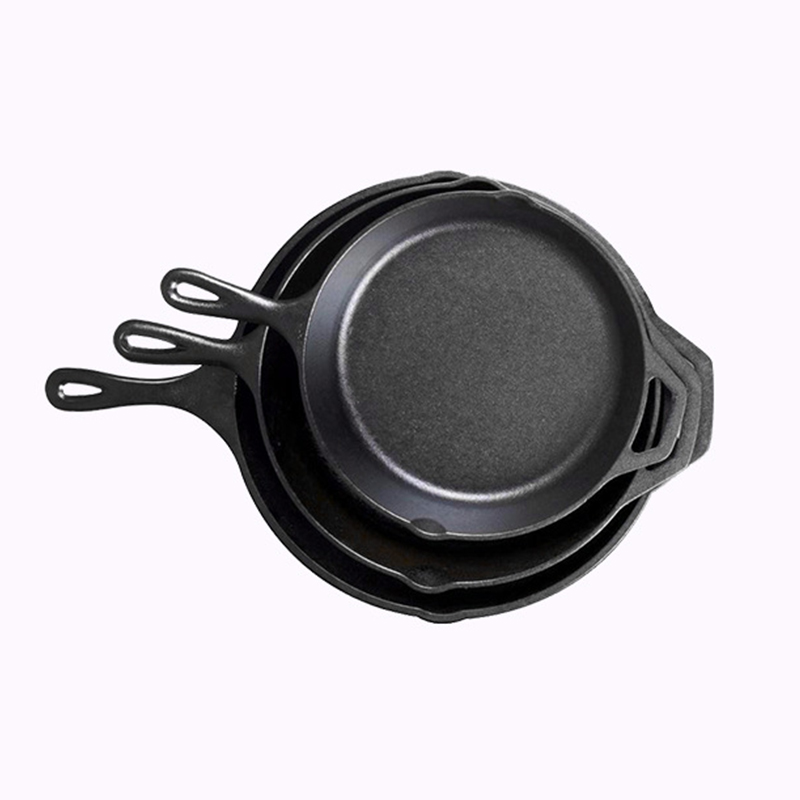
A padella à oliu vegetale in ghisa più venduta in Cina
View More
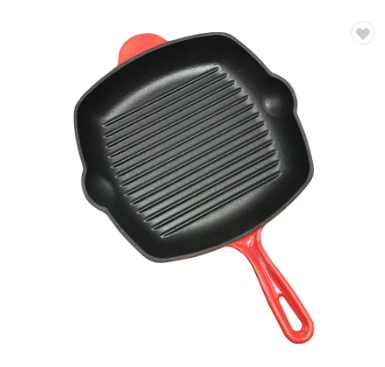
Padella per bistecca in ghisa smaltata quadrata per campeghju esterno persunalizzata cù manicu per barbecue
View More
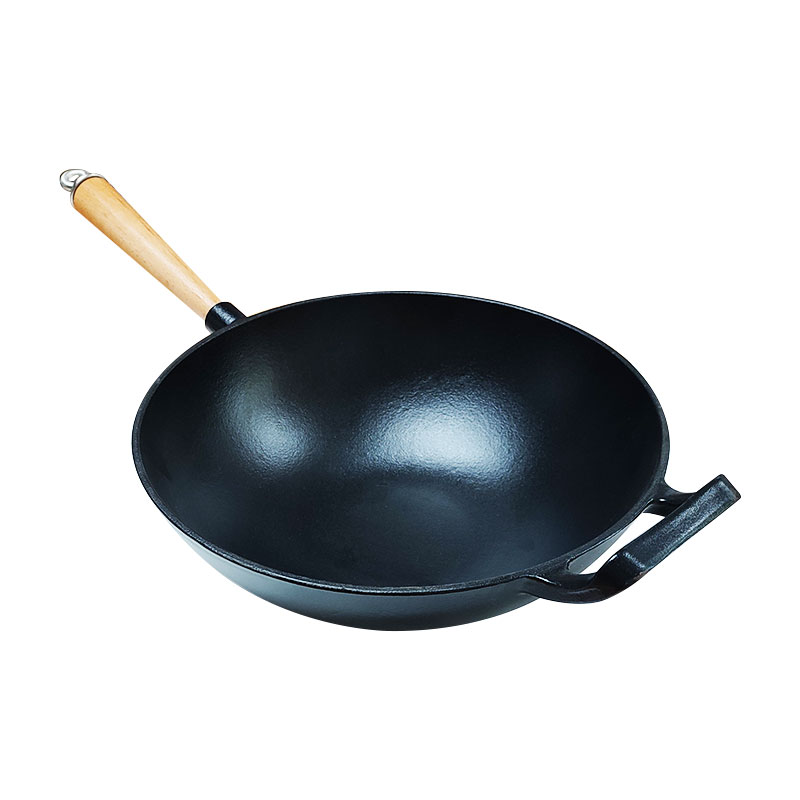
Wok di cucina in ghisa cù manicu di legnu pre-stagionatu di 31 cm
View More
Chì evità quandu si compra un Wok?
Sceglie u wok ghjustu pò fà una differenza significativa in a vostra sperienza culinaria. Tuttavia, parechji cumpratori cascanu senza sapè in trappule cumuni quandu ne compranu unu. Eccu ciò chì duvete evità - è cumu u nostru wok in ghisa si distingue cum'è una suluzione megliu. Evitate i wok fatti di metallu finu. Quessi ponu scaldassi rapidamente, ma u facenu in modu irregulare è perdenu calore altrettantu rapidamente. Questu porta à una cottura inconsistente è à un "wok hei" poveru (a brusgiatura affumicata essenziale per frittura). U nostru wok in ghisa, invece, mantene u calore uniformemente è permette una frittura à livellu prufessiunale cù una struttura è un sapore autentichi.
Parechji wok antiaderenti ùn ponu micca suppurtà u calore altu è ponu liberà sustanzi chimichi dannosi quandu sò surriscaldati. Questu li rende inadatti per a frittura autentica, chì richiede una cottura à alta temperatura. U nostru wok ùn cuntene micca rivestimenti chimichi, solu ghisa stagionata naturalmente o smaltata chì migliora cù ogni usu è hè cumpletamente sicura. Un wok deve avè una forma prufonda è arrotondata per facilità u lanciu di l'ingredienti è u cuntrollu di e zone di calore. I disinni pocu prufondi o piatti ùn permettenu micca tecniche di cottura adatte. U nostru wok presenta una basa curva tradiziunale chì crea una concentrazione di calore naturale, ideale per scottà à calore altu è lanci rapidi di verdura o carne.
Certi wok tradiziunali in acciaio à u carbone ùn sò micca adatti per i piani di cottura à induzione o elettrici. U nostru wok in ghisa, però, funziona nantu à tutte e principali fonti di calore, cumprese u gasu, l'elettricità, a ceramica è l'induzione. Pò ancu esse adupratu in u fornu per una maggiore versatilità. I wok economici si deformanu, arrugginiscenu o perdenu rapidamente e so proprietà antiaderenti. U nostru wok in ghisa hè cuncipitu per durà per generazioni cù una manutenzione minima. Cù una stagionatura adatta, sviluppa una superficia naturalmente antiaderente è diventa megliu cù l'età. Evitate i wok troppu leggeri, rivestiti chimicamente o mal furmati. Sceglite un wok in ghisa chì offre durabilità, prestazioni è risultati di cucina autentichi, cum'è u nostru.
Cast Iron Wok vs Carbon Steel
When comparing a cast iron wok vs carbon steel, most home cooks and professional chefs focus on durability, heat retention, and cooking versatility. Both materials are staples in Asian-style stir-fry cookware, but the cast iron wok pan has unique strengths that carbon steel simply cannot match. And when it comes to choosing a reliable, high-performance option, the Debien cast iron wok pan pushes these natural advantages even further through superior craftsmanship and material selection.
A traditional carbon steel wok heats up quickly, making it suitable for fast stir-frying. However, carbon steel also loses heat quickly once ingredients hit the surface, especially when cooking in larger portions. This leads to inconsistent searing, steaming instead of browning, and flavor loss. By contrast, a cast iron wok pan delivers unmatched heat retention. Once heated, cast iron remains steady and powerful, locking in high temperatures even when the pan is loaded with meat, vegetables, or liquids. This stability is the key to achieving true wok hei—those smoky flavors and crisp textures that define authentic Asian cooking.
Where Debien excels is in elevating the natural benefits of cast iron through meticulous engineering. The Debien cast iron wok pan is molded using high-precision casting technology, giving the wok a thicker, more uniform base. This not only improves heat distribution but also reduces hot spots that are common in carbon steel cookware. In addition, Debien enhances the pan with a naturally non-stick pre-seasoning layer, eliminating the heavy maintenance burden often associated with traditional cast iron. Users can enjoy a smoother surface, easier cleanup, and better food release right out of the box.
Another significant advantage of Debien’s design is structural resilience. Carbon steel woks are prone to warping under high heat, especially on modern stovetops. A cast iron wok pan, especially one manufactured with Debien’s dense casting method, maintains its shape and cooking integrity for decades. This gives it long-term stability and makes it a dependable tool for searing, deep-frying, braising, and simmering.
In short, cast iron truly outperforms carbon steel in heat retention, structural strength, and flavor development—and a Debien cast iron wok pan amplifies these strengths with modern craftsmanship, durability, and user-friendly seasoning. Whether for home kitchens or professional use, Debien’s wok offers a superior long-term cooking experience.
How to Season a Chinese Cast Iron Wok / Pan
Seasoning a Chinese cast iron wok or cast-iron wok pan is an essential step if you want to achieve that signature non-stick patina and deep, smoky flavor associated with authentic wok cooking. A well-seasoned wok not only improves performance but also protects the surface from rust, prolonging the cookware’s lifespan. The process is simple, but doing it correctly makes a big difference, especially for cast iron, which benefits from repeated oil polymerization and high-heat curing. Below is a clear, step-by-step guide to help you season your wok or pan properly and maintain it for long-term use.
Start by washing the new wok or pan thoroughly using warm water and a small amount of mild detergent. This first wash removes factory oils and residues that prevent proper seasoning. After cleaning, dry the wok completely—either by towel-drying or placing it over medium heat for a few minutes. Eliminating moisture is crucial because cast iron is highly prone to rusting whenever water is left on the surface.
Once dry, apply a very thin, even layer of high-smoke-point oil such as flaxseed oil, canola oil, or grapeseed oil. Avoid olive oil or butter, as they burn at lower temperatures and won’t create the durable polymerized coating you need. Ensure you coat the entire surface inside and out, but keep the layer extremely light; excess oil leads to sticky patches instead of a smooth finish.
Heat the wok over high heat until the oil begins to smoke. This is the moment where polymerization occurs—oil bonds with the metal, forming the protective black patina that gives a Chinese cast iron wok its signature look. Rotate and tilt the wok to ensure all sides are evenly heated. When the smoking stops, allow it to cool naturally. Repeat this oil-and-heat cycle two to three more times for optimal seasoning.
After seasoning, maintenance is straightforward: clean the wok with hot water only—no soap—and scrub with a soft brush. Dry it immediately and apply a micro-thin coat of oil before storing. Over time, with consistent cooking and proper care, your wok will develop a naturally slick, non-stick surface ideal for stir-frying, steaming, searing, and deep-frying. A well-seasoned Chinese cast iron wok becomes better the more you use it, turning into a reliable staple in your kitchen.
Cast Iron Wok Pan for High Heat Cooking — Why It Works Better
When it comes to serious high-heat cooking, few tools match the reliability and sheer performance of a cast iron wok pan. Home cooks and professionals alike appreciate how it transforms simple ingredients into restaurant-level dishes, especially when using a cast iron wok for stir-frying, searing, or deep-frying. Its distinctive material properties give it clear advantages over lightweight alternatives like carbon steel or aluminum.
First, cast iron retains heat exceptionally well. Unlike thinner metals that cool down the moment you add ingredients, a cast iron wok stays blazing hot. This stable temperature is essential for “wok hei”—that smoky, charred flavor you get only with true high-heat cooking. Because the wok does not drop in temperature, vegetables stay crisp, proteins brown quickly instead of steaming, and sauces reduce faster for deeper flavor. Anyone using a cast iron wok will immediately notice this difference in texture and taste.
Second, weight translates to even heating. Cast iron distributes heat from rim to center, eliminating the hot spots that often burn garlic or leave larger cuts of meat undercooked. This makes it a great option for Western home kitchens, where gas burners are not always powerful enough to deliver authentic stir-fry performance. With proper preheating, a cast iron wok compensates for weaker stovetops.
Another advantage comes from the natural seasoning layer that develops with repeated use. This polymerized coating creates a semi-nonstick surface that improves with time, making it easier to cook delicate ingredients and clean up afterward. The more you cook, the better it performs—something most nonstick pans can’t offer.
Many readers also consider the cast iron wok price when choosing cookware. While cast iron might cost slightly more than entry-level materials, it’s still surprisingly affordable compared to premium stainless steel. And because it lasts decades with minimal maintenance, the long-term value outweighs the upfront investment. For anyone committed to high-heat cooking techniques, the balance of price, durability, and performance makes cast iron one of the smartest choices.
In short, if you want better searing, improved heat retention, and a wok that gets better with age, a cast iron wok pan stands out as the superior tool.
Hè più sanu cucinà cù a ghisa?
Cucinà cù a ghisa ùn hè micca solu un omagiu à a tradizione, hè ancu una scelta intelligente è attenta à a salute. À u cuntrariu di e padelle antiaderenti rivestite chimicamente, l'utensili di cucina in ghisa offrenu una superficia di cucina naturalmente micca tossica chì migliora solu cù l'usu, facendune una di l'opzioni più sane in a vostra cucina. Unu di i più grandi vantaghji di a ghisa hè chì hè cumpletamente priva di rivestimenti sintetici cum'è PTFE o PFOA, chì si trovanu cumunemente in l'utensili di cucina antiaderenti. Quessi chimichi ponu liberà tossine à alte temperature, presentendu potenziali rischi per a salute. Cù a ghisa, avete una superficia di metallu puru chì ùn lascerà micca sustanzi nocivi in u vostru alimentu. Cù u tempu, una pignatta o una padella in ghisa ben stagionata sviluppa un rivestimentu antiaderente naturale è senza chimichi. Questu significa chì pudete cucinà cù menu oliu, chì hè megliu per a salute di u core è a gestione di u pesu, senza sacrificà u sapore o a struttura. L'utensili di cucina in ghisa ponu in realtà aumentà a vostra assunzione di ferru, soprattuttu quandu si cucinanu alimenti acidi cum'è pumati o piatti cù suchju di limonu. U ferru hè un minerale essenziale chì sustene i livelli di energia è a salute immune. Per l'individui propensi à a carenza di ferru, questu pò esse un benefiziu supplementu, integratu naturalmente in a cucina quotidiana. Siccomu a ghisa mantene è distribuisce u calore uniformemente, vi permette di cucinà l'alimenti in modu più cumpletu è efficiente. Pudete rosolà e carni senza brusgià, saltà in padella rapidamente e verdure per mantene i nutrienti, o cucinà lentamente stufati sustanziosi, tuttu senza bisognu di grassu o additivi extra. A salute ùn hè micca solu ciò chì hè in u vostru piattu, ma ancu di sustenibilità. Una pignatta di ghisa di alta qualità pò durà una vita o più, riducendu a necessità di rimpiazzamenti frequenti è riducendu a vostra impronta ambientale. Menu padelle scartate significa ancu un pianeta più sanu. Cucinà cù a ghisa sustene un stile di vita più sanu eliminendu l'esposizione chimica, incuragendu a ritenzione di nutrienti, riducendu l'usu di l'oliu è ancu aumentendu i vostri livelli di ferru naturalmente. Ùn hè micca solu utensili di cucina, hè un impegnu per u benessere, un pastu à a volta.
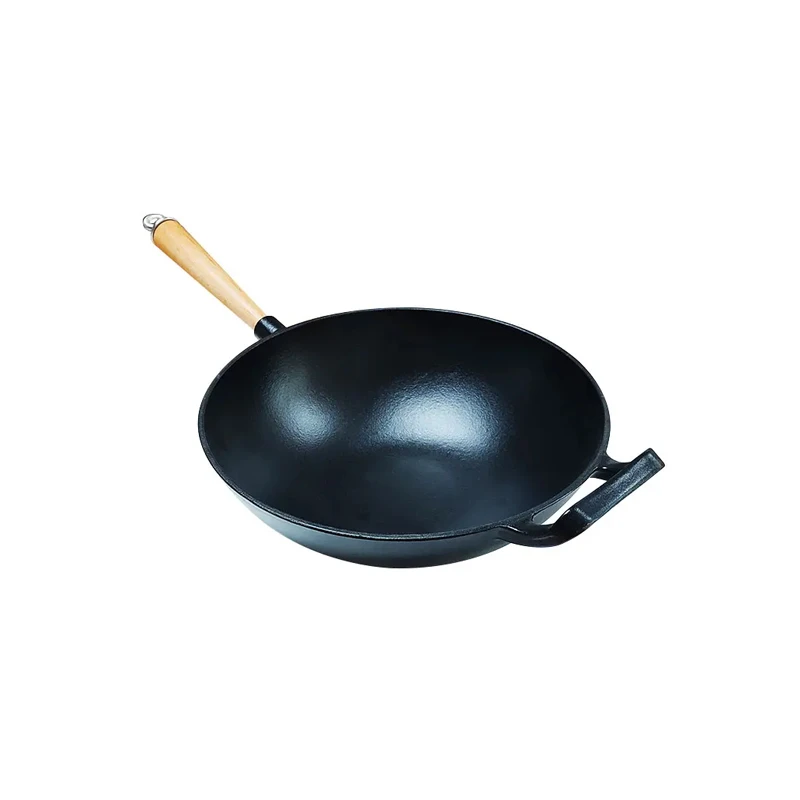
Richiedete avà offerte di utensili di cucina in ghisa
Per piacè, riempite u furmulariu quì sottu è a nostra squadra vi cuntatterà cù i prezzi, i dettagli di u produttu è l'opzioni di persunalizazione.

Debien avanza cù u tempu, aghjurnendu l'attrezzatura, scultendu elaboratamente a nostra marca, fucalizendu nantu à u sviluppu di prudutti di alta gamma è rispondendu attivamente à e richieste di u mercatu cù creatività.


LIGAMI RAPIDI
CUNTATTA CI
Debien avanza cù u tempu, aghjurnendu l'attrezzatura, scultendu elaboratamente a nostra marca, fucalizendu nantu à u sviluppu di prudutti di alta gamma è rispondendu attivamente à e richieste di u mercatu cù creatività.
Copyright © 2026 HEBEI DEBIEN TECHNOLOGY CO., LTD. Tutti i diritti riservati. Sitemap | Pulitica di privacy


