



- Afrikaans
- Albanian
- Amharic
- Arabic
- Armenian
- Azerbaijani
- Basque
- Belarusian
- Bengali
- Bosnian
- Bulgarian
- Catalan
- Cebuano
- Corsican
- Croatian
- Czech
- Danish
- Dutch
- English
- Esperanto
- Estonian
- Finnish
- French
- Frisian
- Galician
- Georgian
- German
- Greek
- Gujarati
- Haitian Creole
- hausa
- hawaiian
- Hebrew
- Hindi
- Miao
- Hungarian
- Icelandic
- igbo
- Indonesian
- irish
- Italian
- Japanese
- Javanese
- Kannada
- kazakh
- Khmer
- Rwandese
- Korean
- Kurdish
- Kyrgyz
- Lao
- Latin
- Latvian
- Lithuanian
- Luxembourgish
- Macedonian
- Malgashi
- Malay
- Malayalam
- Maltese
- Maori
- Marathi
- Mongolian
- Myanmar
- Nepali
- Norwegian
- Norwegian
- Occitan
- Pashto
- Persian
- Polish
- Portuguese
- Punjabi
- Romanian
- Russian
- Samoan
- Scottish Gaelic
- Serbian
- Sesotho
- Shona
- Sindhi
- Sinhala
- Slovak
- Slovenian
- Somali
- Spanish
- Sundanese
- Swahili
- Swedish
- Tagalog
- Tajik
- Tamil
- Tatar
- Telugu
- Thai
- Turkish
- Turkmen
- Ukrainian
- Urdu
- Uighur
- Uzbek
- Vietnamese
- Welsh
- Bantu
- Yiddish
- Yoruba
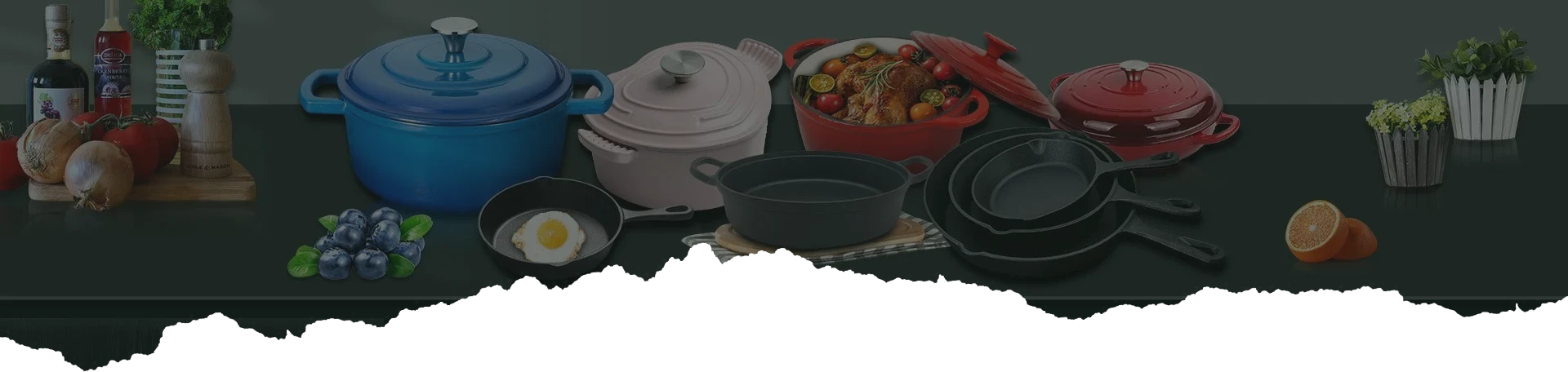
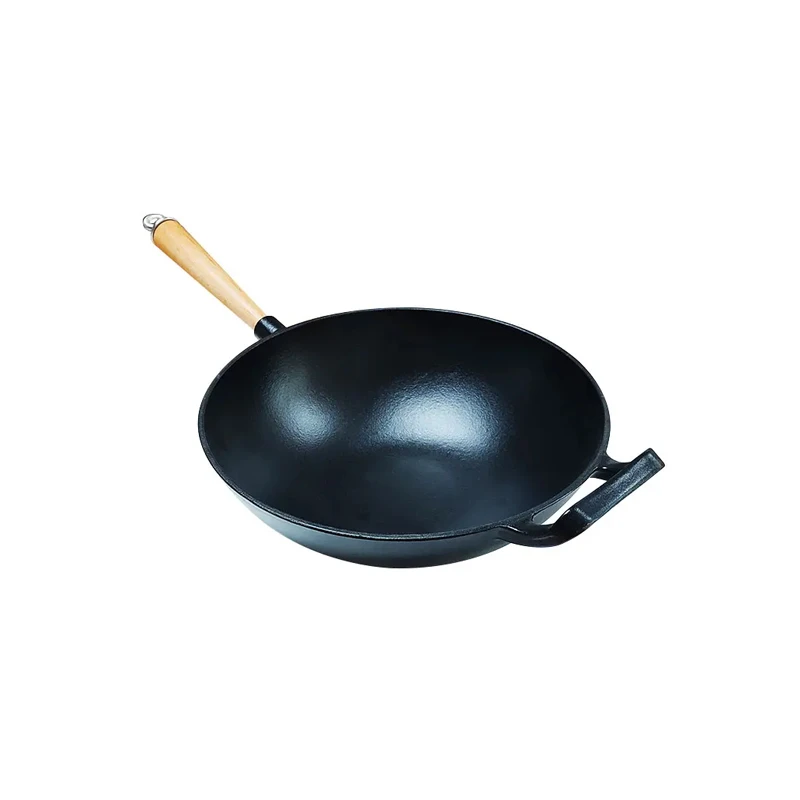
Nkedo Iron Wok


Nke a nkedo wok na-ejikọta nka ọdịnala na ọrụ ọgbara ọhụrụ ma bụrụ ngwa nri dị mkpa na kichin. Ma ịkpali frying, pan-frying, esi, swing, braising ma ọ bụ miri-ighe, ọ nwere ike inye nkwado okpomọkụ kwụsiri ike na ahụmahụ nri dị mma. Ọ na-adabara maka ngwa ngwa ngwa ngwa ndị China na-agba ọkụ na efere ndị dị mkpa iji chekwaa ekpomeekpo mbụ nke ihe ndị na-emepụta ihe na-eme ka ọ bụrụ ihe na-eme ka ọkụ na-ekpo ọkụ na-ekpo ọkụ na-arụ ọrụ nke ọma na-arụ ọrụ nchekwa okpomọkụ bụ ihe kachasị mma nke ígwè wok. Ite ahụ nwere ahụ siri ike, nke nwere ike ikpo ọkụ ngwa ngwa na nke ọma ma nọgide na-enwe okpomọkụ dị elu ruo ogologo oge. Ọ dabara nke ọma maka efere ndị chọrọ ịmegharị ngwa ngwa n'elu oke ọkụ, dị ka ọkụkọ Kung Pao, beef oyster sauce, na agwa akwụkwọ ndụ akwụkwọ ndụ akpọnwụ akpọnwụ. Ọ bụghị naanị na ọ ga-ejigide ihe oriri na mmiri nke ihe ndị na-emepụta ihe, kamakwa ọ na-ewepụta ísì ísì mmanụ, na-egosi ezi ekpomeekpo nke nri ndị China.
POTS igwe nkedo na-enwe njirimara nke ịdị ala na mmanụ na enweghị osisi. Dị ka a na-eji ha ogologo oge, ihe nkiri mmanụ na-agbakọta, na-eme ka ha dịkwuo mfe iji. N'iji ya tụnyere pans ndị na-adịghị mma, ọ dịghị ihe mkpuchi kemịkalụ ma ọlị, ọ dị mma ma dịkwuo mma na gburugburu ebe obibi, ọ dịkwa mma maka ndị ọrụ na-aṅa ntị na nchekwa nri. Ụdị ụfọdụ na-eji mkpuchi enamel, nke dị mfe ihicha ma na-enye ohere maka nri dị mma nke ihe acidic. A na-emepụta ahụ ite ahụ dị ka ergonomics si dị. Ọdịdị ala dị omimi nke yiri arc dị mma maka ịmegharị ihe na ihe ndị dị na ya adịchaghị agbasa. Ụdị ntị abụọ ma ọ bụ ogologo aka na-eme ka ọ dị mma ịkwaga na wụsa akwụkwọ nri. Ọ dị mma maka isi mmalite ọkụ dị iche iche dị ka stovu gas, ndị na-esi nri induction, na stovu seramiiki eletrik, enwere ike iji ya na oven, na-enweta ọtụtụ ojiji n'otu ite.
Ihe nkedo wok abụghị naanị ngwa kichin na-arụ ọrụ dị elu, kamakwa ọ na-ebu ibu nke omenala isi nri ọdịnala. Udidi retro ya na-akwado ụdị kichin ọgbara ọhụrụ nke ọma, na-adị mma ma mara mma. Ọ dị mma maka iji ụlọ eme ihe kwa ụbọchị yana maka ndị na-anụ ọkụ n'obi na ndị ọkachamara na-esi nri na ụlọ ọrụ nri. Nke a nkedo ígwè wok na-ejikọta nkwụsi ike dị elu nke okpomọkụ, ịdịte aka na ọtụtụ ọrụ, na-eme ka ọ bụrụ nhọrọ a pụrụ ịdabere na ya maka ịkwalite mma na ekpomeekpo nke nri. Ma ọ bụ ighe ngwa ngwa nke efere ọkụ ma ọ bụ ighe ngwa ngwa, nkedo-iron wok nwere ike inyere gị aka ịchịkwa okpomọkụ ngwa ngwa ma mepụta nri dị ụtọ nke ọkachamara.
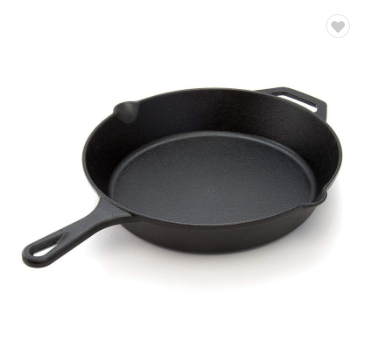
Cookware Obere ihe nkedo agbagoro agbagoro agbagoro agbagoro n'ogbe na-eji aka
View More
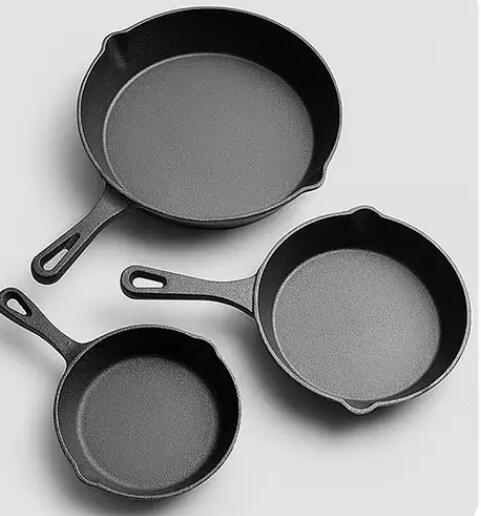
Ihe mkpuchi Ezinụlọ na-abụghị Stickware Black fry ite nri nkedo ígwè Skilletcast ígwè mkpuchi agbachagoro agbacharị
View More
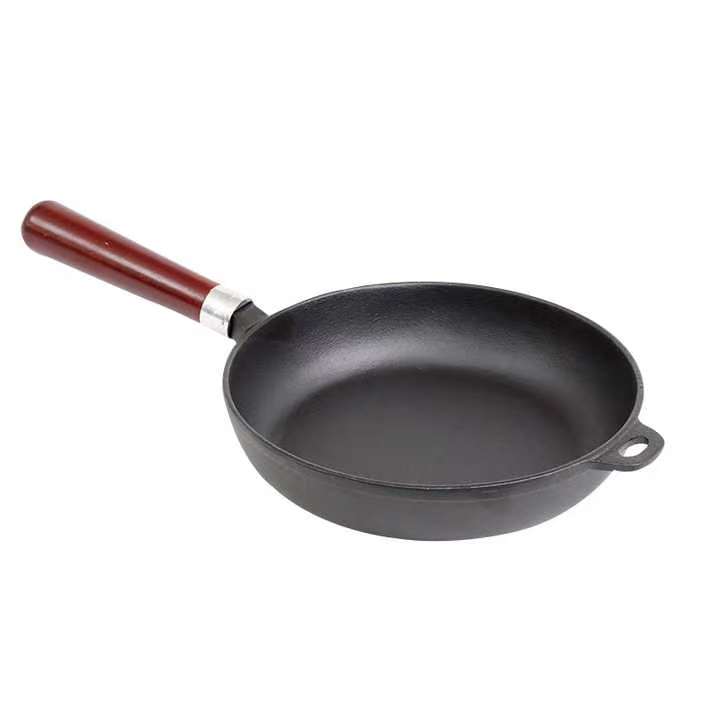
Igwe ihe nkedo agbagoro agbagoro agbagoro agbagoro nwere fry pan nwere aka osisi
View More
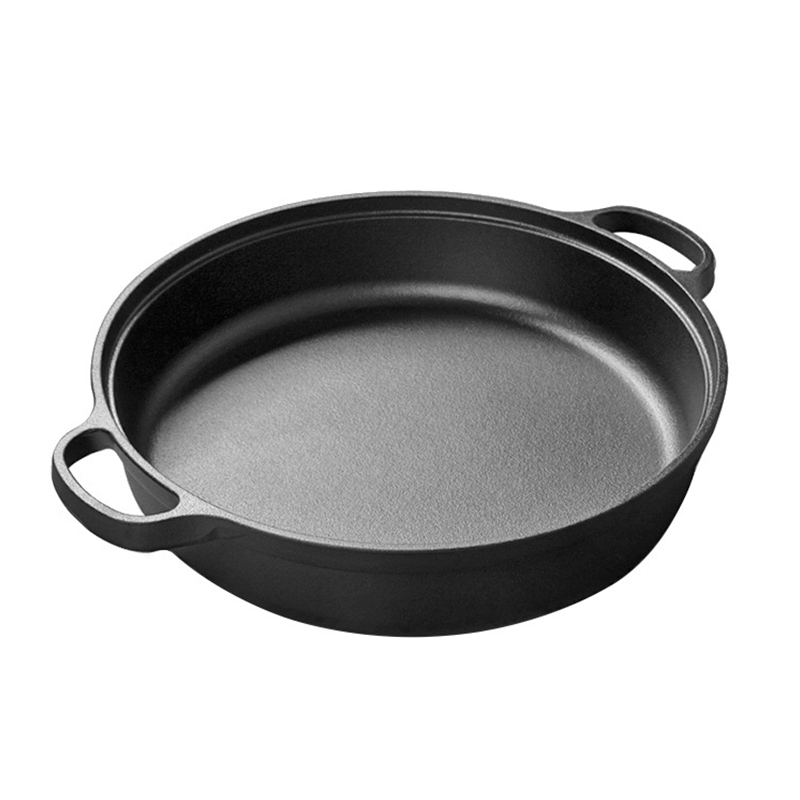
Ngwa mmanụ ihe oriri ndị China wụba ígwè
View More
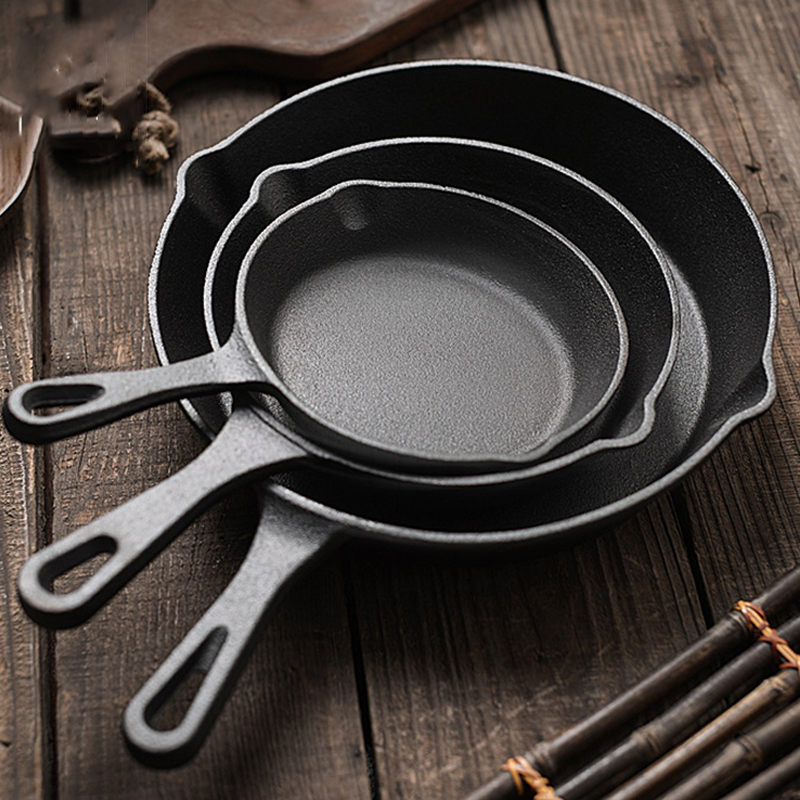
Igwe ihe nkedo nwere ọnụ ala dị ala dị ala nke nwere akwa akwa akwa akwa akwa nke ọma
View More
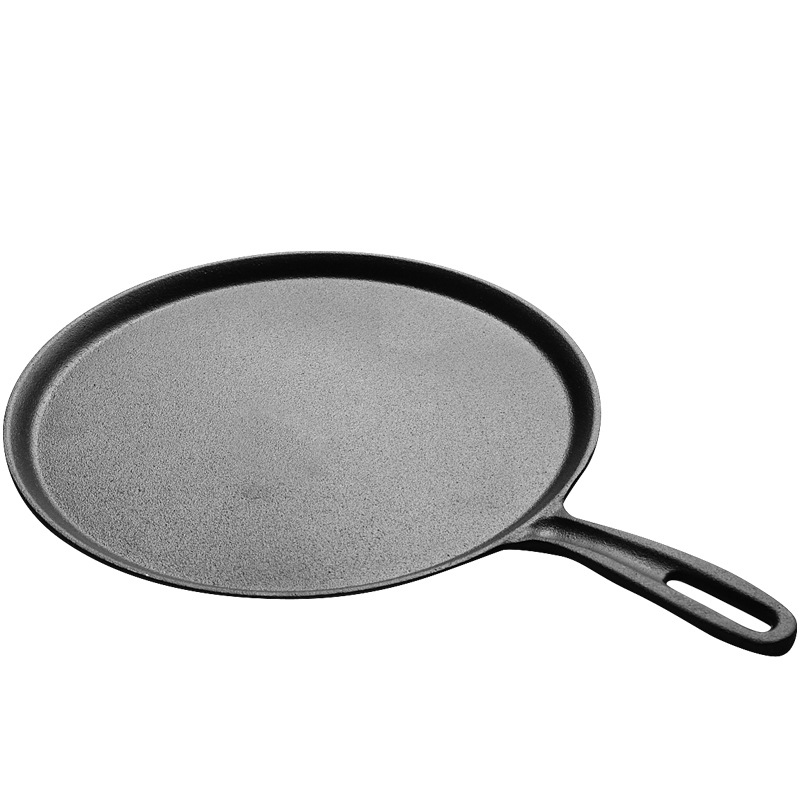
Ọdịmma Ọdịmma Ọdịmma igwe nkedo igwe Skillet frying Pans gburugburu akwa Mfe Flat Pan
View More
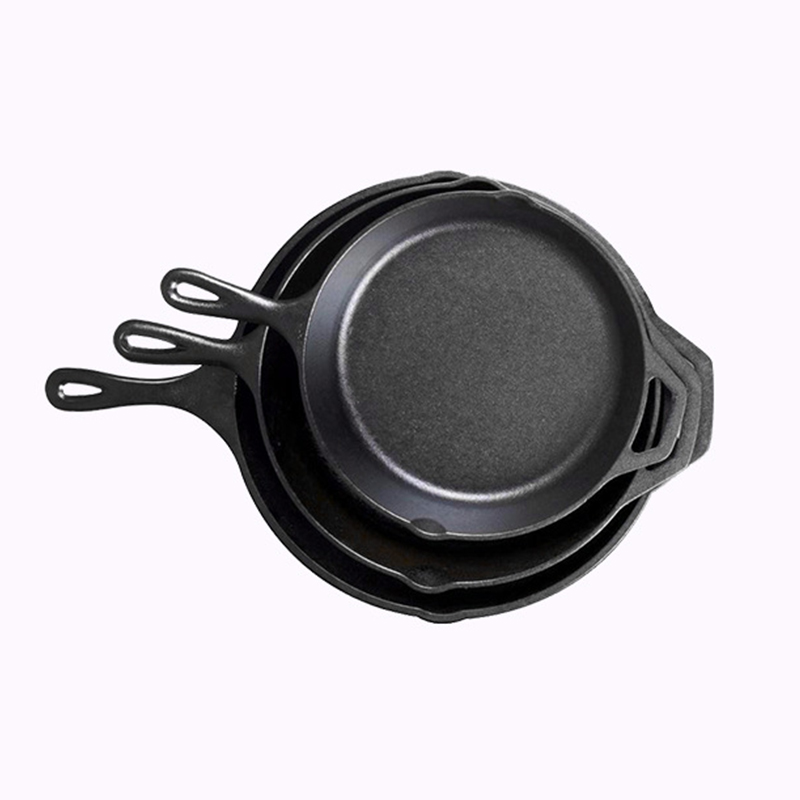
Ihe nkedo nke mmanụ oriri na-ere mmanụ nke China kacha ere
View More
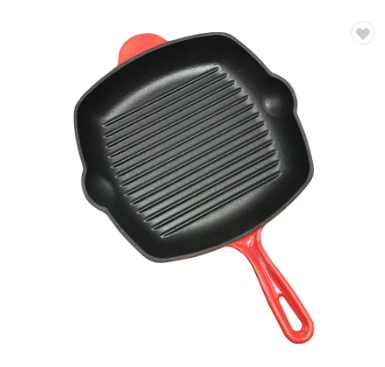
Omenala n'èzí Camping Square Enamel Cast Iron Bbq Grill Steak Pan With Hand
View More
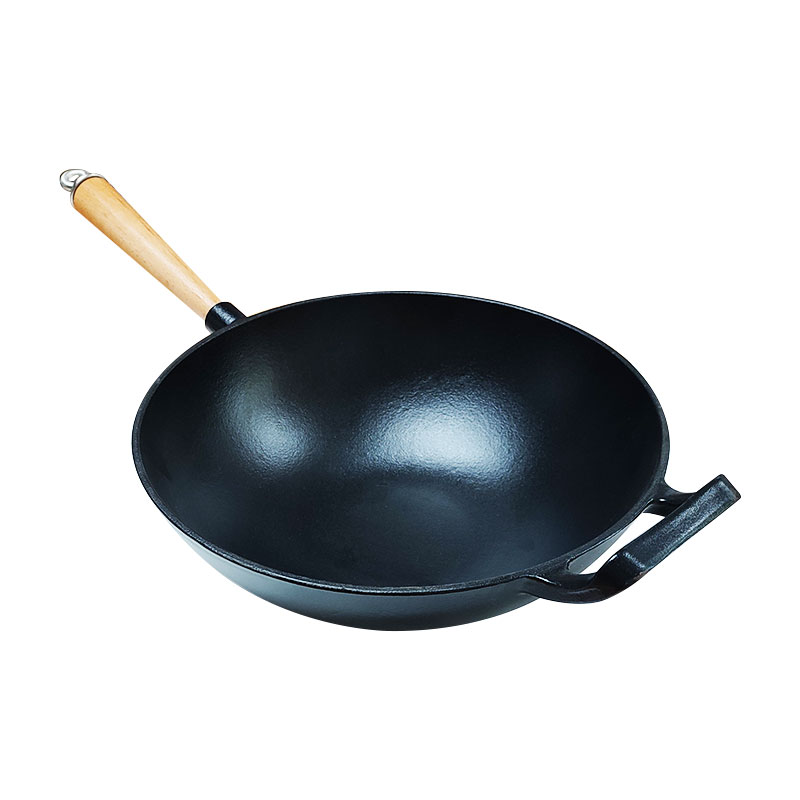
31CM ejiri ihe eji eme osisi emebere ya nke ọma Iron Cookware Wok
View More
Kedu ihe ị ga-ezere mgbe ị na-azụta Wok?
Ịhọrọ wok ziri ezi nwere ike ime mgbanwe dị ukwuu na ahụmịhe nri gị. Otú ọ dị, ọtụtụ ndị na-azụ ahịa n'amaghị ama na-adaba n'ọnyà nkịtị mgbe ha na-azụta otu. Nke a bụ ihe anyị ga-ezere—na ka igwe nkedo wok anyị si guzo iche dị ka ihe ngwọta ka mma. Zere woks nke ígwè dị mkpa mere. Ndị a nwere ike na-ekpo ọkụ ngwa ngwa mana ha na-eme ya n'ụzọ na-ezighi ezi ma hapụ ikpo ọkụ dị ka ngwa ngwa. Nke a na-eduga na nri na-ekwekọghị ekwekọ na "wok hei" dara ogbenye (sear na-ese anwụrụ dị mkpa iji mee ka fry). Ihe nkedo anyị wok, n'ụzọ dị iche, na-ejigide okpomọkụ nke ọma ma na-enye ohere ịmegharị ọkwa ọkachamara nwere ezigbo udidi na ụtọ.
Ọtụtụ woks na-adịghị ahụkebe enweghị ike ijikwa oke okpomoku ma nwee ike hapụ kemịkalụ na-emerụ ahụ mgbe oke ọkụ dị. Nke a na-eme ka ha ghara ịdị mma maka ịfụ ọkụ n'ezie, nke chọrọ isi nri okpomọkụ. Wok anyị enweghị ihe mkpuchi kemịkalụ-dị ka ihe nkedo nwere ụtọ ma ọ bụ enamel nke na-eme ka ọ dị mma na ojiji ọ bụla na-adịkwa mma kpamkpam. Wok kwesịrị inwe ọdịdị miri emi, gbara okirikiri iji mee ka ịwụfu ihe na ịchịkwa mpaghara okpomọkụ. Atụmatụ na-emighị emi ma ọ bụ dị larịị anaghị ekwe ka usoro esi nri kwesịrị ekwesị. wok anyị na-egosipụta ntọala mgbagọ ọdịnala nke na-emepụta mkpokọta okpomoku eke, dị mma maka ịcha ọkụ dị elu na akwụkwọ nri ngwa ngwa ma ọ bụ ịtụ anụ.
Ụfọdụ woks carbon ígwè ọdịnala adịghị mma maka induction ma ọ bụ stovu ọkụ eletrik. Ihe nkedo anyị wok, Otú ọ dị, na-arụ ọrụ na isi mmalite okpomọkụ, gụnyere gas, ọkụ eletrik, seramiiki, na induction. Enwere ike iji ya na oven maka gbakwunyere mgbanwe. Emebere wok igwe nkedo anyị ka ọ nọrọ ruo ọgbọ na-enwe obere mmezi. Site n'itinye nri kwesịrị ekwesị, ọ na-etolite elu na-adịghị mma ma na-akawanye mma mgbe ị na-eto eto. Zere woks ndị na-adị oke ọkụ, mkpuchi kemịkalụ, ma ọ bụ nke na-adịghị mma. Họrọ wok nkedo nke na-enye ogologo oge, arụmọrụ, yana ezigbo nri nri - dịka nke anyị.
Cast Iron Wok vs Carbon Steel
When comparing a cast iron wok vs carbon steel, most home cooks and professional chefs focus on durability, heat retention, and cooking versatility. Both materials are staples in Asian-style stir-fry cookware, but the cast iron wok pan has unique strengths that carbon steel simply cannot match. And when it comes to choosing a reliable, high-performance option, the Debien cast iron wok pan pushes these natural advantages even further through superior craftsmanship and material selection.
A traditional carbon steel wok heats up quickly, making it suitable for fast stir-frying. However, carbon steel also loses heat quickly once ingredients hit the surface, especially when cooking in larger portions. This leads to inconsistent searing, steaming instead of browning, and flavor loss. By contrast, a cast iron wok pan delivers unmatched heat retention. Once heated, cast iron remains steady and powerful, locking in high temperatures even when the pan is loaded with meat, vegetables, or liquids. This stability is the key to achieving true wok hei—those smoky flavors and crisp textures that define authentic Asian cooking.
Where Debien excels is in elevating the natural benefits of cast iron through meticulous engineering. The Debien cast iron wok pan is molded using high-precision casting technology, giving the wok a thicker, more uniform base. This not only improves heat distribution but also reduces hot spots that are common in carbon steel cookware. In addition, Debien enhances the pan with a naturally non-stick pre-seasoning layer, eliminating the heavy maintenance burden often associated with traditional cast iron. Users can enjoy a smoother surface, easier cleanup, and better food release right out of the box.
Another significant advantage of Debien’s design is structural resilience. Carbon steel woks are prone to warping under high heat, especially on modern stovetops. A cast iron wok pan, especially one manufactured with Debien’s dense casting method, maintains its shape and cooking integrity for decades. This gives it long-term stability and makes it a dependable tool for searing, deep-frying, braising, and simmering.
In short, cast iron truly outperforms carbon steel in heat retention, structural strength, and flavor development—and a Debien cast iron wok pan amplifies these strengths with modern craftsmanship, durability, and user-friendly seasoning. Whether for home kitchens or professional use, Debien’s wok offers a superior long-term cooking experience.
How to Season a Chinese Cast Iron Wok / Pan
Seasoning a Chinese cast iron wok or cast-iron wok pan is an essential step if you want to achieve that signature non-stick patina and deep, smoky flavor associated with authentic wok cooking. A well-seasoned wok not only improves performance but also protects the surface from rust, prolonging the cookware’s lifespan. The process is simple, but doing it correctly makes a big difference, especially for cast iron, which benefits from repeated oil polymerization and high-heat curing. Below is a clear, step-by-step guide to help you season your wok or pan properly and maintain it for long-term use.
Start by washing the new wok or pan thoroughly using warm water and a small amount of mild detergent. This first wash removes factory oils and residues that prevent proper seasoning. After cleaning, dry the wok completely—either by towel-drying or placing it over medium heat for a few minutes. Eliminating moisture is crucial because cast iron is highly prone to rusting whenever water is left on the surface.
Once dry, apply a very thin, even layer of high-smoke-point oil such as flaxseed oil, canola oil, or grapeseed oil. Avoid olive oil or butter, as they burn at lower temperatures and won’t create the durable polymerized coating you need. Ensure you coat the entire surface inside and out, but keep the layer extremely light; excess oil leads to sticky patches instead of a smooth finish.
Heat the wok over high heat until the oil begins to smoke. This is the moment where polymerization occurs—oil bonds with the metal, forming the protective black patina that gives a Chinese cast iron wok its signature look. Rotate and tilt the wok to ensure all sides are evenly heated. When the smoking stops, allow it to cool naturally. Repeat this oil-and-heat cycle two to three more times for optimal seasoning.
After seasoning, maintenance is straightforward: clean the wok with hot water only—no soap—and scrub with a soft brush. Dry it immediately and apply a micro-thin coat of oil before storing. Over time, with consistent cooking and proper care, your wok will develop a naturally slick, non-stick surface ideal for stir-frying, steaming, searing, and deep-frying. A well-seasoned Chinese cast iron wok becomes better the more you use it, turning into a reliable staple in your kitchen.
Cast Iron Wok Pan for High Heat Cooking — Why It Works Better
When it comes to serious high-heat cooking, few tools match the reliability and sheer performance of a cast iron wok pan. Home cooks and professionals alike appreciate how it transforms simple ingredients into restaurant-level dishes, especially when using a cast iron wok for stir-frying, searing, or deep-frying. Its distinctive material properties give it clear advantages over lightweight alternatives like carbon steel or aluminum.
First, cast iron retains heat exceptionally well. Unlike thinner metals that cool down the moment you add ingredients, a cast iron wok stays blazing hot. This stable temperature is essential for “wok hei”—that smoky, charred flavor you get only with true high-heat cooking. Because the wok does not drop in temperature, vegetables stay crisp, proteins brown quickly instead of steaming, and sauces reduce faster for deeper flavor. Anyone using a cast iron wok will immediately notice this difference in texture and taste.
Second, weight translates to even heating. Cast iron distributes heat from rim to center, eliminating the hot spots that often burn garlic or leave larger cuts of meat undercooked. This makes it a great option for Western home kitchens, where gas burners are not always powerful enough to deliver authentic stir-fry performance. With proper preheating, a cast iron wok compensates for weaker stovetops.
Another advantage comes from the natural seasoning layer that develops with repeated use. This polymerized coating creates a semi-nonstick surface that improves with time, making it easier to cook delicate ingredients and clean up afterward. The more you cook, the better it performs—something most nonstick pans can’t offer.
Many readers also consider the cast iron wok price when choosing cookware. While cast iron might cost slightly more than entry-level materials, it’s still surprisingly affordable compared to premium stainless steel. And because it lasts decades with minimal maintenance, the long-term value outweighs the upfront investment. For anyone committed to high-heat cooking techniques, the balance of price, durability, and performance makes cast iron one of the smartest choices.
In short, if you want better searing, improved heat retention, and a wok that gets better with age, a cast iron wok pan stands out as the superior tool.
Ọ dị mma iji ígwè nkedo esi nri?
Iji ígwè nkedo rie nri abụghị naanị ihe a na-eme n'ọdịnala-ọ bụkwa ihe amamihe dị na ya, nke na-ahụ maka ahụike. N'adịghị ka pans na-enweghị mmachi nke ejiri kemịkal kpuchie, igwe ihe nkedo nkedo na-enye elu esi nri na-adịghị egbu egbu nke na-eme ka ọ dịkwuo mma site na iji ya, na-eme ka ọ bụrụ otu n'ime nhọrọ kachasị mma na kichin gị. Otu n'ime uru kachasị ukwuu nke ígwè nkedo bụ na ọ nweghị ihe mkpuchi sịntetịt dị ka PTFE ma ọ bụ PFOA, nke a na-ahụkarị na ngwa nri anaghị agba nchara. Chemicals ndị a nwere ike ịhapụ nsị na oke okpomọkụ, na-ebute ihe ize ndụ ahụike. Iji ígwè nkedo, ị ga-enweta elu igwe dị ọcha nke na-agaghị etinye ihe ndị na-emerụ ahụ n'ime nri gị. Ka oge na-aga, ite ma ọ bụ pan nke nkedo nke ọma na-etolite ihe mkpuchi eke, nke na-enweghị kemịkalụ. Nke a pụtara na ị nwere ike iji obere mmanụ esi nri, nke ka mma maka ahụike obi na njikwa ibu - na-enweghị ịchụ ekpomeekpo ma ọ bụ udidi. Ihe nkedo nke igwe nwere ike ịkwalite oriri ígwè gị, karịsịa mgbe ị na-esi nri acidic dị ka tomato ma ọ bụ efere na ihe ọṅụṅụ lemon. Ígwè bụ ihe dị mkpa ịnweta nke na-akwado ike ike na ahụ ike dịghịzi. Maka ndị mmadụ n'otu n'otu na-enwekarị ụkọ ígwè, nke a nwere ike ịbụ uru agbakwunyere - na-ejikọta ya na nri kwa ụbọchị. N'ihi na ígwè nkedo na-ejide ma na-ekesa okpomọkụ nke ọma, ọ na-enye gị ohere isi nri nke ọma na nke ọma. Ị nwere ike ịcha anụ n'ejighị ọkụ, kpalite akwụkwọ nri ngwa ngwa iji jide nri, ma ọ bụ stews obi na-adịghị ngwa ngwa-niile na-enweghị mkpa ọzọ abụba ma ọ bụ ihe mgbakwunye.Health abụghị naanị ihe dị na efere gị-ọ bụkwa maka nkwado. Ite ígwè nkedo dị elu nwere ike ịdịru ndụ ogologo oge ma ọ bụ karịa, na-ebelata mkpa ọ dị maka ndochi anya ma na-eweda akara ukwu gburugburu gị. Obere ite ndị a tụfuru atụfu pụtara mbara ụwa dị mma karịa. Iji ígwè nkedo eme nri na-akwado ndụ ahụike ka mma site n'iwepụ mkpughe kemịkalụ, na-agba ume idogide ihe oriri, ibelata ojiji mmanụ, na ọbụna ịkwalite ọkwa ígwè gị n'ụzọ nkịtị. Ọ bụghị naanị ngwa nri - ọ bụ ntinye aka maka ịdị mma, otu nri n'otu oge.
Jụọ ugbu a maka Azụmaahịa Cast Iron Cookware
Biko dejupụta fọm dị n'okpuru na ndị otu anyị ga-alaghachikwute gị site na ọnụahịa, nkọwa ngwaahịa na nhọrọ nhazi.

Debien na-eji oge na-aga n'ihu, na-emelite akụrụngwa, na-akpụpụta akara anyị nke ọma, na-elekwasị anya n'ịzụlite ngwaahịa dị elu, ma na-arụsi ọrụ ike na-anabata ihe ahịa chọrọ site na imepụta ihe.


Njikọ ngwa ngwa
KPỌTỤRỤ ANYỊ
Debien na-eji oge na-aga n'ihu, na-emelite akụrụngwa, na-akpụpụta akara anyị nke ọma, na-elekwasị anya n'ịzụlite ngwaahịa dị elu, ma na-arụsi ọrụ ike na-anabata ihe ahịa chọrọ site na imepụta ihe.
Copyright © 2026 HEBEI DEBIEN TECHNOLOGY CO., LTD. Ikike niile echekwabara. Sitemap | amụma nzuzo


