



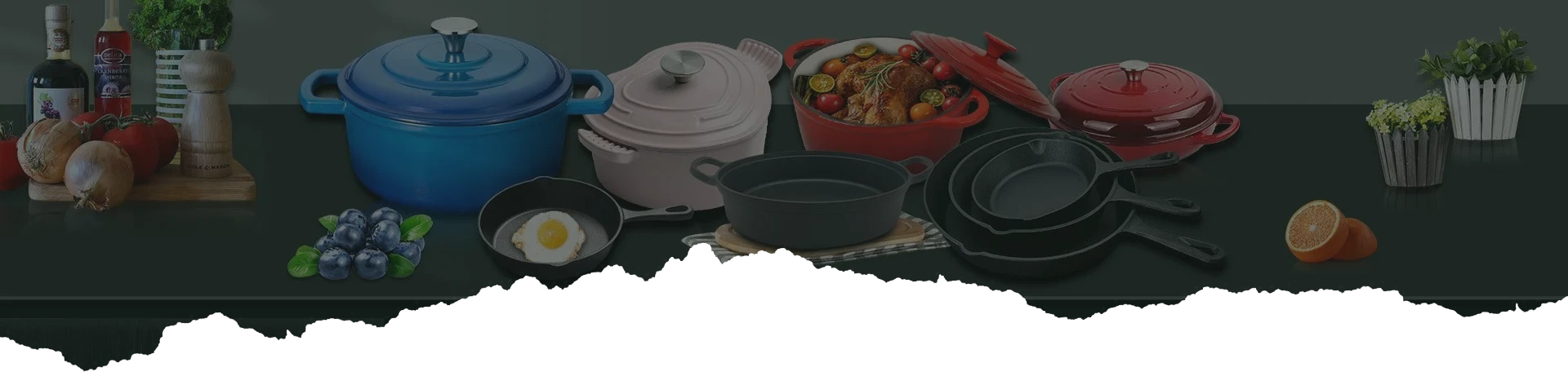

Wrought Iron Skillet: Durable, Sustainable Cookware for Every Kitchen
Dec . 05, 2025 11:10
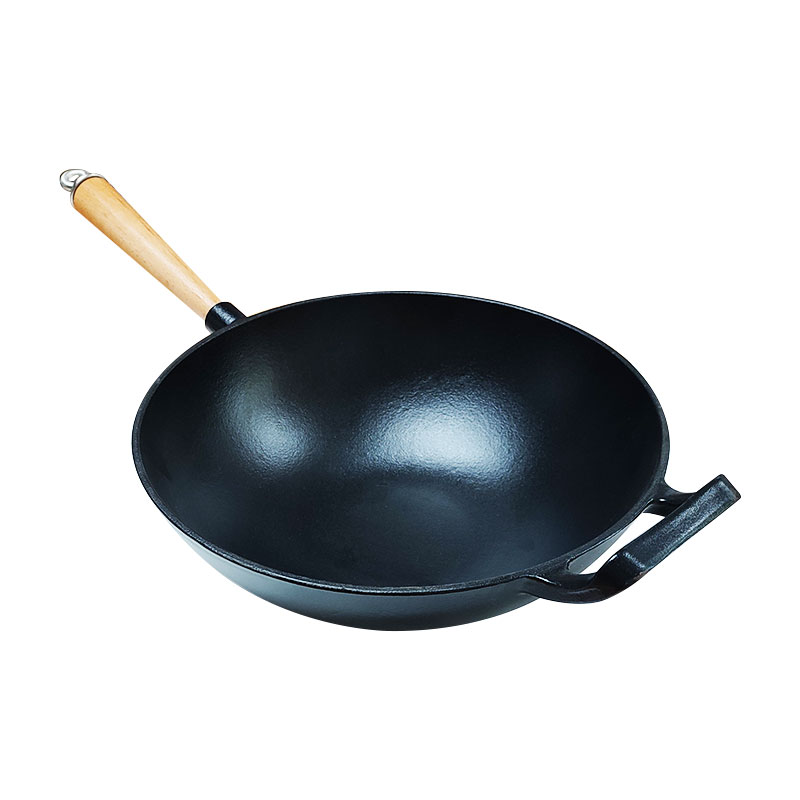
The Wrought Iron Skillet: A Timeless Kitchen Companion
Wrought iron skillets have been quietly holding their ground in kitchens worldwide for centuries, yet their global significance goes beyond just cooking.
Understanding the wrought iron skillet means appreciating its durability, natural heat retention, and sustainable manufacturing—qualities that resonate strongly with today’s environmental concerns and culinary demands. Oddly enough, while newer materials flood the market, wrought iron remains a favorite for chefs and home cooks alike for those perfectly seared dishes.
Why Does the Wrought Iron Skillet Matter Globally?
Globally, the demand for cookware that combines performance with eco-friendliness continues to grow. According to ISO standards on sustainable manufacturing, materials like wrought iron—known for their longevity and recyclability—play a crucial role in reducing kitchen waste. In fact, the World Bank notes a 25% uptick in the use of durable kitchen tools in emerging markets over the past decade, highlighting emerging consumer preferences.
One problem that many kitchens face worldwide: the use-and-dispose culture around non-stick pans, which often contain chemicals harmful to both health and environment. Wrought iron skillets offer a natural, chemical-free alternative, reshaping not just cooking practices, but also sustainability at home and in the industry.
What Is a Wrought Iron Skillet?
Simply put, a wrought iron skillet is a heavy, hand-finished pan crafted from iron that has been mechanically worked to enhance its durability. Unlike cast iron, wrought iron has a fibrous microstructure with fewer carbon inclusions, giving it a distinctive flexibility and toughness. This makes it excellent for heat distribution and retention.
From a humanitarian angle, durable cookware like this is invaluable in regions with limited resources and infrastructure. Durable pans mean fewer replacements, less waste, and safer cooking experiences.
Key Characteristics of Wrought Iron Skillets
Durability
One of the strongest suits of wrought iron is how tough it is. You could hand it down through generations with proper care, and it will only get better. This durability translates to fewer replacements, meaning less consumption and waste.
Heat Retention and Distribution
Wrought iron skillets heat evenly and hold temperature well, making it ideal for frying, searing, or slow cooking. Unlike some pans that develop hot spots, these skillets give a steady cooking surface that chefs rely on.
Natural Non-Stick Qualities
Seasoning a wrought iron skillet creates a naturally non-stick surface without synthetic coatings, which means no harmful chemicals leach into food during cooking.
Sustainability
The production and recycling of wrought iron rank better ecologically compared to many alloys. Plus, the pan itself, if cared for, can last a lifetime.
Cost Efficiency
Though upfront cost might be slightly higher than generic pans, in real terms, the longevity and performance of wrought iron offer greater value over time.
Mini Takeaway:
Wrought iron skillets embody a balance of tradition, performance, and sustainability that's hard to beat in kitchenware.
Wrought Iron Skillets Around the World: Applications & Use Cases
Across Europe and North America, these skillets are kitchen staples in professional restaurants and homes. Their presence is steadily growing in Asia and Africa, where more consumers seek durable, chemical-free cookware. For example:
- In Post-Disaster Relief, durable cookware like wrought iron pans are sent to disaster areas, ensuring people can cook safely for extended periods without the need for frequent replacements.
- In Remote Industrial Zones, where electricity and gas supply might be unreliable, these skillets are valued for their ability to retain heat over open fires or charcoal stoves.
- In Culinary Institutes, chefs swear by the consistent heat transfer for mastering searing and frying.
Advantages & Long-Term Value of Wrought Iron Skillets
There's something almost emotional about cooking with a well-seasoned wrought iron skillet—it feels like a link to generations past, to authentic food preparation. But more than nostalgia, it has tangible benefits:
- Cost-Effective Longevity: Durable, requiring minimal replacement.
- Sustainability: Made from recyclable materials, reducing environmental footprint.
- Health-Safe: Free from PTFE and PFOA chemicals common in non-stick pans.
- Reliable Performance: Even heat distribution enhances cooking results consistently.
Trust and safety are paramount—wrought iron skillets tend to inspire both, making them preferred tools for chefs and families alike. It’s no wonder many consider them kitchen heirlooms.
Product Specifications of a Standard Wrought Iron Skillet
| Feature | Specification |
|---|---|
| Material | Wrought Iron |
| Diameter | 10 inches (25.4 cm) |
| Weight | Approx. 3 lbs (1.35 kg) |
| Thickness | 5 mm |
| Coating | Natural seasoning (oil polymerized surface) |
| Oven Safe | Yes, up to 500°F (260°C) |
Vendor Comparison: Top Wrought Iron Skillet Brands
| Brand | Price Range | Material Quality | Seasoning & Coating | Warranty |
|---|---|---|---|---|
| DeBien Cookware | $45 - $70 | High-grade wrought iron | Pre-seasoned, natural oils | Lifetime |
| Traditional Forge Co. | $55 - $85 | Mid-grade wrought iron | Unseasoned (requires oiling) | 5 years |
| Heritage Metals | $60 - $90 | Premium wrought iron blend | Hand-seasoned, eco oils | 10 years |
Future Trends & Innovations Impacting Wrought Iron Skillets
The future for wrought iron cookware is interesting. Sustainability efforts are encouraging manufacturers to innovate in eco-friendly sourcing of raw materials and improve energy-efficient forging processes. Digital manufacturing techniques, like AI-assisted quality control, are beginning to emerge, ensuring better consistency. Some companies also experiment with hybrid materials to reduce weight while maintaining heat retention.
Green energy initiatives are slowly impacting the forging industry by promoting renewable power use, potentially decreasing the environmental footprint. It’s a slow shift but meaningful, especially when cookware—the everyday tool—is made more sustainable.
Challenges & Solutions
Wrought iron skillets are heavy, requiring care to prevent rust, and seasoning can be intimidating for novices. However, thorough guides and new pre-seasoned options alleviate these hurdles. In fact, many brands now include detailed maintenance instructions or offer ready-to-use seasoning.
Transport and cost in some regions can limit adoption, but innovative direct-to-consumer e-commerce channels and global supply chains are helping bridge these gaps.
FAQs About Wrought Iron Skillets
- Q: How do I maintain my wrought iron skillet to prevent rust?
A: Keep it dry after cleaning, apply a light coat of oil after each use, and avoid soaking. If rust appears, scrub lightly and re-season. - Q: Are wrought iron skillets safe for cooking acidic foods?
A: Cooking highly acidic foods (like tomatoes) can strip seasoning temporarily, but it won’t damage the pan if properly maintained. Just re-season afterward. - Q: How does a wrought iron skillet compare to cast iron?
A: Wrought iron is more flexible and responsive to heat changes, typically thinner, and has a different grain structure. Both are durable, but their feel and care slightly differ. - Q: Can I put a wrought iron skillet in the dishwasher?
A: No, dishwashers strip the seasoning and cause rust. Hand wash with warm water and dry promptly.
Conclusion: Embracing the Wrought Iron Skillet for Life
Investing in a wrought iron skillet is a nod to durability, sustainability, and culinary tradition. It’s a cookware piece that gets better with age, reflecting personal and environmental values in every use.
If you want to explore high-quality wrought iron skillets that blend craftsmanship with modern sensibility, consider browsing the range at DeBien Cookware. Frankly, once you cook with one, it’s tough to go back.
Happy cooking!
References


2026-03-31 02:45:09
Elevate Your Outdoor Cooking with a Cast Iron Barbecue Experience
Are you ready to elevate your outdoor cooking experience? A cast iron barbecue offers unparalleled heat retention, even cooking, and a delicious smoky flavor that grills simply can't match. This article will explore the benefits of cast iron barbecues, how to choose the right one, proper care and maintenance, and delicious recipes to get you started. From seasoned grill masters to barbecue beginners, this guide has something for everyone.
2026-03-28 02:55:10
Discover the Benefits of Cast Iron and Grill Cookware for Delicious Meals
Cooking with cast iron and grill cookware has seen a massive resurgence in recent years, and for good reason. This method offers a unique combination of heat retention, even cooking, and versatility. Whether you’re searing a steak, baking a rustic pie, or simply enjoying a weeknight meal, understanding the benefits and proper use of these tools can elevate your culinary experience. This guide will explore everything from the advantages of cast iron and grill cookware to tips for seasoning, cleaning, and maintenance.
2026-03-26 02:45:13
Elevate Your Cooking with a Durable Cast Grill Pan for Restaurant Quality Meals
Looking to elevate your cooking game and achieve restaurant-quality results at home? A cast grill pan is a versatile kitchen essential. This guide dives deep into the benefits, uses, care, and how to choose the best cast grill pan for your needs. From searing steaks to grilling vegetables, a cast grill pan delivers exceptional heat retention and even cooking. Let’s explore why this pan should be a staple in every kitchen. Cast iron cookware, and specifically cast grill pans, have been prized by chefs and home cooks for centuries. The key lies in the material itself. Cast iron is renowned for its incredible heat retention, meaning it heats up slowly but stays hot for a long time, resulting in perfectly seared food. The weight of the pan also contributes to even heat distribution, eliminating hot spots. The raised ridges on a grill pan mimic the effect of an outdoor grill, creating those desirable grill marks and allowing fat to drain away, leading to healthier meals.
2026-03-24 02:55:07
Superior Cooking with Durable Cast Grill Grates for Enhanced Flavor
When it comes to grilling, the grate you use significantly impacts the flavor, texture, and overall cooking experience. Cast grill grates, known for their exceptional heat retention and durability, are a popular choice among both novice and experienced grillers. This article will explore the benefits of cast iron grill grates, different types available, care and maintenance tips, and factors to consider when making a purchase. We’ll help you understand why investing in quality cast grill grates can elevate your outdoor cooking. Cast grill grates offer several advantages over other materials like stainless steel or porcelain-coated grates. Primarily, cast iron boasts superior heat retention, ensuring consistent cooking temperatures even when grilling thicker cuts of meat. This even heat distribution minimizes hot spots and promotes more uniform cooking. Furthermore, cast iron naturally develops a non-stick patina over time with proper seasoning, reducing the likelihood of food sticking and making cleanup easier.
2026-03-21 02:45:09
Unlock Flavorful Outdoor Cooking with a Durable Cast Grill
Looking to elevate your outdoor cooking experience? A cast grill offers exceptional heat retention, versatility, and durability. This comprehensive guide will explore the benefits of cast iron grilling, how to choose the right grill, care and maintenance tips, delicious recipes, and why Debien Cookware offers some of the finest cast grill options available. Prepare to unlock a world of flavor and create unforgettable meals with the power of cast iron! A cast grill is essentially a grilling surface made from cast iron. This material is renowned for its superior heat retention, meaning it gets incredibly hot and stays hot, ensuring perfectly seared meats and evenly cooked vegetables. Unlike other grilling materials, cast iron distributes heat uniformly, eliminating hot spots. Its durability is another key advantage; a well-maintained cast grill can last for generations.
2026-03-19 02:45:14
Comprehensive Guide to Durable and Reliable Cast Grates for Various Applications
Cast grates are essential components in drainage systems, offering a robust and reliable solution for managing water flow in various applications. From landscaping and pedestrian areas to industrial settings, these grates play a crucial role in preventing flooding and maintaining safety. This article delves into the world of cast grates, exploring their materials, types, applications, and factors to consider when selecting the right grate for your needs. We'll also highlight how Debien Cookware's commitment to quality and durability translates to excellence in the production of these vital infrastructure elements. Understanding the intricacies of cast grates is key to ensuring efficient drainage and long-term performance. Cast grates are typically manufactured from cast iron, ductile iron, or steel. Cast iron is a traditional material, valued for its affordability and ease of casting. However, it can be brittle. Ductile iron offers improved strength and ductility, making it more resistant to cracking and impact. Steel grates are the strongest option, often used in heavy-duty applications, but are susceptible to corrosion if not properly treated.
2026-03-17 02:45:12
Choosing the Right Cast Charcoal Grill for Superior Outdoor Cooking
When it comes to outdoor cooking, a cast charcoal grill offers a unique and flavorful experience. From searing steaks to slow-cooking ribs, the versatility is unmatched. But with so many options available, selecting the perfect grill can be daunting. This article will explore the benefits of cast charcoal grills, key features to consider, and how to choose the best one for your needs. We’ll cover everything from construction materials to cooking capacity, helping you make an informed decision. Cast iron grills are renowned for their exceptional heat retention. This means they can reach and maintain high temperatures, perfect for searing meats and achieving that desirable char. They also distribute heat more evenly than many other grill materials, minimizing hot spots and ensuring consistent cooking. Several factors influence the performance and convenience of a cast charcoal grill. Cooking surface area is crucial – determine how much food you typically cook to choose an appropriately sized grill. Features like adjustable vents allow you to control airflow and temperature, giving you more precise cooking control.
2026-03-14 02:45:16
Choosing the Right Cast BBQ Grill for Superior Outdoor Cooking
When it comes to outdoor cooking, a cast BBQ grill offers unparalleled heat retention and a distinctive flavor profile. But with numerous options available, selecting the perfect grill can be daunting. This guide will explore the benefits of cast iron grilling, different types of cast BBQ grills, key features to consider, and how to choose the grill that best suits your cooking style and needs. We'll help you understand what makes Debien Cookware’s cast iron grills stand out in the market. Cast iron is renowned for its exceptional heat retention. This means a cast BBQ grill heats up evenly and stays hot for longer, creating perfect searing temperatures for steaks, burgers, and other meats. Unlike thinner grills, cast iron doesn’t have hot spots, ensuring consistent cooking results. Moreover, cast iron is naturally non-stick when properly seasoned, minimizing food sticking and making cleanup easier. The durability of cast iron is another key advantage—a well-maintained cast iron grill can last for generations.
Inquire Now for Cast Iron Cookware Deals
Please Fill Out The Form Below And Our Team Will Get Back To You With Pricing, Product Details, And Customization Options.

Debien is advancing with time, updating equipment, elaborately carving out our brand, focusing on developing high-end products, and actively responding to market demands with creativity.


QUICK LINKS
CONTACT US
Debien is advancing with time, updating equipment, elaborately carving out our brand, focusing on developing high-end products, and actively responding to market demands with creativity.
Copyright © 2026 HEBEI DEBIEN TECHNOLOGY CO., LTD. All Rights Reserved. Sitemap | Privacy Policy | Top Blog


