





Thin Cast Iron Skillet Benefits for Industrial Kitchens | DeBien Cookware
Dec . 03, 2025 18:40
Why a Thin Cast Iron Skillet Makes Sense in Industrial Kitchens
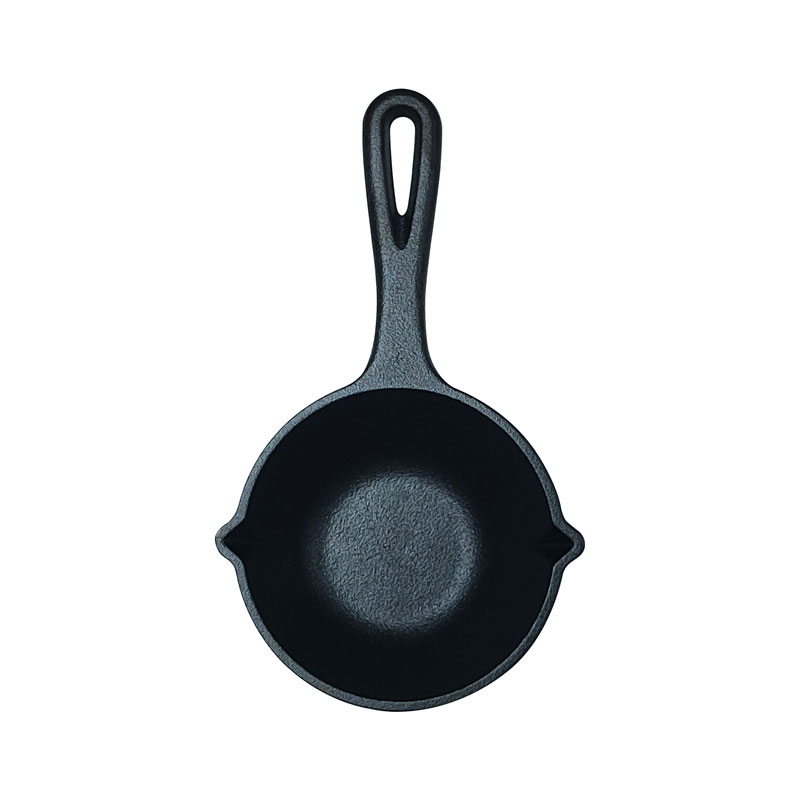
Having spent years around industrial equipment and cookware, I’ve learned to appreciate tools that balance durability with a bit of finesse. So when I first encountered the thin cast iron skillet, I was, frankly, intrigued—and a little skeptical. Cast iron, as many know, is usually hefty and slow to handle, but thin cast iron skillets break that stereotype. Oddly enough, they manage to bring traditional heat retention to the table while being surprisingly nimble.
The industrial kitchens I’ve visited often demand quick temperature adjustments without sacrificing that famous cast iron sear. Thin cast iron skillets provide exactly that. They heat up more quickly and cool down faster than their thicker counterparts, making them ideal when chefs need more control and speed — especially in busy restaurant or catering environments.
And while cast iron's seasoning and care routines might scare off newcomers, many engineers—and cooks alike—find that the thin versions require less fuss. It feels like the slightly lighter weight also encourages more frequent use. You don’t hesitate to pick it up, unlike those monster 12-pounders that sometimes languish untouched.
From a design perspective, these skillets usually feature a thickness around 4 to 6 millimeters rather than 9 or 12, which lends itself well to faster thermal response. It’s a balance: too thin, and you lose heat retention; too thick, and you lose speed. In real terms, it’s about matching the skillet’s personality to the cooking style.
| Feature | Details |
|---|---|
| Thickness | 4–6 mm |
| Diameter | 8” to 12” (varies by model) |
| Material | Cast iron (100% recycled in some lines) |
| Weight | 3 to 5 lbs |
| Finish | Pre-seasoned or bare, depending on vendor |
| Oven safe | Up to 500°F (260°C) |
Having tested a few brands over the years, I can tell you the variance is mostly in finish quality and handle ergonomics. One brand might have a slightly longer handle for better leverage on flat grills, while another focuses on ultra-smooth internal surfaces for a more consistent seasoning buildup.
| Feature | Brand A | Brand B | Brand C |
|---|---|---|---|
| Thickness (mm) | 5 | 4.5 | 6 |
| Weight (lbs) | 4.2 | 3.8 | 5.0 |
| Pre-seasoned | Yes | No | Yes |
| Handle design | Ergonomic curve | Straight & slim | Wide grip, slightly angled |
| Price | $$$ | $$ | $$$$ |
Now, I recall a customer from a large catering firm telling me how switching to thin cast iron skillets cut down their prep times noticeably. They liked how the pans handled delicate searing without overcooking the edges, which saved them a ton of waste. Plus, the lighter weight led to fewer accidents in the hectic kitchen environment. Little things, right? But those add up.
In terms of maintenance, it's good to know these skillets still demand basic care — seasoning, drying after washing, and oiling the surface. But, oddly enough, they tend to build a reliable patina quicker than thicker ones, because you might be using them more consistently thanks to their manageable size and weight.
So, if you’re sourcing cookware for any foodservice operation, I’d seriously recommend considering thin cast iron skillets. They’re kind of like the versatile middle ground—offering strength, heat retention, but with a nimbleness that you don’t expect from cast iron.
All told, thin cast iron skillets have reshaped my thinking about what “industrial” cookware really means.
References:
1. "Cast Iron Skillet Material Science," Journal of Culinary Engineering, 2019.
2. DeBien Cookware Product Catalog, 2023.
3. Interview with Chef Marc G., East Coast Catering, 2022.


2026-03-31 02:45:09
Elevate Your Outdoor Cooking with a Cast Iron Barbecue Experience
Are you ready to elevate your outdoor cooking experience? A cast iron barbecue offers unparalleled heat retention, even cooking, and a delicious smoky flavor that grills simply can't match. This article will explore the benefits of cast iron barbecues, how to choose the right one, proper care and maintenance, and delicious recipes to get you started. From seasoned grill masters to barbecue beginners, this guide has something for everyone.
2026-03-28 02:55:10
Discover the Benefits of Cast Iron and Grill Cookware for Delicious Meals
Cooking with cast iron and grill cookware has seen a massive resurgence in recent years, and for good reason. This method offers a unique combination of heat retention, even cooking, and versatility. Whether you’re searing a steak, baking a rustic pie, or simply enjoying a weeknight meal, understanding the benefits and proper use of these tools can elevate your culinary experience. This guide will explore everything from the advantages of cast iron and grill cookware to tips for seasoning, cleaning, and maintenance.
2026-03-26 02:45:13
Elevate Your Cooking with a Durable Cast Grill Pan for Restaurant Quality Meals
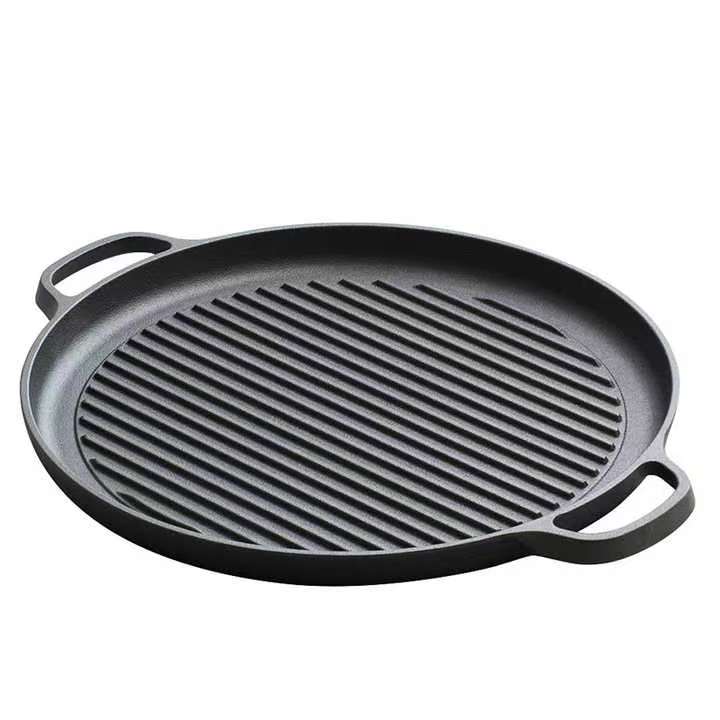
Looking to elevate your cooking game and achieve restaurant-quality results at home? A cast grill pan is a versatile kitchen essential. This guide dives deep into the benefits, uses, care, and how to choose the best cast grill pan for your needs. From searing steaks to grilling vegetables, a cast grill pan delivers exceptional heat retention and even cooking. Let’s explore why this pan should be a staple in every kitchen. Cast iron cookware, and specifically cast grill pans, have been prized by chefs and home cooks for centuries. The key lies in the material itself. Cast iron is renowned for its incredible heat retention, meaning it heats up slowly but stays hot for a long time, resulting in perfectly seared food. The weight of the pan also contributes to even heat distribution, eliminating hot spots. The raised ridges on a grill pan mimic the effect of an outdoor grill, creating those desirable grill marks and allowing fat to drain away, leading to healthier meals.
2026-03-24 02:55:07
Superior Cooking with Durable Cast Grill Grates for Enhanced Flavor
When it comes to grilling, the grate you use significantly impacts the flavor, texture, and overall cooking experience. Cast grill grates, known for their exceptional heat retention and durability, are a popular choice among both novice and experienced grillers. This article will explore the benefits of cast iron grill grates, different types available, care and maintenance tips, and factors to consider when making a purchase. We’ll help you understand why investing in quality cast grill grates can elevate your outdoor cooking. Cast grill grates offer several advantages over other materials like stainless steel or porcelain-coated grates. Primarily, cast iron boasts superior heat retention, ensuring consistent cooking temperatures even when grilling thicker cuts of meat. This even heat distribution minimizes hot spots and promotes more uniform cooking. Furthermore, cast iron naturally develops a non-stick patina over time with proper seasoning, reducing the likelihood of food sticking and making cleanup easier.
2026-03-21 02:45:09
Unlock Flavorful Outdoor Cooking with a Durable Cast Grill
Looking to elevate your outdoor cooking experience? A cast grill offers exceptional heat retention, versatility, and durability. This comprehensive guide will explore the benefits of cast iron grilling, how to choose the right grill, care and maintenance tips, delicious recipes, and why Debien Cookware offers some of the finest cast grill options available. Prepare to unlock a world of flavor and create unforgettable meals with the power of cast iron! A cast grill is essentially a grilling surface made from cast iron. This material is renowned for its superior heat retention, meaning it gets incredibly hot and stays hot, ensuring perfectly seared meats and evenly cooked vegetables. Unlike other grilling materials, cast iron distributes heat uniformly, eliminating hot spots. Its durability is another key advantage; a well-maintained cast grill can last for generations.
2026-03-19 02:45:14
Comprehensive Guide to Durable and Reliable Cast Grates for Various Applications
Cast grates are essential components in drainage systems, offering a robust and reliable solution for managing water flow in various applications. From landscaping and pedestrian areas to industrial settings, these grates play a crucial role in preventing flooding and maintaining safety. This article delves into the world of cast grates, exploring their materials, types, applications, and factors to consider when selecting the right grate for your needs. We'll also highlight how Debien Cookware's commitment to quality and durability translates to excellence in the production of these vital infrastructure elements. Understanding the intricacies of cast grates is key to ensuring efficient drainage and long-term performance. Cast grates are typically manufactured from cast iron, ductile iron, or steel. Cast iron is a traditional material, valued for its affordability and ease of casting. However, it can be brittle. Ductile iron offers improved strength and ductility, making it more resistant to cracking and impact. Steel grates are the strongest option, often used in heavy-duty applications, but are susceptible to corrosion if not properly treated.
2026-03-17 02:45:12
Choosing the Right Cast Charcoal Grill for Superior Outdoor Cooking
When it comes to outdoor cooking, a cast charcoal grill offers a unique and flavorful experience. From searing steaks to slow-cooking ribs, the versatility is unmatched. But with so many options available, selecting the perfect grill can be daunting. This article will explore the benefits of cast charcoal grills, key features to consider, and how to choose the best one for your needs. We’ll cover everything from construction materials to cooking capacity, helping you make an informed decision. Cast iron grills are renowned for their exceptional heat retention. This means they can reach and maintain high temperatures, perfect for searing meats and achieving that desirable char. They also distribute heat more evenly than many other grill materials, minimizing hot spots and ensuring consistent cooking. Several factors influence the performance and convenience of a cast charcoal grill. Cooking surface area is crucial – determine how much food you typically cook to choose an appropriately sized grill. Features like adjustable vents allow you to control airflow and temperature, giving you more precise cooking control.
2026-03-14 02:45:16
Choosing the Right Cast BBQ Grill for Superior Outdoor Cooking
When it comes to outdoor cooking, a cast BBQ grill offers unparalleled heat retention and a distinctive flavor profile. But with numerous options available, selecting the perfect grill can be daunting. This guide will explore the benefits of cast iron grilling, different types of cast BBQ grills, key features to consider, and how to choose the grill that best suits your cooking style and needs. We'll help you understand what makes Debien Cookware’s cast iron grills stand out in the market. Cast iron is renowned for its exceptional heat retention. This means a cast BBQ grill heats up evenly and stays hot for longer, creating perfect searing temperatures for steaks, burgers, and other meats. Unlike thinner grills, cast iron doesn’t have hot spots, ensuring consistent cooking results. Moreover, cast iron is naturally non-stick when properly seasoned, minimizing food sticking and making cleanup easier. The durability of cast iron is another key advantage—a well-maintained cast iron grill can last for generations.
Inquire Now for Cast Iron Cookware Deals
Please Fill Out The Form Below And Our Team Will Get Back To You With Pricing, Product Details, And Customization Options.

Debien is advancing with time, updating equipment, elaborately carving out our brand, focusing on developing high-end products, and actively responding to market demands with creativity.


QUICK LINKS
CONTACT US
Debien is advancing with time, updating equipment, elaborately carving out our brand, focusing on developing high-end products, and actively responding to market demands with creativity.
Copyright © 2026 HEBEI DEBIEN TECHNOLOGY CO., LTD. All Rights Reserved. Sitemap | Privacy Policy | Top Blog


