



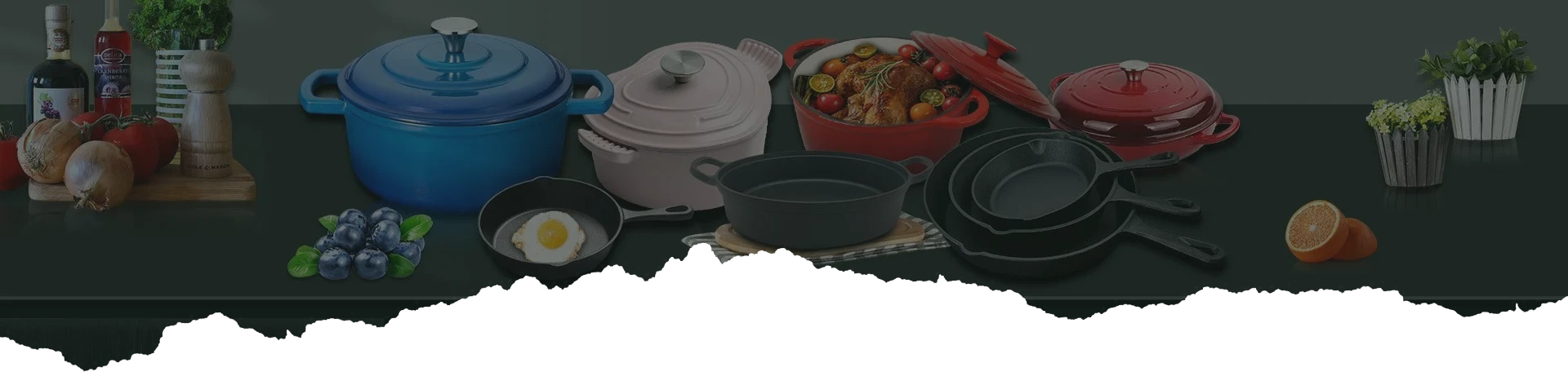

The Timeless Appeal of Chinese Wok Cast Iron – Durability Meets Tradition
Nov . 30, 2025 17:10
Why Chinese Wok Cast Iron Holds a Special Place in Global Cooking
If you’ve ever marveled at the stir-fry dance in a bustling street market or wondered why these simple-looking pans deliver such delicious results, you’re already ahead. Chinese wok cast iron isn’t just cookware; it’s an enduring cultural icon with a practical edge that has crossed borders and time. Globally, understanding this culinary staple reveals a blend of tradition and smart material science — hinting at benefits worth exploring for professional kitchens, home cooks, and industry makers alike.
Why the fuss? Well, the very material—cast iron—offers advantages in heat retention and durability. Paired with the wok’s shape, ingenious for high-heat quick cooking, it creates magic in flavor and efficiency. For anyone invested in cookware, food service, or even historic craft, this is a fascinating subject with real-world impact.
The Rising Global Relevance of Chinese Wok Cast Iron
Let’s set the stage: around 80% of global households converge on a form of quick stir fry cooking at some point—whether in Asia, Europe, or the Americas. According to World Bank data on urbanization and food consumption trends, demand for cookware that meets both speed and quality standards is on the rise. Chinese cast iron woks offer a solution to a widespread problem: how to cook efficiently without sacrificing flavor or durability.
But it’s more than a kitchen tool. In many developing regions, cast iron cookware is prized for its longevity and versatility—sometimes a family’s only pan spanning decades. Plus, as sustainability conversations grow louder, the reproducible, repairable nature of iron vs. disposable non-stick alternatives gains more attention (ISO study on material lifecycle, 2023).
Oddly enough, you might not link heavy cast iron with “green” living—but with proper seasoning and care, these woks last generations. So, this isn’t just about dinner; it’s about food security, energy efficiency, and smart consumption worldwide.
What Exactly Is a Chinese Wok Cast Iron?
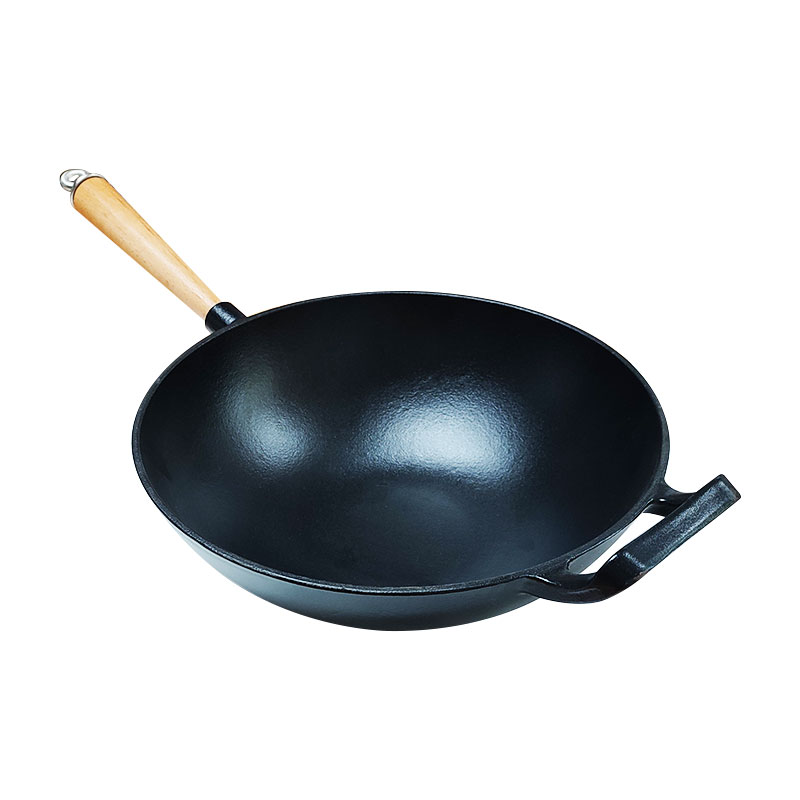
Simply put, a Chinese wok made from cast iron is a large, deep pan shaped like a bowl, traditionally crafted using robust iron castings. Its heavy, thick walls distribute and maintain heat superbly, making it ideal for the rapid, high-heat cooking that defines much of East Asian cuisine.
In industrial terms, cast iron itself is an alloy primarily of iron and carbon—known for stiffness, thermal mass, and a somewhat rough texture that helps in seasoning (the natural buildup of cooking oils). This seasoning forms a semi-non-stick surface improving over time.
The connection to humanitarian and industrial needs lies in the wok’s role beyond just cooking: its durability and energy efficiency align with sustainability goals, and good cookware is crucial in food aid and community kitchens worldwide.
Key Features Shaping the Performance of Cast Iron Woks
1. Durability that Defies Time
Cast iron woks are legendary for lasting decades. Unlike thinner steel or aluminum, they withstand warping and rough handling. Many chefs swear by them because of this resilience—it’s not unusual to find century-old family heirlooms still in use.
2. Superior Heat Retention and Distribution
This is the heart of the wok’s magic—once hot, the entire pan holds and spreads heat evenly. That makes stir-frying quick and energy-efficient, critical when managing kitchen speed and fuel costs.
3. Natural Non-stick Surface
Seasoning creates a natural, chemical-free coating. Over repeated use, your wok gets better and slicker, reducing the need for added fats. That’s something many health-conscious cooks appreciate.
4. Versatility in Cooking Techniques
Beyond stir-frying, cast iron woks are suitable for deep frying, steaming, boiling, and even smoking food. The shape and material are surprisingly adaptable, making it a multi-functional tool in both professional and home kitchens.
5. Cost-Effectiveness Over Time
While initially pricier than some modern alternatives, their lifespan and performance make cast iron woks a smart investment.
6. Cultural Heritage
This cookware connects generations, embodying history, ritual, and culinary identity—a factor that might feel incidental but is central for many users worldwide.
Mini Takeaway: The blend of physical properties and cultural depth makes the Chinese wok cast iron more than just a kitchen tool—it’s a fusion of practicality, longevity, and tradition that resonates globally.
Popular Specifications of a Typical Chinese Wok Cast Iron
| Feature | Specification |
|---|---|
| Diameter | 12-14 inches (30-36 cm) typical |
| Weight | 4-6 pounds (1.8 - 2.7 kg) |
| Material | Cast iron with natural seasoning |
| Handle Type | Wood or cast iron loop |
| Heat Source | Suitable for gas, electric, induction (with flat bottom) |
| Care Requirements | Hand wash, dry immediately, re-season periodically |
Who’s Who: Comparing Top Chinese Wok Cast Iron Vendors
| Vendor | Price Range | Material Quality | Design Options | Sustainability Certifications |
|---|---|---|---|---|
| Debien Cookware | $45–$75 | Premium cast iron, hand-seasoned | Traditional & modern styles | ISO 14001 certified |
| WokMaster Inc. | $30–$60 | Standard cast iron, factory-seasoned | Limited options | None |
| Oriental Stove Co. | $50–$80 | Heavy-duty cast iron | Classic design only | Limited eco-labels |
How Chinese Wok Cast Iron is Used Across the World
In sprawling urban centers like Shanghai or New York, chefs depend on cast iron woks for consistent, high-heat cooking all day long. But the influence goes deeper. In rural areas or disaster relief kitchens, a reliable cast iron wok can mean the difference between quickly prepared nutritious meals and wasted fuel.
Take, for example, NGOs operating in Southeast Asia post-disaster zones. Efficient cookware that withstands rough use and limited resources becomes vital. Or think of remote industrial towns where the supply chain limits frequent replacement – these woks stand up to decades of cooking needs with minimal fuss.
Even Michelin-starred restaurants are embracing chinese wok cast iron for its authenticity combined with practicality — it’s not just nostalgia, but performance.
The Lasting Advantages and Value You Shouldn’t Overlook
- Longevity: Some users report using the same wok for 50+ years — that’s rare in cookware world.
- Sustainability: Less plastic, fewer replacements, and raw materials that recycle well.
- Health-conscious: Less oil needed for cooking, no toxic non-stick chemicals.
- Emotional: The comfort of one beloved kitchen tool that grows character and stories.
- Economic: Initial cost offsets by decades of reliable use and easy maintenance.
Mini Takeaway: Chinese wok cast iron is more than cost-savings — it’s about peace of mind in your kitchen and a tangible link to sustainable, culturally rich cooking traditions.
Looking Forward: Innovations on the Horizon
In a world rapidly moving toward smart kitchens and greener tech, cast iron woks are finding a renewed spotlight. Innovations include factory pre-seasoning with organic oils to speed up use, induction-compatible flat bottoms expanding their utility, and packaging that meets strict eco-labels. Digital temperature sensors integrated into handles might seem odd now but appear on some prototypes, enhancing precision cooking.
More than that, emerging policies from agencies like the UN Environment Programme encourage manufacturers to reduce emissions and use recycled materials wherever possible — a trend we expect growing in cookware too.
Common Challenges and How to Address Them
Sure, cast iron woks aren’t perfect. They’re heavier than alternative materials, require maintenance (no dishwasher!), and can rust if neglected.
But solutions are simple: treat seasoning like a ritual, dry thoroughly post-wash, and employ rust removal hacks (like salt scrubs). Many sellers provide detailed guides, plus replacement handles for wear-and-tear.
As with many traditional tools, a little care pays big dividends — and frankly, the rewards are worth the effort.
FAQ: Your Quick Guide to Chinese Wok Cast Iron
- Q: How do I maintain my cast iron wok to prevent rust?
- A: After each use, rinse with warm water (no soap unless necessary), dry immediately on the stove, and apply a thin coating of cooking oil. Store in a dry place. Proper seasoning keeps rust away and enhances the non-stick surface.
- Q: Can a cast iron wok be used on induction cooktops?
- A: Yes, but traditional round-bottom woks require a wok ring for stable standing on flat stovetops. Some manufacturers offer flat-bottom cast iron woks designed specifically for induction or electric ranges.
- Q: Is it safe to cook acidic foods (like tomato) in cast iron woks?
- A: Generally, it’s better to avoid long cooking of acidic foods in cast iron as they might degrade seasoning and impart metallic taste. Quick stir-fries or brief sauces are usually fine.
- Q: Where can I buy quality Chinese cast iron woks?
- A: Trusted vendors like Debien Cookware provide a variety of premium cast iron woks with careful craftsmanship and customer support, plus guidance on care and seasoning.
Final Thoughts: Why Every Kitchen Needs a Chinese Cast Iron Wok
Reflecting on the humble cast iron Chinese wok, it’s clear this piece of cookware isn’t just a relic but a living, breathing part of our culinary future. Its global appeal is anchored by simple but powerful traits: durability, heat mastery, and cultural significance. Investing in one from a reliable source means years—decades even—of culinary adventures and sustainable cooking habits.
If you’re interested in embracing this tradition with top-notch quality, visit Debien Cookware today to explore their latest cast iron wok collections. It’s a little leap toward a kitchen setup that respects craft, the planet, and your palate.
As always, cooking well is a journey, not a race; the right tools make it joyful and sustainable.
References:
1. Wikipedia: Cast Iron Cookware
2. World Bank Data on Urban Population Growth, 2023
3. ISO 14001 Environmental Management Standards Overview


2026-03-31 02:45:09
Elevate Your Outdoor Cooking with a Cast Iron Barbecue Experience
Are you ready to elevate your outdoor cooking experience? A cast iron barbecue offers unparalleled heat retention, even cooking, and a delicious smoky flavor that grills simply can't match. This article will explore the benefits of cast iron barbecues, how to choose the right one, proper care and maintenance, and delicious recipes to get you started. From seasoned grill masters to barbecue beginners, this guide has something for everyone.
2026-03-28 02:55:10
Discover the Benefits of Cast Iron and Grill Cookware for Delicious Meals
Cooking with cast iron and grill cookware has seen a massive resurgence in recent years, and for good reason. This method offers a unique combination of heat retention, even cooking, and versatility. Whether you’re searing a steak, baking a rustic pie, or simply enjoying a weeknight meal, understanding the benefits and proper use of these tools can elevate your culinary experience. This guide will explore everything from the advantages of cast iron and grill cookware to tips for seasoning, cleaning, and maintenance.
2026-03-26 02:45:13
Elevate Your Cooking with a Durable Cast Grill Pan for Restaurant Quality Meals
Looking to elevate your cooking game and achieve restaurant-quality results at home? A cast grill pan is a versatile kitchen essential. This guide dives deep into the benefits, uses, care, and how to choose the best cast grill pan for your needs. From searing steaks to grilling vegetables, a cast grill pan delivers exceptional heat retention and even cooking. Let’s explore why this pan should be a staple in every kitchen. Cast iron cookware, and specifically cast grill pans, have been prized by chefs and home cooks for centuries. The key lies in the material itself. Cast iron is renowned for its incredible heat retention, meaning it heats up slowly but stays hot for a long time, resulting in perfectly seared food. The weight of the pan also contributes to even heat distribution, eliminating hot spots. The raised ridges on a grill pan mimic the effect of an outdoor grill, creating those desirable grill marks and allowing fat to drain away, leading to healthier meals.
2026-03-24 02:55:07
Superior Cooking with Durable Cast Grill Grates for Enhanced Flavor
When it comes to grilling, the grate you use significantly impacts the flavor, texture, and overall cooking experience. Cast grill grates, known for their exceptional heat retention and durability, are a popular choice among both novice and experienced grillers. This article will explore the benefits of cast iron grill grates, different types available, care and maintenance tips, and factors to consider when making a purchase. We’ll help you understand why investing in quality cast grill grates can elevate your outdoor cooking. Cast grill grates offer several advantages over other materials like stainless steel or porcelain-coated grates. Primarily, cast iron boasts superior heat retention, ensuring consistent cooking temperatures even when grilling thicker cuts of meat. This even heat distribution minimizes hot spots and promotes more uniform cooking. Furthermore, cast iron naturally develops a non-stick patina over time with proper seasoning, reducing the likelihood of food sticking and making cleanup easier.
2026-03-21 02:45:09
Unlock Flavorful Outdoor Cooking with a Durable Cast Grill
Looking to elevate your outdoor cooking experience? A cast grill offers exceptional heat retention, versatility, and durability. This comprehensive guide will explore the benefits of cast iron grilling, how to choose the right grill, care and maintenance tips, delicious recipes, and why Debien Cookware offers some of the finest cast grill options available. Prepare to unlock a world of flavor and create unforgettable meals with the power of cast iron! A cast grill is essentially a grilling surface made from cast iron. This material is renowned for its superior heat retention, meaning it gets incredibly hot and stays hot, ensuring perfectly seared meats and evenly cooked vegetables. Unlike other grilling materials, cast iron distributes heat uniformly, eliminating hot spots. Its durability is another key advantage; a well-maintained cast grill can last for generations.
2026-03-19 02:45:14
Comprehensive Guide to Durable and Reliable Cast Grates for Various Applications
Cast grates are essential components in drainage systems, offering a robust and reliable solution for managing water flow in various applications. From landscaping and pedestrian areas to industrial settings, these grates play a crucial role in preventing flooding and maintaining safety. This article delves into the world of cast grates, exploring their materials, types, applications, and factors to consider when selecting the right grate for your needs. We'll also highlight how Debien Cookware's commitment to quality and durability translates to excellence in the production of these vital infrastructure elements. Understanding the intricacies of cast grates is key to ensuring efficient drainage and long-term performance. Cast grates are typically manufactured from cast iron, ductile iron, or steel. Cast iron is a traditional material, valued for its affordability and ease of casting. However, it can be brittle. Ductile iron offers improved strength and ductility, making it more resistant to cracking and impact. Steel grates are the strongest option, often used in heavy-duty applications, but are susceptible to corrosion if not properly treated.
2026-03-17 02:45:12
Choosing the Right Cast Charcoal Grill for Superior Outdoor Cooking
When it comes to outdoor cooking, a cast charcoal grill offers a unique and flavorful experience. From searing steaks to slow-cooking ribs, the versatility is unmatched. But with so many options available, selecting the perfect grill can be daunting. This article will explore the benefits of cast charcoal grills, key features to consider, and how to choose the best one for your needs. We’ll cover everything from construction materials to cooking capacity, helping you make an informed decision. Cast iron grills are renowned for their exceptional heat retention. This means they can reach and maintain high temperatures, perfect for searing meats and achieving that desirable char. They also distribute heat more evenly than many other grill materials, minimizing hot spots and ensuring consistent cooking. Several factors influence the performance and convenience of a cast charcoal grill. Cooking surface area is crucial – determine how much food you typically cook to choose an appropriately sized grill. Features like adjustable vents allow you to control airflow and temperature, giving you more precise cooking control.
2026-03-14 02:45:16
Choosing the Right Cast BBQ Grill for Superior Outdoor Cooking
When it comes to outdoor cooking, a cast BBQ grill offers unparalleled heat retention and a distinctive flavor profile. But with numerous options available, selecting the perfect grill can be daunting. This guide will explore the benefits of cast iron grilling, different types of cast BBQ grills, key features to consider, and how to choose the grill that best suits your cooking style and needs. We'll help you understand what makes Debien Cookware’s cast iron grills stand out in the market. Cast iron is renowned for its exceptional heat retention. This means a cast BBQ grill heats up evenly and stays hot for longer, creating perfect searing temperatures for steaks, burgers, and other meats. Unlike thinner grills, cast iron doesn’t have hot spots, ensuring consistent cooking results. Moreover, cast iron is naturally non-stick when properly seasoned, minimizing food sticking and making cleanup easier. The durability of cast iron is another key advantage—a well-maintained cast iron grill can last for generations.
Inquire Now for Cast Iron Cookware Deals
Please Fill Out The Form Below And Our Team Will Get Back To You With Pricing, Product Details, And Customization Options.

Debien is advancing with time, updating equipment, elaborately carving out our brand, focusing on developing high-end products, and actively responding to market demands with creativity.


QUICK LINKS
CONTACT US
Debien is advancing with time, updating equipment, elaborately carving out our brand, focusing on developing high-end products, and actively responding to market demands with creativity.
Copyright © 2026 HEBEI DEBIEN TECHNOLOGY CO., LTD. All Rights Reserved. Sitemap | Privacy Policy | Top Blog


