



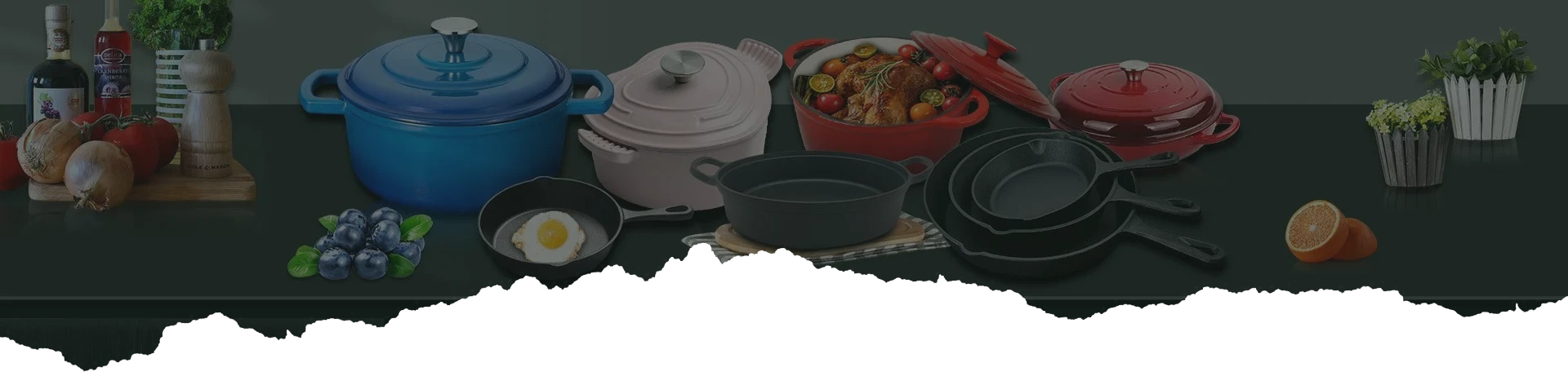

Steel Pan Seasoning Guide: Benefits, Techniques & Trends for Durable Cookware
Dec . 03, 2025 16:54
Understanding Steel Pan Seasoning: A Practical Guide
Steel pan seasoning might sound niche at first, but it’s actually a cornerstone in the cookware world—and globally relevant in terms of sustainability, durability, and culinary quality. Whether you’re a chef, a cookware manufacturer, or just a curious home cook, grasping what steel pan seasoning entails opens up an appreciation for how metalwork meets food science. At its core, it enhances pan performance—making cooking less sticky, more flavorful, and extending cookware longevity.
Global Relevance and Industry Context
Worldwide, steel cookware, especially carbon steel pans, is a standard kitchen staple, particularly in professional settings. According to kitchenware market analyses, demand for sustainable, long-lasting cookware is growing at about 6.2% annually—a trend partly driven by rising concerns about single-use products and chemical coatings. The lingering issues of toxic non-stick coatings push consumers and chefs toward seasoned steel pans, which are chemical free and naturally non-stick when maintained correctly.
The challenge boils down to balancing performance and sustainability. Steel pan seasoning offers a solution by developing a protective, semi-permanent layer on pans, reducing the need for synthetic coatings. This not only reduces environmental impact but also aligns with the culinary industry's demand for authentic cooking experiences.
What is Steel Pan Seasoning?
Simply put, steel pan seasoning is a process where oils or fats are heated on the pan’s surface to create a bonded layer of polymerized fat. This thin, dark coating prevents rust and food from sticking while improving heat retention. It’s quite similar to “breaking in” cast iron skillets but tailored for carbon steel or other steel cookware.
On a more industrial level, seasoning ensures the pan's surface remains durable under repeated use, especially in busy commercial kitchens. It’s also critical in humanitarian projects that distribute durable cookware to communities with limited access to replacements or maintenance supplies, bridging utility and sustainability.
Key Factors in Steel Pan Seasoning
1. Durability
Seasoning builds a resilient surface that protects steel from rust and wear. This layer can be reinforced with ongoing cooking and occasional re-seasoning. For example, chefs often notice their pans become “better with age” because the seasoning improves over time.
2. Heat Distribution
Proper seasoning helps maintain even heat across the pan, avoiding hot spots. Uneven heating is a frustration in many cookware types, but seasoned steel pans distribute heat more consistently, which frankly makes cooking more predictable.
3. Non-stick Performance
While not as slick as synthetic coatings, seasoned steel pans develop a naturally slick surface that reduces sticking. This means less oil usage, which aligns with healthier cooking trends.
4. Scalability and Maintenance
Seasoning is low-cost and scalable — essential when producing cookware at volume or in regions where specialized chemical coatings aren’t feasible. Maintenance involves simple reapplication of oil after cleaning, making it user-friendly.
5. Cost Efficiency
Seasoned steel pans avoid expensive commercial coatings. For both manufacturers and consumers, this means better value over time, especially when considering the pan's lifecycle.
Steel Pan Seasoning Product Specs
| Feature | Specification |
|---|---|
| Material Compatibility | Carbon Steel, Stainless Steel (limited) |
| Optimal Seasoning Oil | Flaxseed oil, grapeseed oil, or vegetable oil |
| Process Temperature | 400°F – 450°F (204°C – 232°C) |
| Number of Coats Recommended | 3–5 thin coats |
| Maintenance Frequency | Re-season as needed, typically every 1–3 months with use |
Global Applications & Use Cases
Steel pan seasoning is everywhere—from bustling restaurants in Paris to community kitchens in Nairobi. In regions where cookware replacement is difficult or expensive, seasoned steel pans become indispensable. For instance:
- Post-disaster relief efforts: Durable, non-stick cookware helps maintain hygiene and nutrition where resources are scarce.
- Remote industrial zones: Workers rely on long-lasting pans that don’t require constant replacement or specialized cleaners.
- Professional kitchens: Chefs prefer seasoned carbon steel for high-heat searing that enhances flavor profiles without synthetic coatings.
- Eco-conscious households: Seasoning advocates prefer steel pans as a sustainable alternative to chemical-coated Teflon or ceramic.
Oddly enough, many users report that once they get the seasoning process right, their pan “ages like fine wine”–it just gets better with time.
Advantages & Long-Term Value of Steel Pan Seasoning
Tangibly, seasoning means cost-saving (less replacement), sustainability (chemical-free), and improved cooking experience (better texture and flavor). Emotionally, seasoned pans foster trust and confidence in the kitchen—you know your pan is ready and safe. They also symbolize care and tradition, something many cooks cherish.
Future Trends & Innovations
Looking ahead, the industry is experimenting with advanced polymerized coatings that combine seasoning processes with eco-friendly surface treatments, enhancing durability without losing the natural non-stick benefits. Digital tools that measure pan temperature and seasoning condition are emerging, helping users optimize maintenance. Plus, green energy ovens and induction-compatible seasoned pans are making their mark—championing efficiency and cleaner cooking.
Challenges & Solutions
Seasoning isn’t foolproof. Inconsistent heat or using the wrong oils can lead to sticky or uneven layers. Some manufacturers struggle scaling seasoning for mass production. However, expert cooks and engineers suggest adopting standardized seasoning protocols and using oils with high polymerization potential like flaxseed. Instructional resources—videos, manuals—help consumers maintain their pans properly. And R&D in automated seasoning chambers might soon solve scale issues.
Vendor Comparison: Popular Steel Pan Seasoning Options
| Vendor | Method | Oil Used | Recommended Users |
|---|---|---|---|
| DeBien Cookware | Traditional oven seasoning | Flaxseed oil | Everyday cooks & pros |
| EcoPan Solutions | Automated high-temp polymerization | Vegetable oil blend | Commercial kitchens |
| GreenSteel Corp | Layered seasoning + eco coating | Grapeseed oil | Eco-friendly enthusiasts |
Frequently Asked Questions About Steel Pan Seasoning
1. How long does it take to properly season a steel pan?
Typically, seasoning involves 3–5 thin coats of oil baked at 400°F–450°F, each taking about an hour including heating and cooling. So, a fully seasoned pan can take anywhere from 4 to 6 hours total over multiple sessions. Patience pays off!
2. Can I use any cooking oil for seasoning?
While many oils work, those with high polyunsaturated fat content, like flaxseed or grapeseed oil, polymerize better and create a more durable coating. Avoid butter or olive oil, which tend to leave sticky residues.
3. How do I maintain my steel pan seasoning after cooking?
After use, clean the pan with hot water and a soft brush—no soap or harsh scrubbers. Dry immediately and lightly coat with a thin layer of oil before storage. This routine prevents rust and keeps the surface slick.
4. Is steel pan seasoning safe and eco-friendly?
Absolutely. Unlike chemical non-stick coatings, seasoning uses natural oils bonding to the metal, releasing no harmful fumes or microplastics. It’s a greener choice that lasts for years.
5. How does seasoning impact cooking performance?
Seasoned pans distribute heat evenly and develop naturally non-stick surfaces, enhancing food texture and flavor without synthetic chemicals. It’s why many chefs swear by seasoned carbon steel.
Conclusion
Steel pan seasoning is more than an old kitchen trick—it represents a blend of tradition and innovation that meets modern needs for sustainability, durability, and cooking excellence. Whether you’re outfitting a disaster relief kitchen or jazzing up your home cooking, understanding and applying steel pan seasoning offers both tangible savings and emotional satisfaction. Curious to dive deeper or start seasoning your own pans? Visit our website: steel pan seasoning for expert resources and quality cookware options.
Oddly enough, once you get the hang of it, seasoning feels less like maintenance and more like an ongoing adventure with your pan…
Mini takeaway: Steel pan seasoning fosters sustainability, improves cooking performance naturally, and supports global efforts to reduce chemical waste in kitchens.
References


2026-03-31 02:45:09
Elevate Your Outdoor Cooking with a Cast Iron Barbecue Experience
Are you ready to elevate your outdoor cooking experience? A cast iron barbecue offers unparalleled heat retention, even cooking, and a delicious smoky flavor that grills simply can't match. This article will explore the benefits of cast iron barbecues, how to choose the right one, proper care and maintenance, and delicious recipes to get you started. From seasoned grill masters to barbecue beginners, this guide has something for everyone.
2026-03-28 02:55:10
Discover the Benefits of Cast Iron and Grill Cookware for Delicious Meals
Cooking with cast iron and grill cookware has seen a massive resurgence in recent years, and for good reason. This method offers a unique combination of heat retention, even cooking, and versatility. Whether you’re searing a steak, baking a rustic pie, or simply enjoying a weeknight meal, understanding the benefits and proper use of these tools can elevate your culinary experience. This guide will explore everything from the advantages of cast iron and grill cookware to tips for seasoning, cleaning, and maintenance.
2026-03-26 02:45:13
Elevate Your Cooking with a Durable Cast Grill Pan for Restaurant Quality Meals
Looking to elevate your cooking game and achieve restaurant-quality results at home? A cast grill pan is a versatile kitchen essential. This guide dives deep into the benefits, uses, care, and how to choose the best cast grill pan for your needs. From searing steaks to grilling vegetables, a cast grill pan delivers exceptional heat retention and even cooking. Let’s explore why this pan should be a staple in every kitchen. Cast iron cookware, and specifically cast grill pans, have been prized by chefs and home cooks for centuries. The key lies in the material itself. Cast iron is renowned for its incredible heat retention, meaning it heats up slowly but stays hot for a long time, resulting in perfectly seared food. The weight of the pan also contributes to even heat distribution, eliminating hot spots. The raised ridges on a grill pan mimic the effect of an outdoor grill, creating those desirable grill marks and allowing fat to drain away, leading to healthier meals.
2026-03-24 02:55:07
Superior Cooking with Durable Cast Grill Grates for Enhanced Flavor
When it comes to grilling, the grate you use significantly impacts the flavor, texture, and overall cooking experience. Cast grill grates, known for their exceptional heat retention and durability, are a popular choice among both novice and experienced grillers. This article will explore the benefits of cast iron grill grates, different types available, care and maintenance tips, and factors to consider when making a purchase. We’ll help you understand why investing in quality cast grill grates can elevate your outdoor cooking. Cast grill grates offer several advantages over other materials like stainless steel or porcelain-coated grates. Primarily, cast iron boasts superior heat retention, ensuring consistent cooking temperatures even when grilling thicker cuts of meat. This even heat distribution minimizes hot spots and promotes more uniform cooking. Furthermore, cast iron naturally develops a non-stick patina over time with proper seasoning, reducing the likelihood of food sticking and making cleanup easier.
2026-03-21 02:45:09
Unlock Flavorful Outdoor Cooking with a Durable Cast Grill
Looking to elevate your outdoor cooking experience? A cast grill offers exceptional heat retention, versatility, and durability. This comprehensive guide will explore the benefits of cast iron grilling, how to choose the right grill, care and maintenance tips, delicious recipes, and why Debien Cookware offers some of the finest cast grill options available. Prepare to unlock a world of flavor and create unforgettable meals with the power of cast iron! A cast grill is essentially a grilling surface made from cast iron. This material is renowned for its superior heat retention, meaning it gets incredibly hot and stays hot, ensuring perfectly seared meats and evenly cooked vegetables. Unlike other grilling materials, cast iron distributes heat uniformly, eliminating hot spots. Its durability is another key advantage; a well-maintained cast grill can last for generations.
2026-03-19 02:45:14
Comprehensive Guide to Durable and Reliable Cast Grates for Various Applications
Cast grates are essential components in drainage systems, offering a robust and reliable solution for managing water flow in various applications. From landscaping and pedestrian areas to industrial settings, these grates play a crucial role in preventing flooding and maintaining safety. This article delves into the world of cast grates, exploring their materials, types, applications, and factors to consider when selecting the right grate for your needs. We'll also highlight how Debien Cookware's commitment to quality and durability translates to excellence in the production of these vital infrastructure elements. Understanding the intricacies of cast grates is key to ensuring efficient drainage and long-term performance. Cast grates are typically manufactured from cast iron, ductile iron, or steel. Cast iron is a traditional material, valued for its affordability and ease of casting. However, it can be brittle. Ductile iron offers improved strength and ductility, making it more resistant to cracking and impact. Steel grates are the strongest option, often used in heavy-duty applications, but are susceptible to corrosion if not properly treated.
2026-03-17 02:45:12
Choosing the Right Cast Charcoal Grill for Superior Outdoor Cooking
When it comes to outdoor cooking, a cast charcoal grill offers a unique and flavorful experience. From searing steaks to slow-cooking ribs, the versatility is unmatched. But with so many options available, selecting the perfect grill can be daunting. This article will explore the benefits of cast charcoal grills, key features to consider, and how to choose the best one for your needs. We’ll cover everything from construction materials to cooking capacity, helping you make an informed decision. Cast iron grills are renowned for their exceptional heat retention. This means they can reach and maintain high temperatures, perfect for searing meats and achieving that desirable char. They also distribute heat more evenly than many other grill materials, minimizing hot spots and ensuring consistent cooking. Several factors influence the performance and convenience of a cast charcoal grill. Cooking surface area is crucial – determine how much food you typically cook to choose an appropriately sized grill. Features like adjustable vents allow you to control airflow and temperature, giving you more precise cooking control.
2026-03-14 02:45:16
Choosing the Right Cast BBQ Grill for Superior Outdoor Cooking
When it comes to outdoor cooking, a cast BBQ grill offers unparalleled heat retention and a distinctive flavor profile. But with numerous options available, selecting the perfect grill can be daunting. This guide will explore the benefits of cast iron grilling, different types of cast BBQ grills, key features to consider, and how to choose the grill that best suits your cooking style and needs. We'll help you understand what makes Debien Cookware’s cast iron grills stand out in the market. Cast iron is renowned for its exceptional heat retention. This means a cast BBQ grill heats up evenly and stays hot for longer, creating perfect searing temperatures for steaks, burgers, and other meats. Unlike thinner grills, cast iron doesn’t have hot spots, ensuring consistent cooking results. Moreover, cast iron is naturally non-stick when properly seasoned, minimizing food sticking and making cleanup easier. The durability of cast iron is another key advantage—a well-maintained cast iron grill can last for generations.
Inquire Now for Cast Iron Cookware Deals
Please Fill Out The Form Below And Our Team Will Get Back To You With Pricing, Product Details, And Customization Options.

Debien is advancing with time, updating equipment, elaborately carving out our brand, focusing on developing high-end products, and actively responding to market demands with creativity.


QUICK LINKS
CONTACT US
Debien is advancing with time, updating equipment, elaborately carving out our brand, focusing on developing high-end products, and actively responding to market demands with creativity.
Copyright © 2026 HEBEI DEBIEN TECHNOLOGY CO., LTD. All Rights Reserved. Sitemap | Privacy Policy | Top Blog


