



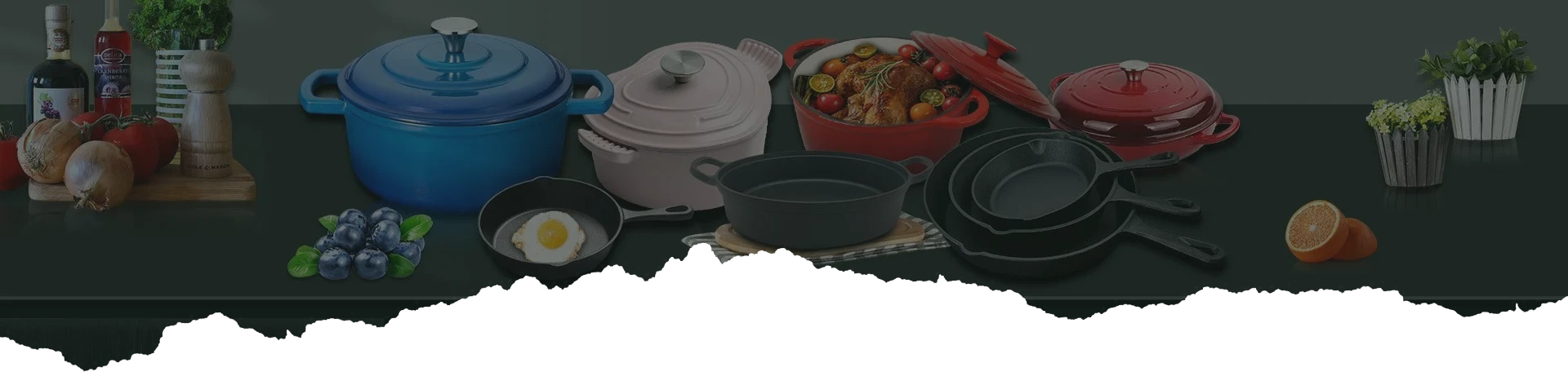

Small Iron Pan – Durable, Sustainable Cookware for Global Kitchens
Dec . 03, 2025 12:38
Understanding the Small Iron Pan: A Global Kitchen Staple with Enduring Value
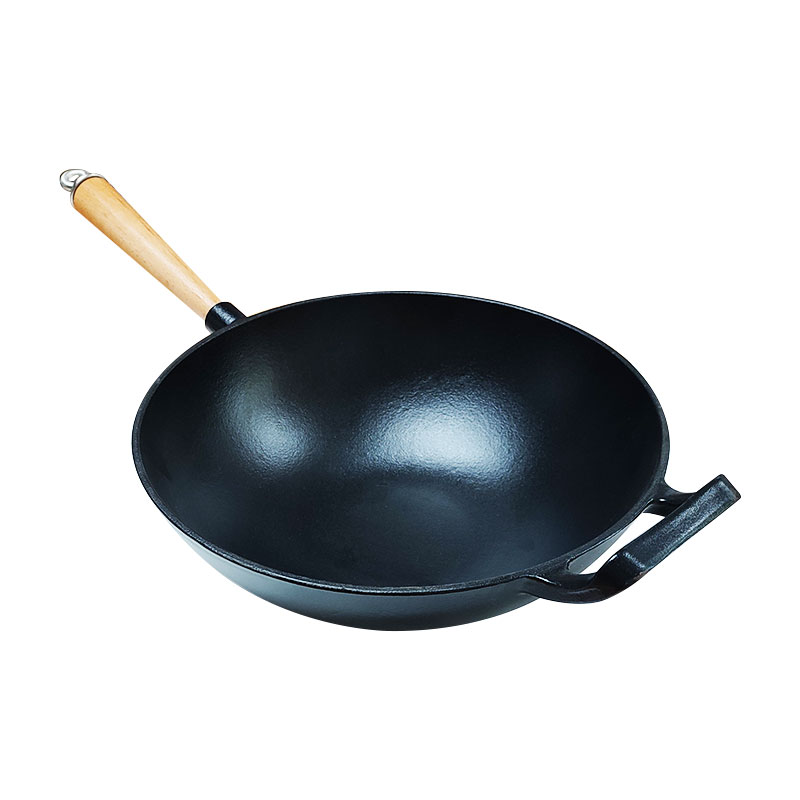
When you hear someone mention a small iron pan, what usually comes to mind? Perhaps a trusty skillet passed down through generations, or that perfect cooking companion that sears a steak or sautés vegetables with unmatched evenness. Globally, this humble piece of cookware holds a cherished place in kitchens big and small, from urban apartments to remote villages. But beyond nostalgia and culinary finesse, its value extends into industrial, humanitarian, and sustainability realms—something worth unpacking.
Why Does the Small Iron Pan Matter Globally?
Iron cookware represents one of the oldest and most sustainable cooking technologies still in widespread use. According to the International Organization for Standardization (ISO), durable cooking materials like cast iron contribute to reducing waste by enhancing product lifespan. Around the world, especially in developing regions, small iron pans are central to both daily nutrition and economic activities like street food vending or small-scale artisan cooking.
Yet, global industrial shifts have introduced challenges—lightweight, non-stick pans flood markets, but often with toxic coatings or short life spans. Small iron pans address these issues with natural durability and the ability to improve with care (seasoning!). Understanding and embracing this cookware can help mitigate environmental impacts and boost food security in vulnerable communities.
What Exactly Is a Small Iron Pan?
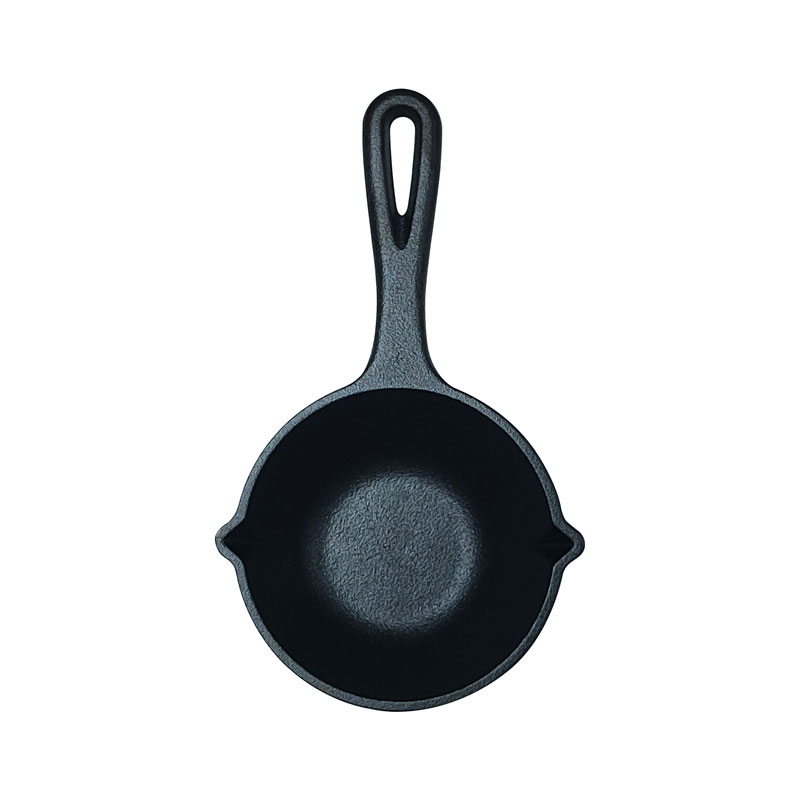
A small iron pan refers to a cooking vessel typically made from cast iron or seasoned wrought iron, designed with a diameter roughly between 6 to 8 inches. Its compact size makes it ideal for frying eggs, toasting spices, melting butter, or single-serving portions. Though simple in appearance, it embodies complex metallurgy and time-tested culinary science.
In modern industry, small iron pans connect to humanitarian cooking stations, emergency relief kits, and micro-business culinary ventures. Their durability and versatility make them indispensable in settings lacking stable resources or electricity.
Key Factors Defining a Small Iron Pan
Durability
Small iron pans are nearly indestructible if cared for properly. Unlike non-stick alternatives that degrade after years, cast iron can literally last centuries. This longevity supports sustainability and resource efficiency.
Heat Retention and Distribution
The metal’s density ensures consistent heat distribution, minimizing hot spots and allowing for precise cooking. Chefs and home cooks alike appreciate how it can maintain steady searing temperatures with minimal fuel.
Seasoning and Non-Stick Quality
Seasoning is a natural, chemical-free process where layers of oil polymerize on the pan surface, gradually enhancing its non-stick properties. Unlike synthetic coatings, this surface can be restored indefinitely.
Portability and Storage
The small size means these pans are easy to transport—even in emergency kits or for camping—and store, a factor that enhances their usefulness in humanitarian or outdoor contexts.
Cost Efficiency
While initially pricier than disposable or low-quality cookware, the investment pays off over time because repairs and re-seasoning are easy and the pan seldom needs replacement.
Mini Takeaway
Understanding these core factors reveals why small iron pans are not just kitchen tools but pivotal assets for sustainability, resilience, and culinary tradition worldwide.
Real-World Applications of the Small Iron Pan
In many rural and developing areas, NGOs distribute small iron pans as part of cooking aid packages because their durability disrupts the cycle of constantly replacing cheap cookware. For example, in post-disaster relief operations in Southeast Asia, durable cookware helps ensure displaced families can prepare nutritious meals with scarce fuel resources.
Similarly, street food vendors across Latin America rely on small skillets to deliver consistent quality—the pan’s heat retention allows for quick turnaround times in busy markets. Meanwhile, in industrial zones with unreliable electricity, small iron pans paired with portable gas stoves or charcoal maintain cooking options.
Typical Small Iron Pan Product Specification Table
| Specification | Details |
|---|---|
| Material | Cast Iron, Pre-Seasoned |
| Diameter | 6 - 8 inches (15.2 - 20.3 cm) |
| Weight | 1.5 - 2.5 lbs (0.68 - 1.13 kg) |
| Oven Safe | Up to 500°F (260°C) |
| Handle Type | Integrated Cast Iron, Slightly Curved |
Vendor Comparison: Small Iron Pan Options
| Brand | Price Range | Pre-Seasoned | Warranty | Additional Features |
|---|---|---|---|---|
| Lodge | $15 - $25 | Yes | Limited Lifetime | Ergonomic Handle, Oven-safe |
| Camp Chef | $18 - $30 | Yes | Limited Lifetime | Induction Compatible |
| Utopia Kitchen | $12 - $20 | No (requires seasoning) | 1 Year Limited | Lightweight design |
Advantages and Long-Term Value
The benefits of investing in a small iron pan are many. First and foremost, there’s a real emotional satisfaction in using a tool that improves over time—the seasoning actually becomes a kind of patina, a personal culinary fingerprint. Then, from a practical standpoint, these pans are incredibly cost-effective. They don’t require replacement every few years like many non-stick sets, reducing landfill waste. Plus, their ability to cook evenly and retain heat saves fuel, which is critical in areas dependent on wood, charcoal, or limited gas supplies.
Socially, they promote dignity—something simple like a consistent, safe cooking surface can empower communities striving for food security. Innovation meets tradition, from the food carts lining urban streets to homes off the grid.
Future Trends & Innovation in Small Iron Cookware
Oddly enough, the so-called “old-school” small iron pan is seeing a quiet renaissance, partly driven by sustainability trends and a return to high-quality, long-lasting goods. Modern innovation isn’t about radically changing design but improving materials and manufacturing. Companies experiment with smoother casting, eco-friendly seasoning oils, and digital tools for seasoning guidance.
On the policy front, increasing attention to sustainable consumer products by governments and organizations like the United Nations Environment Programme (UNEP) encourages manufacturers to adopt greener processes, making iron cookware more accessible and affordable worldwide. Some startups are even exploring solar-powered mini-forges to season pans in remote regions, marrying tradition and tech.
Common Challenges and Expert Solutions
One challenge is the weight—small iron pans can feel heavy compared to aluminum or ceramic options, which might intimidate some users. However, careful ergonomic design and thinner castings can reduce weight without losing strength.
Another concern is maintenance; seasoning requires care and knowledge. Thankfully, many vendors provide comprehensive guides, and online communities are vibrant with advice and troubleshooting tips.
Iron pans are prone to rust if neglected, but this is easily preventable by drying immediately and applying a light oil coating after use. In humanitarian contexts, some NGOs include instruction leaflets or live training to ensure longevity.
FAQ: Small Iron Pan Essentials
-
Q: Can a small iron pan be used on induction cooktops?
A: Yes, small iron pans are fully compatible with induction stoves due to their ferrous metal composition, which responds effectively to magnetic heat induction. -
Q: How do I properly season a small iron pan?
A: Seasoning involves coating the pan with a thin layer of cooking oil and baking it at a high temperature to create a natural non-stick surface. There are many detailed tutorials, but consistent use and re-oiling after each wash help maintain it. -
Q: Are small iron pans safe for all types of cooking?
A: Absolutely. They handle frying, baking, sautéing, and even slow cooking, but avoid cooking highly acidic foods frequently as it may degrade the seasoning layer unless re-seasoned regularly. -
Q: What’s the best way to clean a small iron pan?
A: Use hot water and a non-metal brush or sponge. Avoid soap if possible as it can strip the seasoning. Dry immediately and apply a light coat of oil to prevent rust.
Conclusion: Embracing the Small Iron Pan for the Long Haul
Despite a world obsessed with disposable goods, the small iron pan quietly proves that enduring quality and versatility still matter. Its mix of durability, sustainability, and culinary excellence offers a toolkit for a better kitchen — whether that's at home, in disaster zones, or entrepreneurial street carts. It’s not just about cooking; it’s about investing in resources that respect both people and the planet.
If you’re inspired to experience this timeless piece for yourself, consider browsing our range at small iron pan selection, where traditional craftsmanship meets thoughtful innovation.
Mini takeaway: The small iron pan is a simple yet profound solution for sustainable, reliable cooking worldwide—sensibly built to last.
References


2026-03-31 02:45:09
Elevate Your Outdoor Cooking with a Cast Iron Barbecue Experience
Are you ready to elevate your outdoor cooking experience? A cast iron barbecue offers unparalleled heat retention, even cooking, and a delicious smoky flavor that grills simply can't match. This article will explore the benefits of cast iron barbecues, how to choose the right one, proper care and maintenance, and delicious recipes to get you started. From seasoned grill masters to barbecue beginners, this guide has something for everyone.
2026-03-28 02:55:10
Discover the Benefits of Cast Iron and Grill Cookware for Delicious Meals
Cooking with cast iron and grill cookware has seen a massive resurgence in recent years, and for good reason. This method offers a unique combination of heat retention, even cooking, and versatility. Whether you’re searing a steak, baking a rustic pie, or simply enjoying a weeknight meal, understanding the benefits and proper use of these tools can elevate your culinary experience. This guide will explore everything from the advantages of cast iron and grill cookware to tips for seasoning, cleaning, and maintenance.
2026-03-26 02:45:13
Elevate Your Cooking with a Durable Cast Grill Pan for Restaurant Quality Meals
Looking to elevate your cooking game and achieve restaurant-quality results at home? A cast grill pan is a versatile kitchen essential. This guide dives deep into the benefits, uses, care, and how to choose the best cast grill pan for your needs. From searing steaks to grilling vegetables, a cast grill pan delivers exceptional heat retention and even cooking. Let’s explore why this pan should be a staple in every kitchen. Cast iron cookware, and specifically cast grill pans, have been prized by chefs and home cooks for centuries. The key lies in the material itself. Cast iron is renowned for its incredible heat retention, meaning it heats up slowly but stays hot for a long time, resulting in perfectly seared food. The weight of the pan also contributes to even heat distribution, eliminating hot spots. The raised ridges on a grill pan mimic the effect of an outdoor grill, creating those desirable grill marks and allowing fat to drain away, leading to healthier meals.
2026-03-24 02:55:07
Superior Cooking with Durable Cast Grill Grates for Enhanced Flavor
When it comes to grilling, the grate you use significantly impacts the flavor, texture, and overall cooking experience. Cast grill grates, known for their exceptional heat retention and durability, are a popular choice among both novice and experienced grillers. This article will explore the benefits of cast iron grill grates, different types available, care and maintenance tips, and factors to consider when making a purchase. We’ll help you understand why investing in quality cast grill grates can elevate your outdoor cooking. Cast grill grates offer several advantages over other materials like stainless steel or porcelain-coated grates. Primarily, cast iron boasts superior heat retention, ensuring consistent cooking temperatures even when grilling thicker cuts of meat. This even heat distribution minimizes hot spots and promotes more uniform cooking. Furthermore, cast iron naturally develops a non-stick patina over time with proper seasoning, reducing the likelihood of food sticking and making cleanup easier.
2026-03-21 02:45:09
Unlock Flavorful Outdoor Cooking with a Durable Cast Grill
Looking to elevate your outdoor cooking experience? A cast grill offers exceptional heat retention, versatility, and durability. This comprehensive guide will explore the benefits of cast iron grilling, how to choose the right grill, care and maintenance tips, delicious recipes, and why Debien Cookware offers some of the finest cast grill options available. Prepare to unlock a world of flavor and create unforgettable meals with the power of cast iron! A cast grill is essentially a grilling surface made from cast iron. This material is renowned for its superior heat retention, meaning it gets incredibly hot and stays hot, ensuring perfectly seared meats and evenly cooked vegetables. Unlike other grilling materials, cast iron distributes heat uniformly, eliminating hot spots. Its durability is another key advantage; a well-maintained cast grill can last for generations.
2026-03-19 02:45:14
Comprehensive Guide to Durable and Reliable Cast Grates for Various Applications
Cast grates are essential components in drainage systems, offering a robust and reliable solution for managing water flow in various applications. From landscaping and pedestrian areas to industrial settings, these grates play a crucial role in preventing flooding and maintaining safety. This article delves into the world of cast grates, exploring their materials, types, applications, and factors to consider when selecting the right grate for your needs. We'll also highlight how Debien Cookware's commitment to quality and durability translates to excellence in the production of these vital infrastructure elements. Understanding the intricacies of cast grates is key to ensuring efficient drainage and long-term performance. Cast grates are typically manufactured from cast iron, ductile iron, or steel. Cast iron is a traditional material, valued for its affordability and ease of casting. However, it can be brittle. Ductile iron offers improved strength and ductility, making it more resistant to cracking and impact. Steel grates are the strongest option, often used in heavy-duty applications, but are susceptible to corrosion if not properly treated.
2026-03-17 02:45:12
Choosing the Right Cast Charcoal Grill for Superior Outdoor Cooking
When it comes to outdoor cooking, a cast charcoal grill offers a unique and flavorful experience. From searing steaks to slow-cooking ribs, the versatility is unmatched. But with so many options available, selecting the perfect grill can be daunting. This article will explore the benefits of cast charcoal grills, key features to consider, and how to choose the best one for your needs. We’ll cover everything from construction materials to cooking capacity, helping you make an informed decision. Cast iron grills are renowned for their exceptional heat retention. This means they can reach and maintain high temperatures, perfect for searing meats and achieving that desirable char. They also distribute heat more evenly than many other grill materials, minimizing hot spots and ensuring consistent cooking. Several factors influence the performance and convenience of a cast charcoal grill. Cooking surface area is crucial – determine how much food you typically cook to choose an appropriately sized grill. Features like adjustable vents allow you to control airflow and temperature, giving you more precise cooking control.
2026-03-14 02:45:16
Choosing the Right Cast BBQ Grill for Superior Outdoor Cooking
When it comes to outdoor cooking, a cast BBQ grill offers unparalleled heat retention and a distinctive flavor profile. But with numerous options available, selecting the perfect grill can be daunting. This guide will explore the benefits of cast iron grilling, different types of cast BBQ grills, key features to consider, and how to choose the grill that best suits your cooking style and needs. We'll help you understand what makes Debien Cookware’s cast iron grills stand out in the market. Cast iron is renowned for its exceptional heat retention. This means a cast BBQ grill heats up evenly and stays hot for longer, creating perfect searing temperatures for steaks, burgers, and other meats. Unlike thinner grills, cast iron doesn’t have hot spots, ensuring consistent cooking results. Moreover, cast iron is naturally non-stick when properly seasoned, minimizing food sticking and making cleanup easier. The durability of cast iron is another key advantage—a well-maintained cast iron grill can last for generations.
Inquire Now for Cast Iron Cookware Deals
Please Fill Out The Form Below And Our Team Will Get Back To You With Pricing, Product Details, And Customization Options.

Debien is advancing with time, updating equipment, elaborately carving out our brand, focusing on developing high-end products, and actively responding to market demands with creativity.


QUICK LINKS
CONTACT US
Debien is advancing with time, updating equipment, elaborately carving out our brand, focusing on developing high-end products, and actively responding to market demands with creativity.
Copyright © 2026 HEBEI DEBIEN TECHNOLOGY CO., LTD. All Rights Reserved. Sitemap | Privacy Policy | Top Blog


