



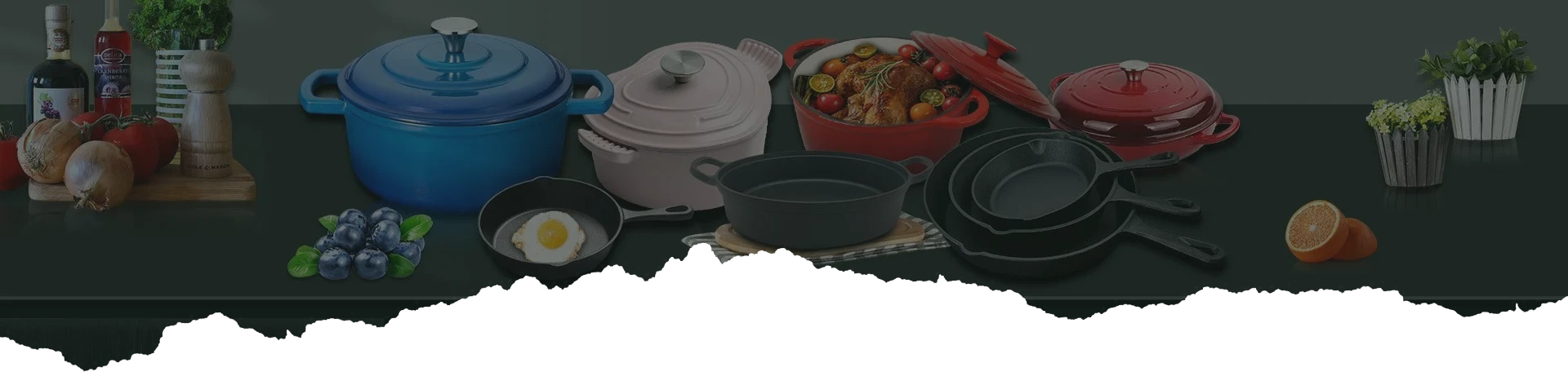

Premium Cast Iron for Sale – Durable Cookware & Industrial Components | Debien Cookware
Dec . 01, 2025 18:20
Understanding Cast Iron for Sale: Why It Matters Globally
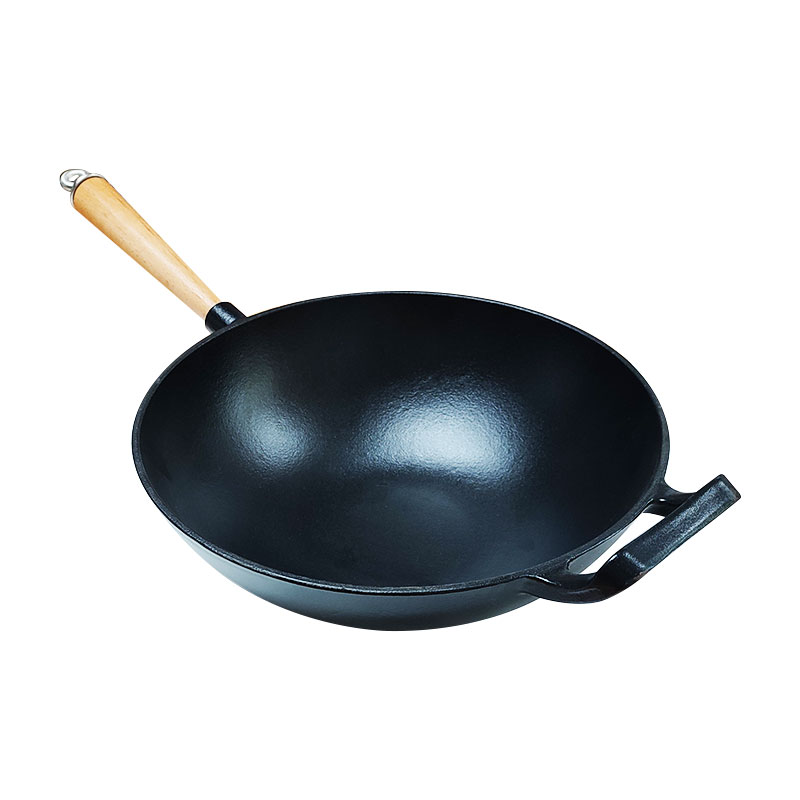
Cast iron, a versatile and time-honored material, finds its way into everything from cookware to complex industrial machinery. But when you hear “cast iron for sale,” what springs to mind? Perhaps it’s a trusty skillet in grandma’s kitchen or the heavy-duty parts running a factory line. This material is more than just metal; it’s a global staple, influencing industries, economies, and even humanitarian efforts. Given the rise in industrial production worldwide, the demand for cast iron products continues to climb, making it crucial to grasp why this material’s availability matters from Silicon Valley to rural India.
Why care? Because cast iron products combine affordability, durability, and efficiency in a way few materials can. Think about it: infrastructure projects need reliable components that last decades; local artisans seek affordable cookware that can be passed down generations. Globally, cast iron supports livelihoods while keeping manufacturing costs in check — a neat balance that the World Bank and other international bodies have noted when analyzing industrial growth in emerging economies.
The Global Context: Cast Iron’s Role Today
The global cast iron market size is projected to surpass USD 85 billion by 2027 (source: Industry reports), propelled by manufacturing, automotive, and construction sectors. Countries like China and India lead production, while Europe and North America drive innovation and environmental standards around longevity and recyclability.
Despite this growth, the industry faces challenges. For example, supply chain hiccups or rising material costs can disrupt availability, affecting everything from small-scale farmers using irrigation pumps to large power plants relying on cast iron valves. Addressing these challenges means understanding the nuances of cast iron for sale—where, how, and by whom it's distributed.
What Exactly Is Cast Iron for Sale?
Simply put, cast iron for sale refers to commercially available products or raw materials made by pouring molten iron into molds. The result: components or goods with a distinct mix of hardness and brittleness, often prized for their strength and heat retention.
Its relevance extends to industries requiring wear resistance and heat conduction — from cookware, pipes, and automotive parts to humanitarian relief items like durable cooking vessels in disaster zones. Oddly enough, that rough, “old school” metal is central to some of the most modern solutions for sustainable development and emergency preparedness.
Key Features of Cast Iron You Should Know
Durability and Strength
Cast iron’s hardness allows it to withstand wear and tear better than many metals, making it ideal for long-term use. Roughly speaking, many engineers say it’s the backbone of heavy industry components.
Heat Retention and Distribution
Particularly valued in cookware, cast iron retains heat evenly and can endure high temperatures, enabling efficient cooking and industrial heating processes.
Cost Efficiency
Compared to steel or aluminum, cast iron offers a low-cost raw material option, especially when sourced from recycled metals — another win for budgets and the environment.
Recyclability and Sustainability
Iron can be melted and recast endlessly without losing quality, helping industries meet sustainable goals and reduce waste.
Scalability and Customization
Thanks to flexible mold casting techniques, cast iron products come in countless shapes and sizes, tailored to both mass production and artisanal craftsmanship.
Real-World Applications: Where Cast Iron Products Shine
Cast iron's versatility is on full display globally:
- Industrial sectors: Automotive manufacturers rely on cast iron for engine blocks and brake rotors due to its thermal properties.
- Infrastructure: Water and sewage systems often incorporate cast iron pipes for durability in harsh environments.
- Humanitarian aid: Durable cast iron cookware is distributed in post-disaster relief operations to communities lacking reliable fuel sources.
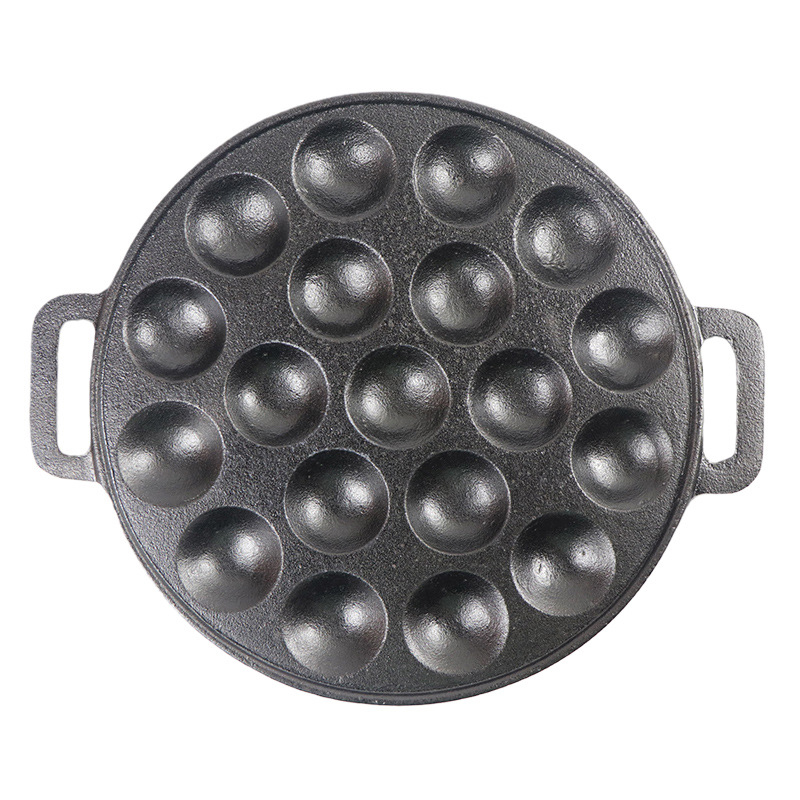
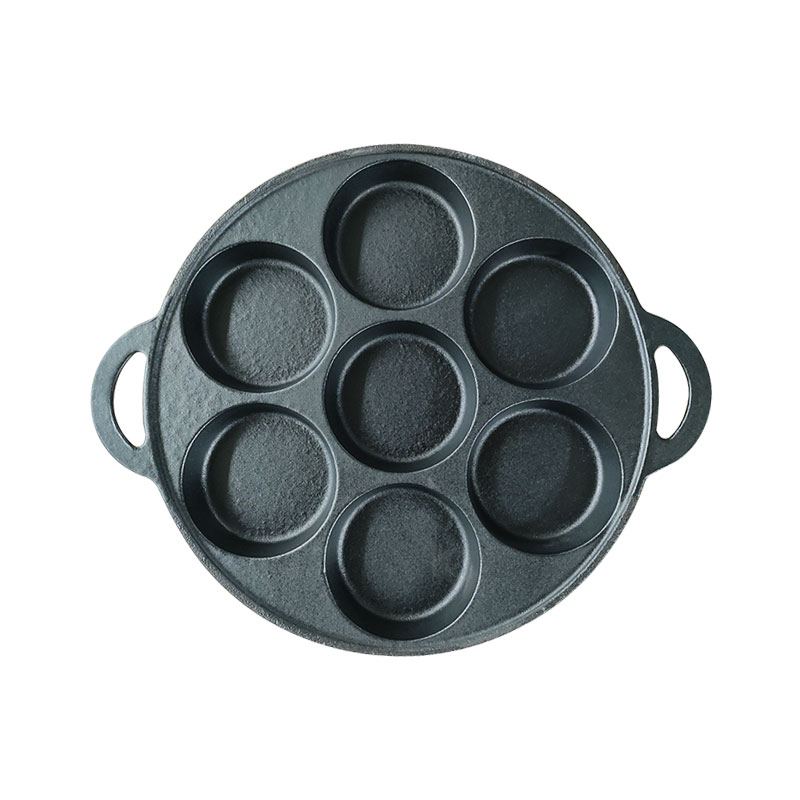
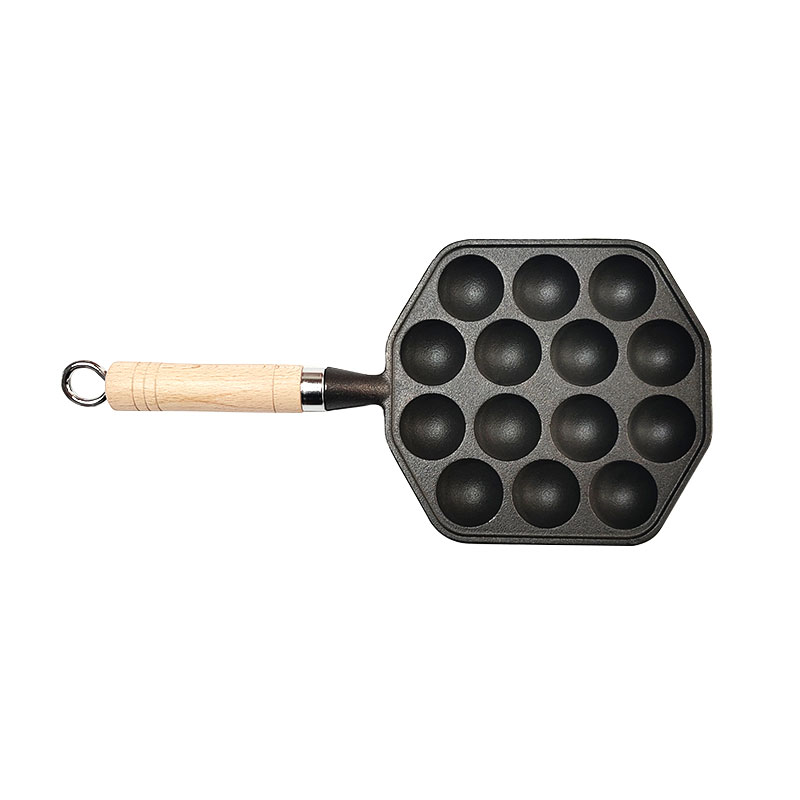
- Artisanal markets: In places like Mexico and parts of Asia, cast iron kitchenware remains invaluable for traditional cooking methods.
These examples show that cast iron for sale isn't just about factories churning metal — there’s a human story woven in every product.
Mini Takeaway:
Cast iron is more than a raw material. It’s a global connector, powering industries and everyday life alike, from local kitchens to industrial powerhouses.
Advantages & Long-Term Value
Aside from obvious cost benefits, cast iron offers households and industries a blend of reliability and safety. Imagine food cooked in a pan that lasts decades without losing its seasoning or a valve in a dam that holds firm through decades of pressure cycles. This longevity reduces waste and replacement expenses—great for budgets and the planet.
Socially, when NGOs supply cast iron cookware or machinery in vulnerable regions, it enhances dignity and stability. There’s something reassuring about a tool that will not let you down mid-crisis.
Specifications Table – Typical Cast Iron Products
| Product Type | Composition | Weight Range | Common Use | Price Range (USD) |
|---|---|---|---|---|
| Cookware (skillets/pots) | Carbon 2-4%, Silicon 1-3% | 1–4 kg | Household cooking | 15–80 |
| Industrial parts (valves) | Carbon 3%, Manganese 1% | 5–50 kg+ | Water systems, machinery | 100–500 |
| Cast iron pipes | Carbon 2.5%, Silicon 1% | 10–30 kg/m | Urban infrastructure | 50–200 per meter |
Comparing Leading Vendors of Cast Iron Products
| Vendor | Product Range | Global Reach | Sustainability Practices | Average Price (USD) |
|---|---|---|---|---|
| GlobalCast Inc. | Cookware, industrial parts | 120 countries | 95% recycled materials used | $75 |
| EcoIron Global | Pipes, industrial valves | 75 countries | Carbon-neutral production | $120 |
| Heritage Cast Works | Traditional cookware | 30 countries | Focus on artisan methods | $45 |
Emerging Trends and Innovations
Advancements aren’t slowing down. Today, green manufacturing is key: vendors increasingly use electric arc furnaces and recycled scrap to reduce emissions and energy consumption.
On the product side, some companies experiment with composite coatings that improve corrosion resistance or development of modular cast iron components for easier maintenance.
In digital terms, smart manufacturing combined with AI helps optimize casting processes, reducing defects and waste. All these trends hint at a future where cast iron remains foundational but also smarter and greener.
Challenges and How Industry Tackles Them
That said, cast iron does have downsides—fragility under impact, heavy weight, and long cooling times in production. The industry combats these by mixing materials (ductile iron, for instance), improving mold design, and innovating transportation logistics.
For distribution challenges, especially in remote regions, direct partnerships between manufacturers and relief NGOs cut costs and time-to-delivery — ensuring the raw and finished cast iron products really get where they’re needed fast.
FAQ: Your Questions About Cast Iron for Sale Answered
Q: How can I ensure the quality of cast iron cookware I buy?
A: Look for manufacturers following ISO quality standards and check product reviews. Proper seasoning and sturdy construction also signal quality. For industrial parts, certifications relating to pressure ratings and metal composition are essential.
Q: Is cast iron suitable for outdoor or emergency cooking?
A: Absolutely. Cast iron’s heat retention and durability make it ideal for outdoor cooking, especially in disaster relief or camping scenarios. Just remember it’s heavy and requires care to avoid rust.
Q: Can cast iron products be recycled efficiently?
A: Yes. Cast iron is 100% recyclable without quality loss. Many vendors now emphasize recycled content in their products, supporting sustainable manufacturing.
Q: Where can I find affordable cast iron for sale internationally?
A: Major online vendors and specialized importers supply cast iron globally. Some manufacturers deliver direct to NGOs and industries via streamlined supply chains. Consider local dealers too, depending on your region.
Q: What’s the difference between cast iron and cast steel?
A: Cast iron generally contains higher carbon content (2-4%), making it hard but brittle, while cast steel has less carbon, offering more flexibility and toughness. Choose based on your application’s durability and strength needs.
Wrapping Up: Why Cast Iron For Sale Remains Crucial
In essence, cast iron's legacy and ongoing innovation make it a material you’ll want to keep an eye on. Whether you’re sourcing cookware for a bustling kitchen or components for a new plant in South America, understanding the nuances of cast iron for sale arms you with knowledge to make smarter, sustainable choices.
Ready to explore your cast iron options? Visit our site for quality selections and expert advice at cast iron for sale. After all, good tools are the foundation of great work.
Final Takeaway:
Cast iron still stands tall in a high-tech world—simply put, it works. Reliable, affordable, and evolving, it’s a global metal with a story worth knowing and a role worth filling.
References:


2026-03-31 02:45:09
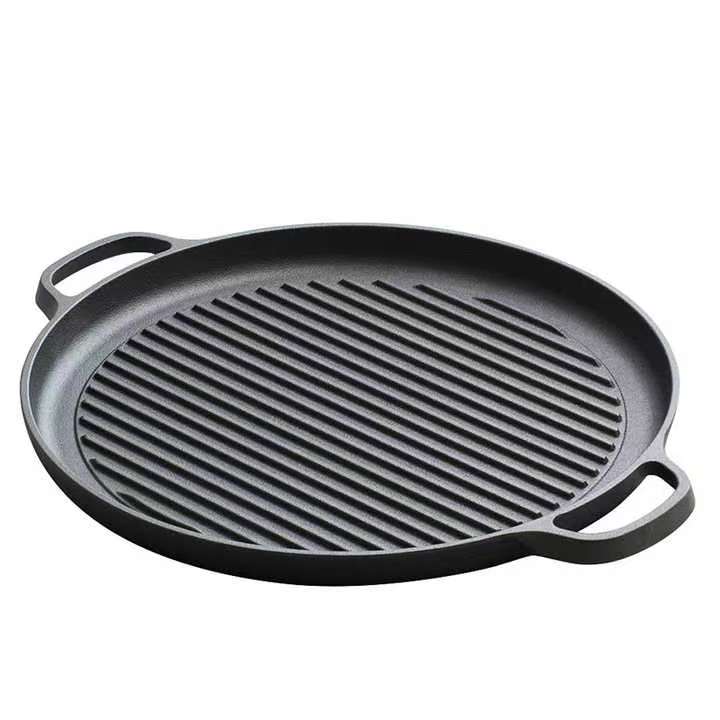
Elevate Your Outdoor Cooking with a Cast Iron Barbecue Experience
Are you ready to elevate your outdoor cooking experience? A cast iron barbecue offers unparalleled heat retention, even cooking, and a delicious smoky flavor that grills simply can't match. This article will explore the benefits of cast iron barbecues, how to choose the right one, proper care and maintenance, and delicious recipes to get you started. From seasoned grill masters to barbecue beginners, this guide has something for everyone.
2026-03-28 02:55:10
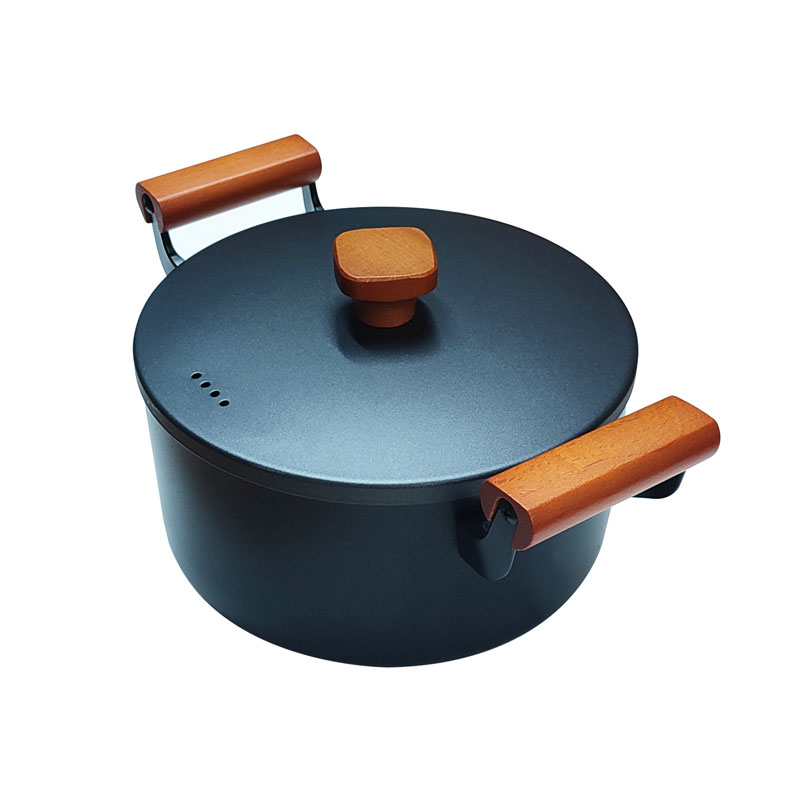
Discover the Benefits of Cast Iron and Grill Cookware for Delicious Meals
Cooking with cast iron and grill cookware has seen a massive resurgence in recent years, and for good reason. This method offers a unique combination of heat retention, even cooking, and versatility. Whether you’re searing a steak, baking a rustic pie, or simply enjoying a weeknight meal, understanding the benefits and proper use of these tools can elevate your culinary experience. This guide will explore everything from the advantages of cast iron and grill cookware to tips for seasoning, cleaning, and maintenance.
2026-03-26 02:45:13
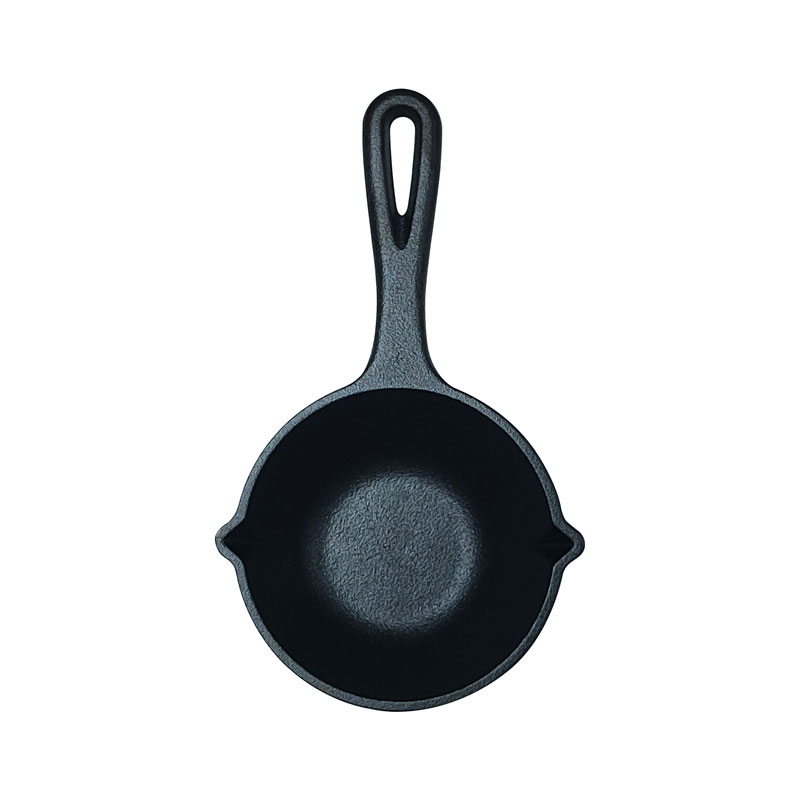
Elevate Your Cooking with a Durable Cast Grill Pan for Restaurant Quality Meals
Looking to elevate your cooking game and achieve restaurant-quality results at home? A cast grill pan is a versatile kitchen essential. This guide dives deep into the benefits, uses, care, and how to choose the best cast grill pan for your needs. From searing steaks to grilling vegetables, a cast grill pan delivers exceptional heat retention and even cooking. Let’s explore why this pan should be a staple in every kitchen. Cast iron cookware, and specifically cast grill pans, have been prized by chefs and home cooks for centuries. The key lies in the material itself. Cast iron is renowned for its incredible heat retention, meaning it heats up slowly but stays hot for a long time, resulting in perfectly seared food. The weight of the pan also contributes to even heat distribution, eliminating hot spots. The raised ridges on a grill pan mimic the effect of an outdoor grill, creating those desirable grill marks and allowing fat to drain away, leading to healthier meals.
2026-03-24 02:55:07
Superior Cooking with Durable Cast Grill Grates for Enhanced Flavor
When it comes to grilling, the grate you use significantly impacts the flavor, texture, and overall cooking experience. Cast grill grates, known for their exceptional heat retention and durability, are a popular choice among both novice and experienced grillers. This article will explore the benefits of cast iron grill grates, different types available, care and maintenance tips, and factors to consider when making a purchase. We’ll help you understand why investing in quality cast grill grates can elevate your outdoor cooking. Cast grill grates offer several advantages over other materials like stainless steel or porcelain-coated grates. Primarily, cast iron boasts superior heat retention, ensuring consistent cooking temperatures even when grilling thicker cuts of meat. This even heat distribution minimizes hot spots and promotes more uniform cooking. Furthermore, cast iron naturally develops a non-stick patina over time with proper seasoning, reducing the likelihood of food sticking and making cleanup easier.
2026-03-21 02:45:09
Unlock Flavorful Outdoor Cooking with a Durable Cast Grill
Looking to elevate your outdoor cooking experience? A cast grill offers exceptional heat retention, versatility, and durability. This comprehensive guide will explore the benefits of cast iron grilling, how to choose the right grill, care and maintenance tips, delicious recipes, and why Debien Cookware offers some of the finest cast grill options available. Prepare to unlock a world of flavor and create unforgettable meals with the power of cast iron! A cast grill is essentially a grilling surface made from cast iron. This material is renowned for its superior heat retention, meaning it gets incredibly hot and stays hot, ensuring perfectly seared meats and evenly cooked vegetables. Unlike other grilling materials, cast iron distributes heat uniformly, eliminating hot spots. Its durability is another key advantage; a well-maintained cast grill can last for generations.
2026-03-19 02:45:14
Comprehensive Guide to Durable and Reliable Cast Grates for Various Applications
Cast grates are essential components in drainage systems, offering a robust and reliable solution for managing water flow in various applications. From landscaping and pedestrian areas to industrial settings, these grates play a crucial role in preventing flooding and maintaining safety. This article delves into the world of cast grates, exploring their materials, types, applications, and factors to consider when selecting the right grate for your needs. We'll also highlight how Debien Cookware's commitment to quality and durability translates to excellence in the production of these vital infrastructure elements. Understanding the intricacies of cast grates is key to ensuring efficient drainage and long-term performance. Cast grates are typically manufactured from cast iron, ductile iron, or steel. Cast iron is a traditional material, valued for its affordability and ease of casting. However, it can be brittle. Ductile iron offers improved strength and ductility, making it more resistant to cracking and impact. Steel grates are the strongest option, often used in heavy-duty applications, but are susceptible to corrosion if not properly treated.
2026-03-17 02:45:12
Choosing the Right Cast Charcoal Grill for Superior Outdoor Cooking
When it comes to outdoor cooking, a cast charcoal grill offers a unique and flavorful experience. From searing steaks to slow-cooking ribs, the versatility is unmatched. But with so many options available, selecting the perfect grill can be daunting. This article will explore the benefits of cast charcoal grills, key features to consider, and how to choose the best one for your needs. We’ll cover everything from construction materials to cooking capacity, helping you make an informed decision. Cast iron grills are renowned for their exceptional heat retention. This means they can reach and maintain high temperatures, perfect for searing meats and achieving that desirable char. They also distribute heat more evenly than many other grill materials, minimizing hot spots and ensuring consistent cooking. Several factors influence the performance and convenience of a cast charcoal grill. Cooking surface area is crucial – determine how much food you typically cook to choose an appropriately sized grill. Features like adjustable vents allow you to control airflow and temperature, giving you more precise cooking control.
2026-03-14 02:45:16
Choosing the Right Cast BBQ Grill for Superior Outdoor Cooking
When it comes to outdoor cooking, a cast BBQ grill offers unparalleled heat retention and a distinctive flavor profile. But with numerous options available, selecting the perfect grill can be daunting. This guide will explore the benefits of cast iron grilling, different types of cast BBQ grills, key features to consider, and how to choose the grill that best suits your cooking style and needs. We'll help you understand what makes Debien Cookware’s cast iron grills stand out in the market. Cast iron is renowned for its exceptional heat retention. This means a cast BBQ grill heats up evenly and stays hot for longer, creating perfect searing temperatures for steaks, burgers, and other meats. Unlike thinner grills, cast iron doesn’t have hot spots, ensuring consistent cooking results. Moreover, cast iron is naturally non-stick when properly seasoned, minimizing food sticking and making cleanup easier. The durability of cast iron is another key advantage—a well-maintained cast iron grill can last for generations.
Inquire Now for Cast Iron Cookware Deals
Please Fill Out The Form Below And Our Team Will Get Back To You With Pricing, Product Details, And Customization Options.

Debien is advancing with time, updating equipment, elaborately carving out our brand, focusing on developing high-end products, and actively responding to market demands with creativity.


QUICK LINKS
CONTACT US
Debien is advancing with time, updating equipment, elaborately carving out our brand, focusing on developing high-end products, and actively responding to market demands with creativity.
Copyright © 2026 HEBEI DEBIEN TECHNOLOGY CO., LTD. All Rights Reserved. Sitemap | Privacy Policy | Top Blog


