




Exploring Different Types of Cast Iron Cookware: Durability, Uses & Trends
Dec . 01, 2025 20:15
Why Understanding Different Types of Cast Iron Cookware Matters Globally
If you’ve ever flipped through a kitchenware catalog, you might have noticed the many varieties of cast iron cookware. It’s not just about estate sales or vintage charm — understanding the different types of cast iron cookware taps into global food cultures, sustainability trends, and health-conscious cooking. Worldwide, cast iron remains a stalwart kitchenware choice, prized for durability and cooking performance. Whether for a home kitchen in Paris or a refugee camp in Kenya, these cookware types bring a reliable constant. And honestly, diving into their differences is pretty rewarding both for culinary enthusiasts and industry insiders alike.Global Context: The Worldwide Relevance of Cast Iron Cookware
Cast iron cookware isn’t just an old-school kitchen relic. According to data from the World Bank and ISO standards, global demand for durable, affordable cookware has increased by roughly 15% over the past decade. Why? Because cast iron offers longevity and even heat distribution—qualities prized in both developed and developing regions. Especially in places with limited resources, a well-maintained cast iron pan can last generations, reducing waste and supporting food security. However, a challenge remains: many consumers and aid organizations don’t always understand the key differences between various types, leading to suboptimal choices. So, a clear grasp on these types can solve practical problems everywhere from roadside vendors to disaster relief kitchens.What Exactly Are the Different Types of Cast Iron Cookware?
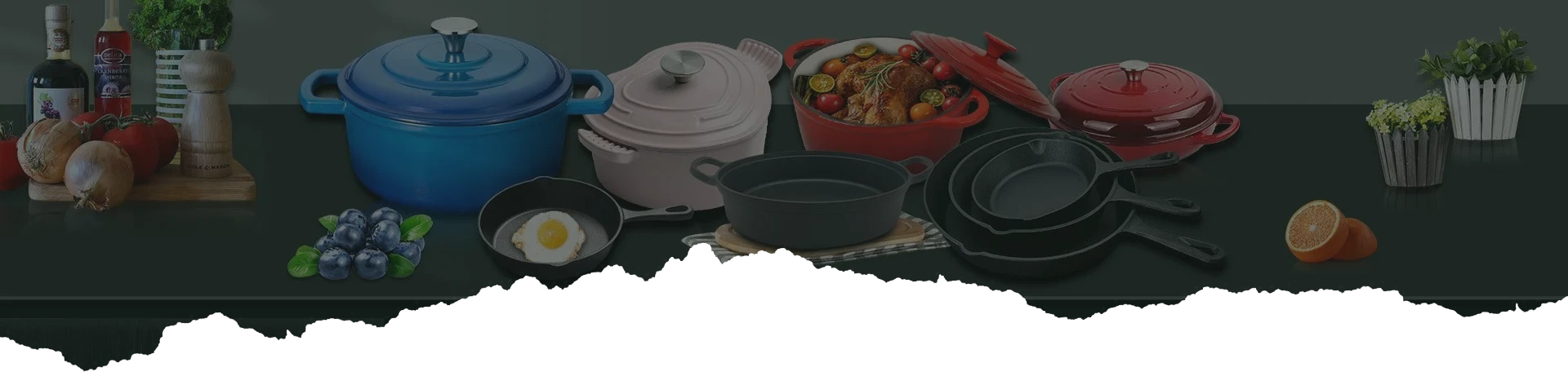
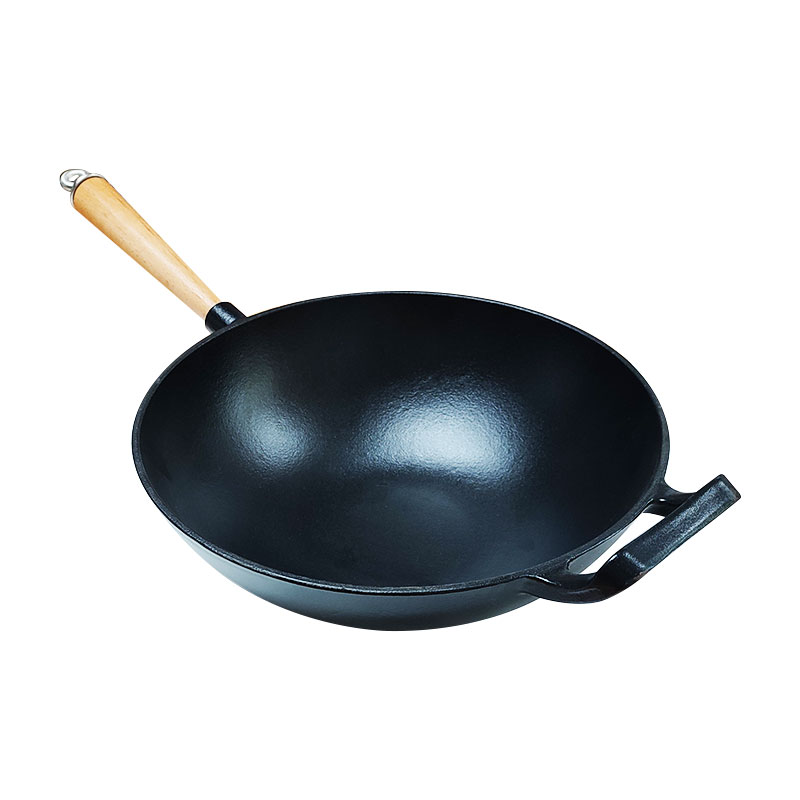
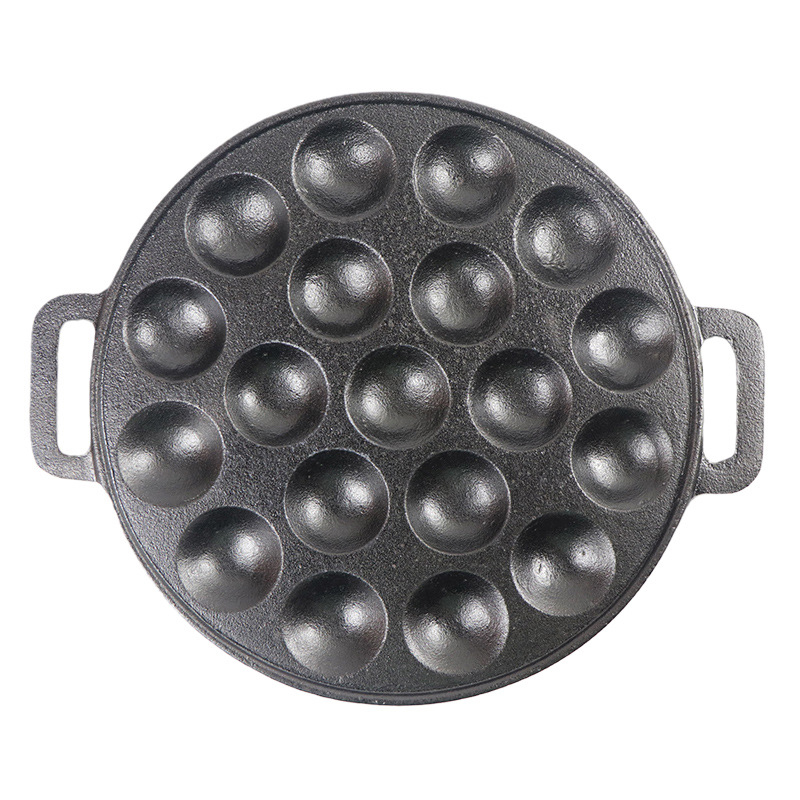
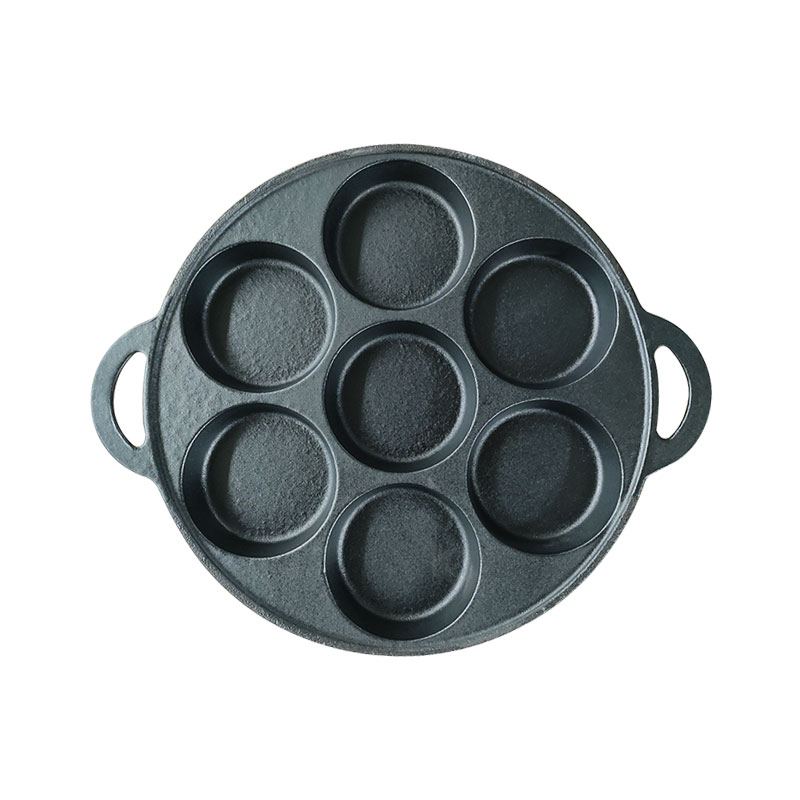
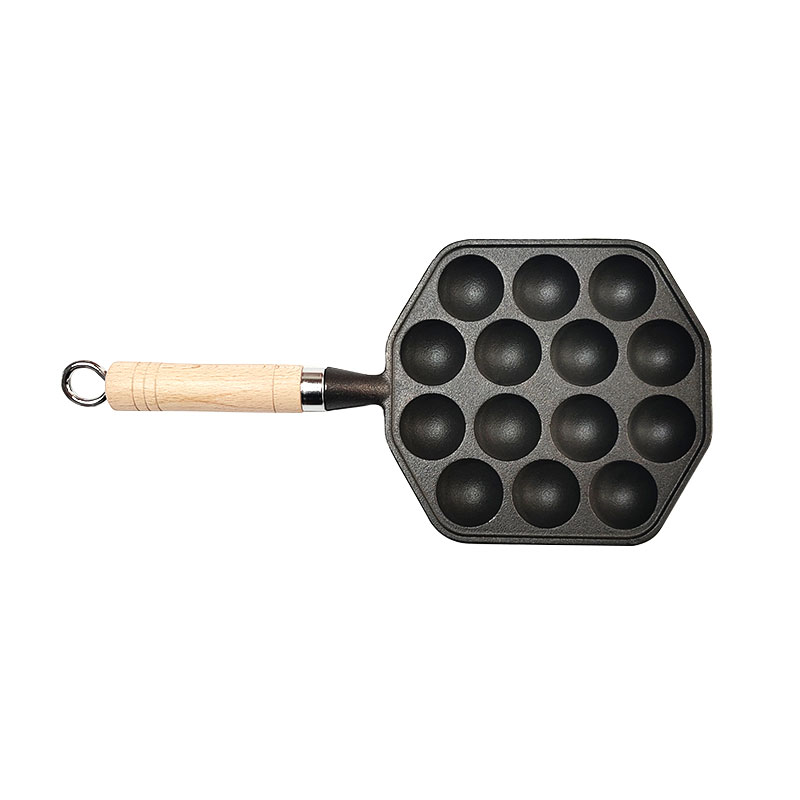
Simply put, different types of cast iron cookware refer to variations in manufacturing, finish, design, and sometimes alloy composition. You’ve got the classic bare cast iron skillet—often pre-seasoned or raw—then enameled cast iron, which sports a glossy porcelain coating in a rainbow of colors. There’s also pressed or cast versions, depending on how the iron is poured or pressed into molds. Each type reflects an evolution in materials science and culinary needs, blending industrial techniques with centuries of cooking tradition. Interestingly, modern humanitarian efforts lean on sturdy cast iron for mobile kitchens, highlighting a fascinating intersection of industry and aid work. It’s cookware that’s as much about utility and sustainability as it is about taste.Key Features of Different Types of Cast Iron Cookware
1. Durability and Longevity
Cast iron is practically indestructible — many chefs swear by pans handed down for decades. The enameled type adds chip resistance but demands gentler treatment. Raw cast iron requires seasoning but once mastered, it can resist rust and cracks better than many metals.2. Heat Retention and Cooking Performance
One reason cast iron stays relevant is its unmatched heat retention. Unlike aluminum or stainless steel, it holds heat evenly, which makes searing and slow-cooking a breeze. Enameled variants don't conduct heat quite as well but offer easier cleanup.3. Maintenance Needs
This ranges wildly between types. Bare cast iron needs regular seasoning and careful drying, whereas enameled versions just need soap and water—though they can chip if mishandled.4. Cost and Accessibility
Raw cast iron cookware tends to be more budget-friendly but requires a bit of know-how. Enameled sets are pricier but appeal to those wanting convenience and color variety.5. Environmental Impact
Cast iron lasts longer than many alternatives. Its recyclability and long lifespan make it a sustainable choice compared to disposable pans or Teflon-coated ones, which degrade faster.Quick Takeaway:
Deciding between types really comes down to balancing personal cooking habits, budget, and desired maintenance level.Where Are Different Types of Cast Iron Cookware Used Around the World?
In North America and Europe, enameled cast iron like Le Creuset or Staub is popular among home cooks and professional kitchens alike. Its vibrant colors and non-reactive surface make it a design and utility statement. Across parts of Asia and Africa, traditional bare cast iron cookware remains a staple. In many rural kitchens, the durability and heat retention of plain cast iron pans are vital to daily meal prep, especially where electric or gas heat is unreliable. Even NGOs and international aid groups turn to cast iron during disaster relief. For example, in remote camps after natural disasters, these pans handle high-volume cooking without requiring constant replacement. The fact that cast iron can also go directly over open fires makes it ideal in such rugged conditions.Mini Recap:
Cast iron’s appeal isn’t just nostalgic — it’s practical, adaptable, and culturally significant across diverse contexts.Advantages & Long-Term Value of Cast Iron Cookware
- Cost-effective over time: Buying a pan that lasts decades means fewer replacements. - Health benefits: Cooking in bare cast iron can actually increase dietary iron content. - Sustainability: Its longevity lowers kitchen waste. - Reliability & Trust: These pans “become part of the family” — many chefs feel attached to their favorite cast iron piece. - Cooking versatility: From frying to baking bread, cast iron is incredibly versatile.Product Specification Table: Sample Cast Iron Cookware
| Model | Type | Coating | Diameter (inches) | Weight (lbs) | Price (USD) |
|---|---|---|---|---|---|
| Classic Skillet 12" | Raw Cast Iron | Seasoned | 12 | 7.5 | 30 |
| Enameled Dutch Oven 5 qt | Cast Iron | Enameled Porcelain | 10.5 | 11.7 | 175 |
| Pressed Cast Iron Skillet 10" | Pressed Cast Iron | Seasoned | 10 | 5.1 | 25 |
Comparing Leading Cast Iron Cookware Vendors
| Brand | Product Range | Price Range (USD) | Coating Options | Warranty |
|---|---|---|---|---|
| Lodge | Skillets, Dutch Ovens, Griddles | 15 - 100 | Seasoned (bare) | Limited Lifetime |
| Le Creuset | Dutch Ovens, Skillets, Bakeware | 150 - 500 | Enameled Porcelain | Limited Lifetime |
| Staub | Enameled Cast Iron Cookware | 120 - 400 | Enameled Porcelain | Limited Lifetime |
Innovations & The Future of Cast Iron Cookware
A couple of interesting things are happening lately. First, manufacturers are exploring lighter cast iron alloys and hybrid materials that maintain heat retention but shed a bit of their traditional heft. Oddly enough, digital cooking tech is also playing a role — smart seasoning indicators and temperature sensors embedded in the handles aren't far off. Sustainability also pushes innovation. Using recycled iron and environmentally friendlier enamels is becoming a focus. In fact, some producers now advertise their cookware as "carbon negative," a bold claim but a sign of shifting industry values. For anyone fascinated by different types of cast iron cookware, these trends promise exciting times.Challenges & Expert Solutions
The main challenges? Weight and maintenance. Many shy away from cast iron because it’s heavy or "high maintenance." Also, the enamel can chip, making some wary of investing. Thankfully, companies offer lighter pressed versions, and seasoned cast iron is easier to maintain than you might think with a few tips. Another hurdle is heat-up time — cast iron takes a little patience, which doesn’t always jive with quick-cook lifestyles. Still, many chefs argue the results are worth the wait, and electric or induction stovetops are increasingly accommodating these pans.Frequently Asked Questions About Different Types of Cast Iron Cookware
- Q: What’s the advantage of enameled cast iron over bare cast iron?
- A: Enameled cast iron offers easier cleaning and no seasoning requirements. It's non-reactive, meaning it won’t impart metal taste or react with acidic foods like tomato sauce. However, it’s usually pricier and heavier. Bare cast iron needs regular seasoning but often has superior heat retention and durability.
- Q: How do I maintain a raw cast iron skillet to prevent rust?
- A: Keep it dry and lightly coated with oil after each use. Avoid soaking or using soap regularly. If rust occurs, scrub with steel wool and re-season. Proper maintenance can keep your skillet non-stick and rust-free for decades.
- Q: Are there health concerns associated with cast iron cookware?
- A: Generally no, but cooking acidic foods in bare cast iron can increase iron intake, which can be beneficial for many with low iron. Those with excess iron or hemochromatosis might want to limit exposure. Enameled cast iron prevents iron transfer completely.
- Q: Can cast iron cookware be used on induction cooktops?
- A: Yes! Cast iron works superbly on induction because it’s magnetic. In fact, cast iron and induction are a perfect pairing for efficient heat transfer.
- Q: Is investing in premium cast iron worth it for a casual home cook?
- A: It depends on your cooking style. If you appreciate slow cooking, searing, and durability, yes. Premium cast iron usually has better craftsmanship and longer warranties, making it a lifetime investment.
Wrapping Up: Why Different Types of Cast Iron Cookware Should Be on Your Radar
In the end, the variety of cast iron cookware types reflects a balance of tradition, innovation, and practical application worldwide. They aren’t just kitchen staples but symbols of sustainable cooking culture, global connectivity, and even emergency preparedness. Whether you’re a casual cook or an industry professional, understanding these differences helps pick the right cookware for your needs — and possibly pass it down for generations. Curious to explore more? Visit our website at https://www.debiencookware.com and dive deeper into the rich world of cast iron.References


2026-03-31 02:45:09
Elevate Your Outdoor Cooking with a Cast Iron Barbecue Experience
Are you ready to elevate your outdoor cooking experience? A cast iron barbecue offers unparalleled heat retention, even cooking, and a delicious smoky flavor that grills simply can't match. This article will explore the benefits of cast iron barbecues, how to choose the right one, proper care and maintenance, and delicious recipes to get you started. From seasoned grill masters to barbecue beginners, this guide has something for everyone.
2026-03-28 02:55:10
Discover the Benefits of Cast Iron and Grill Cookware for Delicious Meals
Cooking with cast iron and grill cookware has seen a massive resurgence in recent years, and for good reason. This method offers a unique combination of heat retention, even cooking, and versatility. Whether you’re searing a steak, baking a rustic pie, or simply enjoying a weeknight meal, understanding the benefits and proper use of these tools can elevate your culinary experience. This guide will explore everything from the advantages of cast iron and grill cookware to tips for seasoning, cleaning, and maintenance.
2026-03-26 02:45:13
Elevate Your Cooking with a Durable Cast Grill Pan for Restaurant Quality Meals
Looking to elevate your cooking game and achieve restaurant-quality results at home? A cast grill pan is a versatile kitchen essential. This guide dives deep into the benefits, uses, care, and how to choose the best cast grill pan for your needs. From searing steaks to grilling vegetables, a cast grill pan delivers exceptional heat retention and even cooking. Let’s explore why this pan should be a staple in every kitchen. Cast iron cookware, and specifically cast grill pans, have been prized by chefs and home cooks for centuries. The key lies in the material itself. Cast iron is renowned for its incredible heat retention, meaning it heats up slowly but stays hot for a long time, resulting in perfectly seared food. The weight of the pan also contributes to even heat distribution, eliminating hot spots. The raised ridges on a grill pan mimic the effect of an outdoor grill, creating those desirable grill marks and allowing fat to drain away, leading to healthier meals.
2026-03-24 02:55:07
Superior Cooking with Durable Cast Grill Grates for Enhanced Flavor
When it comes to grilling, the grate you use significantly impacts the flavor, texture, and overall cooking experience. Cast grill grates, known for their exceptional heat retention and durability, are a popular choice among both novice and experienced grillers. This article will explore the benefits of cast iron grill grates, different types available, care and maintenance tips, and factors to consider when making a purchase. We’ll help you understand why investing in quality cast grill grates can elevate your outdoor cooking. Cast grill grates offer several advantages over other materials like stainless steel or porcelain-coated grates. Primarily, cast iron boasts superior heat retention, ensuring consistent cooking temperatures even when grilling thicker cuts of meat. This even heat distribution minimizes hot spots and promotes more uniform cooking. Furthermore, cast iron naturally develops a non-stick patina over time with proper seasoning, reducing the likelihood of food sticking and making cleanup easier.
2026-03-21 02:45:09
Unlock Flavorful Outdoor Cooking with a Durable Cast Grill
Looking to elevate your outdoor cooking experience? A cast grill offers exceptional heat retention, versatility, and durability. This comprehensive guide will explore the benefits of cast iron grilling, how to choose the right grill, care and maintenance tips, delicious recipes, and why Debien Cookware offers some of the finest cast grill options available. Prepare to unlock a world of flavor and create unforgettable meals with the power of cast iron! A cast grill is essentially a grilling surface made from cast iron. This material is renowned for its superior heat retention, meaning it gets incredibly hot and stays hot, ensuring perfectly seared meats and evenly cooked vegetables. Unlike other grilling materials, cast iron distributes heat uniformly, eliminating hot spots. Its durability is another key advantage; a well-maintained cast grill can last for generations.
2026-03-19 02:45:14
Comprehensive Guide to Durable and Reliable Cast Grates for Various Applications
Cast grates are essential components in drainage systems, offering a robust and reliable solution for managing water flow in various applications. From landscaping and pedestrian areas to industrial settings, these grates play a crucial role in preventing flooding and maintaining safety. This article delves into the world of cast grates, exploring their materials, types, applications, and factors to consider when selecting the right grate for your needs. We'll also highlight how Debien Cookware's commitment to quality and durability translates to excellence in the production of these vital infrastructure elements. Understanding the intricacies of cast grates is key to ensuring efficient drainage and long-term performance. Cast grates are typically manufactured from cast iron, ductile iron, or steel. Cast iron is a traditional material, valued for its affordability and ease of casting. However, it can be brittle. Ductile iron offers improved strength and ductility, making it more resistant to cracking and impact. Steel grates are the strongest option, often used in heavy-duty applications, but are susceptible to corrosion if not properly treated.
2026-03-17 02:45:12
Choosing the Right Cast Charcoal Grill for Superior Outdoor Cooking
When it comes to outdoor cooking, a cast charcoal grill offers a unique and flavorful experience. From searing steaks to slow-cooking ribs, the versatility is unmatched. But with so many options available, selecting the perfect grill can be daunting. This article will explore the benefits of cast charcoal grills, key features to consider, and how to choose the best one for your needs. We’ll cover everything from construction materials to cooking capacity, helping you make an informed decision. Cast iron grills are renowned for their exceptional heat retention. This means they can reach and maintain high temperatures, perfect for searing meats and achieving that desirable char. They also distribute heat more evenly than many other grill materials, minimizing hot spots and ensuring consistent cooking. Several factors influence the performance and convenience of a cast charcoal grill. Cooking surface area is crucial – determine how much food you typically cook to choose an appropriately sized grill. Features like adjustable vents allow you to control airflow and temperature, giving you more precise cooking control.
2026-03-14 02:45:16
Choosing the Right Cast BBQ Grill for Superior Outdoor Cooking
When it comes to outdoor cooking, a cast BBQ grill offers unparalleled heat retention and a distinctive flavor profile. But with numerous options available, selecting the perfect grill can be daunting. This guide will explore the benefits of cast iron grilling, different types of cast BBQ grills, key features to consider, and how to choose the grill that best suits your cooking style and needs. We'll help you understand what makes Debien Cookware’s cast iron grills stand out in the market. Cast iron is renowned for its exceptional heat retention. This means a cast BBQ grill heats up evenly and stays hot for longer, creating perfect searing temperatures for steaks, burgers, and other meats. Unlike thinner grills, cast iron doesn’t have hot spots, ensuring consistent cooking results. Moreover, cast iron is naturally non-stick when properly seasoned, minimizing food sticking and making cleanup easier. The durability of cast iron is another key advantage—a well-maintained cast iron grill can last for generations.
Inquire Now for Cast Iron Cookware Deals
Please Fill Out The Form Below And Our Team Will Get Back To You With Pricing, Product Details, And Customization Options.

Debien is advancing with time, updating equipment, elaborately carving out our brand, focusing on developing high-end products, and actively responding to market demands with creativity.


QUICK LINKS
CONTACT US
Debien is advancing with time, updating equipment, elaborately carving out our brand, focusing on developing high-end products, and actively responding to market demands with creativity.
Copyright © 2026 HEBEI DEBIEN TECHNOLOGY CO., LTD. All Rights Reserved. Sitemap | Privacy Policy | Top Blog


