



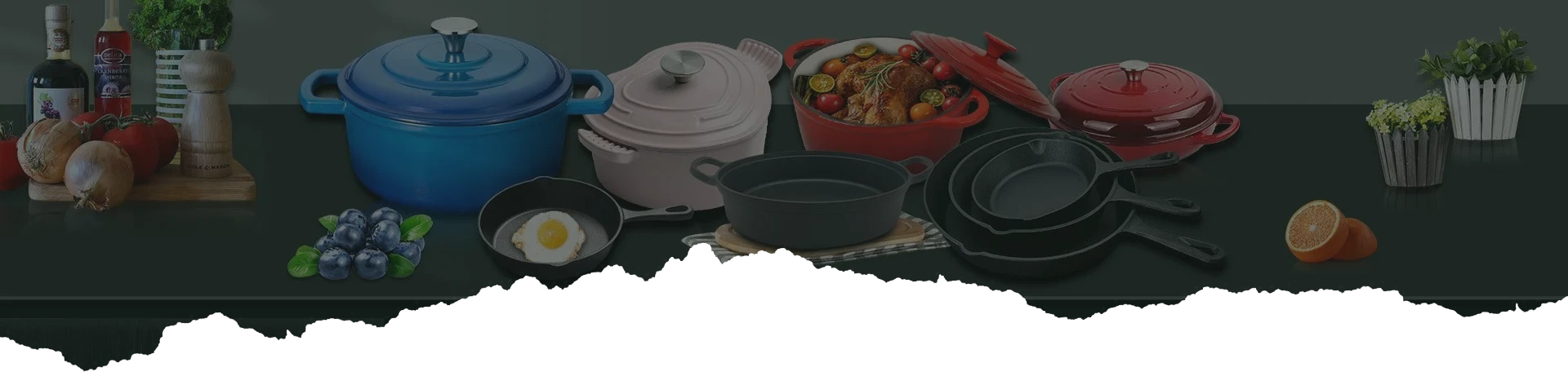

Explore the Benefits of Cast Iron Wok Cooking | Durable, Efficient & Authentic
Nov . 27, 2025 21:55
Understanding Cast Iron Wok Cooking: Why It Matters Globally
Cast iron wok cooking, at first glance, might seem like just another kitchen technique—one reserved for that umami-rich stir-fry or a char-kissed noodle dish. But step back a bit and you'll realize it’s more than culinary flair. This age-old method, combining time-tested material with versatile cooking principals, has quietly woven itself into the global narrative of sustainable cooking, food security, and cultural continuity. Why does this matter? In a world grappling with climate change, resource scarcity, and shifting lifestyles, the humble cast iron wok offers a blend of efficiency, durability, and tradition that’s tough to beat.
The key benefits of understanding cast iron wok cooking don’t just stop at a mouthwatering dish—they ripple outward: energy efficiency, longer tool life, and the sheer joy of mastering a cooking method that’s as much an art as a science.
Why Cast Iron Wok Cooking Holds Global Significance Today
Globally, food preparation methods contribute significantly to a household’s energy consumption and sustainability footprint. According to the International Energy Agency (IEA), cooking accounts for roughly 9% of global energy use, with variations based on regional practices and appliance efficiency. The World Bank also highlights how energy poverty impacts cooking habits in many developing nations, where resources and durable cooking tools are limited.
Cast iron wok cooking addresses some of these challenges quietly but effectively. The wok's superior heat retention compared to lightweight cookware means less energy spent reheating or compensating for heat loss—a crucial detail in places where every watt counts. Additionally, the resilience of cast iron makes it a practical tool in disaster-hit or remote regions where replacing cookware isn’t simple.
Yet, the challenge remains: How do we balance traditional cookware’s authenticity and utility with modern demands for convenience, sustainability, and scalability? This question becomes essential for chefs, households, and humanitarian organizations worldwide.
What Exactly Is Cast Iron Wok Cooking?
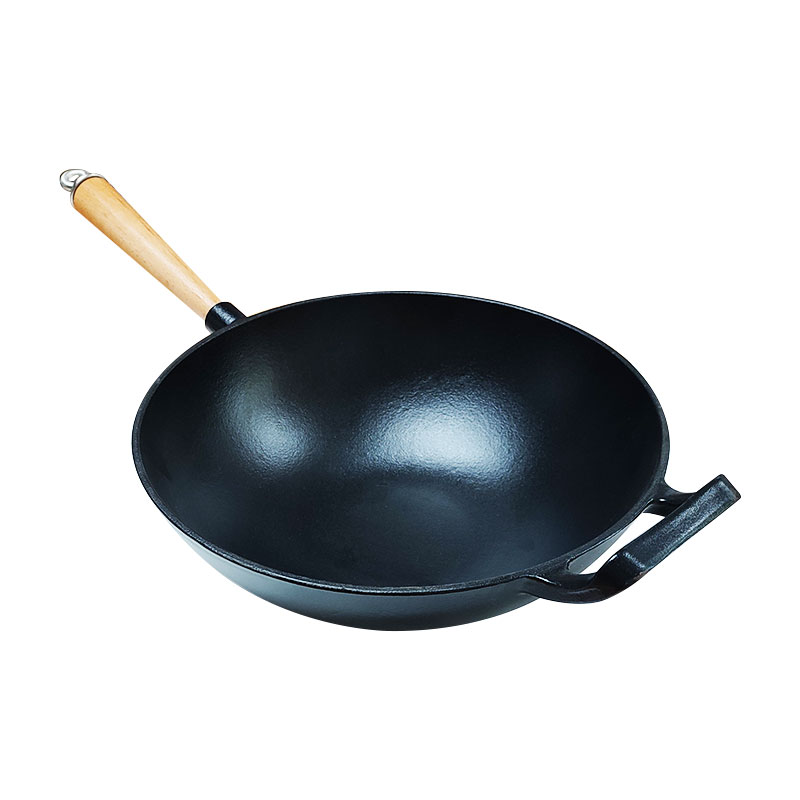
Simply put, cast iron wok cooking means using a wok crafted from cast iron—a dense, durable material known for excellent heat distribution and retention—to prepare food primarily through stir-frying, deep-frying, steaming, or boiling. The technique has roots in Chinese culinary traditions but has since seeped into global kitchens, given its undeniable efficiency and flavor benefits.
From a broader perspective, this cooking method links tradition with modern practicality. Cast iron woks support sustainable cooking practices by reducing fuel consumption and providing a long-lasting tool that preferably gets passed down generations or shared communally in refugee camps or eco-communities.
Key Elements That Make Cast Iron Wok Cooking Effective
Durability of Cast Iron
The robustness of cast iron is legendary. Unlike thin aluminum or steel pans that dent, warp, or degrade quickly, cast iron withstands decades of heat cycles and rough handling. Many cooks say their cast iron wok "improves with age," as seasoning develops and the surface becomes naturally non-stick.
Superior Heat Retention & Distribution
This isn’t just about being hot—it’s about maintaining constant, even heat. The thick walls of cast iron woks ensure heat is spread uniformly, preventing those dreaded hot or cold spots during fast-paced stir-fry sessions. The result? Improved flavor and more consistent cooking.
Energy Efficiency in Cooking
Because cast iron holds heat so well, cooking can often be done on lower temperatures or with intermittent heating, which saves fuel and reduces cooking time. For regions reliant on biomass or other patchy fuel sources, this difference can be significant.
Versatility
Oddly enough, cast iron woks aren’t just for stir-fries. You can deep-fry, steam, or even bake with them—sometimes replacing an entire suite of cookware. This multipurpose nature is key for minimalist or off-grid kitchens.
Flavor Enhancement via Seasoning
Over time, a well-used cast iron wok develops a seasoned surface that imparts richer, more complex flavors—a foodie’s delight and a nod to culinary craftsmanship.
Maintenance & Longevity
While cast iron requires thoughtful care (no soap, regular oiling), this investment pays off by extending the wok’s lifespan rather than encouraging disposable usage habits common with cheaper pans.
Mini Takeaway: The magic of cast iron wok cooking lies in the unique combination of material science and culinary tradition—durable, energy-wise, and flavor-enhancing.
Real-World Applications: Where and How Cast Iron Woks Shine
Cast iron wok cooking isn’t just a kitchen curiosity—it’s actively part of diverse fields:
- Households in Asia & Beyond: In China, Thailand, and Vietnam, families rely on cast iron woks daily—not just for food but as a cultural anchor.
- Humanitarian & Disaster Relief: In remote camps, durable cookware that requires less fuel helps organizations like the UN’s World Food Programme maximize resources.
- Eco-friendly Restaurants & Culinary Schools: Increasingly, training chefs in cast iron wok use is part of sustainable kitchen curricula, favoring tradition and energy savings over disposables.
- Off-Grid Communities: Areas with limited electricity or gas benefit from cookware that retains heat well, enabling efficient, low-energy cooking.
These broad applications showcase how traditional cooking knowledge adapts to modern challenges.
Advantages & Long-Term Value of Cast Iron Wok Cooking
- Cost Savings: Although cast iron woks may have a higher upfront cost, their longevity and energy savings mean less spending over time.
- Sustainability: Reduced fuel use and long lifespan cut environmental impacts markedly.
- Health & Flavor: Cooking at consistent heat reduces oil breakdown and preserves nutrients.
- Emotional Value: Owning a cast iron wok often fosters a sense of pride and continuity, linking generations through shared meals.
- Reliability: It's rare for a cast iron wok to suddenly fail; it’s more "tried and true" than trendy.
Mini Takeaway: The emotional and tangible benefits of cast iron wok cooking make it not just practical but genuinely rewarding.
Future Trends That Could Change Cast Iron Wok Cooking
The world is moving fast—with sustainability, green energy integration, and smart tech reshaping many industries. Here’s how cast iron wok cooking might evolve:
- Improved Casting Techniques: More precise control over iron composition could make woks lighter but just as durable.
- Eco-Friendly Non-Stick Coatings: Innovations may reduce seasoning upkeep, blending tradition with convenience.
- Energy-Optimized Designs: Woks designed for induction or solar-powered cookers.
- Digital Cooking Integration: Sensors embedded in cookware to help novice cooks control temperature perfectly.
Challenges and How They’re Being Tackled
Let’s get real—cast iron wok cooking isn’t flawless. The weight can intimidate, the maintenance feel fiddly, and initial seasoning takes patience. But clever solutions are emerging:
- Lighter Alloys: Some vendors blend cast iron with other materials to reduce weight without sacrificing heat retention.
- Pre-Seasoned Woks: Making it easier for first-time users to adopt the cookware.
- Community Workshops: Educating cooks on care and best practices to prolong wok life.
Technical Specifications of Popular Cast Iron Woks
| Model | Diameter (inches) | Weight (lbs) | Pre-Seasoned | Handle Style |
|---|---|---|---|---|
| Debien Classic 14" | 14 | 7.8 | Yes | Long Wooden |
| WokMaster Pro 12" | 12 | 6.2 | No | Metal Loop |
| EcoCook Cast Iron 16" | 16 | 8.5 | Yes | Short Handle |
Vendor Comparison: Choosing the Right Cast Iron Wok Supplier
| Vendor | Price Range | Pre-Seasoned? | Custom Sizes | Shipping Regions |
|---|---|---|---|---|
| Debien Cookware | $85–$130 | Yes | Yes | Worldwide |
| WokWorld | $60–$90 | No | Limited | Asia & Europe |
| GreenSizzle | $90–$150 | Yes | Yes | North America, Europe |
Common Questions About Cast Iron Wok Cooking
1. How do I properly season a cast iron wok?
Seasoning a cast iron wok involves coating it with a thin layer of oil and heating it repeatedly, creating a non-stick, rust-resistant surface. Use vegetable oil and bake the wok upside down at around 450°F for an hour, allowing excess to drip off. Repeat several times before first use for optimal performance.
2. Can cast iron woks be used on induction cooktops?
Yes. Cast iron’s magnetic properties make it fully compatible with induction cooktops. However, due to the wok’s curved shape, flat-bottomed variations are recommended for best contact and heat distribution.
3. Why does cast iron wez wok cooking save energy?
Because cast iron retains heat longer and distributes it evenly, you can cook at lower temperatures or intermittently turn off the heat without compromising results—this saves fuel and electricity compared to thinner, less conductive cookware.
4. How do I clean a cast iron wok without damaging its seasoning?
Avoid soap or harsh detergents. Instead, rinse with hot water and scrub with a brush or coarse salt if needed. Dry thoroughly and lightly oil before storing to maintain the seasoning layer.
5. Are cast iron woks suitable for outdoor or camping cooking?
Absolutely. Their durability and heat retention make them ideal for open-fire or camping stoves, where quick temperature changes are common. Just be prepared for the extra weight.
Final Thoughts on Cast Iron Wok Cooking
Cast iron wok cooking encapsulates something I think many cooks and sustainability advocates cherish: a perfect blend of heritage and practical innovation. Its ability to stand the test of time, reduce energy use, and enhance flavors means it’s not just about cooking—it’s about investing in a better experience for your kitchen and, frankly, our planet.
Curious to learn more or find the perfect cast iron wok for your needs? Visit our website at cast iron wok cooking to explore our full range and join a community passionate about quality cookware.
References:
1. International Energy Agency - Cooking and Energy Use
2. World Bank - Energy Access
3. Wikipedia - Cast Iron Cookware


2026-03-31 02:45:09
Elevate Your Outdoor Cooking with a Cast Iron Barbecue Experience
Are you ready to elevate your outdoor cooking experience? A cast iron barbecue offers unparalleled heat retention, even cooking, and a delicious smoky flavor that grills simply can't match. This article will explore the benefits of cast iron barbecues, how to choose the right one, proper care and maintenance, and delicious recipes to get you started. From seasoned grill masters to barbecue beginners, this guide has something for everyone.
2026-03-28 02:55:10
Discover the Benefits of Cast Iron and Grill Cookware for Delicious Meals
Cooking with cast iron and grill cookware has seen a massive resurgence in recent years, and for good reason. This method offers a unique combination of heat retention, even cooking, and versatility. Whether you’re searing a steak, baking a rustic pie, or simply enjoying a weeknight meal, understanding the benefits and proper use of these tools can elevate your culinary experience. This guide will explore everything from the advantages of cast iron and grill cookware to tips for seasoning, cleaning, and maintenance.
2026-03-26 02:45:13
Elevate Your Cooking with a Durable Cast Grill Pan for Restaurant Quality Meals
Looking to elevate your cooking game and achieve restaurant-quality results at home? A cast grill pan is a versatile kitchen essential. This guide dives deep into the benefits, uses, care, and how to choose the best cast grill pan for your needs. From searing steaks to grilling vegetables, a cast grill pan delivers exceptional heat retention and even cooking. Let’s explore why this pan should be a staple in every kitchen. Cast iron cookware, and specifically cast grill pans, have been prized by chefs and home cooks for centuries. The key lies in the material itself. Cast iron is renowned for its incredible heat retention, meaning it heats up slowly but stays hot for a long time, resulting in perfectly seared food. The weight of the pan also contributes to even heat distribution, eliminating hot spots. The raised ridges on a grill pan mimic the effect of an outdoor grill, creating those desirable grill marks and allowing fat to drain away, leading to healthier meals.
2026-03-24 02:55:07
Superior Cooking with Durable Cast Grill Grates for Enhanced Flavor
When it comes to grilling, the grate you use significantly impacts the flavor, texture, and overall cooking experience. Cast grill grates, known for their exceptional heat retention and durability, are a popular choice among both novice and experienced grillers. This article will explore the benefits of cast iron grill grates, different types available, care and maintenance tips, and factors to consider when making a purchase. We’ll help you understand why investing in quality cast grill grates can elevate your outdoor cooking. Cast grill grates offer several advantages over other materials like stainless steel or porcelain-coated grates. Primarily, cast iron boasts superior heat retention, ensuring consistent cooking temperatures even when grilling thicker cuts of meat. This even heat distribution minimizes hot spots and promotes more uniform cooking. Furthermore, cast iron naturally develops a non-stick patina over time with proper seasoning, reducing the likelihood of food sticking and making cleanup easier.
2026-03-21 02:45:09
Unlock Flavorful Outdoor Cooking with a Durable Cast Grill
Looking to elevate your outdoor cooking experience? A cast grill offers exceptional heat retention, versatility, and durability. This comprehensive guide will explore the benefits of cast iron grilling, how to choose the right grill, care and maintenance tips, delicious recipes, and why Debien Cookware offers some of the finest cast grill options available. Prepare to unlock a world of flavor and create unforgettable meals with the power of cast iron! A cast grill is essentially a grilling surface made from cast iron. This material is renowned for its superior heat retention, meaning it gets incredibly hot and stays hot, ensuring perfectly seared meats and evenly cooked vegetables. Unlike other grilling materials, cast iron distributes heat uniformly, eliminating hot spots. Its durability is another key advantage; a well-maintained cast grill can last for generations.
2026-03-19 02:45:14
Comprehensive Guide to Durable and Reliable Cast Grates for Various Applications
Cast grates are essential components in drainage systems, offering a robust and reliable solution for managing water flow in various applications. From landscaping and pedestrian areas to industrial settings, these grates play a crucial role in preventing flooding and maintaining safety. This article delves into the world of cast grates, exploring their materials, types, applications, and factors to consider when selecting the right grate for your needs. We'll also highlight how Debien Cookware's commitment to quality and durability translates to excellence in the production of these vital infrastructure elements. Understanding the intricacies of cast grates is key to ensuring efficient drainage and long-term performance. Cast grates are typically manufactured from cast iron, ductile iron, or steel. Cast iron is a traditional material, valued for its affordability and ease of casting. However, it can be brittle. Ductile iron offers improved strength and ductility, making it more resistant to cracking and impact. Steel grates are the strongest option, often used in heavy-duty applications, but are susceptible to corrosion if not properly treated.
2026-03-17 02:45:12
Choosing the Right Cast Charcoal Grill for Superior Outdoor Cooking
When it comes to outdoor cooking, a cast charcoal grill offers a unique and flavorful experience. From searing steaks to slow-cooking ribs, the versatility is unmatched. But with so many options available, selecting the perfect grill can be daunting. This article will explore the benefits of cast charcoal grills, key features to consider, and how to choose the best one for your needs. We’ll cover everything from construction materials to cooking capacity, helping you make an informed decision. Cast iron grills are renowned for their exceptional heat retention. This means they can reach and maintain high temperatures, perfect for searing meats and achieving that desirable char. They also distribute heat more evenly than many other grill materials, minimizing hot spots and ensuring consistent cooking. Several factors influence the performance and convenience of a cast charcoal grill. Cooking surface area is crucial – determine how much food you typically cook to choose an appropriately sized grill. Features like adjustable vents allow you to control airflow and temperature, giving you more precise cooking control.
2026-03-14 02:45:16
Choosing the Right Cast BBQ Grill for Superior Outdoor Cooking
When it comes to outdoor cooking, a cast BBQ grill offers unparalleled heat retention and a distinctive flavor profile. But with numerous options available, selecting the perfect grill can be daunting. This guide will explore the benefits of cast iron grilling, different types of cast BBQ grills, key features to consider, and how to choose the grill that best suits your cooking style and needs. We'll help you understand what makes Debien Cookware’s cast iron grills stand out in the market. Cast iron is renowned for its exceptional heat retention. This means a cast BBQ grill heats up evenly and stays hot for longer, creating perfect searing temperatures for steaks, burgers, and other meats. Unlike thinner grills, cast iron doesn’t have hot spots, ensuring consistent cooking results. Moreover, cast iron is naturally non-stick when properly seasoned, minimizing food sticking and making cleanup easier. The durability of cast iron is another key advantage—a well-maintained cast iron grill can last for generations.
Inquire Now for Cast Iron Cookware Deals
Please Fill Out The Form Below And Our Team Will Get Back To You With Pricing, Product Details, And Customization Options.

Debien is advancing with time, updating equipment, elaborately carving out our brand, focusing on developing high-end products, and actively responding to market demands with creativity.


QUICK LINKS
CONTACT US
Debien is advancing with time, updating equipment, elaborately carving out our brand, focusing on developing high-end products, and actively responding to market demands with creativity.
Copyright © 2026 HEBEI DEBIEN TECHNOLOGY CO., LTD. All Rights Reserved. Sitemap | Privacy Policy | Top Blog


