



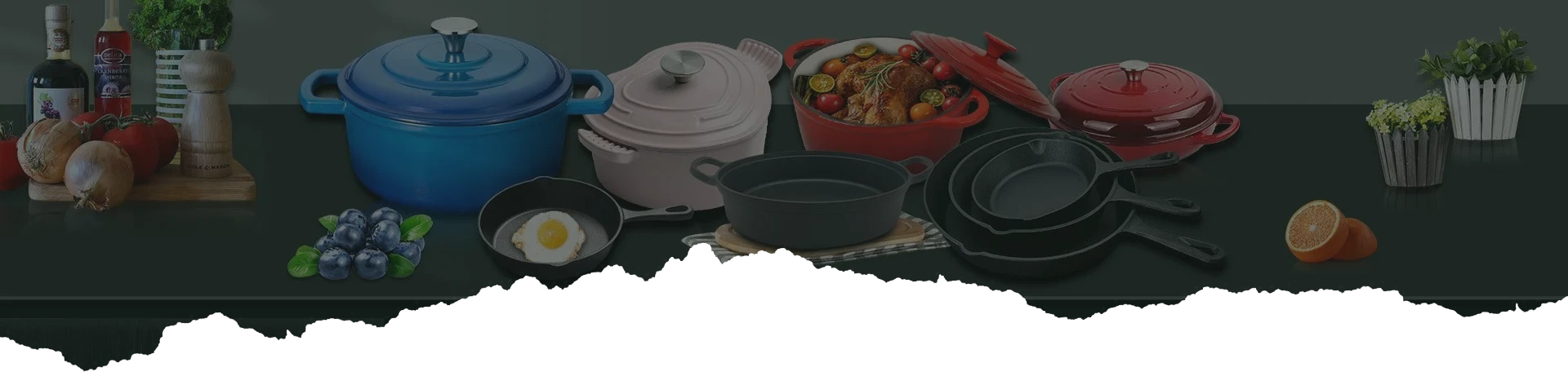

Durable Blue Enamel Cast Iron Cookware – A Global Kitchen Essential
Nov . 25, 2025 20:00
Blue Enamel Cast Iron Cookware: Why It Still Matters Globally
If you’ve spent any time in a well-equipped kitchen or peeked into a culinary enthusiast’s collection, chances are blue enamel cast iron cookware caught your eye. It’s not just about cooking — it’s a story of durability, tradition, and a slow but steady comeback in kitchens worldwide. But beyond the obvious charm, understanding this type of cookware unlocks a window into materials science, sustainability, and even global trade. This cookware type ties together the best of both worlds: cast iron’s legendary heat retention and enamel’s colorful, protective finish. It’s a classic, yet surprisingly modern solution to common cooking woes. Across continents, from rustic countryside kitchens to city bistros, it represents a versatile investment in quality that lasts generations. ---The Global Context: Why Blue Enamel Cast Iron Cookware is More than Just a Trend
The global cookware market is booming, driven by changing diets, culinary awareness, and an appetite for quality — literally and figuratively. According to recent ISO and World Bank data, the global cast iron cookware segment alone is growing steadily, with an estimated compound annual growth rate (CAGR) of around 5%. Interestingly, enamel-coated cast iron pieces contribute a significant share due to their durability and aesthetic appeal. However, the challenge remains balancing traditional manufacturing methods with demand for environmentally friendlier, sustainable products. Blue enamel cast iron cookware addresses these issues by combining recyclable materials with long-term usability. This reduces the "throwaway culture" prevalent in cheaper cookware segments. Moreover, as climate awareness increases, consumer preference shifts towards cookware that can withstand intense usage without degrading fast or releasing harmful chemicals. This cookware fits the bill, making it globally relevant beyond aesthetics or culinary choice. ---What Exactly Is Blue Enamel Cast Iron Cookware?
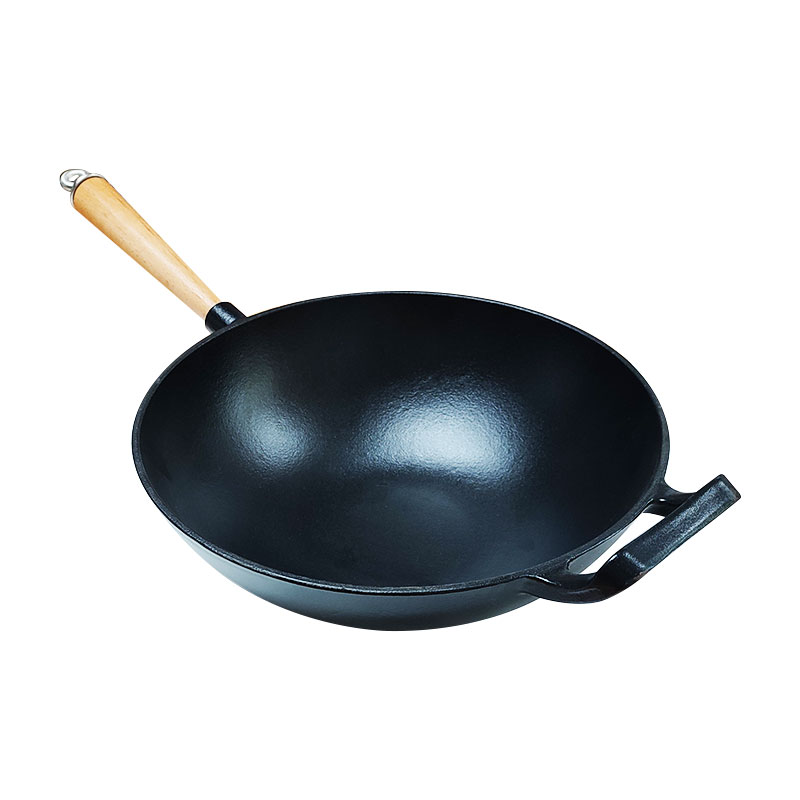
At its core, blue enamel cast iron cookware is simple: a robust cast iron base coated with a vitreous enamel layer, often a vibrant blue (but other colors exist). Think of it as a cast iron pan or pot dressed in a durable glass-like armor. The enamel creates a smooth, non-reactive surface that resists rusting and eliminates the need for seasoning, unlike plain cast iron. This cookware bridges classic metal craftsmanship with modern demands for hygiene and easy maintenance. Its popularity links directly to both professional kitchens and everyday home use, serving functions that range from slow-cooking stews to perfect searing. ---Key Characteristics That Make It Stand Out
Here are some aspects worth highlighting:- Durability: Cast iron is inherently tough. Adding enamel prevents rust and surface wear, extending cookware life to decades.
- Heat Retention & Distribution: Cast iron stays hot longer and distributes heat evenly — perfect for simmering or roasting.
- Non-Reactive Surface: Enamel doesn’t react with acidic foods, meaning you can cook tomato sauces or wine reductions without weird metallic tastes.
- Ease of Cleaning: Unlike traditional cast iron that requires seasoning and special care, enamel surfaces clean up easily with standard dish soap.
- Visual Appeal: The classic blue finish adds a splash of color, with often hand-applied enamel bringing artisanal charm.
- Eco-Friendliness: Made from largely recyclable materials and built to last, reducing kitchen waste.
How Blue Enamel Cast Iron Cookware Is Used Around the World
Its appeal isn’t a local thing — it’s global. From European castles with centuries-old heritage cooking on Le Creuset or Staub to bustling cafés in Tokyo or New York, chefs swear by enamel cast iron’s reliability. But it’s not just high-end gastronomy: community kitchens in post-disaster zones have adopted these pieces for their toughness and ease of cleaning, making meal prep safer and more efficient. In many developing regions, NGOs have introduced enamel-coated cast iron pots in health projects, decreasing contamination risks due to easier sterilization. Here's an example: - In post-disaster relief operations in Southeast Asia, such pots endure heavy usage and varying heat sources, circulating within vulnerable communities and lasting for years. - Scandinavian outdoor enthusiasts prize blue enamel for campfire cooking — it retains heat evenly while resisting chipping and rust. If you love slow-cooking braises or stews, you’ll appreciate how widely this cookware is trusted across continents for delivering consistent results. ---Blue Enamel Cast Iron Cookware: Specifications at a Glance
| Property | Typical Feature | Benefit |
|---|---|---|
| Material | Cast Iron base with Vitreous Blue Enamel coating | Durable, rust-resistant, easy to clean |
| Weight | 2.5 – 6 kg depending on size | Retains heat well, but can be heavy for some users |
| Heat Capacity | Uniform heat distribution, 200-260°C maximum safe temp | Perfect for slow cooking, frying, braising |
| Cleaning | Hand wash recommended, dishwasher-safe variants available | Convenient maintenance and longevity |
| Color Options | Blue (Classic), plus other hues like red, green | Customizable aesthetics for kitchens |
Comparing Major Vendors: What Sets Them Apart
| Vendor | Price Range | Country of Origin | Unique Selling Point |
|---|---|---|---|
| Le Creuset | $$$ - Premium | France | Classic craftsmanship, wide color palette, lifetime warranty |
| Staub | $$$ | France | Matte enamel finish, self-basting lids, very durable |
| Lodge | $ - Affordable | USA | Budget friendly, reliable with functional designs |
| Debien Cookware | $$ | Asia | Excellent blue enamel quality, eco-conscious production |
Why Choose Blue Enamel Cast Iron Cookware? Advantages Worth Considering
Beyond its heritage allure, this cookware treasures a bunch of long-term perks: - Cost Efficiency: Though often pricier upfront than aluminum or stainless steel, its lifespan and performance justify the investment. - Sustainability: Reduced waste due to durability and eco-friendlier manufacturing. - Health & Safety: Non-toxic enamel prevents metal leaching, important for acidic foods. - Versatility: Moves seamlessly from stove to oven to table, great for entertaining. - Emotional Value: It’s heirloom-worthy. Many cooks cherish their blue enameled pieces as family treasures — the kind of cookware that carries stories and dinners through decades. It kind of feels like more than a kitchen tool — it’s almost a kitchen companion. ---Innovations and the Future of Blue Enamel Cast Iron Cookware
While cast iron and enamel sound like old hat, the industry isn’t standing still. Green manufacturing practices are an increasing focus. Recycling scrap cast iron and minimizing hazardous enamel formulations aim to lower environmental footprints. Digital transformation also creeps in, like smart cookware coatings that detect temperature or wear levels — though still nascent. Lightweight cast iron variants, enhanced enamel formulas resistant to chipping, and customization options through color printing are hot topics. In the near future, expect a mix of classic appeal with cutting-edge materials science balancing tradition and tech-savvy innovation. ---Facing Challenges: What to Watch Out For
Of course, no product is perfect. Blue enamel cast iron cookware can be heavy (so not the best for those with limited grip strength) and subject to chipped enamel if dropped or mishandled. Some cheaper enamel coatings can dull with time, requiring care in washing and storage. On the sustainability front, older production methods waste energy or use less-than-ideal chemicals. But many vendors now invest in cleaner kilns and safer formulations. Proper usage guidance helps extend lifespan — basically: handle with care, and it pays back in decades. ---Frequently Asked Questions About Blue Enamel Cast Iron Cookware
Q1: How do I prevent chipping the enamel on my blue cast iron cookware?A: Avoid sudden temperature shocks (like putting a hot pan into cold water), handle gently, and use wooden or silicone utensils instead of metal. Hand washing is recommended to preserve the enamel’s surface. Q2: Can I use blue enamel cast iron cookware on induction cooktops?
A: Absolutely! The cast iron base is magnetic, making it perfectly suited for induction, gas, electric, or ceramic stovetops. Q3: Is it safe to cook acidic foods like tomato sauce in enamel cookware?
A: Yes, the enamel coating is non-reactive, so acidic ingredients won’t interact with the metal base or affect the flavor. Q4: How heavy is typical blue enamel cast iron cookware? Is it suitable for everyday use?
A: Weight typically ranges from 2.5 to 6 kilograms, depending on size. While heavier than aluminum cookware, many users find the weight manageable and worth the heat retention benefits. ---
In Summary: Time-Tested, Trusted, and Timeless
Blue enamel cast iron cookware carries the kind of versatility, durability, and style that stands the test of time — across countries, kitchens, and generations. Combining traditional casting techniques with an eco-conscious finish, it’s a practical champion for both everyday cooks and professional chefs who want reliable performance with a splash of color. If you’re considering upgrading or investing in cookware that truly lasts, check out collections like blue enamel cast iron cookware for options that blend craftsmanship, innovation, and sustainability. After all, good cookware transforms cooking from chore to joy, meal to memory. ---References


2026-03-31 02:45:09
Elevate Your Outdoor Cooking with a Cast Iron Barbecue Experience
Are you ready to elevate your outdoor cooking experience? A cast iron barbecue offers unparalleled heat retention, even cooking, and a delicious smoky flavor that grills simply can't match. This article will explore the benefits of cast iron barbecues, how to choose the right one, proper care and maintenance, and delicious recipes to get you started. From seasoned grill masters to barbecue beginners, this guide has something for everyone.
2026-03-28 02:55:10
Discover the Benefits of Cast Iron and Grill Cookware for Delicious Meals
Cooking with cast iron and grill cookware has seen a massive resurgence in recent years, and for good reason. This method offers a unique combination of heat retention, even cooking, and versatility. Whether you’re searing a steak, baking a rustic pie, or simply enjoying a weeknight meal, understanding the benefits and proper use of these tools can elevate your culinary experience. This guide will explore everything from the advantages of cast iron and grill cookware to tips for seasoning, cleaning, and maintenance.
2026-03-26 02:45:13
Elevate Your Cooking with a Durable Cast Grill Pan for Restaurant Quality Meals
Looking to elevate your cooking game and achieve restaurant-quality results at home? A cast grill pan is a versatile kitchen essential. This guide dives deep into the benefits, uses, care, and how to choose the best cast grill pan for your needs. From searing steaks to grilling vegetables, a cast grill pan delivers exceptional heat retention and even cooking. Let’s explore why this pan should be a staple in every kitchen. Cast iron cookware, and specifically cast grill pans, have been prized by chefs and home cooks for centuries. The key lies in the material itself. Cast iron is renowned for its incredible heat retention, meaning it heats up slowly but stays hot for a long time, resulting in perfectly seared food. The weight of the pan also contributes to even heat distribution, eliminating hot spots. The raised ridges on a grill pan mimic the effect of an outdoor grill, creating those desirable grill marks and allowing fat to drain away, leading to healthier meals.
2026-03-24 02:55:07
Superior Cooking with Durable Cast Grill Grates for Enhanced Flavor
When it comes to grilling, the grate you use significantly impacts the flavor, texture, and overall cooking experience. Cast grill grates, known for their exceptional heat retention and durability, are a popular choice among both novice and experienced grillers. This article will explore the benefits of cast iron grill grates, different types available, care and maintenance tips, and factors to consider when making a purchase. We’ll help you understand why investing in quality cast grill grates can elevate your outdoor cooking. Cast grill grates offer several advantages over other materials like stainless steel or porcelain-coated grates. Primarily, cast iron boasts superior heat retention, ensuring consistent cooking temperatures even when grilling thicker cuts of meat. This even heat distribution minimizes hot spots and promotes more uniform cooking. Furthermore, cast iron naturally develops a non-stick patina over time with proper seasoning, reducing the likelihood of food sticking and making cleanup easier.
2026-03-21 02:45:09
Unlock Flavorful Outdoor Cooking with a Durable Cast Grill
Looking to elevate your outdoor cooking experience? A cast grill offers exceptional heat retention, versatility, and durability. This comprehensive guide will explore the benefits of cast iron grilling, how to choose the right grill, care and maintenance tips, delicious recipes, and why Debien Cookware offers some of the finest cast grill options available. Prepare to unlock a world of flavor and create unforgettable meals with the power of cast iron! A cast grill is essentially a grilling surface made from cast iron. This material is renowned for its superior heat retention, meaning it gets incredibly hot and stays hot, ensuring perfectly seared meats and evenly cooked vegetables. Unlike other grilling materials, cast iron distributes heat uniformly, eliminating hot spots. Its durability is another key advantage; a well-maintained cast grill can last for generations.
2026-03-19 02:45:14
Comprehensive Guide to Durable and Reliable Cast Grates for Various Applications
Cast grates are essential components in drainage systems, offering a robust and reliable solution for managing water flow in various applications. From landscaping and pedestrian areas to industrial settings, these grates play a crucial role in preventing flooding and maintaining safety. This article delves into the world of cast grates, exploring their materials, types, applications, and factors to consider when selecting the right grate for your needs. We'll also highlight how Debien Cookware's commitment to quality and durability translates to excellence in the production of these vital infrastructure elements. Understanding the intricacies of cast grates is key to ensuring efficient drainage and long-term performance. Cast grates are typically manufactured from cast iron, ductile iron, or steel. Cast iron is a traditional material, valued for its affordability and ease of casting. However, it can be brittle. Ductile iron offers improved strength and ductility, making it more resistant to cracking and impact. Steel grates are the strongest option, often used in heavy-duty applications, but are susceptible to corrosion if not properly treated.
2026-03-17 02:45:12
Choosing the Right Cast Charcoal Grill for Superior Outdoor Cooking
When it comes to outdoor cooking, a cast charcoal grill offers a unique and flavorful experience. From searing steaks to slow-cooking ribs, the versatility is unmatched. But with so many options available, selecting the perfect grill can be daunting. This article will explore the benefits of cast charcoal grills, key features to consider, and how to choose the best one for your needs. We’ll cover everything from construction materials to cooking capacity, helping you make an informed decision. Cast iron grills are renowned for their exceptional heat retention. This means they can reach and maintain high temperatures, perfect for searing meats and achieving that desirable char. They also distribute heat more evenly than many other grill materials, minimizing hot spots and ensuring consistent cooking. Several factors influence the performance and convenience of a cast charcoal grill. Cooking surface area is crucial – determine how much food you typically cook to choose an appropriately sized grill. Features like adjustable vents allow you to control airflow and temperature, giving you more precise cooking control.
2026-03-14 02:45:16
Choosing the Right Cast BBQ Grill for Superior Outdoor Cooking
When it comes to outdoor cooking, a cast BBQ grill offers unparalleled heat retention and a distinctive flavor profile. But with numerous options available, selecting the perfect grill can be daunting. This guide will explore the benefits of cast iron grilling, different types of cast BBQ grills, key features to consider, and how to choose the grill that best suits your cooking style and needs. We'll help you understand what makes Debien Cookware’s cast iron grills stand out in the market. Cast iron is renowned for its exceptional heat retention. This means a cast BBQ grill heats up evenly and stays hot for longer, creating perfect searing temperatures for steaks, burgers, and other meats. Unlike thinner grills, cast iron doesn’t have hot spots, ensuring consistent cooking results. Moreover, cast iron is naturally non-stick when properly seasoned, minimizing food sticking and making cleanup easier. The durability of cast iron is another key advantage—a well-maintained cast iron grill can last for generations.
Inquire Now for Cast Iron Cookware Deals
Please Fill Out The Form Below And Our Team Will Get Back To You With Pricing, Product Details, And Customization Options.

Debien is advancing with time, updating equipment, elaborately carving out our brand, focusing on developing high-end products, and actively responding to market demands with creativity.


QUICK LINKS
CONTACT US
Debien is advancing with time, updating equipment, elaborately carving out our brand, focusing on developing high-end products, and actively responding to market demands with creativity.
Copyright © 2026 HEBEI DEBIEN TECHNOLOGY CO., LTD. All Rights Reserved. Sitemap | Privacy Policy | Top Blog


