



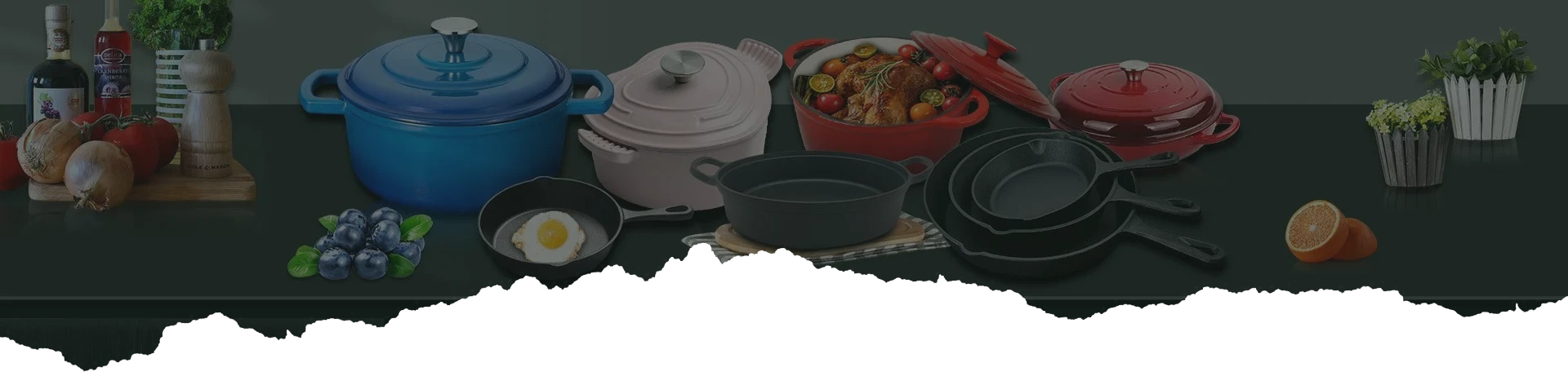

Durable and Versatile Iron Milk Pans | Quality Cookware Solutions
Nov . 27, 2025 11:05
The humble iron milk pan: a global kitchen staple with surprising impact
If you’ve ever poured warm milk from a slightly dented pan with a flaked enamel surface, you’ve probably used an iron milk pan. These simple cooking vessels, often overlooked in today’s hypermodern kitchens, still hold a vital place in households worldwide. But beyond their basic utility, iron milk pans represent a small yet surprisingly important piece of cooking culture, manufacturing heritage, and even humanitarian efforts globally.
Why talk about iron milk pans? Because they’re more than just cookware. They tell stories of durability, affordability, and adaptability—qualities still treasured in many parts of the world. Understanding the iron milk pan helps us appreciate how everyday tools can shape food preparation, local economies, and sustainable practices in an increasingly industrialized food system.
Why the iron milk pan matters on the world stage
According to the Food and Agriculture Organization (FAO), global milk production has been steadily increasing, with over 900 million tonnes produced annually as of recent years. This spike in production, especially in developing countries, demands practical and affordable equipment for handling and processing milk at the household and small scale level.
Here’s where the iron milk pan enters the scene. Designed for boiling milk safely, its sturdy iron construction can withstand high heat and rough use better than many alternatives. And in regions where electricity or gas supply can be erratic, these pans are often used directly over wood or coal fires.
Yet there’s a challenge: the pan must be corrosion-resistant and non-toxic, as enamel coatings can chip and expose raw metal. For humanitarian and development projects, reliable cookware is integral to nutrition programs and food safety initiatives. The iron milk pan may seem like a simple tool but it’s part of a much bigger picture in food security and sustainability.
Mini takeaway:
- Iron milk pans are crucial in areas with growing milk production but limited kitchen infrastructure.
- Their durability and heat resistance make them a smart choice for many global households and relief efforts.
What exactly is an iron milk pan?
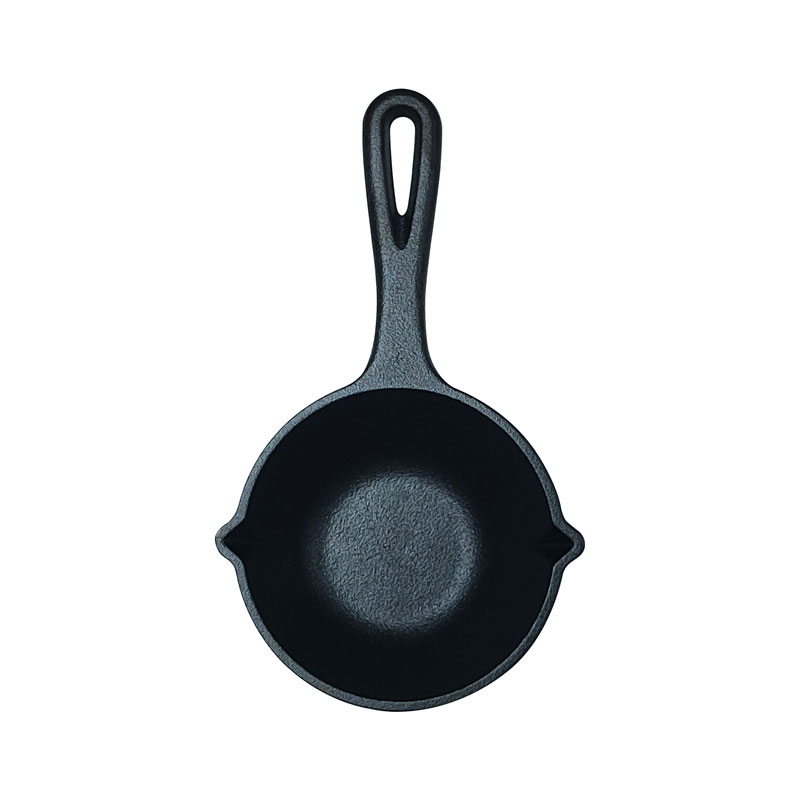
Simply put, an iron milk pan is a relatively small, deep cooking pot made primarily of cast iron or other iron alloys, often coated with an enamel or porcelain finish. It typically features a wide mouth, a sturdy handle, and sometimes a pouring spout to aid in transferring liquids.
Its main function is to heat milk safely without scorching. The pan’s thick iron base distributes heat evenly and retains warmth well, which is perfect for slow heating or simmering. Cast iron also has natural antimicrobial properties, which can be a bonus in less hygienic environments.
Modern production techniques have enhanced these pans, improving enamel durability and weight balance, but the basic design has remained fairly consistent for well over a century.
Core components and characteristics of iron milk pans
Durability and heat distribution
Iron’s density means the pan heats steadily and holds warmth long after the heat source is removed. This reduces hot spots and limits burning—a crucial feature when dealing with milk, which can quickly scorch if overheated.
Weight and handling
One downside is that these pans can be heavier than alternatives like aluminum or stainless steel. Manufacturers optimize thickness and use ergonomic handles to balance sturdiness with ease of use.
Enamel coating quality
The enamel or porcelain layer protects the iron from rust and prevents metallic taste in milk. However, it can chip if handled roughly, exposing the underlying metal. Advances in coating technology improve chip resistance significantly.
Cost efficiency
Iron milk pans often come at a moderate price point. In many countries, they’re affordably produced with local materials, supporting regional economies.
Eco-friendliness and longevity
A well-maintained iron milk pan can last decades, reducing waste. Cast iron is recyclable, and frequent repair or re-enameling extends its life further.
Mini takeaway:
- Good iron milk pans balance durability, usability, and affordability.
- Quality enamel coating shields iron and maintains food safety.
Real-world global applications of iron milk pans
In India, iron milk pans are a kitchen staple — especially in rural areas where milk boiling is done multiple times daily for tea and cooking. Here, the pan’s ability to be used on open fires is invaluable.
In Eastern Africa, NGOs distributing nutrition kits often include enamel-coated iron milk pans for families rebuilding after crises. Their robustness and multi-use nature make them ideal, whether for cooking, sterilizing water, or boiling milk.
European artisan cheese makers sometimes prefer iron milk pans for small batch heating due to their even heat transfer, aiding curd formation.
Even in remote industrial zones where gas is expensive or scarce, these pans support daily food preparation routines for workers who depend on reliable equipment.
| Specification | Typical Range | Notes |
|---|---|---|
| Capacity | 0.8 - 1.5 liters | Small to medium kitchen sizes |
| Material | Cast iron with enamel coating | Provides even heating |
| Weight | 900 - 1200 grams | Ergonomic handles reduce strain |
| Heat source compatibility | Gas, electric, charcoal, wood fire | Very versatile |
| Coating durability | 5-10 years typical | Depends on care and handling |
Why choose an iron milk pan? Advantages and long-term value
First off, iron milk pans are reliable. They don’t warp or degrade quickly and handle various heat sources. Their thick walls mean milk heats evenly, reducing burnt milk and improving taste—a small but significant quality boost in daily cooking.
Environmentally, these pans stand up to decades of use, often becoming heirlooms. Their recyclable nature means less landfill waste.
Socially and emotionally, iron milk pans connect generations in households. The same pan might have warmed countless breakfasts, creating comfort and tradition. The tactile feel of cast iron and the classic patina develop a certain trust and nostalgia you just don’t get with flimsy steel or plastic.
Cost-wise, you get a solid return on investment. The upfront price may be slightly higher than aluminum, but lasting years with minimal maintenance balances that out.
Comparing leading iron milk pan vendors
| Brand | Material Quality | Enamel Durability | Price Range (USD) | Best For |
|---|---|---|---|---|
| Debien Cookware | High-grade cast iron | 5+ years with careful use | $18 - $25 | Everyday kitchen use |
| Classic Ironworks | Standard cast iron | 3-5 years | $15 - $22 | Budget-conscious buyers |
| EconoPan | Lightweight cast iron alloy | 3 years average | $12 - $18 | Entry-level users |
Emerging trends shaping iron milk pans
Oddly enough, even a pan as traditional as an iron milk pan is seeing innovation. Manufacturers experiment with nano-ceramic coatings to boost enamel longevity and reduce chipping. Meanwhile, some brands are integrating heat-sensitive handles or lighter iron alloys to reduce weight.
Growing environmental awareness drives demand for pans made from recycled iron and sustainable enameling processes, minimizing pollutants from manufacturing.
There’s also talk about smart cookware, though it’s more niche—embedded temperature sensors could someday help home cooks monitor milk temperature precisely for artisan cheese or yogurt making.
What challenges do iron milk pans face?
Chipping remains the biggest complaint, especially when enamel peels and exposes raw iron, which can rust. Users often underestimate the need for gentle care, like avoiding metal utensils or sudden temperature shocks.
Weight is another—some consumers complain of heavy pans being hard to handle for prolonged periods, particularly the elderly.
Luckily, care guides and materials research have come a long way, making pans lighter and more resilient. Vendors like Debien Cookware emphasize ergonomic design and durable coatings to address these issues.
Mini takeaway:
- Good user education prolongs the pan’s lifespan.
- Emerging materials promise to overcome traditional downsides.
Frequently Asked Questions About Iron Milk Pans
- Q: What makes iron milk pans better than aluminum ones?
- A: Iron pans distribute heat more evenly and retain warmth longer, which helps prevent milk from scorching. Aluminum pans heat quickly but may cause uneven cooking. Also, iron pans usually have longer lifespans and are more durable under rugged conditions.
- Q: Can I use my iron milk pan on induction cooktops?
- A: Yes. Cast iron is fully compatible with induction cooking due to its magnetic properties. Just ensure the pan’s base is flat for good contact.
- Q: How do I prevent enamel chipping on my iron milk pan?
- A: Avoid sudden temperature changes, don’t use metal utensils, and hand wash gently without abrasive scrubbers. Storing separately to prevent knocks helps too.
- Q: Are iron milk pans safe for everyday milk boiling?
- A: Absolutely. Their design aims specifically at safe milk heating. As long as enamel remains intact and the pan is well maintained, it’s a safe daily tool.
- Q: Can iron milk pans be recycled?
- A: Yes, cast iron is highly recyclable. If the pan is damaged beyond repair, many scrap recycling centers accept enamel-coated cast iron.
Wrapping up: The quiet legacy and the future of iron milk pans
The iron milk pan may not headline kitchen innovations, but its long-term value resonates everywhere milk is part of daily life. From humble rural kitchens to disaster relief camps, its sturdy build and time-tested design keep families fed and traditions alive.
For anyone looking for reliable, sustainable cookware — whether to equip a home or support a community program — the iron milk pan remains a wise choice. Curious to explore options or upgrade your kitchen tools? Feel free to visit our iron milk pan collection and find the perfect fit for your cooking style.
References


2026-03-31 02:45:09
Elevate Your Outdoor Cooking with a Cast Iron Barbecue Experience
Are you ready to elevate your outdoor cooking experience? A cast iron barbecue offers unparalleled heat retention, even cooking, and a delicious smoky flavor that grills simply can't match. This article will explore the benefits of cast iron barbecues, how to choose the right one, proper care and maintenance, and delicious recipes to get you started. From seasoned grill masters to barbecue beginners, this guide has something for everyone.
2026-03-28 02:55:10
Discover the Benefits of Cast Iron and Grill Cookware for Delicious Meals
Cooking with cast iron and grill cookware has seen a massive resurgence in recent years, and for good reason. This method offers a unique combination of heat retention, even cooking, and versatility. Whether you’re searing a steak, baking a rustic pie, or simply enjoying a weeknight meal, understanding the benefits and proper use of these tools can elevate your culinary experience. This guide will explore everything from the advantages of cast iron and grill cookware to tips for seasoning, cleaning, and maintenance.
2026-03-26 02:45:13
Elevate Your Cooking with a Durable Cast Grill Pan for Restaurant Quality Meals
Looking to elevate your cooking game and achieve restaurant-quality results at home? A cast grill pan is a versatile kitchen essential. This guide dives deep into the benefits, uses, care, and how to choose the best cast grill pan for your needs. From searing steaks to grilling vegetables, a cast grill pan delivers exceptional heat retention and even cooking. Let’s explore why this pan should be a staple in every kitchen. Cast iron cookware, and specifically cast grill pans, have been prized by chefs and home cooks for centuries. The key lies in the material itself. Cast iron is renowned for its incredible heat retention, meaning it heats up slowly but stays hot for a long time, resulting in perfectly seared food. The weight of the pan also contributes to even heat distribution, eliminating hot spots. The raised ridges on a grill pan mimic the effect of an outdoor grill, creating those desirable grill marks and allowing fat to drain away, leading to healthier meals.
2026-03-24 02:55:07
Superior Cooking with Durable Cast Grill Grates for Enhanced Flavor
When it comes to grilling, the grate you use significantly impacts the flavor, texture, and overall cooking experience. Cast grill grates, known for their exceptional heat retention and durability, are a popular choice among both novice and experienced grillers. This article will explore the benefits of cast iron grill grates, different types available, care and maintenance tips, and factors to consider when making a purchase. We’ll help you understand why investing in quality cast grill grates can elevate your outdoor cooking. Cast grill grates offer several advantages over other materials like stainless steel or porcelain-coated grates. Primarily, cast iron boasts superior heat retention, ensuring consistent cooking temperatures even when grilling thicker cuts of meat. This even heat distribution minimizes hot spots and promotes more uniform cooking. Furthermore, cast iron naturally develops a non-stick patina over time with proper seasoning, reducing the likelihood of food sticking and making cleanup easier.
2026-03-21 02:45:09
Unlock Flavorful Outdoor Cooking with a Durable Cast Grill
Looking to elevate your outdoor cooking experience? A cast grill offers exceptional heat retention, versatility, and durability. This comprehensive guide will explore the benefits of cast iron grilling, how to choose the right grill, care and maintenance tips, delicious recipes, and why Debien Cookware offers some of the finest cast grill options available. Prepare to unlock a world of flavor and create unforgettable meals with the power of cast iron! A cast grill is essentially a grilling surface made from cast iron. This material is renowned for its superior heat retention, meaning it gets incredibly hot and stays hot, ensuring perfectly seared meats and evenly cooked vegetables. Unlike other grilling materials, cast iron distributes heat uniformly, eliminating hot spots. Its durability is another key advantage; a well-maintained cast grill can last for generations.
2026-03-19 02:45:14
Comprehensive Guide to Durable and Reliable Cast Grates for Various Applications
Cast grates are essential components in drainage systems, offering a robust and reliable solution for managing water flow in various applications. From landscaping and pedestrian areas to industrial settings, these grates play a crucial role in preventing flooding and maintaining safety. This article delves into the world of cast grates, exploring their materials, types, applications, and factors to consider when selecting the right grate for your needs. We'll also highlight how Debien Cookware's commitment to quality and durability translates to excellence in the production of these vital infrastructure elements. Understanding the intricacies of cast grates is key to ensuring efficient drainage and long-term performance. Cast grates are typically manufactured from cast iron, ductile iron, or steel. Cast iron is a traditional material, valued for its affordability and ease of casting. However, it can be brittle. Ductile iron offers improved strength and ductility, making it more resistant to cracking and impact. Steel grates are the strongest option, often used in heavy-duty applications, but are susceptible to corrosion if not properly treated.
2026-03-17 02:45:12
Choosing the Right Cast Charcoal Grill for Superior Outdoor Cooking
When it comes to outdoor cooking, a cast charcoal grill offers a unique and flavorful experience. From searing steaks to slow-cooking ribs, the versatility is unmatched. But with so many options available, selecting the perfect grill can be daunting. This article will explore the benefits of cast charcoal grills, key features to consider, and how to choose the best one for your needs. We’ll cover everything from construction materials to cooking capacity, helping you make an informed decision. Cast iron grills are renowned for their exceptional heat retention. This means they can reach and maintain high temperatures, perfect for searing meats and achieving that desirable char. They also distribute heat more evenly than many other grill materials, minimizing hot spots and ensuring consistent cooking. Several factors influence the performance and convenience of a cast charcoal grill. Cooking surface area is crucial – determine how much food you typically cook to choose an appropriately sized grill. Features like adjustable vents allow you to control airflow and temperature, giving you more precise cooking control.
2026-03-14 02:45:16
Choosing the Right Cast BBQ Grill for Superior Outdoor Cooking
When it comes to outdoor cooking, a cast BBQ grill offers unparalleled heat retention and a distinctive flavor profile. But with numerous options available, selecting the perfect grill can be daunting. This guide will explore the benefits of cast iron grilling, different types of cast BBQ grills, key features to consider, and how to choose the grill that best suits your cooking style and needs. We'll help you understand what makes Debien Cookware’s cast iron grills stand out in the market. Cast iron is renowned for its exceptional heat retention. This means a cast BBQ grill heats up evenly and stays hot for longer, creating perfect searing temperatures for steaks, burgers, and other meats. Unlike thinner grills, cast iron doesn’t have hot spots, ensuring consistent cooking results. Moreover, cast iron is naturally non-stick when properly seasoned, minimizing food sticking and making cleanup easier. The durability of cast iron is another key advantage—a well-maintained cast iron grill can last for generations.
Inquire Now for Cast Iron Cookware Deals
Please Fill Out The Form Below And Our Team Will Get Back To You With Pricing, Product Details, And Customization Options.

Debien is advancing with time, updating equipment, elaborately carving out our brand, focusing on developing high-end products, and actively responding to market demands with creativity.


QUICK LINKS
CONTACT US
Debien is advancing with time, updating equipment, elaborately carving out our brand, focusing on developing high-end products, and actively responding to market demands with creativity.
Copyright © 2026 HEBEI DEBIEN TECHNOLOGY CO., LTD. All Rights Reserved. Sitemap | Privacy Policy | Top Blog


