




Durable and Efficient Cast Iron Wok Lid – Cooking Innovation for Every Kitchen
Nov . 28, 2025 20:05
Why Understanding the Cast Iron Wok Lid Matters Globally
At first glance, a cast iron wok lid might seem like a humble kitchen accessory — just a simple cover to speed up cooking or keep flavors intact. But when you zoom out, you realize it’s so much more: a product that combines age-old craftsmanship with modern manufacturing, connects cultures, and addresses global culinary and sustainable living challenges. Around the world, from bustling urban kitchens in Asia to eco-conscious homes in Europe, cast iron wok lids serve as a symbol of durability, resourcefulness, and efficient cooking.
Understanding such an item might sound trivial, yet this knowledge plays into larger themes like reducing fuel consumption, minimizing waste, and enhancing food safety — matters of huge relevance globally, especially where energy sources are scarce or unreliable. Given that food accounts for a significant portion of global energy use (the FAO estimates roughly 30% of energy consumption in the food sector), any tool that improves cooking efficiency contributes indirectly to sustainability goals.
The Worldwide Context: Cast Iron, Cooking, and Conservation
Believe it or not, cast iron cookware dates back centuries and persists globally because of its excellent heat retention and durability. According to data from the International Cast Iron Association (1), cast iron's global production has grown steadily as more consumers seek long-term cookware. The cast iron wok lid fits into this trend perfectly—helping conserve heat and reduce cooking fuel needs.
In regions where firewood or gas is limited or expensive, such as parts of South Asia or sub-Saharan Africa, a good lid reduces cooking times notably. In fact, a study by the UNEP ((2)) highlights efficient cookware like cast iron as a practical tool in reducing household air pollution and deforestation pressures from wood fuel collection.
Yet, there’s a challenge: traditional lids are often made flimsy or cheap, limiting these benefits. Enter the cast iron wok lid — tough, heavy, and well-fitted — a seemingly small innovation with big impacts.
What Exactly is a Cast Iron Wok Lid?
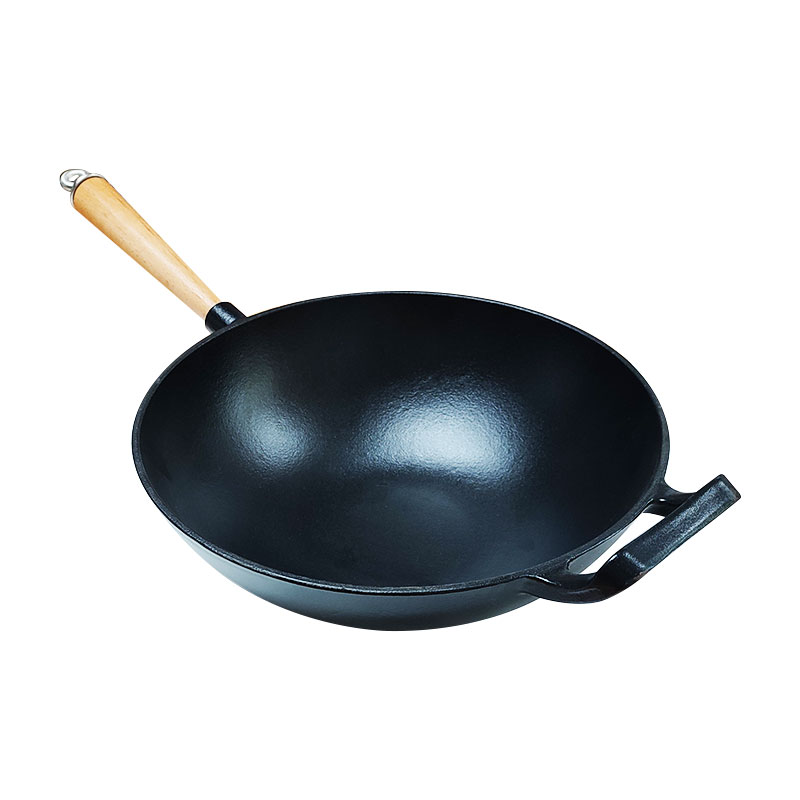
Simply put, a cast iron wok lid is a cover designed to fit a wok—a broad, rounded pan commonly used for stir-frying, steaming, or deep-frying—made specifically from cast iron. Cast iron is favored because it distributes heat evenly, retains it longer, and adds strength that outlasts typical steel or aluminum lids.
The lid’s solid construction serves modern industry needs by enhancing cooking consistency and efficiency, while also benefiting humanitarian contexts where sustainable, robust cookware is vital in refugee camps, remote kitchens, or disaster zones. It preserves heat and moisture more effectively than thin metal lids or cloth coverings, which can dramatically improve one’s cooking experience under challenging conditions.
Core Qualities of Cast Iron Wok Lids
1. Durability
Cast iron lids withstand heavy use, high temperatures, and rough handling. Unlike glass or aluminum lids prone to cracking or warping, these can last decades — if seasoned and cared for properly.
2. Heat Retention
The thick metal stores heat much longer, maintaining cooking temperatures without extra fuel input. It means meals cook faster and more evenly — which in turn protects nutrients and flavor.
3. Fit and Seal
A well-made cast iron lid sits snugly on the wok, trapping steam efficiently. This aspect is especially important in cuisines requiring precise moisture control for texture and taste.
4. Craftsmanship
Many manufacturers incorporate traditional methods combined with modern casting techniques, embedding cultural heritage and quality.
| Feature | Typical Value | Remarks |
|---|---|---|
| Material | Cast iron (80-95% iron) | Pre-seasoned or raw |
| Diameter Range | 30-40 cm (12-16 in) | Fits standard woks |
| Weight | 1.2 - 2.5 kg | Varies by size/thickness |
| Handle Type | Knob or loop, cast iron or stainless steel | Ergonomic options emerging |
| Surface | Matte or glossy (seasoned) | Improves non-stick over time |
Where Cast Iron Wok Lids Make a Difference Worldwide
From my travels and chats with chefs, engineers, and cooks across continents, these lids find their role in surprising niches.
- East and Southeast Asia: Woks remain essential here. Cast iron lids cut fuel use in countries like Vietnam or Taiwan, where cooking rice and stir-fried dishes is daily routine.
- Africa and South Asia: In rural areas lacking consistent fuel, NGOs distribute durable cookware, including cast iron wok lid sets to improve nutrition programs.
- Urban Eco-Kitchens: Cities worldwide see a rise in sustainable cooking gear enthusiasts seeking cast iron products for longevity and reduced waste.
One inspiring example: a relief organization in Nepal switched to cast iron cookware for earthquake-affected families. The sturdiness and heat retention cut fuel usage by almost 30%, a huge win when resources are thin.
Benefits That Go Beyond Simple Function
There’s a satisfying heft and solidity when you lift a cast iron wok lid — it signals quality. But beyond that, they offer clear, practical advantages:
- Cost Efficiency: Though more upfront investment, their lifespan (sometimes 50+ years) makes them economical over many decades.
- Sustainability: Cast iron is recyclable and requires less frequent replacement — fewer discarded lids in landfills.
- Enhanced Food Safety: Tight-fitting lids reduce contamination risks, a subtle benefit often overlooked.
- Emotional Appeal: Owning a quality cast iron wok lid feels like an investment in tradition, craftsmanship, and even family heritage.
Forecasting the Future of Cast Iron Wok Lids
The next big wave relates to greener manufacturing. Many foundries now use electric induction furnaces powered by renewables, reducing carbon footprints. Innovations include coatings that resist rust without synthetic chemicals and ergonomic handle designs for better heat safety.
Interestingly, some producers explore smart cast iron lids embedded with heat sensors or temperature gauges — a kind of “digital-age wok” approach. While still niche, it points to a future where traditional forms meet IoT convenience.
Common Challenges and How to Navigate Them
Heavy as they are, cast iron wok lids might intimidate some buyers concerned about weight or handling. That’s understandable — but many users report that after a few uses, the benefit outweighs any awkward heft.
Another issue: rust. Cast iron requires seasoning and proper care. But educational outreach — videos, FAQs, and careful packaging instructions — are making a big difference. Plus, many artisans coat lids pre-sale.
| Vendor | Price Range | Global Shipping | Customization | Eco-Friendly Practices |
|---|---|---|---|---|
| Debien Cookware | $45–$65 | Worldwide | Yes, size & finish | Renewable energy in foundries |
| Heritage Ironware | $55–$75 | Limited (Asia/EU) | No | Organic seasoning options |
| Global Cast Supplies | $40–$60 | Worldwide | Bulk orders only | Partial recycling program |
FAQs about Cast Iron Wok Lid
- How do I maintain a cast iron wok lid to prevent rust?
- Keep it dry after washing, season periodically by applying a thin coat of vegetable oil and heating gently. Avoid soaking and use mild detergents only if necessary. Proper care ensures long life and non-stick surface.
- Can I use the cast iron wok lid on any stove type?
- Yes, cast iron lids work on gas, electric, induction, and open flame stoves. Their excellent heat retention is universal, but be mindful of the lid’s weight on fragile stove tops or glass covers.
- Why choose a cast iron lid over glass or aluminum options?
- Cast iron offers superior heat retention, durability, and creates a better steam seal due to its weight. Glass lids let heat escape and can shatter; aluminum lids may warp under high heat.
- Is a cast iron wok lid heavy to handle safely?
- They are heavier than many lids, but ergonomic handle designs help. After some use, most find the weight reassuring rather than burdensome.
Wrapping Up: Why a Cast Iron Wok Lid Is a Smart Choice
In the end, the cast iron wok lid is a fascinating intersection of tradition, industry, and sustainability. It saves fuel, enhances food quality, and stands the test of time. Whether you’re a chef, a home cook, or part of an aid organization, this simple cover is wiser than it looks.
Ready to upgrade your cooking? Visit Debien Cookware to explore a range of cast iron lids designed to fit your culinary needs.
Mini Takeaways:
- Cast iron wok lids improve cooking efficiency and reduce fuel use worldwide.
- Durability and heat retention make them a great long-term investment.
- Eco-friendly production and innovative design are shaping the future.
References


2026-03-31 02:45:09
Elevate Your Outdoor Cooking with a Cast Iron Barbecue Experience
Are you ready to elevate your outdoor cooking experience? A cast iron barbecue offers unparalleled heat retention, even cooking, and a delicious smoky flavor that grills simply can't match. This article will explore the benefits of cast iron barbecues, how to choose the right one, proper care and maintenance, and delicious recipes to get you started. From seasoned grill masters to barbecue beginners, this guide has something for everyone.
2026-03-28 02:55:10
Discover the Benefits of Cast Iron and Grill Cookware for Delicious Meals
Cooking with cast iron and grill cookware has seen a massive resurgence in recent years, and for good reason. This method offers a unique combination of heat retention, even cooking, and versatility. Whether you’re searing a steak, baking a rustic pie, or simply enjoying a weeknight meal, understanding the benefits and proper use of these tools can elevate your culinary experience. This guide will explore everything from the advantages of cast iron and grill cookware to tips for seasoning, cleaning, and maintenance.
2026-03-26 02:45:13
Elevate Your Cooking with a Durable Cast Grill Pan for Restaurant Quality Meals
Looking to elevate your cooking game and achieve restaurant-quality results at home? A cast grill pan is a versatile kitchen essential. This guide dives deep into the benefits, uses, care, and how to choose the best cast grill pan for your needs. From searing steaks to grilling vegetables, a cast grill pan delivers exceptional heat retention and even cooking. Let’s explore why this pan should be a staple in every kitchen. Cast iron cookware, and specifically cast grill pans, have been prized by chefs and home cooks for centuries. The key lies in the material itself. Cast iron is renowned for its incredible heat retention, meaning it heats up slowly but stays hot for a long time, resulting in perfectly seared food. The weight of the pan also contributes to even heat distribution, eliminating hot spots. The raised ridges on a grill pan mimic the effect of an outdoor grill, creating those desirable grill marks and allowing fat to drain away, leading to healthier meals.
2026-03-24 02:55:07
Superior Cooking with Durable Cast Grill Grates for Enhanced Flavor
When it comes to grilling, the grate you use significantly impacts the flavor, texture, and overall cooking experience. Cast grill grates, known for their exceptional heat retention and durability, are a popular choice among both novice and experienced grillers. This article will explore the benefits of cast iron grill grates, different types available, care and maintenance tips, and factors to consider when making a purchase. We’ll help you understand why investing in quality cast grill grates can elevate your outdoor cooking. Cast grill grates offer several advantages over other materials like stainless steel or porcelain-coated grates. Primarily, cast iron boasts superior heat retention, ensuring consistent cooking temperatures even when grilling thicker cuts of meat. This even heat distribution minimizes hot spots and promotes more uniform cooking. Furthermore, cast iron naturally develops a non-stick patina over time with proper seasoning, reducing the likelihood of food sticking and making cleanup easier.
2026-03-21 02:45:09
Unlock Flavorful Outdoor Cooking with a Durable Cast Grill
Looking to elevate your outdoor cooking experience? A cast grill offers exceptional heat retention, versatility, and durability. This comprehensive guide will explore the benefits of cast iron grilling, how to choose the right grill, care and maintenance tips, delicious recipes, and why Debien Cookware offers some of the finest cast grill options available. Prepare to unlock a world of flavor and create unforgettable meals with the power of cast iron! A cast grill is essentially a grilling surface made from cast iron. This material is renowned for its superior heat retention, meaning it gets incredibly hot and stays hot, ensuring perfectly seared meats and evenly cooked vegetables. Unlike other grilling materials, cast iron distributes heat uniformly, eliminating hot spots. Its durability is another key advantage; a well-maintained cast grill can last for generations.
2026-03-19 02:45:14
Comprehensive Guide to Durable and Reliable Cast Grates for Various Applications
Cast grates are essential components in drainage systems, offering a robust and reliable solution for managing water flow in various applications. From landscaping and pedestrian areas to industrial settings, these grates play a crucial role in preventing flooding and maintaining safety. This article delves into the world of cast grates, exploring their materials, types, applications, and factors to consider when selecting the right grate for your needs. We'll also highlight how Debien Cookware's commitment to quality and durability translates to excellence in the production of these vital infrastructure elements. Understanding the intricacies of cast grates is key to ensuring efficient drainage and long-term performance. Cast grates are typically manufactured from cast iron, ductile iron, or steel. Cast iron is a traditional material, valued for its affordability and ease of casting. However, it can be brittle. Ductile iron offers improved strength and ductility, making it more resistant to cracking and impact. Steel grates are the strongest option, often used in heavy-duty applications, but are susceptible to corrosion if not properly treated.
2026-03-17 02:45:12
Choosing the Right Cast Charcoal Grill for Superior Outdoor Cooking
When it comes to outdoor cooking, a cast charcoal grill offers a unique and flavorful experience. From searing steaks to slow-cooking ribs, the versatility is unmatched. But with so many options available, selecting the perfect grill can be daunting. This article will explore the benefits of cast charcoal grills, key features to consider, and how to choose the best one for your needs. We’ll cover everything from construction materials to cooking capacity, helping you make an informed decision. Cast iron grills are renowned for their exceptional heat retention. This means they can reach and maintain high temperatures, perfect for searing meats and achieving that desirable char. They also distribute heat more evenly than many other grill materials, minimizing hot spots and ensuring consistent cooking. Several factors influence the performance and convenience of a cast charcoal grill. Cooking surface area is crucial – determine how much food you typically cook to choose an appropriately sized grill. Features like adjustable vents allow you to control airflow and temperature, giving you more precise cooking control.
2026-03-14 02:45:16
Choosing the Right Cast BBQ Grill for Superior Outdoor Cooking
When it comes to outdoor cooking, a cast BBQ grill offers unparalleled heat retention and a distinctive flavor profile. But with numerous options available, selecting the perfect grill can be daunting. This guide will explore the benefits of cast iron grilling, different types of cast BBQ grills, key features to consider, and how to choose the grill that best suits your cooking style and needs. We'll help you understand what makes Debien Cookware’s cast iron grills stand out in the market. Cast iron is renowned for its exceptional heat retention. This means a cast BBQ grill heats up evenly and stays hot for longer, creating perfect searing temperatures for steaks, burgers, and other meats. Unlike thinner grills, cast iron doesn’t have hot spots, ensuring consistent cooking results. Moreover, cast iron is naturally non-stick when properly seasoned, minimizing food sticking and making cleanup easier. The durability of cast iron is another key advantage—a well-maintained cast iron grill can last for generations.
Inquire Now for Cast Iron Cookware Deals
Please Fill Out The Form Below And Our Team Will Get Back To You With Pricing, Product Details, And Customization Options.

Debien is advancing with time, updating equipment, elaborately carving out our brand, focusing on developing high-end products, and actively responding to market demands with creativity.


QUICK LINKS
CONTACT US
Debien is advancing with time, updating equipment, elaborately carving out our brand, focusing on developing high-end products, and actively responding to market demands with creativity.
Copyright © 2026 HEBEI DEBIEN TECHNOLOGY CO., LTD. All Rights Reserved. Sitemap | Privacy Policy | Top Blog


