



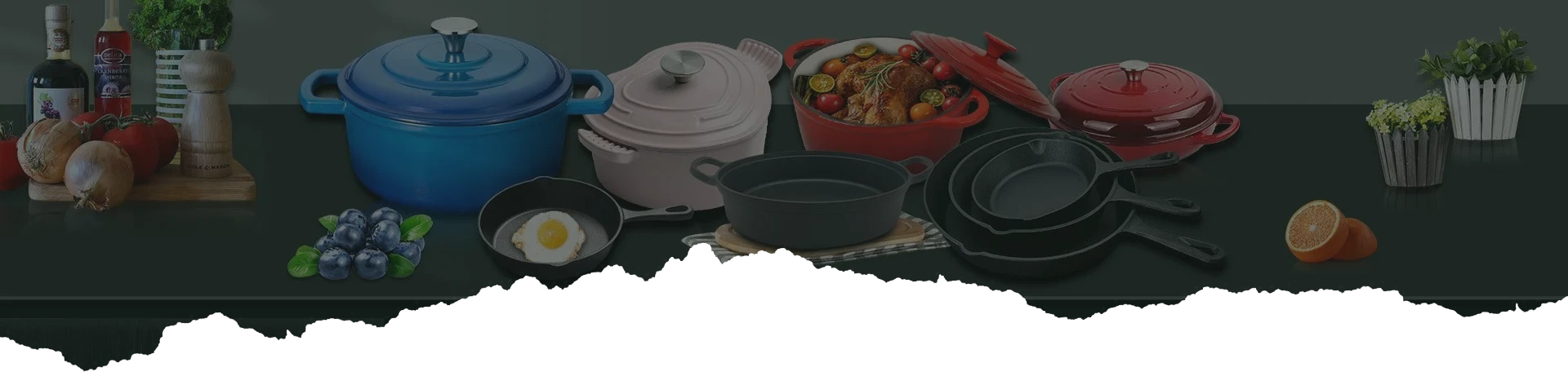

Discover the Traditional Iron Wok: A Durable, Sustainable Kitchen Essential
Nov . 30, 2025 10:45
Traditional Iron Wok: Timeless Cookware with Modern Relevance
When you think of the kitchen essentials that have stood the test of time, the traditional iron wok undoubtedly deserves a spot near the top of the list. Globally adored for its versatility and robustness, this cookware piece isn’t just a staple in Asian households but also a growing favorite across chefs and home cooks worldwide. Understanding the traditional iron wok unlocks benefits beyond just cooking: it’s about embracing an age-old tool that promotes healthier meals, sustainability, and culinary creativity.
Why This Matters Today
In a world where fast food and disposable items dominate, turning back to classic cookware like the traditional iron wok makes a lot of sense. According to the United Nations Sustainable Development Goals (SDGs), reducing waste and choosing durable, long-lasting products contributes to environmental health and social well-being. That’s where the humble iron wok shines — it’s built to last, easy to maintain, and encourages fresh, home-cooked meals.
The Global Context: An Age-Old Tool with Worldwide Reach
Traditional iron woks have been around for centuries, most notably rooted in Chinese cookware heritage but popular across Southeast Asia and increasingly in Western markets. The global market for cast iron cookware is expected to grow steadily, driven by rising culinary interest and awareness of healthier cooking methods (ISO standards on cookware materials support safe manufacturing practices worldwide).
The challenge, frankly, is how to balance tradition with convenience. Many consumers today prefer lightweight, non-stick pans, but these often sacrifice durability and health factors. Iron woks stand out by offering superior heat retention and a naturally non-stick surface once seasoned right — qualities that modern synthetic pans simply struggle to match.
What Exactly Is a Traditional Iron Wok?
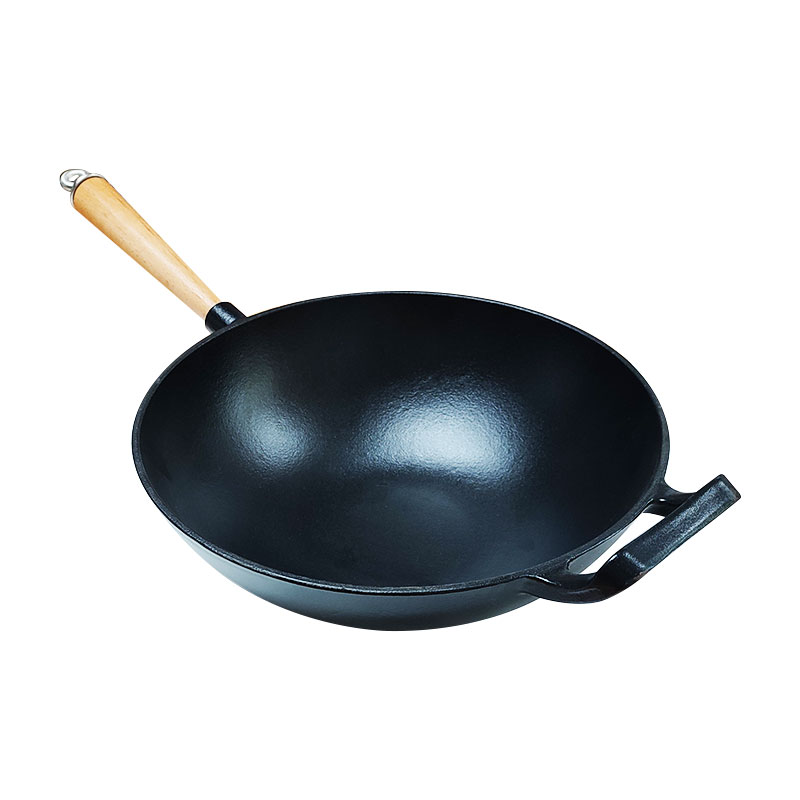
Simply put, a traditional iron wok is a round-bottomed cooking vessel made from cast iron or pre-seasoned iron. Its design allows for even heat distribution and high-temperature cooking, ideal for stir-frying, deep-frying, steaming, and boiling. Unlike modern aluminum or stainless steel pans, it develops a seasoned patina over time — a process that enhances flavor while creating a naturally non-stick surface.
Beyond the kitchen, the wok represents craftsmanship, sustainability, and cultural continuity. It intersects with modern humanitarian efforts by promoting cooking efficiency in areas with limited fuel resources — a small but vital part of many global nutrition programs.
Core Components that Make Traditional Iron Woks Special
1. Durability and Longevity
These woks are built to last decades, sometimes generations. Cast iron is notoriously tough, resistant to warping and damage, which explains why your grandma’s wok might still be perfectly usable.
2. Heat Retention & Distribution
In real terms, the wok's heavy iron base evenly holds and radiates heat—perfect for high-heat cooking techniques like stir-frying without the hotspots that plague thinner pans.
3. Non-Toxic Cooking Surface
When seasoned correctly, the iron wok offers a natural non-stick surface without chemicals or synthetic coatings, aligning with increasing consumer demand for toxin-free kitchenware.
4. Versatility in Culinary Applications
From searing meat to steaming dumplings, the iron wok is nearly unrivaled in its adaptability. Its slightly curved sides make tossing ingredients effortless.
5. Cost Efficiency Over Time
While initially heavier and potentially pricier than alternatives, the wok’s lifespan and energy-efficient cooking make it an economical choice in the long run.
Practical Applications & Real-World Use Cases
Traditional iron woks shine in many global kitchens, from busy street vendors in Bangkok to Michelin-starred chefs in New York. But outside the culinary context, they’ve found relevance in sectors promoting sustainable cooking and nutrition education. For example:
- Southeast Asian households: A daily cooking workhorse, often passed down through families.
- Humanitarian programs: NGOs use iron woks to teach efficient cooking practices in low-resource settings, minimizing fuel use.
- Global culinary schools: Chefs rely on traditional woks to master authentic stir-fry techniques, preserving cultural heritage.
- Eco-conscious enthusiasts: Home cooks worldwide are rediscovering iron woks for sustainable meal preparation.
You might be surprised to know that in post-disaster relief efforts, lightweight and durable cookware like the iron wok helps displaced populations cook easily — a surprising but important part of maintaining dignity and well-being.
Mini takeaway:
The traditional iron wok isn't just cookware; it's cultural, practical, and essential in diverse contexts — a real-world hero in the sustainable cooking movement.
Table: Typical Product Specifications of a Traditional Iron Wok
| Feature | Specification |
|---|---|
| Material | Cast Iron or Carbon Steel |
| Diameter | 12–14 inches (30–36 cm) |
| Weight | 3–5 lbs (1.4–2.3 kg) |
| Handle Type | Long wooden or metal handle + helper handle |
| Surface Finish | Uncoated, seasoned patina |
| Heat Source Compatibility | Gas, electric, induction (some models) |
Leading Vendors Compared: What to Look For
| Vendor | Price Range | Material Quality | Pre-Seasoned? | Warranty | Unique Selling Point |
|---|---|---|---|---|---|
| Debien Cookware | $$$ | High-grade carbon steel | Yes | 5 years | Handcrafted, eco-friendly packaging |
| Lodge | $$ | Cast iron | No (seasoning instructions included) | Limited | Widely available, classic design |
| Joyce Chen | $$ | Carbon steel | Yes | 1 year | Easy-to-handle wooden handles |
Advantages & Long-Term Value of Traditional Iron Woks
People often overlook the emotional comfort that reliable cookware brings. I’ve noticed many home chefs talk about how their seasoned iron wok feels “like an old friend.” It’s about trust — trust that it will heat evenly, last for years, and never disappoint when you need it most.
- Sustainability: Using a long-lasting iron wok reduces reliance on disposable pans and synthetic coatings.
- Health Benefits: Properly maintained, iron woks can add dietary iron — a small but meaningful nutritional boost.
- Cost Savings: The initial investment pays off by avoiding frequent cookware replacement.
- Culinary Excellence: Superior heat control lets you master authentic stir-fries that taste restaurant-quality.
Mini takeaway:
This isn’t just about cooking. It’s about investing in tools that nourish your body and the planet, with a dash of tradition and trust.
Future Trends & Innovations in Traditional Wok Design
As much as the traditional iron wok embraces the past, it’s quietly evolving with the future. Manufacturers are experimenting with lighter carbon steel alloys to improve handling while retaining heat qualities. Some models now proudly carry eco-certifications, emphasizing low-impact forging processes.
Digital kitchen technology may one day meet the wok with smart temperature sensors, but even that seems a bit odd — the charm here is tactile cooking, not automation. Still, hybrid designs that combine the old wok’s shape with induction-friendly materials are becoming popular.
Challenges & Solutions for the Iron Wok Enthusiast
Yes, the traditional iron wok comes with challenges. It’s heavy. It requires seasoning. And it doesn’t work perfectly on all stovetops—especially flat electric ones without a wok ring. But these issues are solved with:
- Proper seasoning guides — many vendors offer tutorials or pre-seasoned options.
- Use of wok rings or specially designed induction woks.
- Choosing carbon steel variants for lighter weight.
In fact, many experienced cooks say learning these steps is part of the joy — it connects you to the process in a way no Teflon pan ever could.
FAQ: Frequently Asked Questions About Traditional Iron Woks
Q1: How do I properly season my traditional iron wok?
A: Start by cleaning the wok with hot water and drying it thoroughly. Then heat it on medium flame and apply a thin layer of cooking oil, wiping off excess. Repeat this process several times to build a strong non-stick patina. Avoid soap after seasoning to preserve the coating.
Q2: Can I use a traditional iron wok on an induction cooktop?
A: Some iron woks, especially flat-bottomed carbon steel models, are compatible with induction stoves. Traditional round-bottomed woks usually need a wok ring to stabilize on electric or gas ranges and may not work well on induction without special adaptations.
Q3: How heavy is a typical cast iron wok and is it suitable for everyday use?
A: Most cast iron woks weigh between 3 to 5 pounds (1.4 to 2.3 kg). This can be heavier than other pans, but many users find the weight manageable and worth the benefits of heat retention and durability for everyday cooking.
Q4: Are traditional iron woks safe for cooking acidic foods like tomato sauce?
A: Cooking acidic foods in unseasoned iron woks can cause a metallic taste and damage the seasoning. It's best to use well-seasoned cookware or non-iron alternatives for such dishes to maintain flavor and longevity.
Wrapping It Up: Why Choose Traditional Iron Wok?
In a fast-moving kitchen world, the traditional iron wok is remarkably steady — steadfast, in fact. It connects generations, supports sustainable living, and lets you master a wide array of cooking techniques with one reliable tool. If you’re ready to savor not just food but the process and history behind it, this is your pan.
Want to explore quality traditional iron woks hand-picked for you? Visit our website today: Debien Cookware.
References


2026-03-31 02:45:09
Elevate Your Outdoor Cooking with a Cast Iron Barbecue Experience
Are you ready to elevate your outdoor cooking experience? A cast iron barbecue offers unparalleled heat retention, even cooking, and a delicious smoky flavor that grills simply can't match. This article will explore the benefits of cast iron barbecues, how to choose the right one, proper care and maintenance, and delicious recipes to get you started. From seasoned grill masters to barbecue beginners, this guide has something for everyone.
2026-03-28 02:55:10
Discover the Benefits of Cast Iron and Grill Cookware for Delicious Meals
Cooking with cast iron and grill cookware has seen a massive resurgence in recent years, and for good reason. This method offers a unique combination of heat retention, even cooking, and versatility. Whether you’re searing a steak, baking a rustic pie, or simply enjoying a weeknight meal, understanding the benefits and proper use of these tools can elevate your culinary experience. This guide will explore everything from the advantages of cast iron and grill cookware to tips for seasoning, cleaning, and maintenance.
2026-03-26 02:45:13
Elevate Your Cooking with a Durable Cast Grill Pan for Restaurant Quality Meals
Looking to elevate your cooking game and achieve restaurant-quality results at home? A cast grill pan is a versatile kitchen essential. This guide dives deep into the benefits, uses, care, and how to choose the best cast grill pan for your needs. From searing steaks to grilling vegetables, a cast grill pan delivers exceptional heat retention and even cooking. Let’s explore why this pan should be a staple in every kitchen. Cast iron cookware, and specifically cast grill pans, have been prized by chefs and home cooks for centuries. The key lies in the material itself. Cast iron is renowned for its incredible heat retention, meaning it heats up slowly but stays hot for a long time, resulting in perfectly seared food. The weight of the pan also contributes to even heat distribution, eliminating hot spots. The raised ridges on a grill pan mimic the effect of an outdoor grill, creating those desirable grill marks and allowing fat to drain away, leading to healthier meals.
2026-03-24 02:55:07
Superior Cooking with Durable Cast Grill Grates for Enhanced Flavor
When it comes to grilling, the grate you use significantly impacts the flavor, texture, and overall cooking experience. Cast grill grates, known for their exceptional heat retention and durability, are a popular choice among both novice and experienced grillers. This article will explore the benefits of cast iron grill grates, different types available, care and maintenance tips, and factors to consider when making a purchase. We’ll help you understand why investing in quality cast grill grates can elevate your outdoor cooking. Cast grill grates offer several advantages over other materials like stainless steel or porcelain-coated grates. Primarily, cast iron boasts superior heat retention, ensuring consistent cooking temperatures even when grilling thicker cuts of meat. This even heat distribution minimizes hot spots and promotes more uniform cooking. Furthermore, cast iron naturally develops a non-stick patina over time with proper seasoning, reducing the likelihood of food sticking and making cleanup easier.
2026-03-21 02:45:09
Unlock Flavorful Outdoor Cooking with a Durable Cast Grill
Looking to elevate your outdoor cooking experience? A cast grill offers exceptional heat retention, versatility, and durability. This comprehensive guide will explore the benefits of cast iron grilling, how to choose the right grill, care and maintenance tips, delicious recipes, and why Debien Cookware offers some of the finest cast grill options available. Prepare to unlock a world of flavor and create unforgettable meals with the power of cast iron! A cast grill is essentially a grilling surface made from cast iron. This material is renowned for its superior heat retention, meaning it gets incredibly hot and stays hot, ensuring perfectly seared meats and evenly cooked vegetables. Unlike other grilling materials, cast iron distributes heat uniformly, eliminating hot spots. Its durability is another key advantage; a well-maintained cast grill can last for generations.
2026-03-19 02:45:14
Comprehensive Guide to Durable and Reliable Cast Grates for Various Applications
Cast grates are essential components in drainage systems, offering a robust and reliable solution for managing water flow in various applications. From landscaping and pedestrian areas to industrial settings, these grates play a crucial role in preventing flooding and maintaining safety. This article delves into the world of cast grates, exploring their materials, types, applications, and factors to consider when selecting the right grate for your needs. We'll also highlight how Debien Cookware's commitment to quality and durability translates to excellence in the production of these vital infrastructure elements. Understanding the intricacies of cast grates is key to ensuring efficient drainage and long-term performance. Cast grates are typically manufactured from cast iron, ductile iron, or steel. Cast iron is a traditional material, valued for its affordability and ease of casting. However, it can be brittle. Ductile iron offers improved strength and ductility, making it more resistant to cracking and impact. Steel grates are the strongest option, often used in heavy-duty applications, but are susceptible to corrosion if not properly treated.
2026-03-17 02:45:12
Choosing the Right Cast Charcoal Grill for Superior Outdoor Cooking
When it comes to outdoor cooking, a cast charcoal grill offers a unique and flavorful experience. From searing steaks to slow-cooking ribs, the versatility is unmatched. But with so many options available, selecting the perfect grill can be daunting. This article will explore the benefits of cast charcoal grills, key features to consider, and how to choose the best one for your needs. We’ll cover everything from construction materials to cooking capacity, helping you make an informed decision. Cast iron grills are renowned for their exceptional heat retention. This means they can reach and maintain high temperatures, perfect for searing meats and achieving that desirable char. They also distribute heat more evenly than many other grill materials, minimizing hot spots and ensuring consistent cooking. Several factors influence the performance and convenience of a cast charcoal grill. Cooking surface area is crucial – determine how much food you typically cook to choose an appropriately sized grill. Features like adjustable vents allow you to control airflow and temperature, giving you more precise cooking control.
2026-03-14 02:45:16
Choosing the Right Cast BBQ Grill for Superior Outdoor Cooking
When it comes to outdoor cooking, a cast BBQ grill offers unparalleled heat retention and a distinctive flavor profile. But with numerous options available, selecting the perfect grill can be daunting. This guide will explore the benefits of cast iron grilling, different types of cast BBQ grills, key features to consider, and how to choose the grill that best suits your cooking style and needs. We'll help you understand what makes Debien Cookware’s cast iron grills stand out in the market. Cast iron is renowned for its exceptional heat retention. This means a cast BBQ grill heats up evenly and stays hot for longer, creating perfect searing temperatures for steaks, burgers, and other meats. Unlike thinner grills, cast iron doesn’t have hot spots, ensuring consistent cooking results. Moreover, cast iron is naturally non-stick when properly seasoned, minimizing food sticking and making cleanup easier. The durability of cast iron is another key advantage—a well-maintained cast iron grill can last for generations.
Inquire Now for Cast Iron Cookware Deals
Please Fill Out The Form Below And Our Team Will Get Back To You With Pricing, Product Details, And Customization Options.

Debien is advancing with time, updating equipment, elaborately carving out our brand, focusing on developing high-end products, and actively responding to market demands with creativity.


QUICK LINKS
CONTACT US
Debien is advancing with time, updating equipment, elaborately carving out our brand, focusing on developing high-end products, and actively responding to market demands with creativity.
Copyright © 2026 HEBEI DEBIEN TECHNOLOGY CO., LTD. All Rights Reserved. Sitemap | Privacy Policy | Top Blog


