



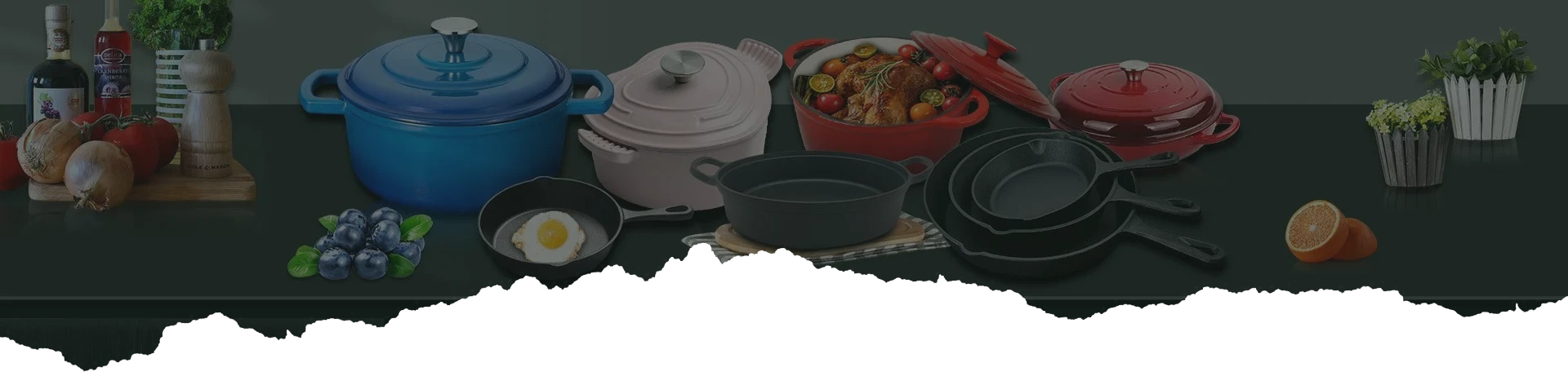

Discover the Enduring Charm of the Chinese Cast Iron Wok | Durable & Eco-Friendly Cookware
Nov . 30, 2025 15:35
The Charm and Utility of the Chinese Cast Iron Wok: More Than Just a Cooking Tool
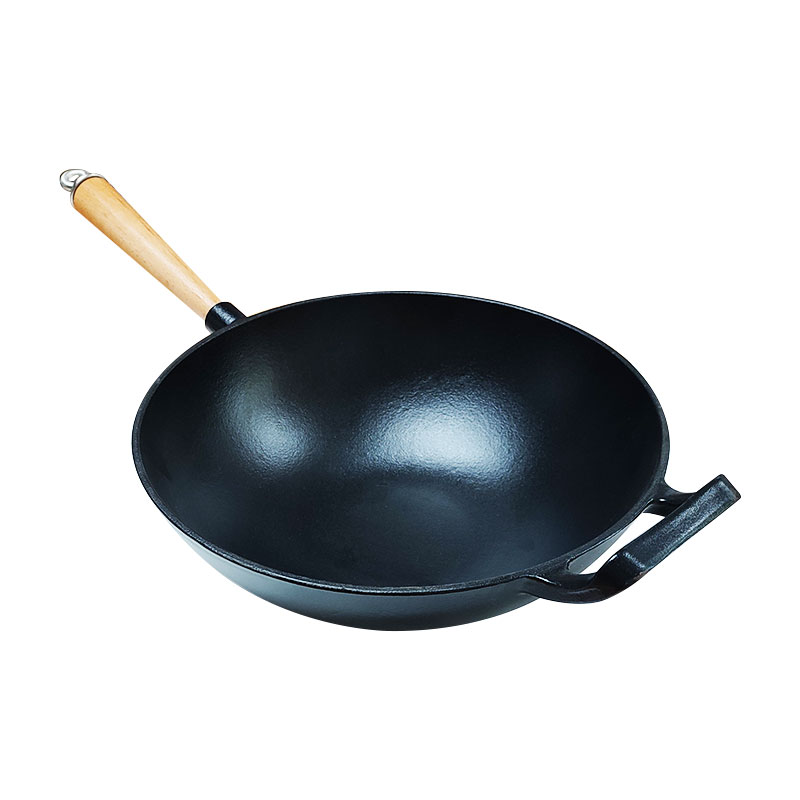
When you think of authentic Asian cooking, chances are a chinese cast iron wok pops into your mind. But beyond its iconic silhouette and that satisfying sizzle, this age-old culinary craft tool actually represents a rich blend of tradition, design, and modern-day utility that resonates worldwide. Interestingly, understanding the dynamics of the Chinese cast iron wok — its material properties, cultural footprint, and global appeal — unlocks more than just good stir-fries; it touches on economic, environmental, and social factors that reverberate globally.
Globally, cast iron cookware sales have seen steady growth, reflecting a broader appetite for sustainable, durable kitchen gear. According to a 2023 ISO report on kitchenware standards, cast iron's longevity and heat retention make it a leading choice for households focusing on quality and eco-conscious decisions. Yet, there’s a nuanced challenge: how do manufacturers maintain the balance between traditional craftsmanship and scalable, eco-friendly production? This delicate balance is where the Chinese cast iron wok shines—as a symbol and a practical product.
What Exactly Is a Chinese Cast Iron Wok?
The Chinese cast iron wok is essentially a deep, round-bottomed pan made from cast iron, traditionally used for stir-frying, steaming, boiling, and even smoking food. Unlike thin steel woks, the cast iron variant offers superior heat retention, which translates to more even cooking temperatures and richer flavors. Its thick walls and base make it a versatile kitchen champion—sort of like the Swiss army knife in cookware.
From a humanitarian or industrial perspective, the wok’s design principles echo in sectors focused on durability and resource optimization. Imagine places where reliable cooking tools have a knock-on effect on food security and health—rural communities or disaster zones often rely on robust cookware to prepare nutritious meals without frequent replacements.
Key Qualities That Make the Chinese Cast Iron Wok Stand Out
Durability and Longevity
Made from dense cast iron, these woks can last generations if cared for properly. It feels like investing once and getting decades of use—a quality that appeals not just to home cooks, but also to commercial kitchens around the globe.
Heat Retention and Even Cooking
Cast iron’s ability to hold heat evenly across the surface means less energy wasted and more consistent meal quality. Many chefs swear by the deep, smoky flavors it helps develop compared to lighter metals.
Eco-Friendly Nature
Cast iron is 100% recyclable, often made from recycled materials, and its extreme longevity reduces waste. For those mindful about kitchen sustainability, this small choice accumulates huge environmental benefits.
Traditional Craftsmanship Meets Modern Tech
While the wok’s design is centuries-old, many manufacturers now blend hand-casting techniques with modern surface treatments to improve seasoning and rust resistance. This hybridity keeps the wok timeless yet practical.
Mini takeaway:
The Chinese cast iron wok is a lesson in blending endurance, functionality, and eco-conscious design — qualities that extend beyond the kitchen.
Global Applications and Real-World Use Cases
This cookware is hardly confined to Asian kitchens anymore. From urban apartments in New York to remote mountain villages in Nepal, the cast iron wok’s robust design fills a variety of needs. NGOs working in disaster relief situations often distribute durable cookware like the cast iron wok because it’s ideal for cooking nutrient-rich meals over various fuel sources — an advantage in unstable environments.
In industrial-scale food production, especially in East and Southeast Asia, larger cast iron woks play a role in catering to thousands with consistent heat and minimal fuel consumption. Meanwhile, culinary schools worldwide teach wok techniques to preserve tradition and introduce students to efficient cooking methods.
Even globally, the trend of home cooking enthusiasts and professionals adopting authentic Asian tools is rising, partly thanks to international migration and online retailers making products like these accessible anywhere.
Product Specification Table
| Feature | Detail |
|---|---|
| Material | High-grade cast iron with traditional sand casting |
| Diameter Options | 10, 12, 14, 16 inches |
| Weight | Approximately 4-8 lbs depending on size |
| Coating | Traditional seasoning (with optional enamel finish available) |
| Heat Compatibility | Suitable for gas, electric, induction, and open flame |
| Warranty | 5 years limited manufacturer warranty |
Comparing Popular Chinese Cast Iron Wok Vendors
| Vendor | Material Quality | Price Range (USD) | Sustainability Practices | Warranty |
|---|---|---|---|---|
| Debien Cookware | Premium cast iron, hand-finished | $45 - $90 | Recycled materials & eco-friendly packaging | 5 Years |
| WokMasters Ltd. | Standard cast iron | $30 - $60 | Minimal | 3 Years |
| SinoCook | Cast iron with enamel coating | $60 - $100 | Some recycled content | 4 Years |
Why Choosing a Chinese Cast Iron Wok Matters in the Long Run
The real beauty of a Chinese cast iron wok lies beneath the surface. Its cost-effectiveness over a decade or two far outweighs cheaper, flimsy pans that warp or corrode fast. Many chefs value the wok not just for cooking performance but for how it fosters a kind of culinary confidence—knowing your tool won’t fail mid-prep. Emotionally, using a well-seasoned cast iron wok feels like a connection to generations past and future cooks alike.
Moreover, its sustainability credentials checksum on multiple fronts—reduced waste, energy savings from efficient cooking, and fewer replacements. In a world increasingly conscious about environmental impact, it feels refreshing to choose products that fulfill practical needs while subtly contributing to green goals.
Emerging Trends and Future Directions
While the classic cast iron wok design is unlikely to be revolutionized overnight, innovations in material science do add new possibilities, particularly in coatings that non-stick without PFAS chemicals. Digital temperature sensors integrated into handle grips are also being tested, blending smart kitchen tech with tradition.
On sustainability, some brands are experimenting with closed-loop recycling of cast iron scrap from manufacturing back into raw material, cutting down heavy industry waste significantly. Plus, with the surge of “smart kitchens,” automated stir-fry bots—yes, they’re a thing—might start integrating perfectly with cast iron woks specifically designed for uniform heat.
Challenges & How to Address Them
Of course, cast iron woks aren't without downsides—their weight can intimidate some, and seasoning maintenance is a commitment. But savvy users and manufacturers offer solutions: ergonomic handles, pre-seasoned surfaces, and clear care instructions help ease adoption. Some companies offer lifetime seasoning renewal programs too, turning what once felt like a chore into a customer service delight.
FAQ: What Buyers Commonly Ask about Chinese Cast Iron Woks
-
Q: How do I properly season a Chinese cast iron wok?
A: Seasoning involves coating the wok with a thin layer of oil and heating it to create a natural non-stick surface that improves over time. Typically, using flaxseed or vegetable oil and performing seasoning on medium-high heat for 30 minutes works well. Avoid soap when cleaning to maintain the seasoning layer. -
Q: Can I use a cast iron wok on an induction stove?
A: Absolutely. Cast iron is magnetic and perfect for induction cooking. Just be mindful of the wok’s weight and use a stove that can safely handle cookware stability. -
Q: Are Chinese cast iron woks suitable for outdoor cooking?
A: Yes, their durability and heat retention make them excellent for outdoor stoves or open flames. Just ensure you clean and dry the wok thoroughly after use to prevent rust. -
Q: How long does a typical cast iron wok last?
A: With proper care, a well-made cast iron wok can last decades—often becoming a family heirloom passed down generations. -
Q: Is a cast iron wok heavier than a carbon steel wok?
A: Yes, cast iron woks tend to be heavier, which helps with heat retention but may require a bit more muscle in handling.
Wrapping It Up: A Tool That’s More Than Meets The Eye
The decades-old Chinese cast iron wok represents a fascinating crossroads of tradition, durability, and global practicality. Whether you’re a professional chef chasing the perfect sear or a humanitarian equipping a community kitchen, its benefits ripple outwards in cost savings, environmental respect, and culinary excellence. To truly appreciate this humble powerhouse, you just have to get that satisfying sizzle and know you’ve chosen a product built to last—and to tell stories for years to come.
For those interested in exploring authentic and environmentally conscious options, visit our website: https://www.debiencookware.com to find your perfect cast iron wok and step into a world where technology and tradition cook side by side.
References


2026-03-31 02:45:09
Elevate Your Outdoor Cooking with a Cast Iron Barbecue Experience
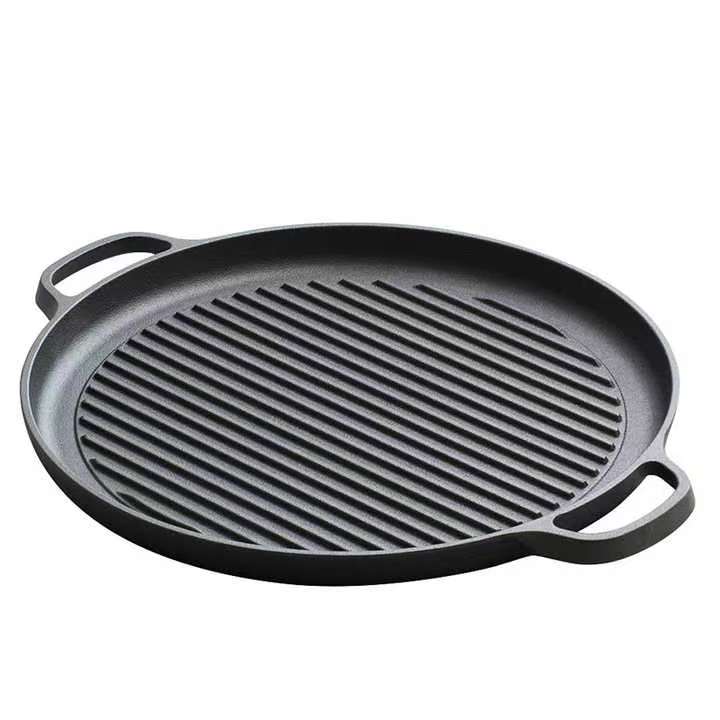
Are you ready to elevate your outdoor cooking experience? A cast iron barbecue offers unparalleled heat retention, even cooking, and a delicious smoky flavor that grills simply can't match. This article will explore the benefits of cast iron barbecues, how to choose the right one, proper care and maintenance, and delicious recipes to get you started. From seasoned grill masters to barbecue beginners, this guide has something for everyone.
2026-03-28 02:55:10
Discover the Benefits of Cast Iron and Grill Cookware for Delicious Meals
Cooking with cast iron and grill cookware has seen a massive resurgence in recent years, and for good reason. This method offers a unique combination of heat retention, even cooking, and versatility. Whether you’re searing a steak, baking a rustic pie, or simply enjoying a weeknight meal, understanding the benefits and proper use of these tools can elevate your culinary experience. This guide will explore everything from the advantages of cast iron and grill cookware to tips for seasoning, cleaning, and maintenance.
2026-03-26 02:45:13
Elevate Your Cooking with a Durable Cast Grill Pan for Restaurant Quality Meals
Looking to elevate your cooking game and achieve restaurant-quality results at home? A cast grill pan is a versatile kitchen essential. This guide dives deep into the benefits, uses, care, and how to choose the best cast grill pan for your needs. From searing steaks to grilling vegetables, a cast grill pan delivers exceptional heat retention and even cooking. Let’s explore why this pan should be a staple in every kitchen. Cast iron cookware, and specifically cast grill pans, have been prized by chefs and home cooks for centuries. The key lies in the material itself. Cast iron is renowned for its incredible heat retention, meaning it heats up slowly but stays hot for a long time, resulting in perfectly seared food. The weight of the pan also contributes to even heat distribution, eliminating hot spots. The raised ridges on a grill pan mimic the effect of an outdoor grill, creating those desirable grill marks and allowing fat to drain away, leading to healthier meals.
2026-03-24 02:55:07
Superior Cooking with Durable Cast Grill Grates for Enhanced Flavor
When it comes to grilling, the grate you use significantly impacts the flavor, texture, and overall cooking experience. Cast grill grates, known for their exceptional heat retention and durability, are a popular choice among both novice and experienced grillers. This article will explore the benefits of cast iron grill grates, different types available, care and maintenance tips, and factors to consider when making a purchase. We’ll help you understand why investing in quality cast grill grates can elevate your outdoor cooking. Cast grill grates offer several advantages over other materials like stainless steel or porcelain-coated grates. Primarily, cast iron boasts superior heat retention, ensuring consistent cooking temperatures even when grilling thicker cuts of meat. This even heat distribution minimizes hot spots and promotes more uniform cooking. Furthermore, cast iron naturally develops a non-stick patina over time with proper seasoning, reducing the likelihood of food sticking and making cleanup easier.
2026-03-21 02:45:09
Unlock Flavorful Outdoor Cooking with a Durable Cast Grill
Looking to elevate your outdoor cooking experience? A cast grill offers exceptional heat retention, versatility, and durability. This comprehensive guide will explore the benefits of cast iron grilling, how to choose the right grill, care and maintenance tips, delicious recipes, and why Debien Cookware offers some of the finest cast grill options available. Prepare to unlock a world of flavor and create unforgettable meals with the power of cast iron! A cast grill is essentially a grilling surface made from cast iron. This material is renowned for its superior heat retention, meaning it gets incredibly hot and stays hot, ensuring perfectly seared meats and evenly cooked vegetables. Unlike other grilling materials, cast iron distributes heat uniformly, eliminating hot spots. Its durability is another key advantage; a well-maintained cast grill can last for generations.
2026-03-19 02:45:14
Comprehensive Guide to Durable and Reliable Cast Grates for Various Applications
Cast grates are essential components in drainage systems, offering a robust and reliable solution for managing water flow in various applications. From landscaping and pedestrian areas to industrial settings, these grates play a crucial role in preventing flooding and maintaining safety. This article delves into the world of cast grates, exploring their materials, types, applications, and factors to consider when selecting the right grate for your needs. We'll also highlight how Debien Cookware's commitment to quality and durability translates to excellence in the production of these vital infrastructure elements. Understanding the intricacies of cast grates is key to ensuring efficient drainage and long-term performance. Cast grates are typically manufactured from cast iron, ductile iron, or steel. Cast iron is a traditional material, valued for its affordability and ease of casting. However, it can be brittle. Ductile iron offers improved strength and ductility, making it more resistant to cracking and impact. Steel grates are the strongest option, often used in heavy-duty applications, but are susceptible to corrosion if not properly treated.
2026-03-17 02:45:12
Choosing the Right Cast Charcoal Grill for Superior Outdoor Cooking
When it comes to outdoor cooking, a cast charcoal grill offers a unique and flavorful experience. From searing steaks to slow-cooking ribs, the versatility is unmatched. But with so many options available, selecting the perfect grill can be daunting. This article will explore the benefits of cast charcoal grills, key features to consider, and how to choose the best one for your needs. We’ll cover everything from construction materials to cooking capacity, helping you make an informed decision. Cast iron grills are renowned for their exceptional heat retention. This means they can reach and maintain high temperatures, perfect for searing meats and achieving that desirable char. They also distribute heat more evenly than many other grill materials, minimizing hot spots and ensuring consistent cooking. Several factors influence the performance and convenience of a cast charcoal grill. Cooking surface area is crucial – determine how much food you typically cook to choose an appropriately sized grill. Features like adjustable vents allow you to control airflow and temperature, giving you more precise cooking control.
2026-03-14 02:45:16
Choosing the Right Cast BBQ Grill for Superior Outdoor Cooking
When it comes to outdoor cooking, a cast BBQ grill offers unparalleled heat retention and a distinctive flavor profile. But with numerous options available, selecting the perfect grill can be daunting. This guide will explore the benefits of cast iron grilling, different types of cast BBQ grills, key features to consider, and how to choose the grill that best suits your cooking style and needs. We'll help you understand what makes Debien Cookware’s cast iron grills stand out in the market. Cast iron is renowned for its exceptional heat retention. This means a cast BBQ grill heats up evenly and stays hot for longer, creating perfect searing temperatures for steaks, burgers, and other meats. Unlike thinner grills, cast iron doesn’t have hot spots, ensuring consistent cooking results. Moreover, cast iron is naturally non-stick when properly seasoned, minimizing food sticking and making cleanup easier. The durability of cast iron is another key advantage—a well-maintained cast iron grill can last for generations.
Inquire Now for Cast Iron Cookware Deals
Please Fill Out The Form Below And Our Team Will Get Back To You With Pricing, Product Details, And Customization Options.

Debien is advancing with time, updating equipment, elaborately carving out our brand, focusing on developing high-end products, and actively responding to market demands with creativity.


QUICK LINKS
CONTACT US
Debien is advancing with time, updating equipment, elaborately carving out our brand, focusing on developing high-end products, and actively responding to market demands with creativity.
Copyright © 2026 HEBEI DEBIEN TECHNOLOGY CO., LTD. All Rights Reserved. Sitemap | Privacy Policy | Top Blog


