




Discover Durable & Sustainable Cast Iron with Porcelain Enamel Cookware | Debien Cookware
Nov . 26, 2025 22:30
Why Cast Iron with Porcelain Enamel Cookware Still Matters Globally
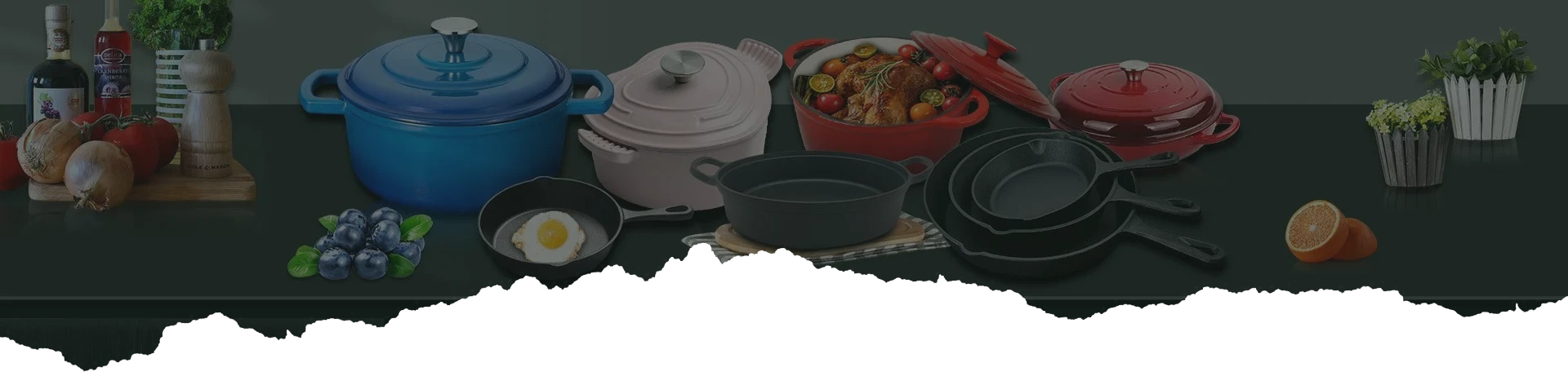
If you’ve ever stumbled across a vividly colored, heavy pot in your grandmother’s kitchen or admired those sleek, glossy Dutch ovens in trendy restaurants, you might be witnessing the timeless charm of cast iron with porcelain enamel cookware. Beyond the nostalgic value lies a product category that packs surprising punches — durability, versatility, and sustainability — all amid global shifts in culinary habits, environmental concerns, and manufacturing innovation.
Why talk about this now, you wonder? Well, cast iron cookware is riding a renewed wave of popularity, especially when fused with an enamel coating that wards off rust and adds easy-care benefits. Globally, as more people gravitate toward healthier homemade food and sustainable lifestyles, understanding this kitchen essential becomes more than just foodie-talk:
- It champions longevity, contrasting single-use, disposable trends in consumer goods.
- It taps into energy efficiency by retaining heat far better than many alternatives.
- It aligns with global environmental goals by reducing waste and using mostly natural materials.
And if you’re a retailer, cookware designer, or a conscious consumer, learning about its nuances can mean smarter buys and innovations that ripple beyond the kitchen walls.
Introduction: The Global Context of Enamel-Coated Cast Iron Cookware
The global cookware market, valued at roughly USD 20 billion in 2023 and growing steadily, shows a remarkable pivot toward premium, durable products. According to industry reports partly derived from ISO standards, enamel-coated cast iron cookware captures a significant growth share due to rising demand in North America, Europe, and increasingly, Asia.
This cookware category, frankly, addresses some challenges classic metal pans face worldwide — especially rust, maintenance fuss, and safety concerns. Plus, the enamel layer opens doors to aesthetic variety and hygiene benefits.
There’s a growing consciousness globally — shown in UN initiatives advocating sustainable production and consumption patterns (SDG 12) — that spills into the kitchen quite literally. Consumers demand cookware that’s not only functional but meets environmental and health standards. This fusion product perfectly meets those calls.
Defining Cast Iron with Porcelain Enamel Cookware
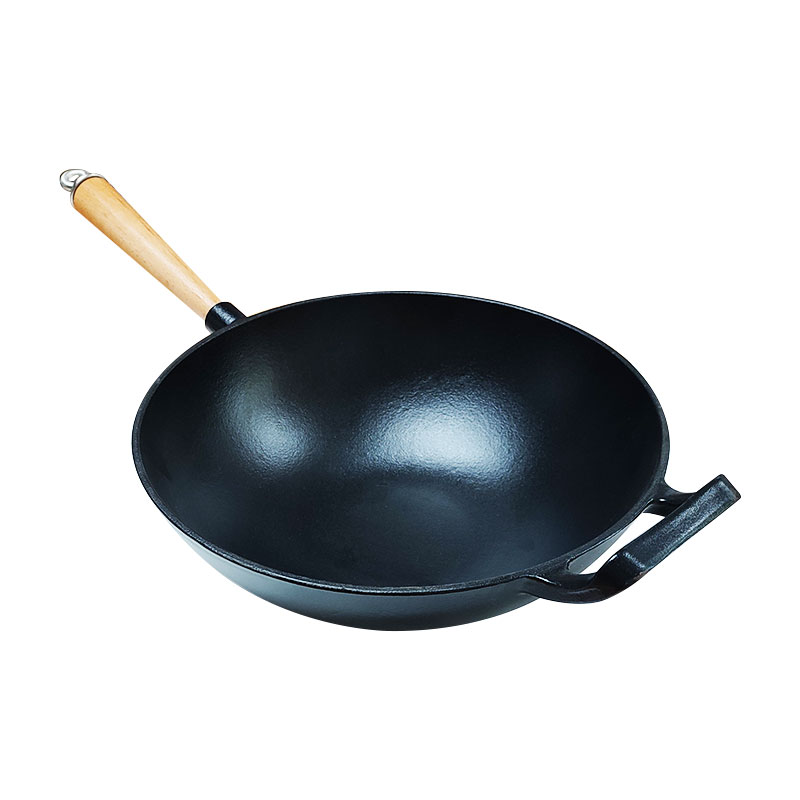
At its core: cast iron cookware is simply iron that’s melted and cast into molds to create pots, pans, or Dutch ovens. Porcelain enamel cookware adds a smooth, glassy coating made by fusing powdered glass onto the metal at high temperatures. This infusion forms a sealed, inert surface that resists rust, eliminates the need for seasoning (unlike bare cast iron), and often dazzles in colors from cobalt blue to cherry red.
In modern culinary and industrial contexts, they’re prized for robust cooking — think simmering stews for hours, breads baked with steam, and even searing steaks. Humanitarian-wise, such pots are invaluable where fuel efficiency and durability are paramount — like refugee camps or remote regions where replacing cookware isn’t easy.
Core Components of Cast Iron with Porcelain Enamel Cookware
Durability: Built to Last Generations
Cast iron is known for its rugged strength. When enamel-coated, it gains resistance to chipping (though not immune), corrosion, and abrasion. Many users pass these pieces down decades — a rarity in today's throwaway culture.
Heat Retention & Even Cooking
Cast iron evenly distributes heat and retains it, so dishes cook slowly and thoroughly. This is a feature chefs and home cooks swear by for consistent results, especially in baking.
Non-Reactive Surface
The porcelain enamel acts as a barrier, preventing interaction between food and iron. This means an easier clean and no metallic taste — plus safety for acidic dishes like tomato sauces.
Visual Appeal and Variety
Thanks to the enamel’s color range, cookware doubles as decor. This often influences kitchen mood and consumer appeal, blending functionality and style.
Maintenance: An Easier Road
Unlike traditional cast iron which requires seasoning, enamel-coated pieces don’t need this fuss. Washing with mild soap is usually enough, making it a more approachable option for those wary of special care.
Sustainability Aspect
Most components are recyclable, and their lifespan reduces turnover waste.
Mini Takeaway:
Simply put, cast iron with porcelain enamel cookware combines heritage robustness with practical modern convenience, all wrapped in an eye-catching package. This mix explains much of its ongoing global fascination.
Global Applications & Real-World Use Cases
From bustling urban kitchens to rugged field camps, enamel-coated cast iron pots find home everywhere. In Europe and North America, they’re staples for everything from baking bread to slow-cooking festive meals. Asian markets are showing interest as part of rising premium cookware trends.
On the humanitarian front, organizations like the Red Cross and various NGOs often supply these pots in disaster relief efforts. Why? They reduce cooking fuel needs because of their heat retention, are robust enough to survive rough handling, and simplify sanitation — crucial factors in temporary shelters or refugee camps.
Oddly enough, even the outdoor recreation industry has embraced these pots. Campers tout their reliability compared to lightweight, thinner metals that can warp or poison food with chemical coatings gone awry.
| Specification | Details |
|---|---|
| Material Base | Cast iron (high carbon steel) |
| Enamel Coating Thickness | 0.5 – 2 mm |
| Heat Capacity | Good thermal retention & distribution |
| Color Options | Varied – blue, red, green, white, black |
| Care Requirements | Hand wash recommended; no seasoning required |
| Typical Weight | 3 to 7 kg (varies by size) |
Advantages & The Long-Term Value of Enamel Cast Iron Cookware
From a purely practical perspective, this cookware saves money over time because it’s almost indestructible if cared for properly. Emotionally, there’s a kind of safety in its weight and presence — it signals reliability, something we subconsciously crave.
- Cost Efficiency: Higher upfront cost but spans generations, unlike thin aluminum or non-stick pans.
- Health & Safety: No toxic coatings; enamel is inert and food-safe.
- Sustainability: Reduced waste, recyclable materials.
- Culinary Benefits: Enhances food flavor through even cooking.
- Social Impact: In humanitarian uses, it contributes to dignity by enabling better meal preparation.
All these factors contribute to the cookware’s enduring appeal worldwide — a rare mix of utility, beauty, and conscience.
Future Trends & Innovations in Cast Iron Enamel Cookware
We’re seeing some exciting shifts happening here. Manufacturers are experimenting with multi-layer enamel coatings to boost chip resistance and colors that maintain vibrancy despite dishwasher use. There’s talk of integrating nanotechnology for anti-bacterial surfaces, an understandable leap especially in medical or camp settings.
Plus, sustainability pushes are prompting companies to explore greener casting processes and use recycled metals, aligning with international ISO14000 standards for environmental management.
Then there’s a digital angle: smart cookware with sensors that pair with apps to guide cooking times or temperatures. That sounds futuristic but given how “smart kitchen” gear is trending, enamel cast iron might just get smarter sooner than we think.
Challenges and How to Overcome Them
Despite its many virtues, enamel-coated cast iron has quirks: it’s heavy, can chip if dropped, and cleaning requires care. For some, the weight borders on inconvenient.
Innovative solutions? Lighter-weight cast iron alloys are under development. Improved enamel formulations reduce chip risks. Also, educating users on proper care prevents mishaps — some brands provide detailed maintenance guides, which help tame the learning curve for new owners.
Vendor Comparison: Popular Brands in Porcelain Enamel Cast Iron Cookware
| Brand | Price Range | Color Options | Warranty | Unique Selling Point |
|---|---|---|---|---|
| Debien Cookware | $$$ | Wide (8+ vibrant hues) | Limited lifetime | Superior chip resistance & eco-friendly casting |
| Le Creuset | $$$$ | Classic + seasonal palettes | Limited lifetime | World-renowned craftsmanship & brand prestige |
| Staub | $$$ | Earth tones & vibrant | Limited lifetime | Matte black interior glaze for enhanced searing |
FAQs: Your Top Questions about Cast Iron with Porcelain Enamel Cookware
1. How do I prevent chipping of the enamel coating?
Chips often appear from sudden temperature changes or dropping. Avoid bouncing or stacking pots without protection, preheat gently, and use wooden or silicone utensils. Treat enamel just like fine china in regards to impact.
2. Can enamel-coated cast iron go on induction cooktops?
Yes! Since the base is cast iron, it works well with induction cooktops, which require ferromagnetic materials. The enamel doesn’t affect this compatibility.
3. Is seasoning necessary with enamel cast iron?
No seasoning is required. The enamel surface is non-porous and non-reactive, so you can clean it with mild detergents and it will not rust.
4. How eco-friendly is cast iron with enamel cookware?
It’s quite sustainable long-term due to durability and recyclability. Many manufacturers now focus on reducing waste and using recycled materials during production, making it a better alternative to disposable pans.
5. Where can I buy reliable porcelain enamel cast iron cookware?
Reputable brands like Debien Cookware offer premium options with guarantees on craftsmanship. Specialty kitchen stores and certified eCommerce platforms also carry them.
Conclusion: Why You Should Consider Cast Iron with Porcelain Enamel Cookware
To sum up, cast iron with porcelain enamel cookware is more than a cooking tool; it’s a nexus of tradition, sustainability, and innovation. Beyond the kitchen aesthetics, it delivers reliable heat performance, supports eco-conscious living, and even plays a subtle role in humanitarian settings. If you’re looking to invest in cookware that stands the test of time while aligning with modern values, this category deserves a look. Ready to make the switch or upgrade? Visit our website: Debien Cookware to explore our latest collections and find the perfect piece for your kitchen.
Mini Takeaway:
Smart cooking, lasting tradition, and environmental sense all wrapped up on your stovetop — that’s the timeless appeal of porcelain enamel on cast iron.
References


2026-03-31 02:45:09
Elevate Your Outdoor Cooking with a Cast Iron Barbecue Experience
Are you ready to elevate your outdoor cooking experience? A cast iron barbecue offers unparalleled heat retention, even cooking, and a delicious smoky flavor that grills simply can't match. This article will explore the benefits of cast iron barbecues, how to choose the right one, proper care and maintenance, and delicious recipes to get you started. From seasoned grill masters to barbecue beginners, this guide has something for everyone.
2026-03-28 02:55:10
Discover the Benefits of Cast Iron and Grill Cookware for Delicious Meals
Cooking with cast iron and grill cookware has seen a massive resurgence in recent years, and for good reason. This method offers a unique combination of heat retention, even cooking, and versatility. Whether you’re searing a steak, baking a rustic pie, or simply enjoying a weeknight meal, understanding the benefits and proper use of these tools can elevate your culinary experience. This guide will explore everything from the advantages of cast iron and grill cookware to tips for seasoning, cleaning, and maintenance.
2026-03-26 02:45:13
Elevate Your Cooking with a Durable Cast Grill Pan for Restaurant Quality Meals
Looking to elevate your cooking game and achieve restaurant-quality results at home? A cast grill pan is a versatile kitchen essential. This guide dives deep into the benefits, uses, care, and how to choose the best cast grill pan for your needs. From searing steaks to grilling vegetables, a cast grill pan delivers exceptional heat retention and even cooking. Let’s explore why this pan should be a staple in every kitchen. Cast iron cookware, and specifically cast grill pans, have been prized by chefs and home cooks for centuries. The key lies in the material itself. Cast iron is renowned for its incredible heat retention, meaning it heats up slowly but stays hot for a long time, resulting in perfectly seared food. The weight of the pan also contributes to even heat distribution, eliminating hot spots. The raised ridges on a grill pan mimic the effect of an outdoor grill, creating those desirable grill marks and allowing fat to drain away, leading to healthier meals.
2026-03-24 02:55:07
Superior Cooking with Durable Cast Grill Grates for Enhanced Flavor
When it comes to grilling, the grate you use significantly impacts the flavor, texture, and overall cooking experience. Cast grill grates, known for their exceptional heat retention and durability, are a popular choice among both novice and experienced grillers. This article will explore the benefits of cast iron grill grates, different types available, care and maintenance tips, and factors to consider when making a purchase. We’ll help you understand why investing in quality cast grill grates can elevate your outdoor cooking. Cast grill grates offer several advantages over other materials like stainless steel or porcelain-coated grates. Primarily, cast iron boasts superior heat retention, ensuring consistent cooking temperatures even when grilling thicker cuts of meat. This even heat distribution minimizes hot spots and promotes more uniform cooking. Furthermore, cast iron naturally develops a non-stick patina over time with proper seasoning, reducing the likelihood of food sticking and making cleanup easier.
2026-03-21 02:45:09
Unlock Flavorful Outdoor Cooking with a Durable Cast Grill
Looking to elevate your outdoor cooking experience? A cast grill offers exceptional heat retention, versatility, and durability. This comprehensive guide will explore the benefits of cast iron grilling, how to choose the right grill, care and maintenance tips, delicious recipes, and why Debien Cookware offers some of the finest cast grill options available. Prepare to unlock a world of flavor and create unforgettable meals with the power of cast iron! A cast grill is essentially a grilling surface made from cast iron. This material is renowned for its superior heat retention, meaning it gets incredibly hot and stays hot, ensuring perfectly seared meats and evenly cooked vegetables. Unlike other grilling materials, cast iron distributes heat uniformly, eliminating hot spots. Its durability is another key advantage; a well-maintained cast grill can last for generations.
2026-03-19 02:45:14
Comprehensive Guide to Durable and Reliable Cast Grates for Various Applications
Cast grates are essential components in drainage systems, offering a robust and reliable solution for managing water flow in various applications. From landscaping and pedestrian areas to industrial settings, these grates play a crucial role in preventing flooding and maintaining safety. This article delves into the world of cast grates, exploring their materials, types, applications, and factors to consider when selecting the right grate for your needs. We'll also highlight how Debien Cookware's commitment to quality and durability translates to excellence in the production of these vital infrastructure elements. Understanding the intricacies of cast grates is key to ensuring efficient drainage and long-term performance. Cast grates are typically manufactured from cast iron, ductile iron, or steel. Cast iron is a traditional material, valued for its affordability and ease of casting. However, it can be brittle. Ductile iron offers improved strength and ductility, making it more resistant to cracking and impact. Steel grates are the strongest option, often used in heavy-duty applications, but are susceptible to corrosion if not properly treated.
2026-03-17 02:45:12
Choosing the Right Cast Charcoal Grill for Superior Outdoor Cooking
When it comes to outdoor cooking, a cast charcoal grill offers a unique and flavorful experience. From searing steaks to slow-cooking ribs, the versatility is unmatched. But with so many options available, selecting the perfect grill can be daunting. This article will explore the benefits of cast charcoal grills, key features to consider, and how to choose the best one for your needs. We’ll cover everything from construction materials to cooking capacity, helping you make an informed decision. Cast iron grills are renowned for their exceptional heat retention. This means they can reach and maintain high temperatures, perfect for searing meats and achieving that desirable char. They also distribute heat more evenly than many other grill materials, minimizing hot spots and ensuring consistent cooking. Several factors influence the performance and convenience of a cast charcoal grill. Cooking surface area is crucial – determine how much food you typically cook to choose an appropriately sized grill. Features like adjustable vents allow you to control airflow and temperature, giving you more precise cooking control.
2026-03-14 02:45:16
Choosing the Right Cast BBQ Grill for Superior Outdoor Cooking
When it comes to outdoor cooking, a cast BBQ grill offers unparalleled heat retention and a distinctive flavor profile. But with numerous options available, selecting the perfect grill can be daunting. This guide will explore the benefits of cast iron grilling, different types of cast BBQ grills, key features to consider, and how to choose the grill that best suits your cooking style and needs. We'll help you understand what makes Debien Cookware’s cast iron grills stand out in the market. Cast iron is renowned for its exceptional heat retention. This means a cast BBQ grill heats up evenly and stays hot for longer, creating perfect searing temperatures for steaks, burgers, and other meats. Unlike thinner grills, cast iron doesn’t have hot spots, ensuring consistent cooking results. Moreover, cast iron is naturally non-stick when properly seasoned, minimizing food sticking and making cleanup easier. The durability of cast iron is another key advantage—a well-maintained cast iron grill can last for generations.
Inquire Now for Cast Iron Cookware Deals
Please Fill Out The Form Below And Our Team Will Get Back To You With Pricing, Product Details, And Customization Options.

Debien is advancing with time, updating equipment, elaborately carving out our brand, focusing on developing high-end products, and actively responding to market demands with creativity.


QUICK LINKS
CONTACT US
Debien is advancing with time, updating equipment, elaborately carving out our brand, focusing on developing high-end products, and actively responding to market demands with creativity.
Copyright © 2026 HEBEI DEBIEN TECHNOLOGY CO., LTD. All Rights Reserved. Sitemap | Privacy Policy | Top Blog


