



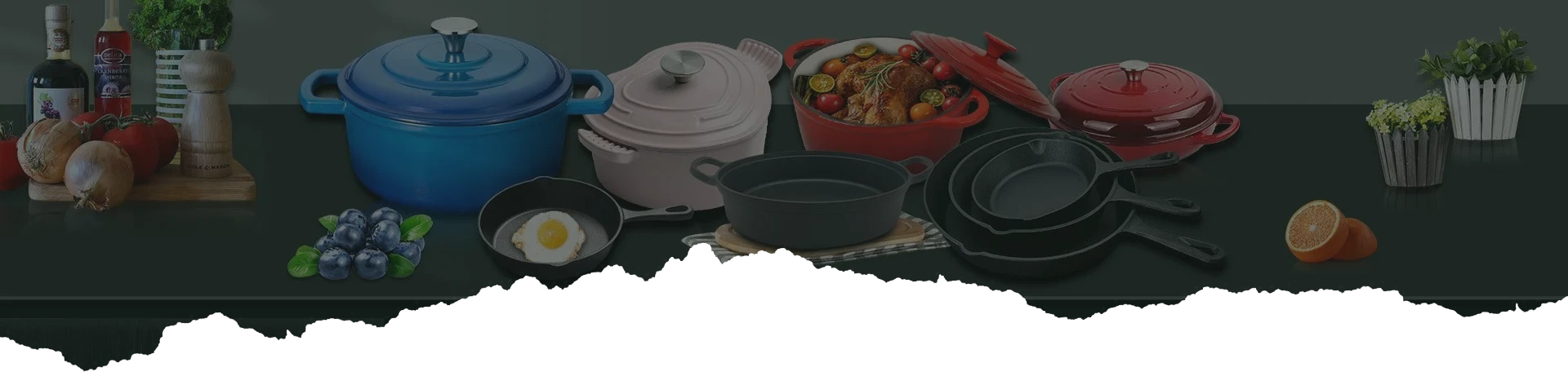

Choosing A Cast Iron Skillet: Durable, Efficient Cookware Solutions for Professionals
Jan . 05, 2026 07:30
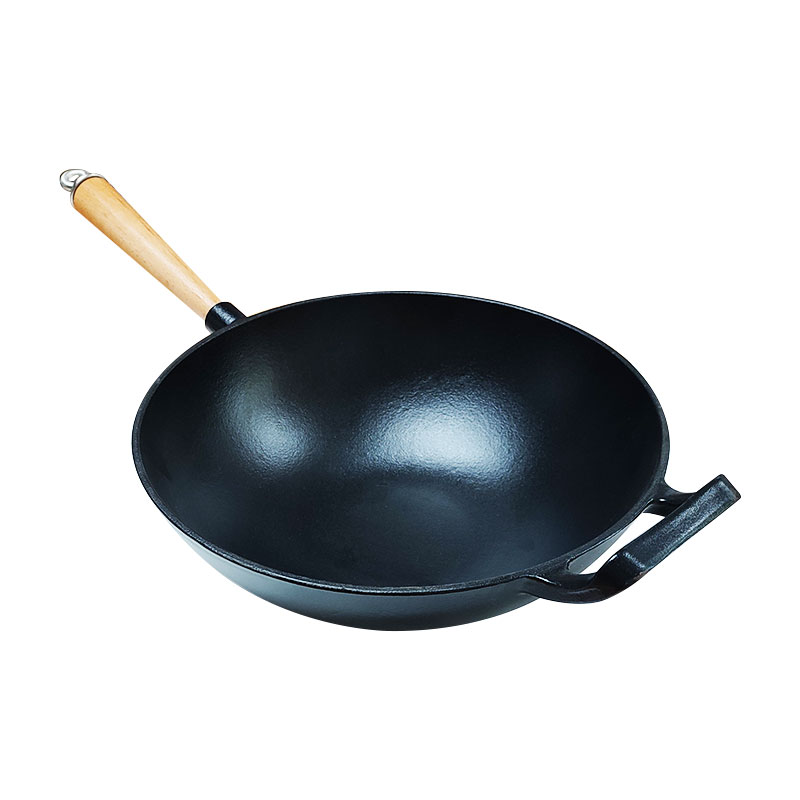
Choosing A Cast Iron Skillet is a key solution in the cookware industry, specifically within professional kitchens and hospitality sectors. This article explores how https://www.debiencookware.com supports professionals with durable, high-performance products, and explains why this product is an ideal choice for businesses relying on consistency, efficiency, and longevity.
Table of Contents
- Choosing A Cast Iron Skillet Overview
- Benefits & Use Cases of Choosing A Cast Iron Skillet
- Cost, Maintenance & User Experience
- Sustainability & Market Trends
- Frequently Asked Questions
- Conclusion on Choosing A Cast Iron Skillet from China
Choosing A Cast Iron Skillet Overview
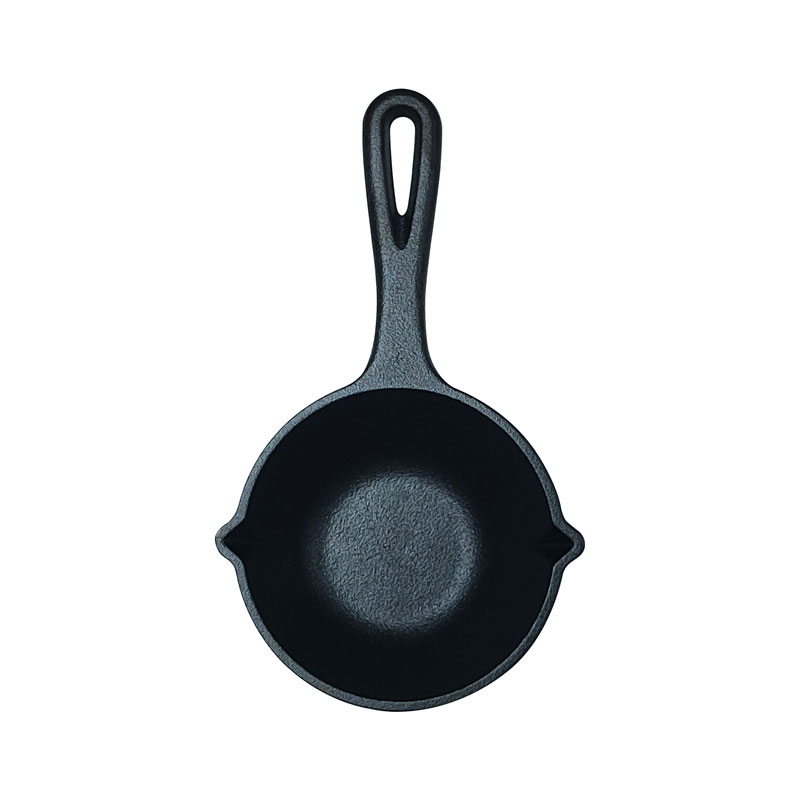
At its core, choosing a cast iron skillet means opting for a cookware piece that balances heat retention, durability, and versatility. For B2B decision makers in hospitality or food production, it’s about reliability in daily high-volume use. The cast iron skillet’s heft and thermal mass make it uniquely suited for even cooking, whether it’s for searing steaks or baking cornbread.
Technically, these skillets are made from molten iron poured into sand molds and seasoned with oil to build a naturally non-stick surface over time. The process may sound simple, but sources like Debien Cookware implement rigorous quality controls, such as uniform thickness testing, heat distribution checks, and seasoning that meets food-safe standards. Oddly enough, not all cast iron is made equal — specs vary quite a bit, impacting lifespan and performance.
| Feature | Specification |
|---|---|
| Material | Premium Cast Iron, Food-Safe Oil Seasoned |
| Diameter Ranges | 8", 10", 12", 14" |
| Thickness | 5–7mm (uniform) |
| Seasoning Type | Pre-seasoned / Customizable |
| Heat Retention | Excellent up to 450°C |
| Warranty | Limited 5 years |
Benefits & Use Cases of Choosing A Cast Iron Skillet
In practice, selecting a cast iron skillet from a supplier like Debien Cookware comes down to the skillet’s ability to do several jobs exceptionally well at once. From commercial kitchens producing hundreds of meals daily to boutique restaurants focused on flavor and crust development, the cast iron skillet shines.
Its heat retention distributes temperature evenly, which means fewer hotspots and more consistent results. Plus, it’s compatible with induction, gas, and electric cooktops — this flexibility makes it an industry staple. I’ve noticed many chefs swear by their “seasoned” skillets as they develop an almost leathery patina that improves with use, reducing oil needs and food sticking.
Competitive advantages include heavy-duty construction that rarely warps or cracks, customizing seasoning quality from the factory, and scalable production — Debien offers both bulk orders and tailored specs. This adaptability is why casting professionals often shift from cheaper alternatives to trusted cast iron to cut long-term costs while upgrading kitchen output.
Cost, Maintenance & User Experience
Frankly, some might worry about upfront costs — cast iron skillets require a heftier initial investment than cheap aluminum or stainless pans. But consider the total cost of ownership: cast iron lasts decades, often outliving multiple generations of cookware. The ROI here is remarkable.
Maintenance is straightforward but essential: avoid soap when cleaning, dry thoroughly, and occasionally re-season. These steps keep the skillet corrosion-resistant and maintain its stick-resistant surface. Business clients report that training kitchen staff takes a short time since usage is intuitive and the robust nature of cast iron lowers replacement demands.
According to feedback from hospitality managers, investing in a quality cast iron skillet reduces costs related to food waste and rework — uneven cooking or sticking is a known killer of kitchen efficiency. Plus, customers appreciate the consistency and texture of dishes prepared on these skillets, making them more of a guest satisfaction asset than one might expect.
Sustainability & Market Trends
Sustainability is increasingly a dealbreaker. Casting cast iron skillets aligns well with eco-conscious goals since cast iron is 100% recyclable — old pans can be melted and re-cast endlessly, reducing landfill waste. Debien Cookware, in particular, employs environmentally responsible casting processes reducing emissions and using non-toxic seasoning oils.
Market-wise, we see growing adoption in farm-to-table concepts, premium hotels, and niche catering operations that want equipment mirroring their values of craftsmanship and longevity. Regulatory environments in Europe and North America are also nudging manufacturers to eliminate harmful chemical coatings — this naturally lifts quality cast iron demand.
| Vendor | Product Quality | Environmental Standards | Customization Options | Lead Time |
|---|---|---|---|---|
| Debien Cookware | High – uniform thickness and seasoning options | ISO 14001 certified, eco-friendly oils | Bulk & custom seasoning | 4–6 weeks |
| Competitor A | Medium – variable wall thickness | Basic compliance | Standard seasoning only | 6–8 weeks |
| Competitor B | High – artisan cast but limited scalability | Sustainable materials, no certification | Limited customization | 8+ weeks |
Frequently Asked Questions about Choosing A Cast Iron Skillet
- What is Choosing A Cast Iron Skillet and how does it work?
- Choosing a cast iron skillet involves selecting cookware made from cast iron, prized for its ability to retain and evenly distribute heat. It works by storing thermal energy in its dense metal body and slowly releasing it, creating consistent cooking temperatures ideal for a variety of dishes.
- What are the main benefits of using Choosing A Cast Iron Skillet in industrial applications?
- The main benefits include exceptional durability, cost-effectiveness over time, and improved cooking performance. Cast iron skillets withstand heavy daily use without warping and enhance food quality thanks to even heat and natural non-stick seasoning.
- How does Choosing A Cast Iron Skillet compare to traditional alternatives?
- Compared to stainless steel or aluminum pans, cast iron skillets hold heat better and develop a seasoning layer that improves with use. They require more maintenance but offer longer life cycles and superior thermal consistency, which many cooks value for precision.
- What industries can benefit most from Choosing A Cast Iron Skillet implementation?
- Hospitality, catering, institutional kitchens, and food service providers all benefit, particularly where consistent cooking and long-term reliability reduce downtime and increase customer satisfaction. Specialty baking and grilling businesses also find them indispensable.
Conclusion on Choosing A Cast Iron Skillet from china
To wrap things up, choosing a cast iron skillet from a reputable manufacturer like Debien Cookware provides businesses with a potent mix of durability, performance, and sustainability. It’s not just cookware; it’s an investment in quality outcomes and kitchen efficiency. Interested professionals should definitely take a look at what Debien offers for scalable, customizable options tailored for demanding kitchen environments.
- Recap the value of Choosing A Cast Iron Skillet.
- Visit our website: https://www.debiencookware.com
It’s clear, then, that when you invest in quality cast iron, you’re investing in your business’s future — something that feels pretty solid, no matter how you cook it.
References:
- Debien Cookware Product Manuals and Technical Specs, 2024
- Hospitality Industry Cookware Trends Report, 2023
- ISO 14001 Environmental Standards Documentation


2026-03-31 02:45:09
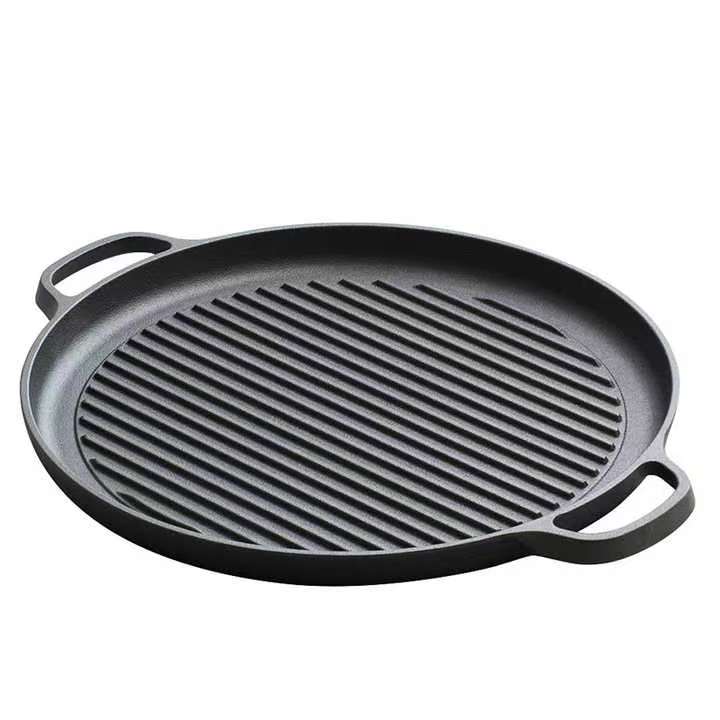
Elevate Your Outdoor Cooking with a Cast Iron Barbecue Experience
Are you ready to elevate your outdoor cooking experience? A cast iron barbecue offers unparalleled heat retention, even cooking, and a delicious smoky flavor that grills simply can't match. This article will explore the benefits of cast iron barbecues, how to choose the right one, proper care and maintenance, and delicious recipes to get you started. From seasoned grill masters to barbecue beginners, this guide has something for everyone.
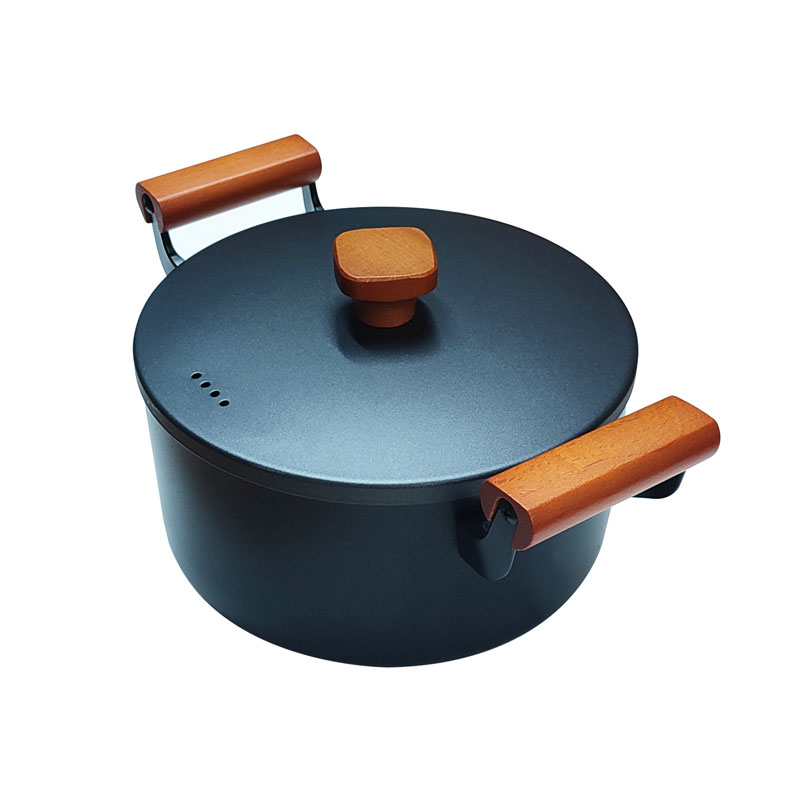
2026-03-28 02:55:10
Discover the Benefits of Cast Iron and Grill Cookware for Delicious Meals
Cooking with cast iron and grill cookware has seen a massive resurgence in recent years, and for good reason. This method offers a unique combination of heat retention, even cooking, and versatility. Whether you’re searing a steak, baking a rustic pie, or simply enjoying a weeknight meal, understanding the benefits and proper use of these tools can elevate your culinary experience. This guide will explore everything from the advantages of cast iron and grill cookware to tips for seasoning, cleaning, and maintenance.
2026-03-26 02:45:13
Elevate Your Cooking with a Durable Cast Grill Pan for Restaurant Quality Meals
Looking to elevate your cooking game and achieve restaurant-quality results at home? A cast grill pan is a versatile kitchen essential. This guide dives deep into the benefits, uses, care, and how to choose the best cast grill pan for your needs. From searing steaks to grilling vegetables, a cast grill pan delivers exceptional heat retention and even cooking. Let’s explore why this pan should be a staple in every kitchen. Cast iron cookware, and specifically cast grill pans, have been prized by chefs and home cooks for centuries. The key lies in the material itself. Cast iron is renowned for its incredible heat retention, meaning it heats up slowly but stays hot for a long time, resulting in perfectly seared food. The weight of the pan also contributes to even heat distribution, eliminating hot spots. The raised ridges on a grill pan mimic the effect of an outdoor grill, creating those desirable grill marks and allowing fat to drain away, leading to healthier meals.
2026-03-24 02:55:07
Superior Cooking with Durable Cast Grill Grates for Enhanced Flavor
When it comes to grilling, the grate you use significantly impacts the flavor, texture, and overall cooking experience. Cast grill grates, known for their exceptional heat retention and durability, are a popular choice among both novice and experienced grillers. This article will explore the benefits of cast iron grill grates, different types available, care and maintenance tips, and factors to consider when making a purchase. We’ll help you understand why investing in quality cast grill grates can elevate your outdoor cooking. Cast grill grates offer several advantages over other materials like stainless steel or porcelain-coated grates. Primarily, cast iron boasts superior heat retention, ensuring consistent cooking temperatures even when grilling thicker cuts of meat. This even heat distribution minimizes hot spots and promotes more uniform cooking. Furthermore, cast iron naturally develops a non-stick patina over time with proper seasoning, reducing the likelihood of food sticking and making cleanup easier.
2026-03-21 02:45:09
Unlock Flavorful Outdoor Cooking with a Durable Cast Grill
Looking to elevate your outdoor cooking experience? A cast grill offers exceptional heat retention, versatility, and durability. This comprehensive guide will explore the benefits of cast iron grilling, how to choose the right grill, care and maintenance tips, delicious recipes, and why Debien Cookware offers some of the finest cast grill options available. Prepare to unlock a world of flavor and create unforgettable meals with the power of cast iron! A cast grill is essentially a grilling surface made from cast iron. This material is renowned for its superior heat retention, meaning it gets incredibly hot and stays hot, ensuring perfectly seared meats and evenly cooked vegetables. Unlike other grilling materials, cast iron distributes heat uniformly, eliminating hot spots. Its durability is another key advantage; a well-maintained cast grill can last for generations.
2026-03-19 02:45:14
Comprehensive Guide to Durable and Reliable Cast Grates for Various Applications
Cast grates are essential components in drainage systems, offering a robust and reliable solution for managing water flow in various applications. From landscaping and pedestrian areas to industrial settings, these grates play a crucial role in preventing flooding and maintaining safety. This article delves into the world of cast grates, exploring their materials, types, applications, and factors to consider when selecting the right grate for your needs. We'll also highlight how Debien Cookware's commitment to quality and durability translates to excellence in the production of these vital infrastructure elements. Understanding the intricacies of cast grates is key to ensuring efficient drainage and long-term performance. Cast grates are typically manufactured from cast iron, ductile iron, or steel. Cast iron is a traditional material, valued for its affordability and ease of casting. However, it can be brittle. Ductile iron offers improved strength and ductility, making it more resistant to cracking and impact. Steel grates are the strongest option, often used in heavy-duty applications, but are susceptible to corrosion if not properly treated.
2026-03-17 02:45:12
Choosing the Right Cast Charcoal Grill for Superior Outdoor Cooking
When it comes to outdoor cooking, a cast charcoal grill offers a unique and flavorful experience. From searing steaks to slow-cooking ribs, the versatility is unmatched. But with so many options available, selecting the perfect grill can be daunting. This article will explore the benefits of cast charcoal grills, key features to consider, and how to choose the best one for your needs. We’ll cover everything from construction materials to cooking capacity, helping you make an informed decision. Cast iron grills are renowned for their exceptional heat retention. This means they can reach and maintain high temperatures, perfect for searing meats and achieving that desirable char. They also distribute heat more evenly than many other grill materials, minimizing hot spots and ensuring consistent cooking. Several factors influence the performance and convenience of a cast charcoal grill. Cooking surface area is crucial – determine how much food you typically cook to choose an appropriately sized grill. Features like adjustable vents allow you to control airflow and temperature, giving you more precise cooking control.
2026-03-14 02:45:16
Choosing the Right Cast BBQ Grill for Superior Outdoor Cooking
When it comes to outdoor cooking, a cast BBQ grill offers unparalleled heat retention and a distinctive flavor profile. But with numerous options available, selecting the perfect grill can be daunting. This guide will explore the benefits of cast iron grilling, different types of cast BBQ grills, key features to consider, and how to choose the grill that best suits your cooking style and needs. We'll help you understand what makes Debien Cookware’s cast iron grills stand out in the market. Cast iron is renowned for its exceptional heat retention. This means a cast BBQ grill heats up evenly and stays hot for longer, creating perfect searing temperatures for steaks, burgers, and other meats. Unlike thinner grills, cast iron doesn’t have hot spots, ensuring consistent cooking results. Moreover, cast iron is naturally non-stick when properly seasoned, minimizing food sticking and making cleanup easier. The durability of cast iron is another key advantage—a well-maintained cast iron grill can last for generations.
Inquire Now for Cast Iron Cookware Deals
Please Fill Out The Form Below And Our Team Will Get Back To You With Pricing, Product Details, And Customization Options.

Debien is advancing with time, updating equipment, elaborately carving out our brand, focusing on developing high-end products, and actively responding to market demands with creativity.


QUICK LINKS
CONTACT US
Debien is advancing with time, updating equipment, elaborately carving out our brand, focusing on developing high-end products, and actively responding to market demands with creativity.
Copyright © 2026 HEBEI DEBIEN TECHNOLOGY CO., LTD. All Rights Reserved. Sitemap | Privacy Policy | Top Blog


