



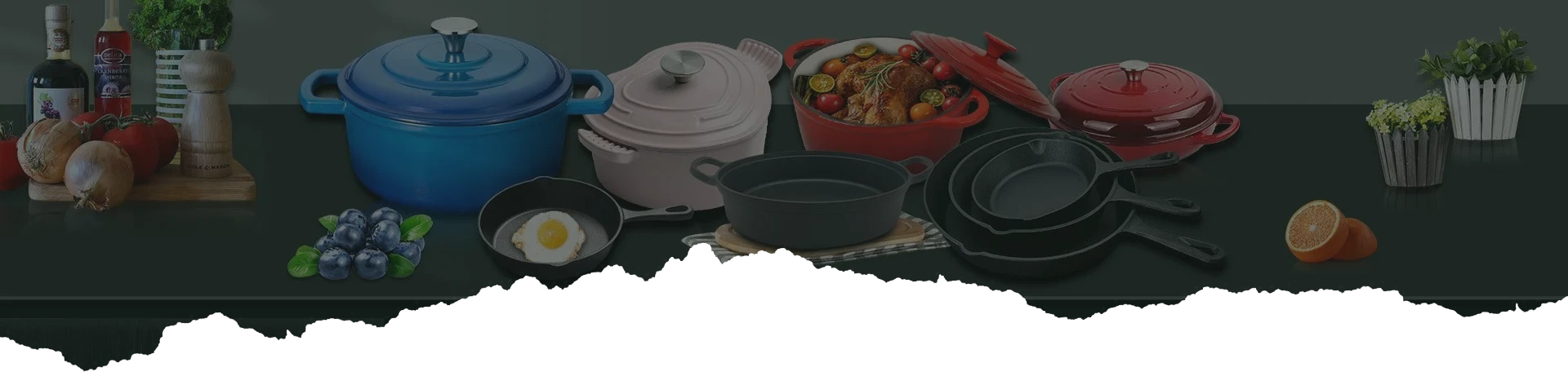

Chinese Wok Iron: Durable, Sustainable Cookware with Rich Tradition
Nov . 30, 2025 18:50
Understanding Chinese Wok Iron: More Than Just a Cooking Essential
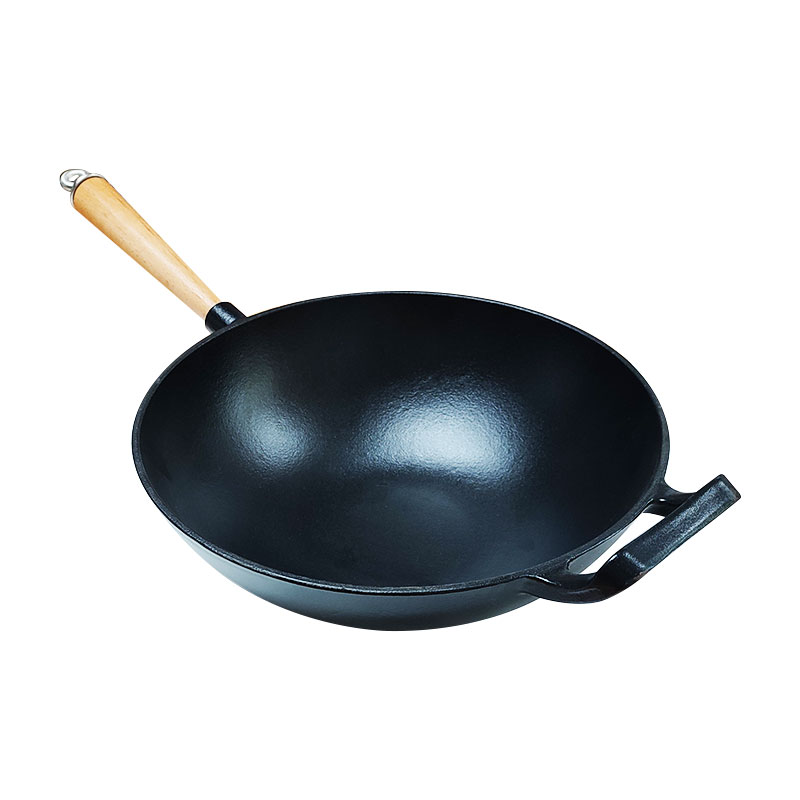
If you've ever tried authentic stir-fry, you know the magic a wok brings — the sizzle, the smoky aroma, the quick, high-heat cooking. The unsung hero here is often the material: chinese wok iron. But beyond the kitchen, this specialized form of iron has roots and implications that ripple through manufacturing, tradition, and even sustainability conversations globally. Why does it matter? Because understanding what makes chinese wok iron unique opens windows into heritage craftsmanship and modern industry alike. ---The Global Context: Why Chinese Wok Iron Still Holds a Unique Place
Iron has been the backbone of human development for millennia. However, the specific iron used in traditional Chinese woks combines centuries-old metallurgy with practical demands of cooking that remain very relevant today. According to the International Iron and Steel Institute, demand for specialty iron products like those found in woks remains steady despite shifts toward stainless steel and non-stick coatings. In tangible terms, the global cookware market is expected to surge past $19 billion by 2027 ([Statista](https://www.statista.com/statistics/1101436/cookware-market-size-worldwide/)), with cast and wrought iron cooking vessels maintaining a strong presence. The challenge? Balancing traditional materials’ durability and heat retention with modern calls for sustainability and easier cleaning. ---Defining Chinese Wok Iron
Simply put, chinese wok iron refers to highly durable, often carbon-rich iron specially crafted or selected to make woks that can withstand intense high heat, withstand seasoning, and promote even heat distribution. Unlike some modern cookware alloys, this iron is typically forged or pressed with less emphasis on corrosion-resistant additives but instead relies on tradition — seasoning and maintenance — to protect and enhance it. Interestingly, this material isn’t just valued for cooking. It connects to broader industrial needs: strong, heat-resistant iron with layered textures is sought after in certain manufacturing niches requiring thermal conduction combined with structural integrity. ---Durability: Built to Last (Decades, Not Just One Season)
One thing that stands out with chinese wok iron is its sheer ruggedness. Unlike Teflon-coated pans that degrade over months, these irons develop layers of seasoning that strengthen their surface. This self-reinforcing quality is quite ingenious — the more you use it properly, the better it gets. For many chefs and manufacturers, this means cost savings and lasting performance. ---Heat Efficiency and Distribution
Woks need to handle extreme temperature swings quickly. The iron used must not warp or crack under sudden heat and cool cycles. This specific chinese wok iron exhibits favorable thermal conductivity, allowing quick heating and excellent heat retention. The result? Food cooks evenly, and energy consumption tends to be lower because the pan stays hot longer. ---Eco-Friendly and Sustainable Properties
Iron is naturally recyclable and, unlike some modern materials, does not involve toxic chemicals in its basic form. Chinese wok iron's longevity means less frequent replacement, aligning well with sustainability goals. Plus, without chemical coatings to add to landfill burden, it’s a more environmentally sound choice. ---Cost Efficiency
Typically, cookware made from chinese wok iron is affordable, especially when considering its lifespan. You might pay more upfront for, say, stainless steel cookware, yet it could wear out faster or lose heat retention qualities. Traditional iron woks marry cost and performance elegantly, making them valuable for households and commercial kitchens alike. ---Global Applications and Real-World Use Cases
While its culinary fame is unquestionable, chinese wok iron also finds its place in related industries and locales where both thermal and mechanical robustness matter. - In Asian Culinary Arts: Across Asia, chefs swear by the robust feel and seasoning capacity of these woks. Restaurants in Hong Kong, Thailand, and Malaysia often rely on imported chinese wok iron models or locally forged equivalents. - Post-Disaster Kitchens: NGOs sometimes prefer iron cookware for rapid-deployment kitchens in disaster relief zones because iron woks withstand rough handling better than fragile alternatives. - Artisanal Crafts & Lightweight Industrial Components: Some small-scale manufacturers use sheets of similar iron for stamping durable parts where heat and wear resistance are key. Oddly enough, this age-old material still holds sway in digital-age farming communities, where traditional cooking meets modern supply chains. ---The Advantages and Long-Term Value of Chinese Wok Iron
Let's be frank — there’s something reassuring about a wok that’s been forged and handled by generations. These pans embody innovation that predates modern kitchen gadgets, yet still punch way above their weight class in performance. - Cost-Effective Durability: The long life span means fewer replacements and lower waste. - Sustainability: Iron as a material follows circular economy principles better than many composites. - Culinary Trust: Chefs report more reliable and flavorful cooking due to heat characteristics. - Safety and Health: Without synthetic coatings, the issues surrounding flaking surfaces are eliminated. Emotionally, cookware like this fosters a connection to culture and tradition that modern stainless alternatives don’t quite capture. I suppose this is part nostalgia, part genuine performance trust. ---Future Trends and Innovations in Chinese Wok Iron Technology
Listen, as the world pivots toward greener manufacturing, even traditional iron cooking vessels aren’t left out. - Improved Alloying: Modern blacksmiths experiment with subtle iron-carbon blends to reduce seasoning time and increase rust resistance. - Coatings from Nature: Some research explores natural oils and waxes derived sustainably, enhancing the performance without synthetic chemicals. - Smart Manufacturing: 3D printing and CNC machining are quietly entering the arena, enabling custom wok shapes while preserving core iron benefits. - Digital Integration: Sensors embedded in handles for heat monitoring are a radical but promising idea—to marry tradition with IoT. All of this suggests chinese wok iron will evolve, not vanish, in the next industrial era. ---Challenges and Practical Solutions
But let’s not sugarcoat it. Chinese wok iron does have its drawbacks. Some common complaints: - Rust Susceptibility: If neglected, the iron can corrode, especially in humid climates. - Weight: Iron woks are often heavier than aluminum or stainless varieties, which might discourage some users. - Maintenance: Requires seasoning and proper cleaning, not "set and forget." Solutions are emerging though: protective seasoning sprays, ergonomic handle innovations, and consumer education campaigns help users get over these hurdles. ---Practical FAQ About Chinese Wok Iron
- Q: How do I prevent my iron wok from rusting?
A: Regular seasoning with oil after cleaning creates a protective barrier. Avoid soaking it in water and dry thoroughly. Store in a dry place. - Q: Is chinese wok iron suitable for induction cooktops?
A: Absolutely. The iron’s magnetic properties make it perfect for induction heating, providing fast and even cooking. - Q: How long does a quality iron wok last?
A: With proper care, these woks can last decades, sometimes being handed down through generations. - Q: Can I use metal utensils with an iron wok?
A: Yes! Unlike non-stick pans, iron woks tolerate metal tools well, as seasoning protects the surface.
Specification Table: Typical Chinese Wok Iron Product
| Feature | Specification |
|---|---|
| Material Composition | High carbon wrought iron (typically 0.6-0.9% carbon) |
| Diameter | 14-inch (35.5 cm) common size |
| Wall Thickness | 2.5-3 mm |
| Weight | Approx. 1.8 kg (4 lbs) |
| Heat Retention | Excellent, suitable for high-heat cooking |
| Finish | Oil-seasoned, matte black patina after use |
Vendor Comparison: Popular Chinese Wok Iron Brands
| Vendor | Price Range | Average Weight | Customer Rating | Special Features |
|---|---|---|---|---|
| GoldenDragon Woks | $35–$50 | 1.7 kg | 4.6/5 | Pre-seasoned, ergonomic handle |
| IronChef Classics | $45–$65 | 2.0 kg | 4.8/5 | Hand-forged, balanced weight |
| DragonFire Wok Co. | $30–$45 | 1.5 kg | 4.3/5 | Budget-friendly, lightweight |
Wrapping It Up: The Timeless Value of Chinese Wok Iron
So, what’s the takeaway? Chinese wok iron is one of those rare materials that blend centuries of craftsmanship with practical, modern-day advantages. It’s durable, cost-effective, and sustainably sound — with a touch of culinary magic baked right into its heat-retaining body. Whether you’re a cooking enthusiast, a commercial chef, or an eco-conscious consumer, investing in a quality iron wok feels like buying a piece of history that keeps giving. Considering a new wok or exploring iron cookware for your kitchen? Check out detailed insights and trusted products at chinese wok iron vendors — because sometimes tradition is the best innovation. ---References:
1. International Iron & Steel Institute – Global Industry Data
2. Statista – Cookware Market Size Worldwide
3. Wikipedia – Cast Iron Cookware


2026-03-31 02:45:09
Elevate Your Outdoor Cooking with a Cast Iron Barbecue Experience
Are you ready to elevate your outdoor cooking experience? A cast iron barbecue offers unparalleled heat retention, even cooking, and a delicious smoky flavor that grills simply can't match. This article will explore the benefits of cast iron barbecues, how to choose the right one, proper care and maintenance, and delicious recipes to get you started. From seasoned grill masters to barbecue beginners, this guide has something for everyone.
2026-03-28 02:55:10
Discover the Benefits of Cast Iron and Grill Cookware for Delicious Meals
Cooking with cast iron and grill cookware has seen a massive resurgence in recent years, and for good reason. This method offers a unique combination of heat retention, even cooking, and versatility. Whether you’re searing a steak, baking a rustic pie, or simply enjoying a weeknight meal, understanding the benefits and proper use of these tools can elevate your culinary experience. This guide will explore everything from the advantages of cast iron and grill cookware to tips for seasoning, cleaning, and maintenance.
2026-03-26 02:45:13
Elevate Your Cooking with a Durable Cast Grill Pan for Restaurant Quality Meals
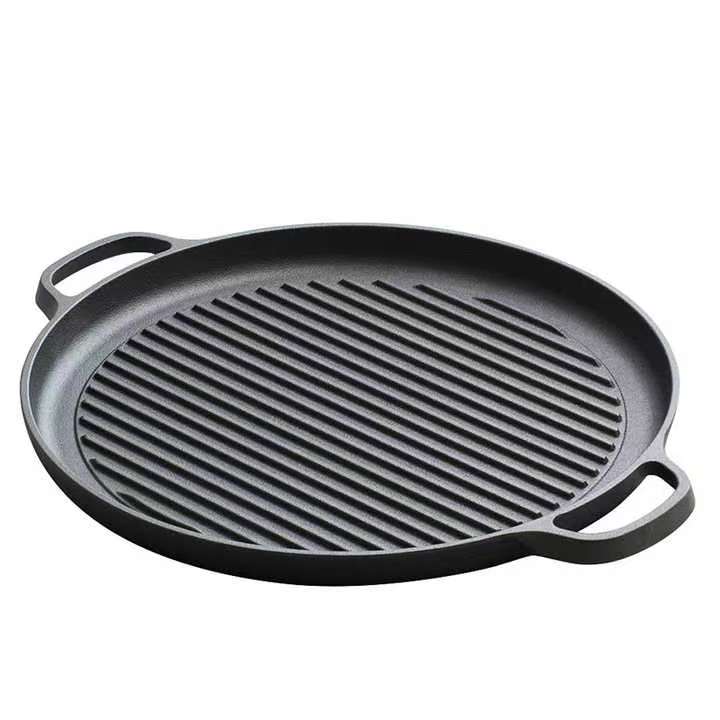
Looking to elevate your cooking game and achieve restaurant-quality results at home? A cast grill pan is a versatile kitchen essential. This guide dives deep into the benefits, uses, care, and how to choose the best cast grill pan for your needs. From searing steaks to grilling vegetables, a cast grill pan delivers exceptional heat retention and even cooking. Let’s explore why this pan should be a staple in every kitchen. Cast iron cookware, and specifically cast grill pans, have been prized by chefs and home cooks for centuries. The key lies in the material itself. Cast iron is renowned for its incredible heat retention, meaning it heats up slowly but stays hot for a long time, resulting in perfectly seared food. The weight of the pan also contributes to even heat distribution, eliminating hot spots. The raised ridges on a grill pan mimic the effect of an outdoor grill, creating those desirable grill marks and allowing fat to drain away, leading to healthier meals.
2026-03-24 02:55:07
Superior Cooking with Durable Cast Grill Grates for Enhanced Flavor
When it comes to grilling, the grate you use significantly impacts the flavor, texture, and overall cooking experience. Cast grill grates, known for their exceptional heat retention and durability, are a popular choice among both novice and experienced grillers. This article will explore the benefits of cast iron grill grates, different types available, care and maintenance tips, and factors to consider when making a purchase. We’ll help you understand why investing in quality cast grill grates can elevate your outdoor cooking. Cast grill grates offer several advantages over other materials like stainless steel or porcelain-coated grates. Primarily, cast iron boasts superior heat retention, ensuring consistent cooking temperatures even when grilling thicker cuts of meat. This even heat distribution minimizes hot spots and promotes more uniform cooking. Furthermore, cast iron naturally develops a non-stick patina over time with proper seasoning, reducing the likelihood of food sticking and making cleanup easier.
2026-03-21 02:45:09
Unlock Flavorful Outdoor Cooking with a Durable Cast Grill
Looking to elevate your outdoor cooking experience? A cast grill offers exceptional heat retention, versatility, and durability. This comprehensive guide will explore the benefits of cast iron grilling, how to choose the right grill, care and maintenance tips, delicious recipes, and why Debien Cookware offers some of the finest cast grill options available. Prepare to unlock a world of flavor and create unforgettable meals with the power of cast iron! A cast grill is essentially a grilling surface made from cast iron. This material is renowned for its superior heat retention, meaning it gets incredibly hot and stays hot, ensuring perfectly seared meats and evenly cooked vegetables. Unlike other grilling materials, cast iron distributes heat uniformly, eliminating hot spots. Its durability is another key advantage; a well-maintained cast grill can last for generations.
2026-03-19 02:45:14
Comprehensive Guide to Durable and Reliable Cast Grates for Various Applications
Cast grates are essential components in drainage systems, offering a robust and reliable solution for managing water flow in various applications. From landscaping and pedestrian areas to industrial settings, these grates play a crucial role in preventing flooding and maintaining safety. This article delves into the world of cast grates, exploring their materials, types, applications, and factors to consider when selecting the right grate for your needs. We'll also highlight how Debien Cookware's commitment to quality and durability translates to excellence in the production of these vital infrastructure elements. Understanding the intricacies of cast grates is key to ensuring efficient drainage and long-term performance. Cast grates are typically manufactured from cast iron, ductile iron, or steel. Cast iron is a traditional material, valued for its affordability and ease of casting. However, it can be brittle. Ductile iron offers improved strength and ductility, making it more resistant to cracking and impact. Steel grates are the strongest option, often used in heavy-duty applications, but are susceptible to corrosion if not properly treated.
2026-03-17 02:45:12
Choosing the Right Cast Charcoal Grill for Superior Outdoor Cooking
When it comes to outdoor cooking, a cast charcoal grill offers a unique and flavorful experience. From searing steaks to slow-cooking ribs, the versatility is unmatched. But with so many options available, selecting the perfect grill can be daunting. This article will explore the benefits of cast charcoal grills, key features to consider, and how to choose the best one for your needs. We’ll cover everything from construction materials to cooking capacity, helping you make an informed decision. Cast iron grills are renowned for their exceptional heat retention. This means they can reach and maintain high temperatures, perfect for searing meats and achieving that desirable char. They also distribute heat more evenly than many other grill materials, minimizing hot spots and ensuring consistent cooking. Several factors influence the performance and convenience of a cast charcoal grill. Cooking surface area is crucial – determine how much food you typically cook to choose an appropriately sized grill. Features like adjustable vents allow you to control airflow and temperature, giving you more precise cooking control.
2026-03-14 02:45:16
Choosing the Right Cast BBQ Grill for Superior Outdoor Cooking
When it comes to outdoor cooking, a cast BBQ grill offers unparalleled heat retention and a distinctive flavor profile. But with numerous options available, selecting the perfect grill can be daunting. This guide will explore the benefits of cast iron grilling, different types of cast BBQ grills, key features to consider, and how to choose the grill that best suits your cooking style and needs. We'll help you understand what makes Debien Cookware’s cast iron grills stand out in the market. Cast iron is renowned for its exceptional heat retention. This means a cast BBQ grill heats up evenly and stays hot for longer, creating perfect searing temperatures for steaks, burgers, and other meats. Unlike thinner grills, cast iron doesn’t have hot spots, ensuring consistent cooking results. Moreover, cast iron is naturally non-stick when properly seasoned, minimizing food sticking and making cleanup easier. The durability of cast iron is another key advantage—a well-maintained cast iron grill can last for generations.
Inquire Now for Cast Iron Cookware Deals
Please Fill Out The Form Below And Our Team Will Get Back To You With Pricing, Product Details, And Customization Options.

Debien is advancing with time, updating equipment, elaborately carving out our brand, focusing on developing high-end products, and actively responding to market demands with creativity.


QUICK LINKS
CONTACT US
Debien is advancing with time, updating equipment, elaborately carving out our brand, focusing on developing high-end products, and actively responding to market demands with creativity.
Copyright © 2026 HEBEI DEBIEN TECHNOLOGY CO., LTD. All Rights Reserved. Sitemap | Privacy Policy | Top Blog


