



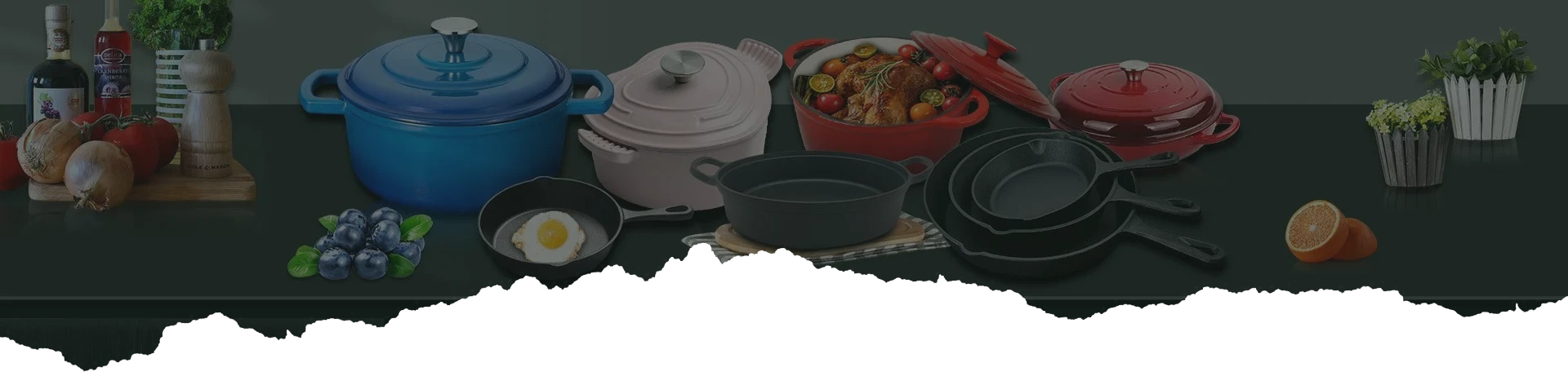

Cast Iron Wok Stove - Durable & Efficient Cooking Solutions Worldwide
Nov . 28, 2025 23:05
Understanding the Cast Iron Wok Stove: A Timeless Kitchen Workhorse
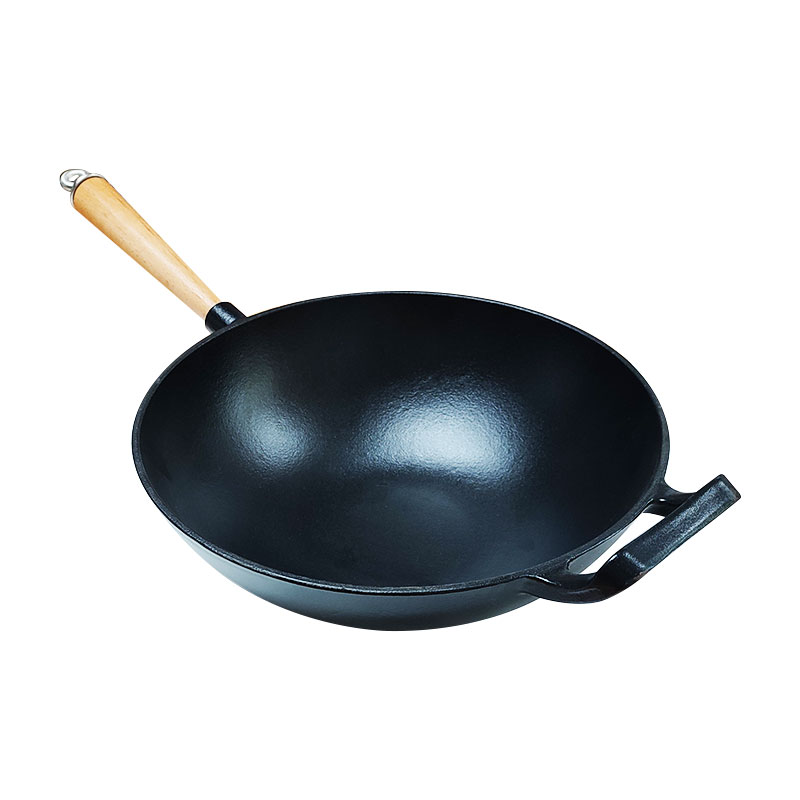
Globally, the cast iron wok stove remains a kitchen staple that’s as vital today as it was centuries ago. It’s not just about cooking up a storm with a classic wok—its durability, heat retention, and efficient design make it indispensable in countless households and commercial kitchens worldwide. Understanding this tool translates into appreciating how food culture, craftsmanship, and even industrial manufacturing converge in one heavy, sturdy package.
Why does it matter? Well, when you think about regions in Southeast Asia, Africa, and beyond—places where efficient heat use and reliable cooking tools make a big difference in daily life—a cast iron wok stove doesn’t just serve food; it serves community, health, and economy.
Global Context: How the Cast Iron Wok Stove Fits Into Our Kitchens and Economies
The global cast iron cookware market is growing steadily, with major contributions from traditional Asian cooking methods emphasizing woks combined with robust stove designs. According to the World Bank, over 3 billion people globally rely on solid-fuel stoves for cooking, many of which are cast iron based for their efficiency and longevity.1 Meanwhile, ISO standards for cookware materials ensure these stoves meet durability and safety requirements even in challenging environments.
One major challenge the cast iron wok stove addresses is energy efficiency. Traditional open fires waste valuable heat and contribute to pollution. In response, modern cast iron wok stoves optimize combustion, reduce smoke emissions, and provide consistent heat control, which saves fuel and improves health outcomes in densely populated areas.
What Exactly Is a Cast Iron Wok Stove?
Simply put, a cast iron wok stove is a cooking platform designed to hold a wok over a consistent heat source, usually fueled by gas, charcoal, or wood. Its defining feature is heavy-duty cast iron construction that evenly distributes heat while resisting wear and corrosion.
At the intersection of tradition and modernity, these stoves adapt to meet humanitarian needs—especially in refugee camps and rural communities—providing a safe, reliable cooking solution where electricity or modern fuel sources might not be available.
Key Components of a Cast Iron Wok Stove
1. Durability
Cast iron’s rugged nature means these stoves withstand high temperatures, knocks, and years of use without warping. In real terms, they often outlast the kitchens they're installed in.
2. Heat Retention & Distribution
A cast iron wok stove absorbs and radiates heat consistently, which is crucial for stir-frying and quick, high-heat cooking. It avoids hotspots, making every bite cooked to perfection.
3. Fuel Compatibility
Modern models are engineered to work with multiple fuels—natural gas, propane, charcoal, or biomass—broadening their use across diverse geographic and economic contexts.
4. Cost Efficiency
While the upfront cost may feel weighty, their long lifespan equates to saving money on replacements and fuel due to efficient heat usage.
5. Safety Features
These stoves often include elements like flame guards and stable bases to reduce accidents, an especially important factor in crowded kitchens or relief camps.
Cast Iron Wok Stove: Where and How It’s Used Around the World
In bustling street food stalls across Thailand and Vietnam, the sizzle from a wok placed on a cast iron stove defines the city’s rhythm. Meanwhile, in rural Africa and South America, it’s the backbone of family meals and community gatherings.
In industrial zones and refugee camps, organizations like the UN and NGOs often distribute these stoves for their reliability, fuel efficiency, and ease of use—for instance, in emergency kitchens after natural disasters or ongoing humanitarian crises.2
| Region | Typical Use | Fuel Source | Common Benefits |
|---|---|---|---|
| Southeast Asia | Street food markets, home kitchens | Gas, charcoal | Fast heat, durability |
| Sub-Saharan Africa | Community cooking, refugee camps | Wood, biomass | Fuel efficiency, safety |
| Latin America | Small restaurants, home use | Propane, gas | Longevity, even heat |
Why Choose a Cast Iron Wok Stove? The Value Beyond Cooking
- Cost Savings: Less fuel wasted means money stays in your pocket.
- Sustainability: Cast iron’s longevity helps reduce waste and carbon footprints.
- Safety: Stable build reduces risks of burns and accidents.
- Cultural Integrity: Supports traditional cooking styles without compromise.
- Trust: Many chefs and households swear by them for consistent performance.
Frankly, there’s something reassuring about raw, reliable cast iron that plastic or flimsy alloys just can’t replicate. It’s like a trusty old friend in the kitchen that doesn’t let you down.
Future Trends Shaping the Cast Iron Wok Stove Market
Innovation hasn’t left these stoves behind. Oddly enough, while cast iron itself remains classic, manufacturers are integrating:
- More sustainable, low-smoke burners and adjustable flame controls.
- Smart sensors and IoT devices to monitor temperature and fuel usage remotely.
- Hybrid fuel options combining gas and biomass to reduce emissions.
- Lighter alloys blended with cast iron for easier transport without compromising heat retention.
As governments push for greener kitchen technologies, especially in vulnerable communities, these trends will fuel growth and customization of cast iron wok stoves even further.
Common Challenges and How Experts Are Addressing Them
Of course, these stoves aren’t perfect. They’re heavy — not the best for fragile rural environments where portability matters. Some models require periodic seasoning to maintain the non-stick surface. Inefficient combustion with old designs can lead to smoke inhalation hazards.
But solutions are emerging:
- Material Science Advances: Coatings to reduce weight and eliminate rust.
- Design Tweaks: Improved airflow for cleaner combustion.
- Community Training: Ensuring users maintain and operate stoves properly.
These fix-it approaches are a reminder that even the most timeless tech needs a bit of evolving TLC.
Frequently Asked Questions About Cast Iron Wok Stove
- What makes a cast iron wok stove better than other types of stoves?
- Its durability, superior heat retention, and ability to distribute heat evenly make it ideal for high-temperature, wok-style cooking. It also suits diverse fuels, adding versatility.
- How long can a cast iron wok stove typically last?
- With proper maintenance, these stoves can last 20 years or more, often outperforming many modern alternatives in terms of longevity.
- Can you use any kind of fuel with a cast iron wok stove?
- Not every model, but many are designed for compatibility with gas, charcoal, wood, and biomass, making them flexible in different settings.
- Is cast iron stove maintenance difficult?
- Seasoning the iron occasionally and avoiding rust are key. Basic cleaning and drying after use usually suffice to keep a stove in top shape.
- Where can I safely buy a cast iron wok stove?
- Check specialized cookware vendors, local Asian markets, or reliable online retailers. For professional use, certified suppliers are best.
Product Specification Table: Typical Cast Iron Wok Stove Model
| Feature | Details |
|---|---|
| Material | Cast Iron with enamel coating |
| Dimensions | 450mm x 450mm x 200mm (WxDxH) |
| Weight | 13 kg |
| Fuel Type Compatibility | Gas, charcoal, biomass |
| Heat Output | Up to 20,000 BTU/hr |
| Safety Features | Flame guard, anti-slip base |
Vendor Comparison: Popular Cast Iron Wok Stove Suppliers
| Vendor | Price Range | Fuel Types | Warranty | Notable Feature |
|---|---|---|---|---|
| Debien Cookware | $150-250 | Gas, charcoal | 5 years | Eco-friendly burners |
| IronChef Supplies | $180-300 | Gas, biomass | 3 years | Lightweight alloy mix |
| Heritage Kitchenwares | $120-220 | Charcoal, wood | 4 years | Traditional style with modern safety |
Final Reflections
At the end of the day, the cast iron wok stove is a unique blend of history, engineering, and cultural significance. It’s a kitchen champion that goes beyond mere cooking. From fuel efficiency to durability, it’s kind of the unsung hero in global food culture and humanitarian contexts.
If you’re looking to invest or upgrade your kitchen arsenal with something both time-tested and forward-thinking, exploring options around cast iron wok stoves could be worth your while.
Check out detailed models and buy certified units at reliable vendors — your next cooking adventure deserves the right foundation.
1. World Bank - Energy & Poverty: worldbank.org/en/topic/energy
2. Wikipedia - Humanitarian Aid: wikipedia.org/wiki/Humanitarian_aid
3. ISO Standards for Cookware Materials - ISO.org (for context)


2026-03-31 02:45:09
Elevate Your Outdoor Cooking with a Cast Iron Barbecue Experience
Are you ready to elevate your outdoor cooking experience? A cast iron barbecue offers unparalleled heat retention, even cooking, and a delicious smoky flavor that grills simply can't match. This article will explore the benefits of cast iron barbecues, how to choose the right one, proper care and maintenance, and delicious recipes to get you started. From seasoned grill masters to barbecue beginners, this guide has something for everyone.
2026-03-28 02:55:10
Discover the Benefits of Cast Iron and Grill Cookware for Delicious Meals
Cooking with cast iron and grill cookware has seen a massive resurgence in recent years, and for good reason. This method offers a unique combination of heat retention, even cooking, and versatility. Whether you’re searing a steak, baking a rustic pie, or simply enjoying a weeknight meal, understanding the benefits and proper use of these tools can elevate your culinary experience. This guide will explore everything from the advantages of cast iron and grill cookware to tips for seasoning, cleaning, and maintenance.
2026-03-26 02:45:13
Elevate Your Cooking with a Durable Cast Grill Pan for Restaurant Quality Meals
Looking to elevate your cooking game and achieve restaurant-quality results at home? A cast grill pan is a versatile kitchen essential. This guide dives deep into the benefits, uses, care, and how to choose the best cast grill pan for your needs. From searing steaks to grilling vegetables, a cast grill pan delivers exceptional heat retention and even cooking. Let’s explore why this pan should be a staple in every kitchen. Cast iron cookware, and specifically cast grill pans, have been prized by chefs and home cooks for centuries. The key lies in the material itself. Cast iron is renowned for its incredible heat retention, meaning it heats up slowly but stays hot for a long time, resulting in perfectly seared food. The weight of the pan also contributes to even heat distribution, eliminating hot spots. The raised ridges on a grill pan mimic the effect of an outdoor grill, creating those desirable grill marks and allowing fat to drain away, leading to healthier meals.
2026-03-24 02:55:07
Superior Cooking with Durable Cast Grill Grates for Enhanced Flavor
When it comes to grilling, the grate you use significantly impacts the flavor, texture, and overall cooking experience. Cast grill grates, known for their exceptional heat retention and durability, are a popular choice among both novice and experienced grillers. This article will explore the benefits of cast iron grill grates, different types available, care and maintenance tips, and factors to consider when making a purchase. We’ll help you understand why investing in quality cast grill grates can elevate your outdoor cooking. Cast grill grates offer several advantages over other materials like stainless steel or porcelain-coated grates. Primarily, cast iron boasts superior heat retention, ensuring consistent cooking temperatures even when grilling thicker cuts of meat. This even heat distribution minimizes hot spots and promotes more uniform cooking. Furthermore, cast iron naturally develops a non-stick patina over time with proper seasoning, reducing the likelihood of food sticking and making cleanup easier.
2026-03-21 02:45:09
Unlock Flavorful Outdoor Cooking with a Durable Cast Grill
Looking to elevate your outdoor cooking experience? A cast grill offers exceptional heat retention, versatility, and durability. This comprehensive guide will explore the benefits of cast iron grilling, how to choose the right grill, care and maintenance tips, delicious recipes, and why Debien Cookware offers some of the finest cast grill options available. Prepare to unlock a world of flavor and create unforgettable meals with the power of cast iron! A cast grill is essentially a grilling surface made from cast iron. This material is renowned for its superior heat retention, meaning it gets incredibly hot and stays hot, ensuring perfectly seared meats and evenly cooked vegetables. Unlike other grilling materials, cast iron distributes heat uniformly, eliminating hot spots. Its durability is another key advantage; a well-maintained cast grill can last for generations.
2026-03-19 02:45:14
Comprehensive Guide to Durable and Reliable Cast Grates for Various Applications
Cast grates are essential components in drainage systems, offering a robust and reliable solution for managing water flow in various applications. From landscaping and pedestrian areas to industrial settings, these grates play a crucial role in preventing flooding and maintaining safety. This article delves into the world of cast grates, exploring their materials, types, applications, and factors to consider when selecting the right grate for your needs. We'll also highlight how Debien Cookware's commitment to quality and durability translates to excellence in the production of these vital infrastructure elements. Understanding the intricacies of cast grates is key to ensuring efficient drainage and long-term performance. Cast grates are typically manufactured from cast iron, ductile iron, or steel. Cast iron is a traditional material, valued for its affordability and ease of casting. However, it can be brittle. Ductile iron offers improved strength and ductility, making it more resistant to cracking and impact. Steel grates are the strongest option, often used in heavy-duty applications, but are susceptible to corrosion if not properly treated.
2026-03-17 02:45:12
Choosing the Right Cast Charcoal Grill for Superior Outdoor Cooking
When it comes to outdoor cooking, a cast charcoal grill offers a unique and flavorful experience. From searing steaks to slow-cooking ribs, the versatility is unmatched. But with so many options available, selecting the perfect grill can be daunting. This article will explore the benefits of cast charcoal grills, key features to consider, and how to choose the best one for your needs. We’ll cover everything from construction materials to cooking capacity, helping you make an informed decision. Cast iron grills are renowned for their exceptional heat retention. This means they can reach and maintain high temperatures, perfect for searing meats and achieving that desirable char. They also distribute heat more evenly than many other grill materials, minimizing hot spots and ensuring consistent cooking. Several factors influence the performance and convenience of a cast charcoal grill. Cooking surface area is crucial – determine how much food you typically cook to choose an appropriately sized grill. Features like adjustable vents allow you to control airflow and temperature, giving you more precise cooking control.
2026-03-14 02:45:16
Choosing the Right Cast BBQ Grill for Superior Outdoor Cooking
When it comes to outdoor cooking, a cast BBQ grill offers unparalleled heat retention and a distinctive flavor profile. But with numerous options available, selecting the perfect grill can be daunting. This guide will explore the benefits of cast iron grilling, different types of cast BBQ grills, key features to consider, and how to choose the grill that best suits your cooking style and needs. We'll help you understand what makes Debien Cookware’s cast iron grills stand out in the market. Cast iron is renowned for its exceptional heat retention. This means a cast BBQ grill heats up evenly and stays hot for longer, creating perfect searing temperatures for steaks, burgers, and other meats. Unlike thinner grills, cast iron doesn’t have hot spots, ensuring consistent cooking results. Moreover, cast iron is naturally non-stick when properly seasoned, minimizing food sticking and making cleanup easier. The durability of cast iron is another key advantage—a well-maintained cast iron grill can last for generations.
Inquire Now for Cast Iron Cookware Deals
Please Fill Out The Form Below And Our Team Will Get Back To You With Pricing, Product Details, And Customization Options.

Debien is advancing with time, updating equipment, elaborately carving out our brand, focusing on developing high-end products, and actively responding to market demands with creativity.


QUICK LINKS
CONTACT US
Debien is advancing with time, updating equipment, elaborately carving out our brand, focusing on developing high-end products, and actively responding to market demands with creativity.
Copyright © 2026 HEBEI DEBIEN TECHNOLOGY CO., LTD. All Rights Reserved. Sitemap | Privacy Policy | Top Blog


