




Cast Iron Wok in Chinese: Tradition Meets Modern Cookware Innovation | Debien Cookware
Nov . 28, 2025 17:00
Understanding the Cast Iron Wok in Chinese Culture and Industry
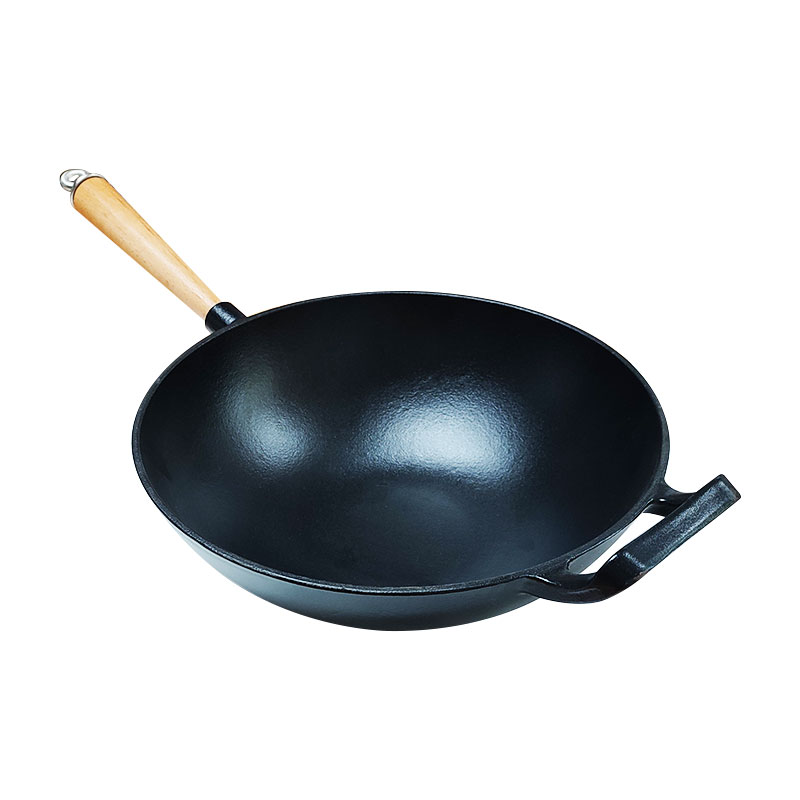
The cast iron wok in Chinese culinary tradition is much more than just a cooking vessel. Globally recognized and used, it embodies centuries of craftsmanship, high heat efficiency, and versatile cooking capabilities. But why does this humble piece of cookware matter beyond kitchens? For one, it reflects sustainable production methods, durability, and an industry adapting to modern demands. Knowing how a cast iron wok in Chinese context is crafted, selected, and utilized unlocks insights into industrial design, cultural heritage, and even practical global cooking trends.
Mini Takeaway: The cast iron wok combines traditional Chinese craft with global industrial relevance, illustrating a mashup of culture and innovation.
Global Importance of the Cast Iron Wok in Chinese Cookware
It’s fascinating that despite globalization, some tools remain deeply anchored in cultural identity. According to the United Nations' Food and Agriculture Organization (FAO), traditional cooking implements like the cast iron wok remain central in food preparation for over 1.6 billion people worldwide. China, of course, leads production and consumption. But the cast iron wok’s qualities – such as heat retention and durability – have made it popular beyond Asia, driving demand and adaptation worldwide.
In today’s industrial landscape, producing cast iron cookware aligns with ISO 9001 quality standards, marking an emphasis on reliability. Yet a global challenge exists: how to keep this traditional craft sustainable, affordable, and scalable without losing authenticity — especially as competitive materials like aluminum or carbon steel try to steal market share.
Mini Takeaway: Worldwide, cast iron woks symbolize enduring tradition amidst modern challenges of sustainability and evolving cookware technologies.
What Is a Cast Iron Wok in Chinese? A Simple Definition
Simply put, a cast iron wok (in Chinese, 铸铁炒锅, "zhù tiě chǎo guō") refers to a deep, round-bottomed pan made from cast iron, designed specifically for stir-frying, steaming, searing, and more. The cast iron heats evenly and retains heat longer compared to other metals, which makes it ideal for the high-heat, quick motions typical of Chinese cooking. Its connection with today's industry involves high-precision casting techniques and quality assurance to ensure long-lasting durability and non-stick seasoning over time.
Beyond cooking, the wok's manufacturing process supports the iron foundry industries, linking traditional craftsmanship with modern industrial materials engineering. The practical angle: These woks last decades if maintained well, reducing waste and repeated purchase—an eco-friendly factor in our throwaway culture.
Key Features of the Cast Iron Wok
1. Durability
Cast iron woks are famously robust. They can withstand very high temperatures and rough handling, which you rarely see with thinner, cheaper alloys. This means chefs and home cooks alike enjoy a tool that can last a lifetime – or even longer.
2. Heat Retention and Distribution
One of the main advantages — which many users swear by — is how the cast iron distributes heat evenly while holding onto that heat, perfect for low-and-slow cooking or rapid stir-fry bursts. That translates to better flavor development and consistent cooking results.
3. Natural Seasoning
Unlike stainless steel or aluminum, a cast iron wok develops a natural nonstick layer when seasoned properly. The seasoned wok becomes less sticky and even enhances the flavor of dishes over time — a bit like a good wine, improving with age...
4. Weight and Stability
Yes, it can be heavy (weighing 3–5 kg typically), but that weight equals stability on a gas or electric stove. It won’t tip easily, an underrated safety feature, especially in busy kitchens.
5. Cost Efficiency
Because these woks last so long, the relative cost works out well compared to cheap alternatives. Initial price might feel high, but longevity and performance deliver true value.
6. Versatility
Besides obvious frying, these woks do a remarkable job for steaming, boiling, and even deep frying. I’ve seen woks used creatively by BBQ enthusiasts for grilling or roasting indoors.
| Specification | Typical Details |
|---|---|
| Material | Cast iron (high-quality molten iron with carbon) |
| Diameter | 10 to 14 inches (25 to 35 cm) |
| Weight | 3 to 5 kg (6.6 to 11 lbs) |
| Handle | Wood or cast iron side handles for balance |
| Surface Finish | Pre-seasoned or raw (requires initial seasoning) |
| Heat Source Compatibility | Gas, electric, induction (with flat bottom options) |
Mini Takeaway: When you invest in a cast iron wok in Chinese style, you’re buying a multi-purpose tool with quality built to last decades and adapt to many cooking types.
Where and How Are Cast Iron Woks Used Globally?
While the cast iron wok’s roots lay firmly in Chinese kitchens, its influence has spread even into Western homes, culinary schools, and professional restaurant chains that want that authentic wok hei — the smoky, charred flavor only high heat stir-fry can create. In Asia, besides China, countries like Vietnam, Thailand, and Malaysia utilize similar woks in both street food and home kitchens.
Industrially, manufacturers in Guangdong province export millions annually — tapping into traditional crafting blended with modern production lines. In post-disaster relief camps, where cooking infrastructure can be rough or limited, cast iron woks’ durability stands out. NGOs appreciate them for reliability, simplicity, and energy efficiency.
For example, in remote farms or eco-lodges across Southeast Asia, the cast iron wok is preferred for its versatility, easy maintenance, and fuel-saving properties.
Comparison of Leading Cast Iron Wok Vendors
| Vendor | Material Quality | Price Range | Pre-seasoned Feature | Global Shipping |
|---|---|---|---|---|
| Debien Cookware | Premium cast iron, strict quality control | $35 - $75 | Yes, fully pre-seasoned | Yes, worldwide |
| Lodge | American cast iron, heavy gauge | $30 - $65 | Yes | Limited regions |
| Joyce Chen | Chinese-style cast iron, traditional design | $40 - $80 | No (raw, requiring seasoning) | Mainly North America |
Why Choose a Cast Iron Wok? Benefits & Long-Term Value
- Cost-Effective Longevity: Unlike many kitchen items that wear out quickly, a cast iron wok can become a cherished heirloom.
- Sustainability: Reduced waste, less frequent replacement, and an eco-friendly manufacturing cycle.
- Trust & Safety: With proper care, it offers safe cooking without chemical coatings.
- Flavor Enhancement: The layering of seasoning improves food taste over time, something no synthetic pan replicates.
- Cultural & Emotional Connection: Owning and using a cast iron wok in Chinese style evokes connection to tradition and authenticity, which resonates emotionally for many cooks.
Looking Ahead: Trends in Cast Iron Wok Manufacturing
Industry sources suggest shifts toward green foundry processes, reducing carbon emissions in casting. Advances in digital temperature control for seasoning promise consistent non-stick surfaces. There’s also a budding trend of induction-compatible flat-bottom cast iron woks to suit modern kitchens. Automation, 3D scanning for quality control, and enhanced ergonomic handles are gaining traction.
Oddly enough, the intersection of ancient tools and cutting edge technology encapsulates the cast iron wok’s future – marrying timeless nature with modern convenience and responsibility.
Common Challenges & How to Overcome Them
Heavy weight, initial seasoning learning curve, and slow heating time can deter novices. But these are easily conquered. For example, pre-seasoned options remove the hassle of the first setup. Lighter-weight casting methods and improved design help reduce bulk. Proper education — including cast iron wok in chinese care guides — empowers users quickly.
Frequently Asked Questions About Cast Iron Wok in Chinese Cookware
- Q: How do I maintain the seasoning on my cast iron wok?
- A: After each use, rinse with hot water without soap, dry immediately, and apply a thin layer of oil while warm. Avoid soaking or dishwasher use to preserve the seasoning layer.
- Q: Can I use my cast iron wok on induction cooktops?
- A: Traditional round-bottom woks might not be induction-friendly but many manufacturers offer flat-bottom versions of the cast iron wok specifically designed for induction use.
- Q: Is cast iron better than carbon steel for woks?
- A: Cast iron retains heat longer and is heavier, providing a different cooking experience. Carbon steel is lighter and heats faster but less evenly. The choice depends on cooking style and preference.
- Q: What does pre-seasoned mean, and is it necessary?
- A: Pre-seasoned means the wok has been treated with oil and heated to create a natural, protective nonstick layer. It’s not mandatory but saves beginners some initial prep time.
- Q: Are cast iron woks eco-friendly?
- A: Yes, due to their durability and minimal chemical treatments. Properly maintained cast iron woks reduce waste from frequent replacement, aligning with sustainability goals.
In Conclusion
The cast iron wok in chinese is a magnificent blend of tradition, industrial know-how, and practical function. Its benefits – from exceptional heat performance to unmatched durability and sustainable design – remain relevant globally. Whether you’re a passionate home cook or a restaurant pro, investing in a quality cast iron wok means decades of perfect stir-fries, rich flavors, and a connection to a rich cultural heritage that’s truly worth celebrating.
Ready to experience authentic Chinese cooking with a trusted cast iron wok? Visit Debien Cookware to explore our premium selection.
References:
1. Wikipedia - Wok
2. FAO Food and Agriculture Organization
3. ISO 9001 Standards


2026-03-31 02:45:09
Elevate Your Outdoor Cooking with a Cast Iron Barbecue Experience
Are you ready to elevate your outdoor cooking experience? A cast iron barbecue offers unparalleled heat retention, even cooking, and a delicious smoky flavor that grills simply can't match. This article will explore the benefits of cast iron barbecues, how to choose the right one, proper care and maintenance, and delicious recipes to get you started. From seasoned grill masters to barbecue beginners, this guide has something for everyone.
2026-03-28 02:55:10
Discover the Benefits of Cast Iron and Grill Cookware for Delicious Meals
Cooking with cast iron and grill cookware has seen a massive resurgence in recent years, and for good reason. This method offers a unique combination of heat retention, even cooking, and versatility. Whether you’re searing a steak, baking a rustic pie, or simply enjoying a weeknight meal, understanding the benefits and proper use of these tools can elevate your culinary experience. This guide will explore everything from the advantages of cast iron and grill cookware to tips for seasoning, cleaning, and maintenance.
2026-03-26 02:45:13
Elevate Your Cooking with a Durable Cast Grill Pan for Restaurant Quality Meals
Looking to elevate your cooking game and achieve restaurant-quality results at home? A cast grill pan is a versatile kitchen essential. This guide dives deep into the benefits, uses, care, and how to choose the best cast grill pan for your needs. From searing steaks to grilling vegetables, a cast grill pan delivers exceptional heat retention and even cooking. Let’s explore why this pan should be a staple in every kitchen. Cast iron cookware, and specifically cast grill pans, have been prized by chefs and home cooks for centuries. The key lies in the material itself. Cast iron is renowned for its incredible heat retention, meaning it heats up slowly but stays hot for a long time, resulting in perfectly seared food. The weight of the pan also contributes to even heat distribution, eliminating hot spots. The raised ridges on a grill pan mimic the effect of an outdoor grill, creating those desirable grill marks and allowing fat to drain away, leading to healthier meals.
2026-03-24 02:55:07
Superior Cooking with Durable Cast Grill Grates for Enhanced Flavor
When it comes to grilling, the grate you use significantly impacts the flavor, texture, and overall cooking experience. Cast grill grates, known for their exceptional heat retention and durability, are a popular choice among both novice and experienced grillers. This article will explore the benefits of cast iron grill grates, different types available, care and maintenance tips, and factors to consider when making a purchase. We’ll help you understand why investing in quality cast grill grates can elevate your outdoor cooking. Cast grill grates offer several advantages over other materials like stainless steel or porcelain-coated grates. Primarily, cast iron boasts superior heat retention, ensuring consistent cooking temperatures even when grilling thicker cuts of meat. This even heat distribution minimizes hot spots and promotes more uniform cooking. Furthermore, cast iron naturally develops a non-stick patina over time with proper seasoning, reducing the likelihood of food sticking and making cleanup easier.
2026-03-21 02:45:09
Unlock Flavorful Outdoor Cooking with a Durable Cast Grill
Looking to elevate your outdoor cooking experience? A cast grill offers exceptional heat retention, versatility, and durability. This comprehensive guide will explore the benefits of cast iron grilling, how to choose the right grill, care and maintenance tips, delicious recipes, and why Debien Cookware offers some of the finest cast grill options available. Prepare to unlock a world of flavor and create unforgettable meals with the power of cast iron! A cast grill is essentially a grilling surface made from cast iron. This material is renowned for its superior heat retention, meaning it gets incredibly hot and stays hot, ensuring perfectly seared meats and evenly cooked vegetables. Unlike other grilling materials, cast iron distributes heat uniformly, eliminating hot spots. Its durability is another key advantage; a well-maintained cast grill can last for generations.
2026-03-19 02:45:14
Comprehensive Guide to Durable and Reliable Cast Grates for Various Applications
Cast grates are essential components in drainage systems, offering a robust and reliable solution for managing water flow in various applications. From landscaping and pedestrian areas to industrial settings, these grates play a crucial role in preventing flooding and maintaining safety. This article delves into the world of cast grates, exploring their materials, types, applications, and factors to consider when selecting the right grate for your needs. We'll also highlight how Debien Cookware's commitment to quality and durability translates to excellence in the production of these vital infrastructure elements. Understanding the intricacies of cast grates is key to ensuring efficient drainage and long-term performance. Cast grates are typically manufactured from cast iron, ductile iron, or steel. Cast iron is a traditional material, valued for its affordability and ease of casting. However, it can be brittle. Ductile iron offers improved strength and ductility, making it more resistant to cracking and impact. Steel grates are the strongest option, often used in heavy-duty applications, but are susceptible to corrosion if not properly treated.
2026-03-17 02:45:12
Choosing the Right Cast Charcoal Grill for Superior Outdoor Cooking
When it comes to outdoor cooking, a cast charcoal grill offers a unique and flavorful experience. From searing steaks to slow-cooking ribs, the versatility is unmatched. But with so many options available, selecting the perfect grill can be daunting. This article will explore the benefits of cast charcoal grills, key features to consider, and how to choose the best one for your needs. We’ll cover everything from construction materials to cooking capacity, helping you make an informed decision. Cast iron grills are renowned for their exceptional heat retention. This means they can reach and maintain high temperatures, perfect for searing meats and achieving that desirable char. They also distribute heat more evenly than many other grill materials, minimizing hot spots and ensuring consistent cooking. Several factors influence the performance and convenience of a cast charcoal grill. Cooking surface area is crucial – determine how much food you typically cook to choose an appropriately sized grill. Features like adjustable vents allow you to control airflow and temperature, giving you more precise cooking control.
2026-03-14 02:45:16
Choosing the Right Cast BBQ Grill for Superior Outdoor Cooking
When it comes to outdoor cooking, a cast BBQ grill offers unparalleled heat retention and a distinctive flavor profile. But with numerous options available, selecting the perfect grill can be daunting. This guide will explore the benefits of cast iron grilling, different types of cast BBQ grills, key features to consider, and how to choose the grill that best suits your cooking style and needs. We'll help you understand what makes Debien Cookware’s cast iron grills stand out in the market. Cast iron is renowned for its exceptional heat retention. This means a cast BBQ grill heats up evenly and stays hot for longer, creating perfect searing temperatures for steaks, burgers, and other meats. Unlike thinner grills, cast iron doesn’t have hot spots, ensuring consistent cooking results. Moreover, cast iron is naturally non-stick when properly seasoned, minimizing food sticking and making cleanup easier. The durability of cast iron is another key advantage—a well-maintained cast iron grill can last for generations.
Inquire Now for Cast Iron Cookware Deals
Please Fill Out The Form Below And Our Team Will Get Back To You With Pricing, Product Details, And Customization Options.

Debien is advancing with time, updating equipment, elaborately carving out our brand, focusing on developing high-end products, and actively responding to market demands with creativity.


QUICK LINKS
CONTACT US
Debien is advancing with time, updating equipment, elaborately carving out our brand, focusing on developing high-end products, and actively responding to market demands with creativity.
Copyright © 2026 HEBEI DEBIEN TECHNOLOGY CO., LTD. All Rights Reserved. Sitemap | Privacy Policy | Top Blog


