



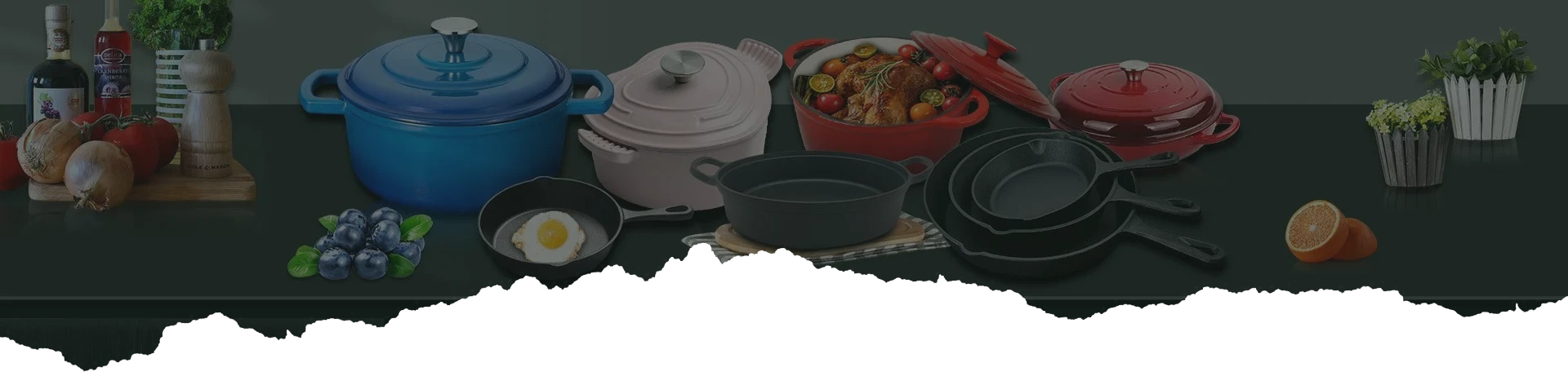

Cast Iron Wok for Induction Hob – Durable, Efficient, & Traditional Cooking Meets Modern Tech
Nov . 28, 2025 15:25
Cast Iron Wok for Induction Hob: Why It Matters Globally
At first glance, a cast iron wok might just seem like another kitchen utensil. But when paired with modern induction hobs, this traditional cookware transforms into a powerhouse of cooking efficiency and heat retention. Globally, as induction cooking gains momentum—especially in dense urban environments where safety, energy efficiency, and speed are priorities—the demand for compatible cookware like cast iron woks surges. Understanding their benefits helps chefs, home cooks, and even humanitarian kitchens optimize cooking with less energy and better consistency.
Introduction: The Rising Global Appeal of Cast Iron Woks on Induction Hobs
Cooking technology is evolving fast. According to the International Energy Agency (IEA), induction cooktops have increased in household adoption by roughly 14% annually worldwide since 2015, largely due to their energy efficiency and safety benefits compared to gas stoves. Meanwhile, cast iron remains a favorite for cookware due to its durability and heat retention, especially in professional kitchens in Asia and Europe.
Yet, the combination isn’t without challenges. Cast iron's weight and surface irregularities sometimes cause compatibility or safety issues on induction hobs. This makes the “cast iron wok for induction hob” a topic of practical importance that merges tradition with innovation.
Mini takeaway:
The cast iron wok meets the induction hob’s precise cooking demands, bridging old-school durability with new-world energy needs.
What Exactly is a Cast Iron Wok for Induction Hob?
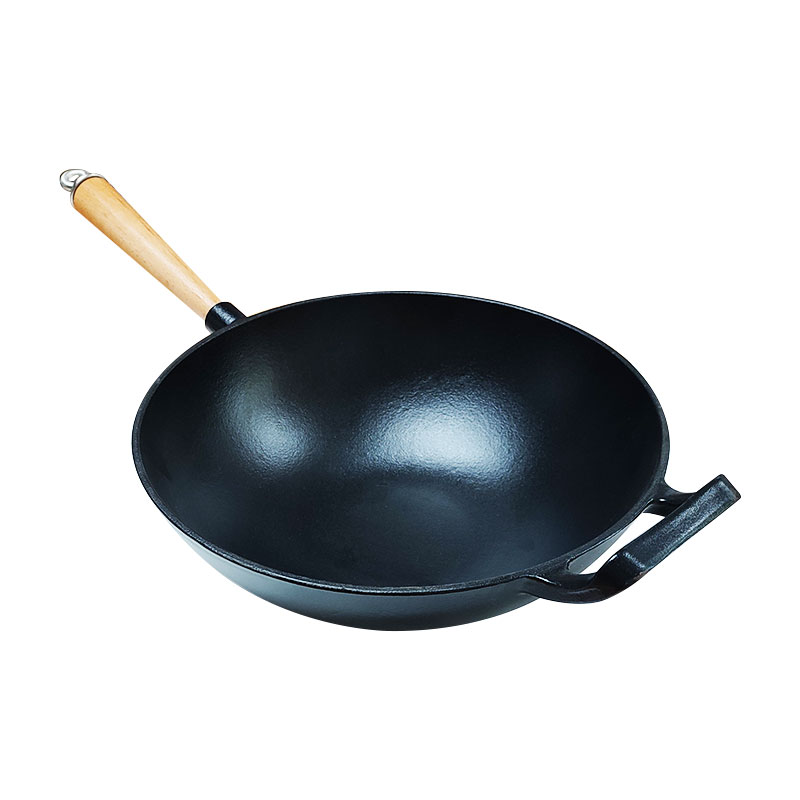
A cast iron wok made specifically for induction hob use is a heavy, thick-bottomed pan traditionally designed for stir-frying but adapted to work efficiently with electromagnetic cooktops. Unlike standard woks with round bottoms, these usually have a flat base, enhancing direct contact with the induction surface for quicker, more even heat transfer.
This cookware embodies a modern approach to culinary needs — marrying the classic Asian cooking style with the technical requirements of induction technology. Cast iron's magnetic properties make it naturally compatible with induction, but the design nuances ensure safety and usability.
Key Features Driving the Popularity of Cast Iron Woks for Induction Hobs
1. Durability and Longevity
Cast iron woks can last several generations with proper care. They resist warping and maintain structural integrity even under heavy, high-heat use. This aspect matters more in commercial kitchens that need reliable cookware day after day.
2. Superior Heat Retention and Distribution
Cast iron holds heat like a quiet guardian. Once hot, it stays hot, allowing for even cooking and excellent searing capabilities. For induction hobs, which heat cookware via magnetism, a thick cast iron base ensures the heat spreads evenly, avoiding hotspots or cold zones.
3. Safety and Stability
Flat-bottomed designs are customized for induction. They provide greater stability, reducing the risk of tipping—important in fast-paced cooking scenarios or households with kids.
4. Versatility
Besides stir-frying, cast iron woks can also be used for deep-frying, steaming, and even oven cooking, making them multifunctional — a great feature when kitchen space is at a premium.
5. Cost Efficiency Over Time
Though pricier upfront than many aluminum or stainless steel pans, cast iron woks are a long-term investment. Their durability means fewer replacements, and when paired with energy-saving induction hobs, they contribute to lowering utility bills.
Mini takeaway:
A cast iron wok designed for induction hobs ticks all the boxes: durable, safe, efficient, and versatile.
Product Specification Table
| Feature | Specification |
|---|---|
| Material | Cast Iron (Pre-seasoned / Enamel Coated) |
| Base Design | Flat bottom for induction hob compatibility |
| Diameter | 30 - 36 cm (typical) |
| Weight | 2.5 - 4 kg |
| Handle Type | Wooden or cast iron loop handles |
| Oven Use | Yes, up to 260°C (enamel variants) |
Practical Global Applications: More than Just a Kitchen Essential
In Asia, where wok cooking is a cultural cornerstone, many households have been swift adopters of induction cooktops due to urbanization and shifting energy policies. Here, the cast iron wok for induction hob keeps tradition alive with modern performance.
In Europe and North America, gourmet chefs and food enthusiasts favor cast iron induction-compatible woks for their heat control and the unique flavor profile they impart. Plus — I noticed many specialty humanitarian kitchens rely on such durable cookware during relief missions because of their resilience and low maintenance.
Interestingly, NGOs working in remote areas with solar-powered induction units find cast iron woks indispensable. They ensure quick, energy-efficient cooking which translates into better nutrition and safety for vulnerable communities.
Mini takeaway:
From bustling urban centers to off-grid aid stations, these woks meet varied culinary demands with grace.
Advantages & Long-Term Value
- Energy Efficiency: Induction hobs paired with cast iron woks use about 20-30% less energy than gas counterparts, which is better for the planet and your wallet.
- Health Benefits: No open flames means safer kitchens; cast iron even contributes dietary iron, a subtle but valuable bonus.
- Social Impact: Durable cookware in community kitchens reduces waste and costs, preserving dignity through reliable meal preparations.
- Emotional Value: Those smooth searing sessions and the satisfying heft of cast iron feel like a little ritual — a connection to generations past and present.
Vendor Comparison Table: Top Cast Iron Wok Brands for Induction Hobs
| Brand | Price Range | Weight (kg) | Finish | Warranty |
|---|---|---|---|---|
| DeBien Cookware | $$$ | 3.2 | Pre-seasoned matte | 5 years |
| Lodge | $$ | 3.5 | Pre-seasoned | Limited |
| Le Creuset | $$$$ | 2.8 | Enameled | 10 years |
Future Trends in Cast Iron Woks for Induction Cooking
Looking ahead, the cookware industry is embracing sustainability and smart tech. For instance, green energy adoption means induction cooktops powered by solar arrays popularize alongside lightweight, recycled material-coated cast iron woks enhancing durability and corrosion resistance.
Automation is also entering kitchens — imagine induction-compatible cast iron woks with embedded temperature sensors syncing with cooktops to maintain optimal heat levels without manual adjustment. It sounds futuristic but aligns with trends in IoT-enabled cooking appliances.
Common Challenges and Expert Solutions
People often worry about the heavy weight of cast iron woks, which can be taxing for some users. Manufacturers now focus on ergonomic handles and lighter cast blends to offset this. Another issue is rusting, but pre-seasoned or enamel-coated models paired with proper care reduce that risk drastically.
Also, sometimes flat-bottomed woks don’t quite capture the traditional wok "wok hei" flavor. Chefs adapt with higher heat setups or hybrid designs that balance induction compatibility and cooking style.
FAQ: Your Practical Questions Answered
1. Can any cast iron wok be used on an induction hob?
Not really. For induction, the wok must have a flat, magnetic base to trigger the hob’s electromagnetic field. Traditional round-bottom woks usually won’t work or are unstable on flat induction surfaces. So, always check for “induction compatible” specs.
2. How do I care for a cast iron wok on an induction hob?
Season it with oil to maintain the non-stick surface. Clean with hot water and a stiff brush, avoiding soap or harsh detergents that strip seasoning. Dry thoroughly to prevent rust. For enamel-coated versions, hand wash gently to preserve the finish.
3. Are cast iron woks more energy efficient on induction compared to other pans?
Yes. Cast iron's density retains heat longer, meaning less burner time is needed once the pan is hot. This pairs well with induction’s rapid heating, making the combo energy-wise efficient, which is both eco-friendly and cost-saving.
4. Do cast iron woks for induction hob require a break-in period?
Pre-seasoned woks often need only minor seasoning boosts after purchase. If you get a raw cast iron model, seasoning is essential to build a durable non-stick crust and avoid rust. Just a few cooking sessions with oil builds this up nicely.
5. Can cast iron woks be used on other heat sources too?
Absolutely. They thrive on gas, electric, even in ovens. This versatility makes them cost-effective, especially if you have multiple cooking setups.
Conclusion: A Long-Term Cooking Companion
In real terms, the cast iron wok for induction hob represents a fascinating intersection of heritage cooking techniques and modern energy-smart technology. Whether you’re a home chef desiring authentic results or a kitchen outfitter aiming for sustainability and durability, these woks deliver value beyond their weight. And if you want to explore these for your culinary adventures, I warmly recommend visiting cast iron wok for induction hob for some of the best options out there.
Reflective Summary
From urban flats in Tokyo to dotted NGO kitchens in disaster zones, the cast iron wok adapted for induction hobs is not just cookware—it’s a global connector of cultures, technologies, and sustainable living. It feels like a nod to the past, with one foot firmly in future-forward cooking.
References


2026-03-31 02:45:09
Elevate Your Outdoor Cooking with a Cast Iron Barbecue Experience
Are you ready to elevate your outdoor cooking experience? A cast iron barbecue offers unparalleled heat retention, even cooking, and a delicious smoky flavor that grills simply can't match. This article will explore the benefits of cast iron barbecues, how to choose the right one, proper care and maintenance, and delicious recipes to get you started. From seasoned grill masters to barbecue beginners, this guide has something for everyone.
2026-03-28 02:55:10
Discover the Benefits of Cast Iron and Grill Cookware for Delicious Meals
Cooking with cast iron and grill cookware has seen a massive resurgence in recent years, and for good reason. This method offers a unique combination of heat retention, even cooking, and versatility. Whether you’re searing a steak, baking a rustic pie, or simply enjoying a weeknight meal, understanding the benefits and proper use of these tools can elevate your culinary experience. This guide will explore everything from the advantages of cast iron and grill cookware to tips for seasoning, cleaning, and maintenance.
2026-03-26 02:45:13
Elevate Your Cooking with a Durable Cast Grill Pan for Restaurant Quality Meals
Looking to elevate your cooking game and achieve restaurant-quality results at home? A cast grill pan is a versatile kitchen essential. This guide dives deep into the benefits, uses, care, and how to choose the best cast grill pan for your needs. From searing steaks to grilling vegetables, a cast grill pan delivers exceptional heat retention and even cooking. Let’s explore why this pan should be a staple in every kitchen. Cast iron cookware, and specifically cast grill pans, have been prized by chefs and home cooks for centuries. The key lies in the material itself. Cast iron is renowned for its incredible heat retention, meaning it heats up slowly but stays hot for a long time, resulting in perfectly seared food. The weight of the pan also contributes to even heat distribution, eliminating hot spots. The raised ridges on a grill pan mimic the effect of an outdoor grill, creating those desirable grill marks and allowing fat to drain away, leading to healthier meals.
2026-03-24 02:55:07
Superior Cooking with Durable Cast Grill Grates for Enhanced Flavor
When it comes to grilling, the grate you use significantly impacts the flavor, texture, and overall cooking experience. Cast grill grates, known for their exceptional heat retention and durability, are a popular choice among both novice and experienced grillers. This article will explore the benefits of cast iron grill grates, different types available, care and maintenance tips, and factors to consider when making a purchase. We’ll help you understand why investing in quality cast grill grates can elevate your outdoor cooking. Cast grill grates offer several advantages over other materials like stainless steel or porcelain-coated grates. Primarily, cast iron boasts superior heat retention, ensuring consistent cooking temperatures even when grilling thicker cuts of meat. This even heat distribution minimizes hot spots and promotes more uniform cooking. Furthermore, cast iron naturally develops a non-stick patina over time with proper seasoning, reducing the likelihood of food sticking and making cleanup easier.
2026-03-21 02:45:09
Unlock Flavorful Outdoor Cooking with a Durable Cast Grill
Looking to elevate your outdoor cooking experience? A cast grill offers exceptional heat retention, versatility, and durability. This comprehensive guide will explore the benefits of cast iron grilling, how to choose the right grill, care and maintenance tips, delicious recipes, and why Debien Cookware offers some of the finest cast grill options available. Prepare to unlock a world of flavor and create unforgettable meals with the power of cast iron! A cast grill is essentially a grilling surface made from cast iron. This material is renowned for its superior heat retention, meaning it gets incredibly hot and stays hot, ensuring perfectly seared meats and evenly cooked vegetables. Unlike other grilling materials, cast iron distributes heat uniformly, eliminating hot spots. Its durability is another key advantage; a well-maintained cast grill can last for generations.
2026-03-19 02:45:14
Comprehensive Guide to Durable and Reliable Cast Grates for Various Applications
Cast grates are essential components in drainage systems, offering a robust and reliable solution for managing water flow in various applications. From landscaping and pedestrian areas to industrial settings, these grates play a crucial role in preventing flooding and maintaining safety. This article delves into the world of cast grates, exploring their materials, types, applications, and factors to consider when selecting the right grate for your needs. We'll also highlight how Debien Cookware's commitment to quality and durability translates to excellence in the production of these vital infrastructure elements. Understanding the intricacies of cast grates is key to ensuring efficient drainage and long-term performance. Cast grates are typically manufactured from cast iron, ductile iron, or steel. Cast iron is a traditional material, valued for its affordability and ease of casting. However, it can be brittle. Ductile iron offers improved strength and ductility, making it more resistant to cracking and impact. Steel grates are the strongest option, often used in heavy-duty applications, but are susceptible to corrosion if not properly treated.
2026-03-17 02:45:12
Choosing the Right Cast Charcoal Grill for Superior Outdoor Cooking
When it comes to outdoor cooking, a cast charcoal grill offers a unique and flavorful experience. From searing steaks to slow-cooking ribs, the versatility is unmatched. But with so many options available, selecting the perfect grill can be daunting. This article will explore the benefits of cast charcoal grills, key features to consider, and how to choose the best one for your needs. We’ll cover everything from construction materials to cooking capacity, helping you make an informed decision. Cast iron grills are renowned for their exceptional heat retention. This means they can reach and maintain high temperatures, perfect for searing meats and achieving that desirable char. They also distribute heat more evenly than many other grill materials, minimizing hot spots and ensuring consistent cooking. Several factors influence the performance and convenience of a cast charcoal grill. Cooking surface area is crucial – determine how much food you typically cook to choose an appropriately sized grill. Features like adjustable vents allow you to control airflow and temperature, giving you more precise cooking control.
2026-03-14 02:45:16
Choosing the Right Cast BBQ Grill for Superior Outdoor Cooking
When it comes to outdoor cooking, a cast BBQ grill offers unparalleled heat retention and a distinctive flavor profile. But with numerous options available, selecting the perfect grill can be daunting. This guide will explore the benefits of cast iron grilling, different types of cast BBQ grills, key features to consider, and how to choose the grill that best suits your cooking style and needs. We'll help you understand what makes Debien Cookware’s cast iron grills stand out in the market. Cast iron is renowned for its exceptional heat retention. This means a cast BBQ grill heats up evenly and stays hot for longer, creating perfect searing temperatures for steaks, burgers, and other meats. Unlike thinner grills, cast iron doesn’t have hot spots, ensuring consistent cooking results. Moreover, cast iron is naturally non-stick when properly seasoned, minimizing food sticking and making cleanup easier. The durability of cast iron is another key advantage—a well-maintained cast iron grill can last for generations.
Inquire Now for Cast Iron Cookware Deals
Please Fill Out The Form Below And Our Team Will Get Back To You With Pricing, Product Details, And Customization Options.

Debien is advancing with time, updating equipment, elaborately carving out our brand, focusing on developing high-end products, and actively responding to market demands with creativity.


QUICK LINKS
CONTACT US
Debien is advancing with time, updating equipment, elaborately carving out our brand, focusing on developing high-end products, and actively responding to market demands with creativity.
Copyright © 2026 HEBEI DEBIEN TECHNOLOGY CO., LTD. All Rights Reserved. Sitemap | Privacy Policy | Top Blog


