



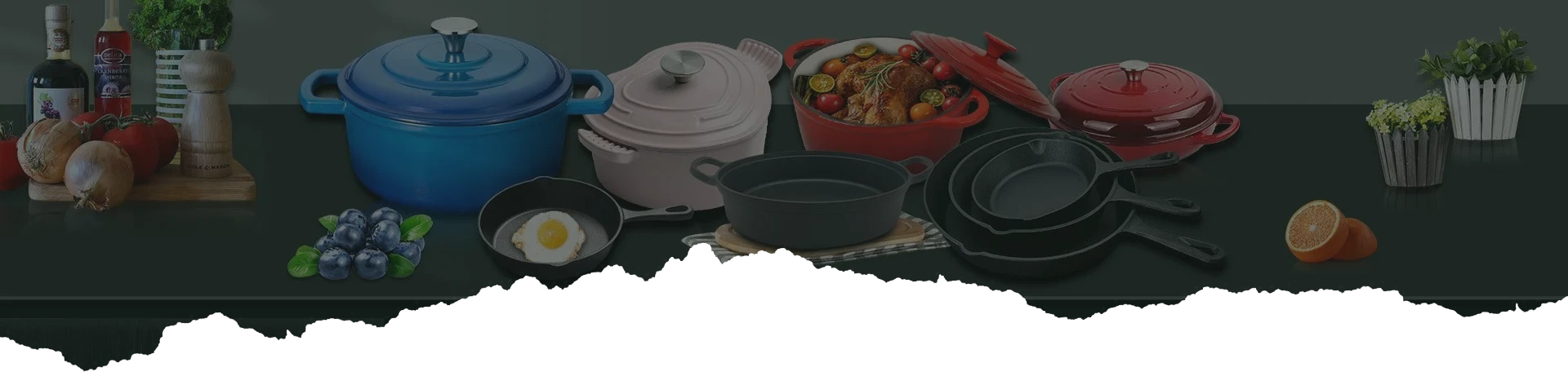

Cast Iron Pan Woks – Durable, Sustainable Cookware for Every Kitchen
Nov . 27, 2025 17:20
Understanding the Cast Iron Pan Wok: Why It Matters Globally
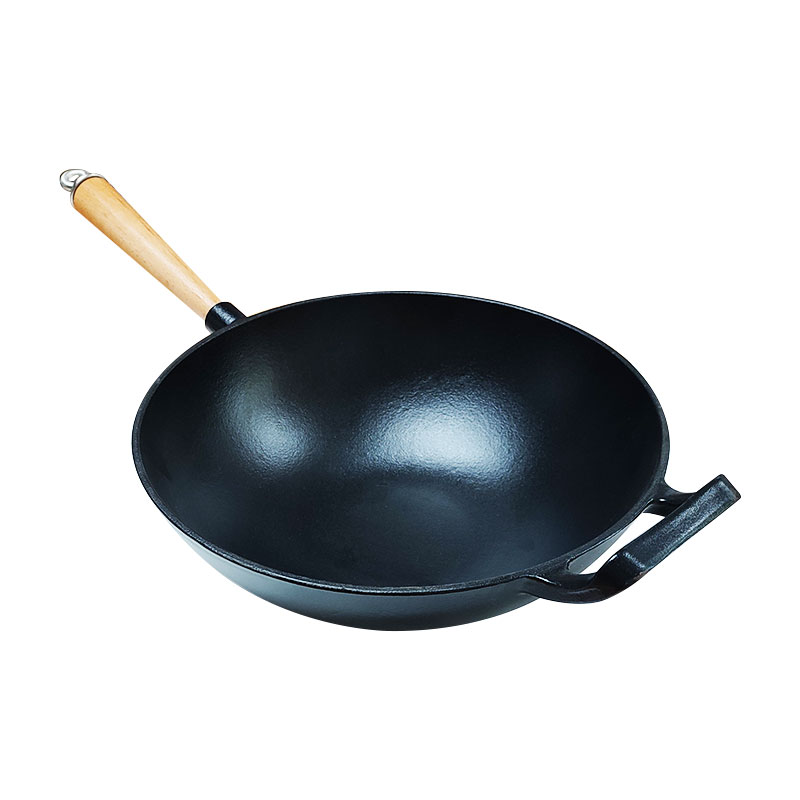
If you’ve ever wandered through an international kitchen aisle or browsed the cookware section online, you’ve probably come across the cast iron pan wok. More than just a vessel for stir fries and soulful stews, this tool has quietly gained global relevance for its versatility, durability, and ability to sustain a traditional cooking style. With rising awareness around sustainable kitchenware, and growing interest in global home cooking, knowing the ins and outs of the cast iron pan wok matters—whether you're an industrial buyer, a culinary enthusiast, or someone curious about eco-friendly cookware.
Globally, the cookware industry is projected to expand to $21 billion by 2027 (Statista), but the push for long-lasting, health-conscious metals like cast iron has a special place in this mix. It’s especially true in developing regions where cookware longevity can mean significant savings for families. So a cast iron pan wok isn’t mere tradition—it’s a pragmatic answer to durable cooking tools worldwide.
Mini takeaway: The cast iron wok offers a compelling solution to worldwide cooking needs—combining heritage cuisine with modern sustainability and durability concerns.
Why the Cast Iron Pan Wok Has Become a Kitchen Staple
The cast iron pan wok is essentially a wok-shaped cooking pan made from cast iron, a heavy-duty metal alloy known for even heat distribution and retention. Classic woks are usually carbon steel, but cast iron offers additional heft and robustness that appeals both to professional kitchens and home cooks. Oddly enough, many chefs swear that the thicker cast iron gives more controlled searing and a nod to old-school cooking style.
In modern industry, especially where food manufacturing and culinary training intersect, the cast iron pan wok plays a role not only in food prep but in training reliable cookware users. Cast iron’s longevity helps reduce kitchen waste, which is a huge sustainability plus per ISO standards on sustainable living (ISO 14001).
Durability: Built to Last a Lifetime
Durability is perhaps the strongest selling point. Cast iron can literally last decades—often getting better with age as seasoning improves, creating a natural non-stick surface. For industrial kitchens or humanitarian organizations working in resource-scarce environments, this is a godsend.
Heat Retention and Cooking Performance
The heavy mass means the pan wok holds heat evenly, critical for fast, high-heat stir fry or slow braise. That eliminates hotspots, which can burn food or waste energy. Many cooks notice that the cast iron wok excels especially in dishes that require rapid temperature shifts.
Cost Efficiency Over Time
It’s a bit ironic—while upfront costs are higher than flimsy pans, the cost-per-use ratio favors cast iron heavily. No need for frequent replacement, fewer surface coatings that peel or chip, and reduced chemical exposure make it an investment that pays off.
Maintenance and Seasoning Needs
Sure, it’s not as low fuss as non-stick pans. Cast iron wok users have to maintain a seasoned surface and avoid rust. But many home cooks and professionals take this in stride as part of the ritual—some even claim it connects them more deeply with the food they prepare.
Environmental Impact
Cast iron is highly recyclable, and long-lasting use dramatically cuts down landfill waste. Organizations advocating for sustainable consumption endorse cast iron cookware for this reason. So the cast iron pan wok fits nicely into the green kitchen movement sweeping the globe.
Mini takeaway: Durability, efficient cooking, and sustainability are core factors making cast iron woks preferred by many chefs and eco-conscious cooks alike.
Real-World Applications: Where Cast Iron Pan Woks Shine
It’s easy to picture a cast iron wok sizzling ingredients in a busy kitchen in Shanghai or a home in Texas. But its reach goes far beyond fancy restaurants or home chefs.
- Disaster Relief and Refugee Camps: Durable cookware like cast iron woks enables cooking over open fires or mobile stoves, essential where infrastructure is limited.
- Rural and Off-Grid Regions: Communities with limited access to energy find cast iron wok’s heat retention crucial for fuel efficiency.
- Cooking Schools & Culinary Institutes: For teaching authentic stir-fry techniques, many schools adopt cast iron pan woks as part of their core gear.
- Ethnic and Fusion Restaurants Worldwide: They rely on cast iron woks for both texture and the ability to handle high-volume cooking.
For example, an aid organization in Southeast Asia reported that distribution of cast iron pan woks contributed to improved cooking safety and food quality in temporary shelters post-cyclone (source: UN Food and Agriculture Organization).
Mini takeaway: From disaster zones to gourmet kitchens, cast iron pan woks provide reliability where it counts most.
Specifications Snapshot: What to Expect from a Quality Cast Iron Pan Wok
| Specification | Typical Value | Notes |
|---|---|---|
| Diameter | 30 CM (12 inches) | Standard home size |
| Weight | 3.5–4.5 KG | Depending on thickness and handle type |
| Material Composition | Cast iron, 98%+ pure iron | Includes small carbon and trace materials |
| Surface Finish | Pre-seasoned or raw iron | Pre-seasoned preferred for beginners |
| Heat Tolerance | Up to 280°C (536°F) | Ideal for high-heat stir fry |
Vendor Comparison: Choosing the Right Cast Iron Pan Wok Provider
| Vendor | Price Range | Material Quality | Special Features | Warranty & Support |
|---|---|---|---|---|
| Debien Cookware | $40 - $65 | High-grade cast iron, pre-seasoned | Ergonomic handle, rust-resistant coating | 2-year warranty, responsive service |
| Lodge Cast Iron | $30 - $60 | Traditional cast iron, uncoated | Classic design, oven-safe | Limited warranty, strong brand trust |
| Victoria | $35 - $50 | Cast iron, factory-seasoned | Lightweight handles, cookware sets | 1-year warranty, customer support |
Advantages & Long-Term Value of Cast Iron Pan Woks
Many engineers and culinary experts argue that investing in a cast iron pan wok is as much about respect for the craft as it is about practicality. It’s about ownership—the idea that your pan can outlast a few kitchen renovations or even generations. The social benefits go beyond that; durability means less frequent waste and, frankly, a more intimate cooking experience.
Cost-wise, the initial price might prompt a double take, but where you often save big is in replacement frequency and energy efficiency. That well-aged pan that “just gets better” also tends to produce better-tasting food due to seasoning layers that develop over time.
Sustainability-focused kitchens prize the cast iron wok because it’s recyclable, often sourced from recycled metals, and reduces reliance on synthetics that degrade faster. Trust in kitchen gear — it’s not something everyone talks about, but it adds quiet confidence in every stir-fried bite.
Future Trends: Where Are Cast Iron Pan Woks Headed?
Innovation in cast iron cookware might sound like a contradiction, but changes are coming. For starters, manufacturers are now incorporating eco-friendly seasoning oils and advanced rust-resistant coatings that reduce maintenance worries. There’s also a rising trend toward “smart” kitchenware — imagine sensors embedded to measure heat distribution and connect with apps for precision cooking. While this tech is still niche, it hints at a future where ancient materials meet modern digital transformation.
Furthermore, the sustainable materials movement is pushing for improved recyclability in all cookware. Policies from ISO and various environmental bodies encourage manufacturers to rethink waste, and cast iron’s recyclability is a solid advantage. Another interesting trend is modular cookware, where handles and lids are interchangeable—with cast iron in the mix.
Challenges & How to Overcome Them
Of course, cast iron pan woks aren’t without quirks. Their significant weight can be a hassle, especially for older users or those with wrist issues. Cleaning and seasoning rituals can intimidate new buyers, sometimes pushing them toward non-stick alternatives. Rust remains a concern if maintenance slips.
Still, experts recommend adopting simple seasoning methods and buying pre-seasoned woks, which reduce learning curves. Ergonomic design tweaks, such as silicone-coated handles or lighter thickness, help ease usability issues. Also, many vendors now provide detailed maintenance guides and customer support, which go a long way.
FAQ: Common Questions About Cast Iron Pan Woks
- Q: How does a cast iron pan wok compare to a traditional steel wok?
- A: Cast iron woks hold heat longer and more evenly, which benefits certain cooking styles. However, steel woks heat faster and are lighter, often preferred by professional chefs needing quick temperature changes. That said, cast iron is revered for durability and “seasoned” flavor development over time.
- Q: Can I use a cast iron wok on an induction cooktop?
- A: Yes! Cast iron works perfectly with induction due to its magnetic properties. Just be mindful of weight and avoid sliding it across fragile glass surfaces to prevent scratches.
- Q: How do I prevent rust on my cast iron pan wok?
- A: Always dry thoroughly after washing and apply a light coat of oil while the pan is still warm. Store in a dry place. If rust forms, scrubbing with a steel wool pad and re-seasoning will restore it.
- Q: Is a cast iron wok suitable for outdoor cooking?
- A: Absolutely. Its durability makes it ideal for campfires and open-flame cooking, popular with outdoor enthusiasts and field kitchens alike.
- Q: Where can I buy quality cast iron pan woks with reliable after-sales service?
- Strong options include Debien Cookware, renowned for pre-seasoned quality and customer support—ideal for beginners and pros alike.
Wrapping Up: Why the Cast Iron Pan Wok is More Than Just Cookware
Throughout the decades, the humble cast iron pan wok has proven to be a steadfast companion in kitchens worldwide. Its strength, versatility, and sustainability reveal why it endures in an era of trendy tech cookware and fast consumerism. If you value reliability, eco-conscious choices, or just want to bring a little old-world charm and incredible functionality to your cooking, the cast iron pan wok stands tall.
Curious to experience this for yourself? Feel free to visit our selection and find the perfect cast iron pan wok for your cooking adventures at Debien Cookware.
Thanks for reading — and happy cooking!
References


2026-03-31 02:45:09
Elevate Your Outdoor Cooking with a Cast Iron Barbecue Experience
Are you ready to elevate your outdoor cooking experience? A cast iron barbecue offers unparalleled heat retention, even cooking, and a delicious smoky flavor that grills simply can't match. This article will explore the benefits of cast iron barbecues, how to choose the right one, proper care and maintenance, and delicious recipes to get you started. From seasoned grill masters to barbecue beginners, this guide has something for everyone.
2026-03-28 02:55:10
Discover the Benefits of Cast Iron and Grill Cookware for Delicious Meals
Cooking with cast iron and grill cookware has seen a massive resurgence in recent years, and for good reason. This method offers a unique combination of heat retention, even cooking, and versatility. Whether you’re searing a steak, baking a rustic pie, or simply enjoying a weeknight meal, understanding the benefits and proper use of these tools can elevate your culinary experience. This guide will explore everything from the advantages of cast iron and grill cookware to tips for seasoning, cleaning, and maintenance.
2026-03-26 02:45:13
Elevate Your Cooking with a Durable Cast Grill Pan for Restaurant Quality Meals
Looking to elevate your cooking game and achieve restaurant-quality results at home? A cast grill pan is a versatile kitchen essential. This guide dives deep into the benefits, uses, care, and how to choose the best cast grill pan for your needs. From searing steaks to grilling vegetables, a cast grill pan delivers exceptional heat retention and even cooking. Let’s explore why this pan should be a staple in every kitchen. Cast iron cookware, and specifically cast grill pans, have been prized by chefs and home cooks for centuries. The key lies in the material itself. Cast iron is renowned for its incredible heat retention, meaning it heats up slowly but stays hot for a long time, resulting in perfectly seared food. The weight of the pan also contributes to even heat distribution, eliminating hot spots. The raised ridges on a grill pan mimic the effect of an outdoor grill, creating those desirable grill marks and allowing fat to drain away, leading to healthier meals.
2026-03-24 02:55:07
Superior Cooking with Durable Cast Grill Grates for Enhanced Flavor
When it comes to grilling, the grate you use significantly impacts the flavor, texture, and overall cooking experience. Cast grill grates, known for their exceptional heat retention and durability, are a popular choice among both novice and experienced grillers. This article will explore the benefits of cast iron grill grates, different types available, care and maintenance tips, and factors to consider when making a purchase. We’ll help you understand why investing in quality cast grill grates can elevate your outdoor cooking. Cast grill grates offer several advantages over other materials like stainless steel or porcelain-coated grates. Primarily, cast iron boasts superior heat retention, ensuring consistent cooking temperatures even when grilling thicker cuts of meat. This even heat distribution minimizes hot spots and promotes more uniform cooking. Furthermore, cast iron naturally develops a non-stick patina over time with proper seasoning, reducing the likelihood of food sticking and making cleanup easier.
2026-03-21 02:45:09
Unlock Flavorful Outdoor Cooking with a Durable Cast Grill
Looking to elevate your outdoor cooking experience? A cast grill offers exceptional heat retention, versatility, and durability. This comprehensive guide will explore the benefits of cast iron grilling, how to choose the right grill, care and maintenance tips, delicious recipes, and why Debien Cookware offers some of the finest cast grill options available. Prepare to unlock a world of flavor and create unforgettable meals with the power of cast iron! A cast grill is essentially a grilling surface made from cast iron. This material is renowned for its superior heat retention, meaning it gets incredibly hot and stays hot, ensuring perfectly seared meats and evenly cooked vegetables. Unlike other grilling materials, cast iron distributes heat uniformly, eliminating hot spots. Its durability is another key advantage; a well-maintained cast grill can last for generations.
2026-03-19 02:45:14
Comprehensive Guide to Durable and Reliable Cast Grates for Various Applications
Cast grates are essential components in drainage systems, offering a robust and reliable solution for managing water flow in various applications. From landscaping and pedestrian areas to industrial settings, these grates play a crucial role in preventing flooding and maintaining safety. This article delves into the world of cast grates, exploring their materials, types, applications, and factors to consider when selecting the right grate for your needs. We'll also highlight how Debien Cookware's commitment to quality and durability translates to excellence in the production of these vital infrastructure elements. Understanding the intricacies of cast grates is key to ensuring efficient drainage and long-term performance. Cast grates are typically manufactured from cast iron, ductile iron, or steel. Cast iron is a traditional material, valued for its affordability and ease of casting. However, it can be brittle. Ductile iron offers improved strength and ductility, making it more resistant to cracking and impact. Steel grates are the strongest option, often used in heavy-duty applications, but are susceptible to corrosion if not properly treated.
2026-03-17 02:45:12
Choosing the Right Cast Charcoal Grill for Superior Outdoor Cooking
When it comes to outdoor cooking, a cast charcoal grill offers a unique and flavorful experience. From searing steaks to slow-cooking ribs, the versatility is unmatched. But with so many options available, selecting the perfect grill can be daunting. This article will explore the benefits of cast charcoal grills, key features to consider, and how to choose the best one for your needs. We’ll cover everything from construction materials to cooking capacity, helping you make an informed decision. Cast iron grills are renowned for their exceptional heat retention. This means they can reach and maintain high temperatures, perfect for searing meats and achieving that desirable char. They also distribute heat more evenly than many other grill materials, minimizing hot spots and ensuring consistent cooking. Several factors influence the performance and convenience of a cast charcoal grill. Cooking surface area is crucial – determine how much food you typically cook to choose an appropriately sized grill. Features like adjustable vents allow you to control airflow and temperature, giving you more precise cooking control.
2026-03-14 02:45:16
Choosing the Right Cast BBQ Grill for Superior Outdoor Cooking
When it comes to outdoor cooking, a cast BBQ grill offers unparalleled heat retention and a distinctive flavor profile. But with numerous options available, selecting the perfect grill can be daunting. This guide will explore the benefits of cast iron grilling, different types of cast BBQ grills, key features to consider, and how to choose the grill that best suits your cooking style and needs. We'll help you understand what makes Debien Cookware’s cast iron grills stand out in the market. Cast iron is renowned for its exceptional heat retention. This means a cast BBQ grill heats up evenly and stays hot for longer, creating perfect searing temperatures for steaks, burgers, and other meats. Unlike thinner grills, cast iron doesn’t have hot spots, ensuring consistent cooking results. Moreover, cast iron is naturally non-stick when properly seasoned, minimizing food sticking and making cleanup easier. The durability of cast iron is another key advantage—a well-maintained cast iron grill can last for generations.
Inquire Now for Cast Iron Cookware Deals
Please Fill Out The Form Below And Our Team Will Get Back To You With Pricing, Product Details, And Customization Options.

Debien is advancing with time, updating equipment, elaborately carving out our brand, focusing on developing high-end products, and actively responding to market demands with creativity.


QUICK LINKS
CONTACT US
Debien is advancing with time, updating equipment, elaborately carving out our brand, focusing on developing high-end products, and actively responding to market demands with creativity.
Copyright © 2026 HEBEI DEBIEN TECHNOLOGY CO., LTD. All Rights Reserved. Sitemap | Privacy Policy | Top Blog


