





Aluminum Cast Iron: A Comprehensive Guide to Its Properties, Uses, and Future Prospects
Dec . 02, 2025 04:30
Understanding Aluminum Cast Iron: A Modern Industrial Marvel
Aluminum cast iron. The term itself might sound a bit contradictory — after all, aluminum and iron are different metals, right? But this fascinating material combination is making waves across industries worldwide. It matters because as industries push for lighter, stronger, and more cost-effective materials, aluminum cast iron presents a compelling solution. Whether in automotive parts, heavy machinery, or even cookware, understanding this alloy’s properties unlocks benefits ranging from durability to sustainability. Let’s unpack what it is, why it’s significant globally, and why you might want to pay attention.
Introduction: The Global Importance of Aluminum Cast Iron
Globally, demand for materials that combine strength and lightweight qualities is soaring. According to the World Steel Association's 2023 report, the need for advanced alloys in manufacturing grew by nearly 5% annually over the last decade. Aluminum cast iron fits this niche neatly. The fusion of aluminum’s lightness with cast iron’s robustness addresses significant industrial challenges — notably weight reduction without sacrificing strength.
This is crucial for sectors like automotive manufacturing—where lighter vehicles mean better fuel efficiency—and energy production, where mechanical components must withstand harsh conditions over long terms. However, the challenge arises: how to achieve these benefits without escalating production costs or environmental impact?
What Exactly Is Aluminum Cast Iron?
At its core, aluminum cast iron is a composite metal alloy combining cast iron's carbon-rich, hard matrix with aluminum's low density and corrosion-resistant properties. The result is a hybrid material that aims to retain cast iron's mechanical strength while substantially lowering weight. It’s not a one-size-fits-all alloy but rather tailored blends depending on the desired properties—meaning ratios of aluminum and iron, heat treatments, or additives may vary.
Its significance extends beyond industrial use; humanitarian and infrastructure projects favor such materials for their sustainability and longevity, especially in regions facing resource constraints. Aluminum cast iron parts can last longer and reduce the frequency of replacements, a practical benefit where supply chains are unreliable.
Key Characteristics of Aluminum Cast Iron
Durability
Cast iron is renowned for its wear resistance and compressive strength, and the aluminum-enriched variants maintain much of this, resisting deformation even under high mechanical stress.
Weight Reduction
By integrating aluminum, which is notably lighter than iron, components crafted from this alloy weigh considerably less, improving fuel efficiency and reducing structural load in applications like automotive chassis or engine blocks.
Corrosion Resistance
Aluminum’s natural oxide layer confers improved resistance to corrosion, an advantage in environments exposed to moisture or chemicals—a challenge for traditional cast iron.
Cost Efficiency
While pure aluminum is pricier than iron, the hybrid alloy balances material costs with manufacturing efficiency, often cutting total costs by extending service life and reducing maintenance.
Thermal Conductivity & Heat Resistance
Aluminum cast iron offers balanced heat conduction making it useful for engines and industrial equipment where thermal management is vital.
Aluminum Cast Iron Applications Across The Globe
From Europe to Asia, applications of aluminum cast iron are diverse and often critical.
- Automotive Industry: Countries like Germany and Japan use this material for engine blocks and brake components, enhancing performance without adding weight.
- Heavy Machinery: In mining and construction equipment across Australia and Canada, aluminum cast iron parts improve durability under extreme stress.
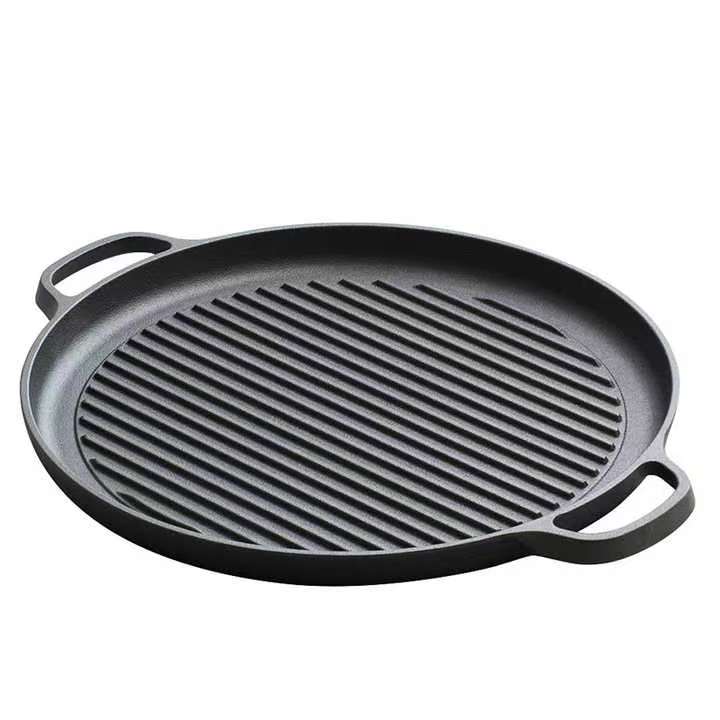
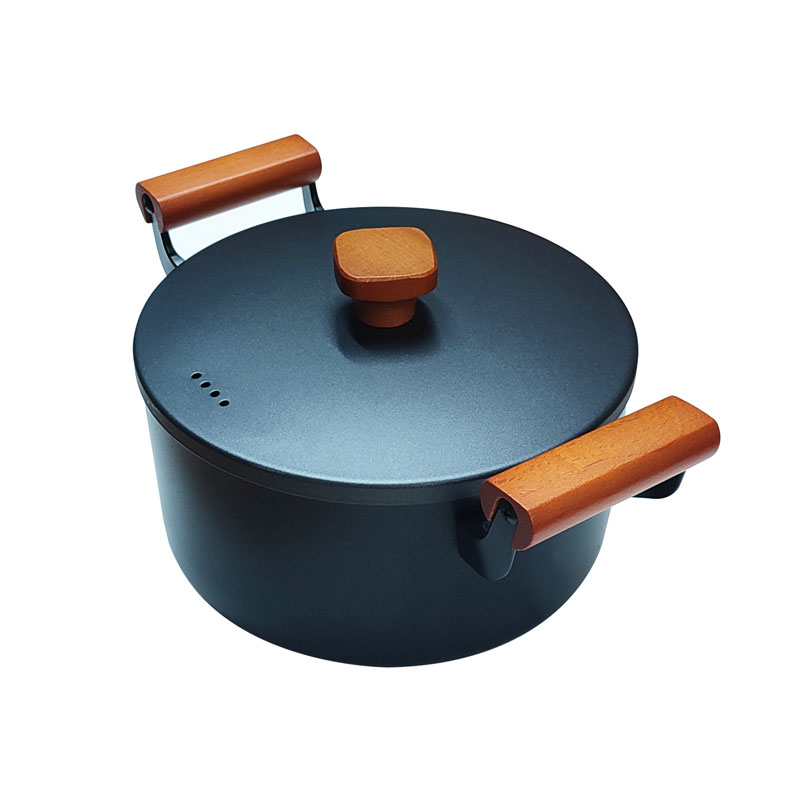
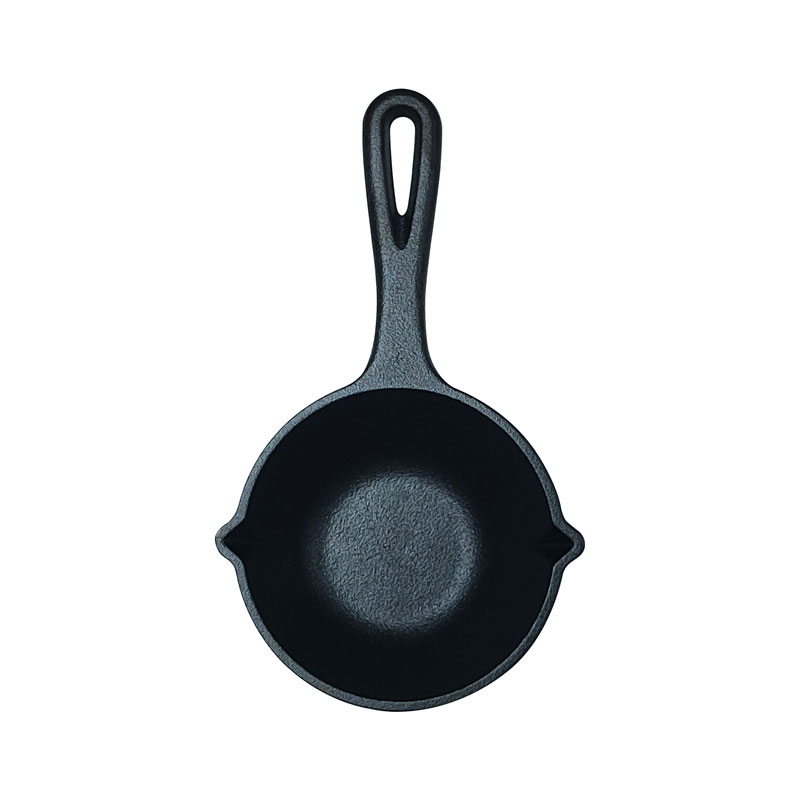
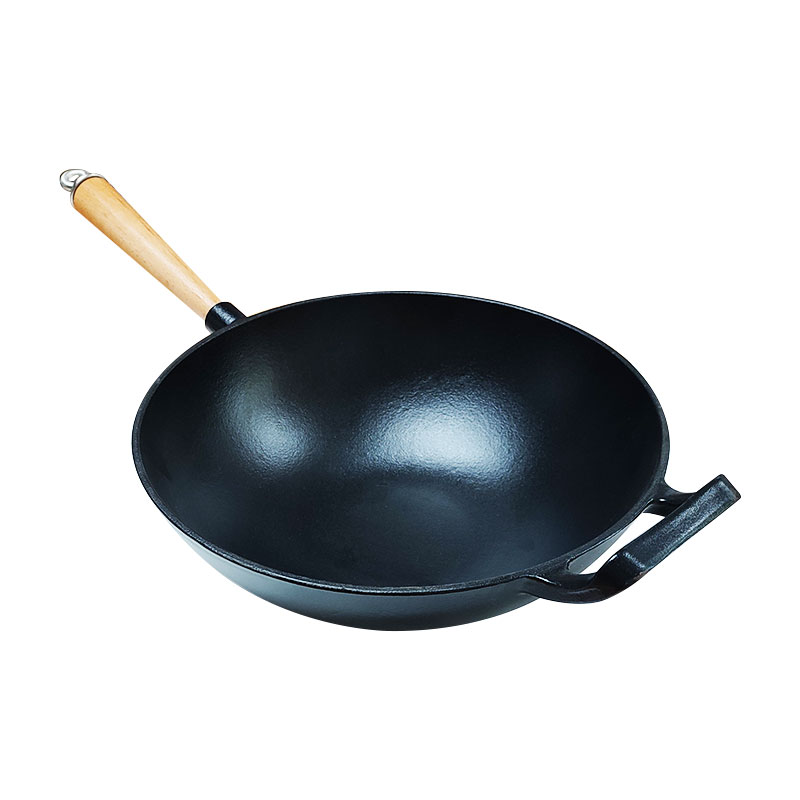
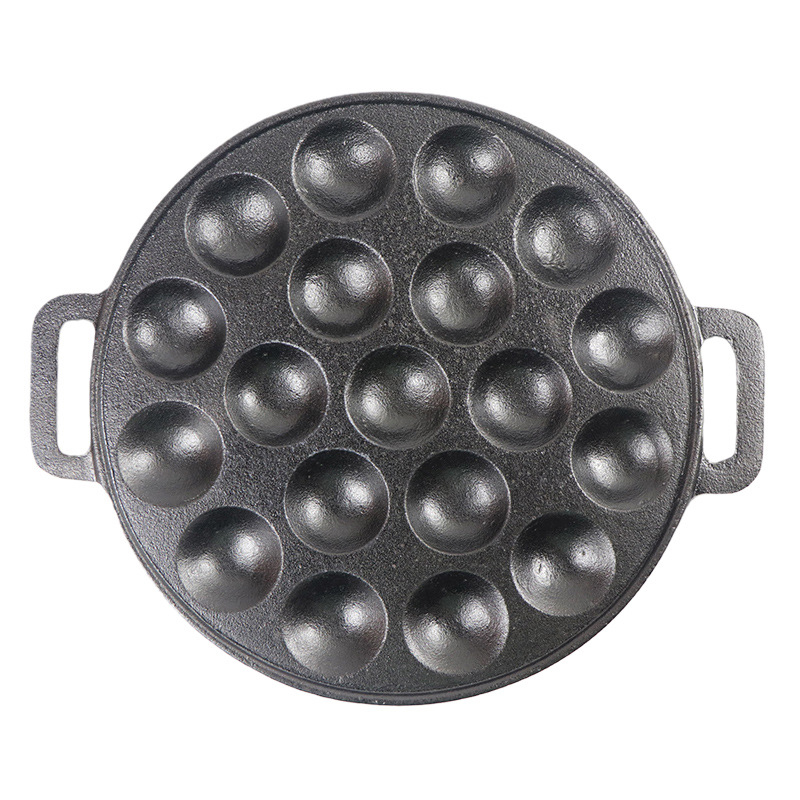
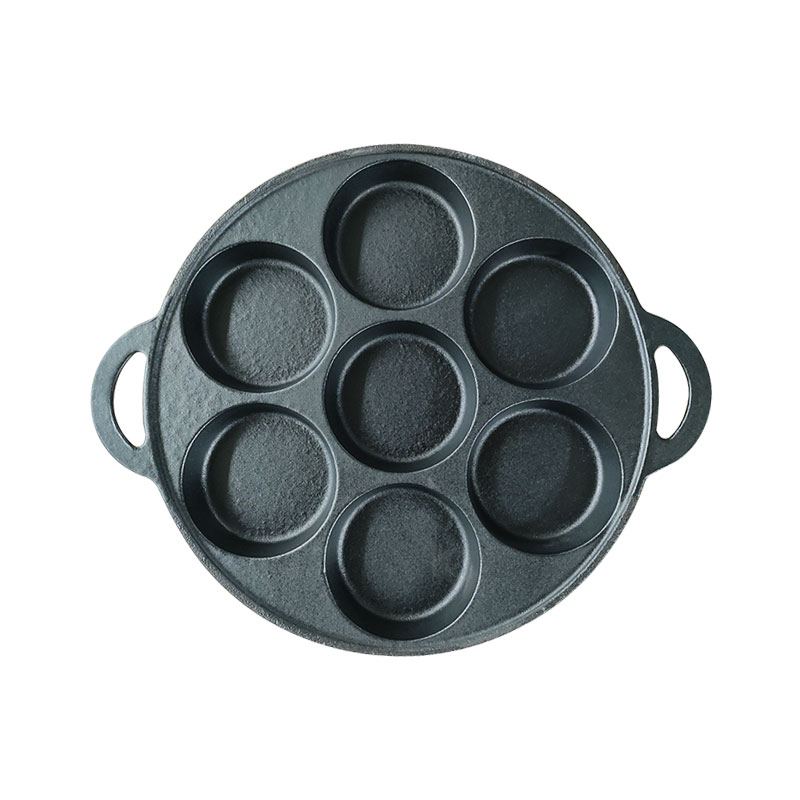
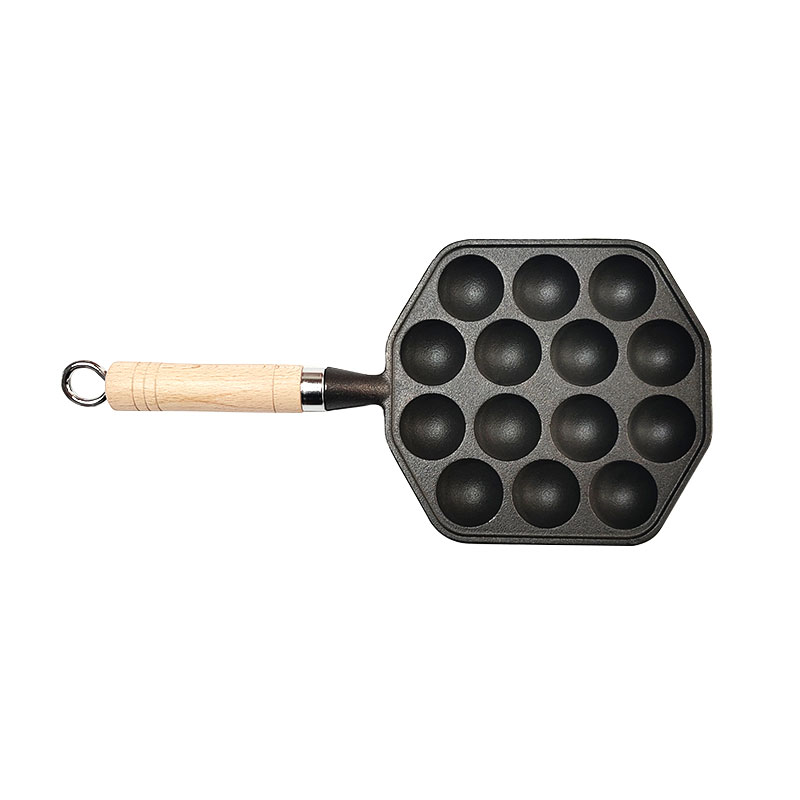
- Cookware: Oddly enough, premium cookware brands exploit aluminum cast iron’s excellent heat retention and even cooking, providing a better culinary experience.
- Post-Disaster Reconstruction: In regions hit by natural disasters, durable, lightweight materials like this facilitate faster rebuilding.
Mini takeaway: The versatility of aluminum cast iron spans industries and geographies, offering tailored solutions to complex material challenges.
Advantages & Long-Term Value of Aluminum Cast Iron
It’s more than just metal. For engineers, it represents innovation and reliability. For users, it means safety, lower costs, and products that last longer. The sustainability factor also can’t be overstated—lasting parts mean less frequent replacements, less waste, and fewer emissions over the lifecycle.
Emotionally, industries investing in these materials signal trust towards durability and quality. Logically, the reduced weight helps meet global emissions goals, tying into regulatory frameworks like the ISO 14001 environmental standards that many manufacturers strive for.
Product Specifications at a Glance
| Property | Typical Value | Unit |
|---|---|---|
| Tensile Strength | 280 – 450 | MPa |
| Density | 5.0 – 6.5 | g/cm³ |
| Hardness (Brinell) | 150 – 220 | HB |
| Thermal Conductivity | 50 – 80 | W/m·K |
Vendors Comparison: Choosing The Right Aluminum Cast Iron Supplier
| Vendor | Global Reach | Customization Options | Sustainability Practices | Pricing |
|---|---|---|---|---|
| Metallix Corp. | North America, Europe | High | ISO 14001 Certified | $$$ |
| AlumiIron Ltd. | Asia, Europe | Medium | Sustainability Initiatives Ongoing | $$ |
| IronAlum Solutions | Global | Custom Engineering Available | Circular Economy Focus | $$$ |
Emerging Trends & Innovations in Aluminum Cast Iron
Looking ahead, this hybrid metal is seeing exciting advancements. Researchers explore nano-scale alloying and 3D printing techniques, allowing more precise microstructures that enhance performance even further. Digital transformation and machine learning optimize the casting and production process, reducing defects, waste, and energy use.
From a sustainability perspective, the integration of recycled aluminum and eco-friendly production lines is becoming standard. This aligns well with global commitments to mitigate climate change impacts, making aluminum cast iron not just practical but responsible.
Challenges and Innovative Solutions
It’s not all smooth sailing. Aluminum cast iron can be tricky to cast uniformly due to differences in melting points and thermal expansion of aluminum and iron. Plus, cost hurdles persist in scaling production for certain blend ratios.
Experts suggest advanced alloy design software, sophisticated cooling molds, and hybrid manufacturing techniques as paths forward. Ongoing collaborations between academia and industry also help tackle these challenges, pushing the alloy’s potential further.
FAQ: Quick Answers About Aluminum Cast Iron
- What are the main differences between aluminum cast iron and traditional cast iron?
Aluminum cast iron offers lower weight and improved corrosion resistance while maintaining comparable strength, making it preferable for modern applications requiring efficiency. - Is aluminum cast iron suitable for cookware?
Yes, many high-end cookware manufacturers use it because it heats evenly, retains heat well, and is generally more durable than pure aluminum pans, combining performance with longevity. - How does aluminum cast iron support sustainability goals?
By reducing weight in vehicles and machinery, it lowers fuel consumption. Plus, its durability means fewer replacements and less waste, aligning with circular economy principles. - Can I get customized aluminum cast iron parts?
Absolutely. Several vendors specialize in custom alloy formulations and casting services tailored to specific industry standards and use cases. - Where can I find reputable suppliers?
Vendors like Metallix Corp. and IronAlum Solutions have global reach and noted sustainability efforts. It’s wise to review certifications and production methods to ensure quality.
Conclusion: Why Aluminum Cast Iron Deserves Your Attention
In real terms, aluminum cast iron is more than just a material. It’s a practical response to global needs for lightweight, durable, and environmentally sound alloys. Its industrial versatility and growing innovation pipeline make it an exciting area for manufacturers and consumers alike. If you want to learn more about how this material can enhance your products or projects, feel free to visit aluminum cast iron resources and suppliers. The future shines bright for this metallurgical crossover, and frankly, it’s worth exploring.
Oddly enough, in the world of materials science, combining two metals often thought distinct is the secret to unlocking new possibilities. Aluminum cast iron is a great example.
Stay curious!


2026-03-31 02:45:09
Elevate Your Outdoor Cooking with a Cast Iron Barbecue Experience
Are you ready to elevate your outdoor cooking experience? A cast iron barbecue offers unparalleled heat retention, even cooking, and a delicious smoky flavor that grills simply can't match. This article will explore the benefits of cast iron barbecues, how to choose the right one, proper care and maintenance, and delicious recipes to get you started. From seasoned grill masters to barbecue beginners, this guide has something for everyone.
2026-03-28 02:55:10
Discover the Benefits of Cast Iron and Grill Cookware for Delicious Meals
Cooking with cast iron and grill cookware has seen a massive resurgence in recent years, and for good reason. This method offers a unique combination of heat retention, even cooking, and versatility. Whether you’re searing a steak, baking a rustic pie, or simply enjoying a weeknight meal, understanding the benefits and proper use of these tools can elevate your culinary experience. This guide will explore everything from the advantages of cast iron and grill cookware to tips for seasoning, cleaning, and maintenance.
2026-03-26 02:45:13
Elevate Your Cooking with a Durable Cast Grill Pan for Restaurant Quality Meals
Looking to elevate your cooking game and achieve restaurant-quality results at home? A cast grill pan is a versatile kitchen essential. This guide dives deep into the benefits, uses, care, and how to choose the best cast grill pan for your needs. From searing steaks to grilling vegetables, a cast grill pan delivers exceptional heat retention and even cooking. Let’s explore why this pan should be a staple in every kitchen. Cast iron cookware, and specifically cast grill pans, have been prized by chefs and home cooks for centuries. The key lies in the material itself. Cast iron is renowned for its incredible heat retention, meaning it heats up slowly but stays hot for a long time, resulting in perfectly seared food. The weight of the pan also contributes to even heat distribution, eliminating hot spots. The raised ridges on a grill pan mimic the effect of an outdoor grill, creating those desirable grill marks and allowing fat to drain away, leading to healthier meals.
2026-03-24 02:55:07
Superior Cooking with Durable Cast Grill Grates for Enhanced Flavor
When it comes to grilling, the grate you use significantly impacts the flavor, texture, and overall cooking experience. Cast grill grates, known for their exceptional heat retention and durability, are a popular choice among both novice and experienced grillers. This article will explore the benefits of cast iron grill grates, different types available, care and maintenance tips, and factors to consider when making a purchase. We’ll help you understand why investing in quality cast grill grates can elevate your outdoor cooking. Cast grill grates offer several advantages over other materials like stainless steel or porcelain-coated grates. Primarily, cast iron boasts superior heat retention, ensuring consistent cooking temperatures even when grilling thicker cuts of meat. This even heat distribution minimizes hot spots and promotes more uniform cooking. Furthermore, cast iron naturally develops a non-stick patina over time with proper seasoning, reducing the likelihood of food sticking and making cleanup easier.
2026-03-21 02:45:09
Unlock Flavorful Outdoor Cooking with a Durable Cast Grill
Looking to elevate your outdoor cooking experience? A cast grill offers exceptional heat retention, versatility, and durability. This comprehensive guide will explore the benefits of cast iron grilling, how to choose the right grill, care and maintenance tips, delicious recipes, and why Debien Cookware offers some of the finest cast grill options available. Prepare to unlock a world of flavor and create unforgettable meals with the power of cast iron! A cast grill is essentially a grilling surface made from cast iron. This material is renowned for its superior heat retention, meaning it gets incredibly hot and stays hot, ensuring perfectly seared meats and evenly cooked vegetables. Unlike other grilling materials, cast iron distributes heat uniformly, eliminating hot spots. Its durability is another key advantage; a well-maintained cast grill can last for generations.
2026-03-19 02:45:14
Comprehensive Guide to Durable and Reliable Cast Grates for Various Applications
Cast grates are essential components in drainage systems, offering a robust and reliable solution for managing water flow in various applications. From landscaping and pedestrian areas to industrial settings, these grates play a crucial role in preventing flooding and maintaining safety. This article delves into the world of cast grates, exploring their materials, types, applications, and factors to consider when selecting the right grate for your needs. We'll also highlight how Debien Cookware's commitment to quality and durability translates to excellence in the production of these vital infrastructure elements. Understanding the intricacies of cast grates is key to ensuring efficient drainage and long-term performance. Cast grates are typically manufactured from cast iron, ductile iron, or steel. Cast iron is a traditional material, valued for its affordability and ease of casting. However, it can be brittle. Ductile iron offers improved strength and ductility, making it more resistant to cracking and impact. Steel grates are the strongest option, often used in heavy-duty applications, but are susceptible to corrosion if not properly treated.
2026-03-17 02:45:12
Choosing the Right Cast Charcoal Grill for Superior Outdoor Cooking
When it comes to outdoor cooking, a cast charcoal grill offers a unique and flavorful experience. From searing steaks to slow-cooking ribs, the versatility is unmatched. But with so many options available, selecting the perfect grill can be daunting. This article will explore the benefits of cast charcoal grills, key features to consider, and how to choose the best one for your needs. We’ll cover everything from construction materials to cooking capacity, helping you make an informed decision. Cast iron grills are renowned for their exceptional heat retention. This means they can reach and maintain high temperatures, perfect for searing meats and achieving that desirable char. They also distribute heat more evenly than many other grill materials, minimizing hot spots and ensuring consistent cooking. Several factors influence the performance and convenience of a cast charcoal grill. Cooking surface area is crucial – determine how much food you typically cook to choose an appropriately sized grill. Features like adjustable vents allow you to control airflow and temperature, giving you more precise cooking control.
2026-03-14 02:45:16
Choosing the Right Cast BBQ Grill for Superior Outdoor Cooking
When it comes to outdoor cooking, a cast BBQ grill offers unparalleled heat retention and a distinctive flavor profile. But with numerous options available, selecting the perfect grill can be daunting. This guide will explore the benefits of cast iron grilling, different types of cast BBQ grills, key features to consider, and how to choose the grill that best suits your cooking style and needs. We'll help you understand what makes Debien Cookware’s cast iron grills stand out in the market. Cast iron is renowned for its exceptional heat retention. This means a cast BBQ grill heats up evenly and stays hot for longer, creating perfect searing temperatures for steaks, burgers, and other meats. Unlike thinner grills, cast iron doesn’t have hot spots, ensuring consistent cooking results. Moreover, cast iron is naturally non-stick when properly seasoned, minimizing food sticking and making cleanup easier. The durability of cast iron is another key advantage—a well-maintained cast iron grill can last for generations.
Inquire Now for Cast Iron Cookware Deals
Please Fill Out The Form Below And Our Team Will Get Back To You With Pricing, Product Details, And Customization Options.

Debien is advancing with time, updating equipment, elaborately carving out our brand, focusing on developing high-end products, and actively responding to market demands with creativity.


QUICK LINKS
CONTACT US
Debien is advancing with time, updating equipment, elaborately carving out our brand, focusing on developing high-end products, and actively responding to market demands with creativity.
Copyright © 2026 HEBEI DEBIEN TECHNOLOGY CO., LTD. All Rights Reserved. Sitemap | Privacy Policy | Top Blog


