





The Complete Guide to Mastering Your Blue Iron Grill for Exceptional Cooking
Mar . 05, 2026 02:35
The Ultimate Guide to the Blue Iron Grill
When it comes to outdoor cooking, the blue iron grill stands out as a versatile and durable option. Renowned for its heat retention and even cooking capabilities, the blue iron grill is a favorite among chefs and home cooks alike. This article will delve into the benefits, features, care, and common uses of the blue iron grill, helping you make the most of your outdoor cooking experience. Whether you’re a seasoned grill master or a beginner, understanding the nuances of this cooking marvel will elevate your culinary creations.
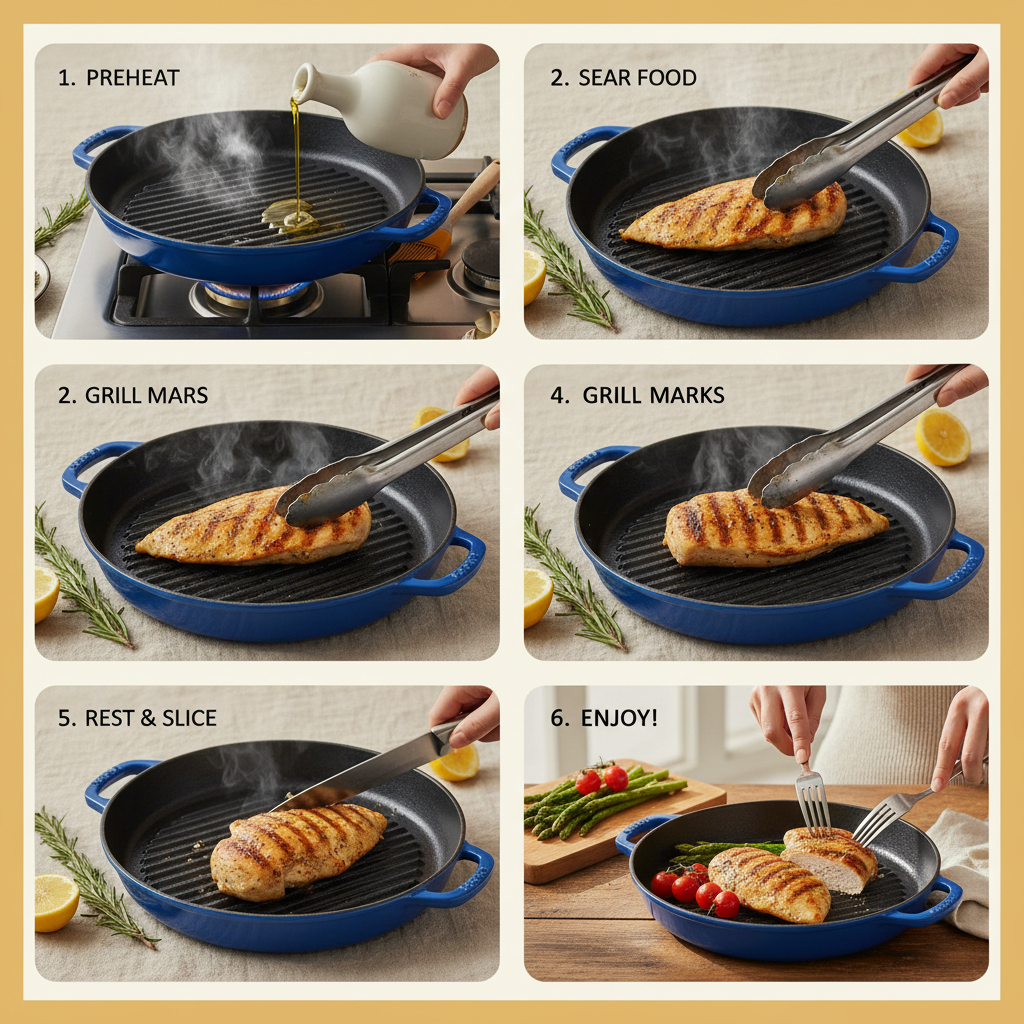
Understanding the Benefits of Blue Iron Grills
Blue iron grills, also known as seasoned cast iron grills, offer a unique set of advantages. Their primary benefit lies in their exceptional heat retention, allowing for consistent and even cooking temperatures. This is particularly crucial for searing meats and achieving that perfect grill mark. The natural seasoning develops a non-stick surface, minimizing the need for oil and making cleanup easier. Moreover, a well-maintained blue iron grill can last for generations, becoming a cherished family heirloom. The durability and consistent performance make it a worthwhile investment for any serious outdoor cook. Choosing the right blue iron grill ensures years of enjoyable grilling experiences.
Key Highlights: Exceptional heat retention, natural non-stick surface, incredible durability, and consistent cooking temperatures.
Blue Iron Grill vs. Stainless Steel Grill: A Detailed Comparison
While stainless steel grills are popular, blue iron grills offer a distinctly different cooking experience. Stainless steel heats up quickly but doesn't retain heat as effectively as cast iron. This means temperature fluctuations can occur, impacting the consistency of your cooking. Blue iron grills maintain a more stable temperature, ideal for searing and slow cooking. Stainless steel is also prone to flare-ups from dripping fats, while the seasoned surface of a blue iron grill tends to vaporize these fats, adding flavor to your food. While stainless steel is often easier to clean initially, the naturally non-stick surface of a well-seasoned blue iron grill simplifies the cleaning process over time.
Key Differences:
• Heat Retention: Blue iron excels, stainless steel is quicker to heat but less consistent.
• Flare-Ups: Blue iron vaporizes fats, stainless steel is prone to flare-ups.
• Cleaning: Seasoned blue iron is naturally non-stick, simplifying cleanup.
• Durability: Blue iron is exceptionally durable, lasting for generations.
Maintaining Your Blue Iron Grill: Seasoning & Care
Proper care is crucial for maintaining the longevity and performance of your blue iron grill. Seasoning is the process of coating the grill with oil and heating it to create a natural non-stick surface. This should be done regularly, especially after cleaning. Avoid using harsh soaps or abrasive cleaners, as they can strip away the seasoning. After each use, scrape off any food residue and wipe down the grill with a light coat of oil. Store your grill in a dry place to prevent rust. Regularly re-seasoning ensures a pristine cooking surface and maximum performance. Proper maintenance transforms a blue iron grill into a lifetime investment.
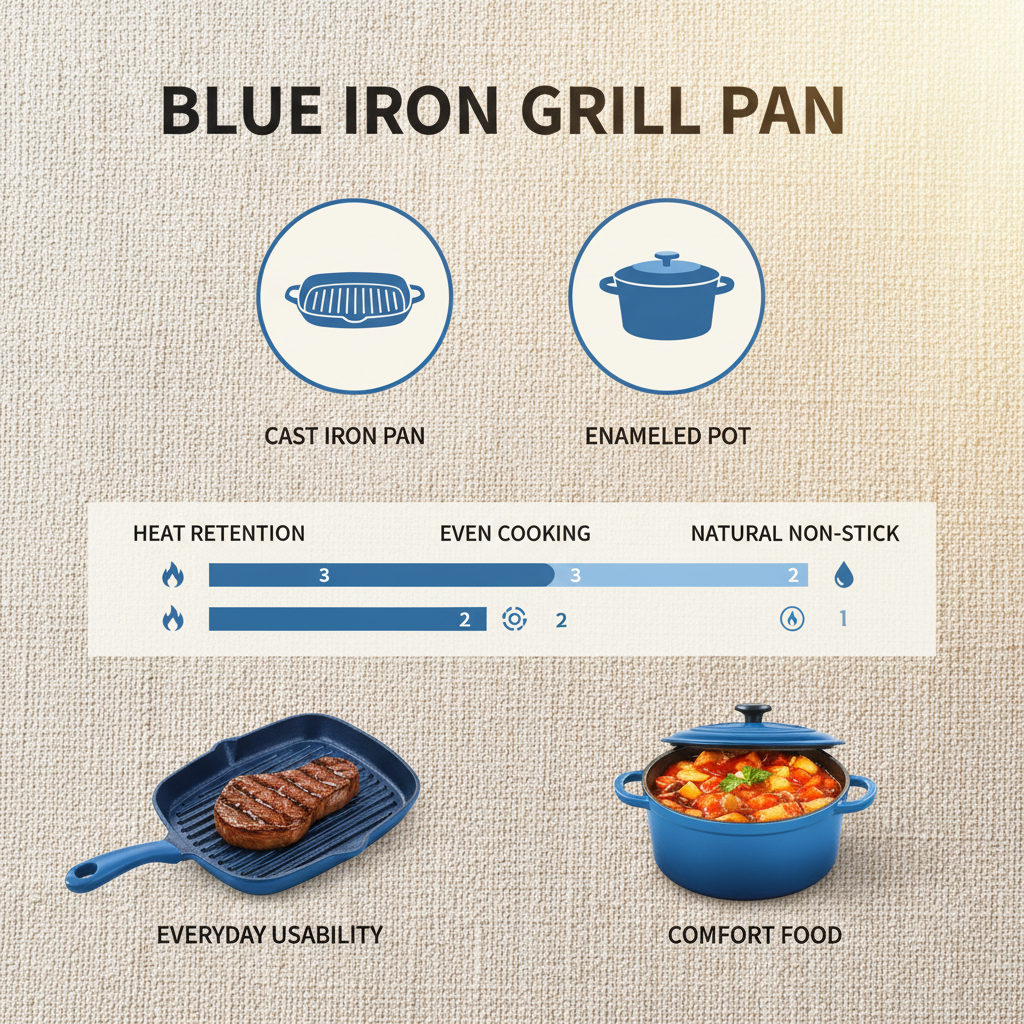
Blue Iron Grill: Common Uses and Recipes
The versatility of the blue iron grill extends to a wide range of cooking applications. It's perfect for searing steaks, grilling vegetables, cooking fish, and even baking desserts. The consistent heat retention ensures juicy, flavorful meats and perfectly caramelized vegetables. Try grilling marinated chicken, creating pizza directly on the grill, or baking a rustic fruit cobbler. The possibilities are endless! Experiment with different recipes and discover the unique flavors that a blue iron grill can deliver. Consider using a blue iron grill for your next outdoor gathering and impress your guests with restaurant-quality results.
Conclusion: Embrace the Flavor with a Blue Iron Grill
The blue iron grill is more than just a cooking appliance; it’s an investment in flavor, durability, and a timeless cooking experience. With proper care and a little experimentation, you’ll unlock a world of culinary possibilities. From sizzling steaks to perfectly grilled vegetables, the blue iron grill delivers exceptional results every time.
Frequently Asked Questions (FAQs)
What type of oil is best for seasoning a blue iron grill?
Flaxseed oil is often touted as the best for initial seasoning due to its tendency to polymerize and create a hard, durable coating. However, it can be prone to flaking. More practical options include canola oil, vegetable oil, or shortening. These oils are readily available and provide a good base for seasoning. The key is to apply a very thin coat and heat the grill thoroughly after each application. Consistent seasoning with any of these oils will build up a protective, non-stick layer.
Can I use a blue iron grill on all types of grills?
Yes, a blue iron grill is incredibly versatile and can be used on gas, charcoal, and even electric grills. It can also be used directly over a campfire. However, exercise caution when using it over an open flame, ensuring it's securely positioned and avoiding excessive temperature fluctuations. Its ability to withstand high temperatures makes it a reliable addition to any grilling setup.
How do I prevent rust on my blue iron grill?
Rust is the enemy of cast iron. To prevent it, always ensure the grill is thoroughly dried after cleaning. Applying a light coat of oil after drying creates a protective barrier. Store the grill in a dry environment. If rust does appear, scrub it off with steel wool and re-season the grill. Regular seasoning and proper storage are the best defenses against rust.


2026-03-31 02:45:09
Elevate Your Outdoor Cooking with a Cast Iron Barbecue Experience
Are you ready to elevate your outdoor cooking experience? A cast iron barbecue offers unparalleled heat retention, even cooking, and a delicious smoky flavor that grills simply can't match. This article will explore the benefits of cast iron barbecues, how to choose the right one, proper care and maintenance, and delicious recipes to get you started. From seasoned grill masters to barbecue beginners, this guide has something for everyone.
2026-03-28 02:55:10
Discover the Benefits of Cast Iron and Grill Cookware for Delicious Meals
Cooking with cast iron and grill cookware has seen a massive resurgence in recent years, and for good reason. This method offers a unique combination of heat retention, even cooking, and versatility. Whether you’re searing a steak, baking a rustic pie, or simply enjoying a weeknight meal, understanding the benefits and proper use of these tools can elevate your culinary experience. This guide will explore everything from the advantages of cast iron and grill cookware to tips for seasoning, cleaning, and maintenance.
2026-03-26 02:45:13
Elevate Your Cooking with a Durable Cast Grill Pan for Restaurant Quality Meals
Looking to elevate your cooking game and achieve restaurant-quality results at home? A cast grill pan is a versatile kitchen essential. This guide dives deep into the benefits, uses, care, and how to choose the best cast grill pan for your needs. From searing steaks to grilling vegetables, a cast grill pan delivers exceptional heat retention and even cooking. Let’s explore why this pan should be a staple in every kitchen. Cast iron cookware, and specifically cast grill pans, have been prized by chefs and home cooks for centuries. The key lies in the material itself. Cast iron is renowned for its incredible heat retention, meaning it heats up slowly but stays hot for a long time, resulting in perfectly seared food. The weight of the pan also contributes to even heat distribution, eliminating hot spots. The raised ridges on a grill pan mimic the effect of an outdoor grill, creating those desirable grill marks and allowing fat to drain away, leading to healthier meals.
2026-03-24 02:55:07
Superior Cooking with Durable Cast Grill Grates for Enhanced Flavor
When it comes to grilling, the grate you use significantly impacts the flavor, texture, and overall cooking experience. Cast grill grates, known for their exceptional heat retention and durability, are a popular choice among both novice and experienced grillers. This article will explore the benefits of cast iron grill grates, different types available, care and maintenance tips, and factors to consider when making a purchase. We’ll help you understand why investing in quality cast grill grates can elevate your outdoor cooking. Cast grill grates offer several advantages over other materials like stainless steel or porcelain-coated grates. Primarily, cast iron boasts superior heat retention, ensuring consistent cooking temperatures even when grilling thicker cuts of meat. This even heat distribution minimizes hot spots and promotes more uniform cooking. Furthermore, cast iron naturally develops a non-stick patina over time with proper seasoning, reducing the likelihood of food sticking and making cleanup easier.
2026-03-21 02:45:09
Unlock Flavorful Outdoor Cooking with a Durable Cast Grill
Looking to elevate your outdoor cooking experience? A cast grill offers exceptional heat retention, versatility, and durability. This comprehensive guide will explore the benefits of cast iron grilling, how to choose the right grill, care and maintenance tips, delicious recipes, and why Debien Cookware offers some of the finest cast grill options available. Prepare to unlock a world of flavor and create unforgettable meals with the power of cast iron! A cast grill is essentially a grilling surface made from cast iron. This material is renowned for its superior heat retention, meaning it gets incredibly hot and stays hot, ensuring perfectly seared meats and evenly cooked vegetables. Unlike other grilling materials, cast iron distributes heat uniformly, eliminating hot spots. Its durability is another key advantage; a well-maintained cast grill can last for generations.
2026-03-19 02:45:14
Comprehensive Guide to Durable and Reliable Cast Grates for Various Applications
Cast grates are essential components in drainage systems, offering a robust and reliable solution for managing water flow in various applications. From landscaping and pedestrian areas to industrial settings, these grates play a crucial role in preventing flooding and maintaining safety. This article delves into the world of cast grates, exploring their materials, types, applications, and factors to consider when selecting the right grate for your needs. We'll also highlight how Debien Cookware's commitment to quality and durability translates to excellence in the production of these vital infrastructure elements. Understanding the intricacies of cast grates is key to ensuring efficient drainage and long-term performance. Cast grates are typically manufactured from cast iron, ductile iron, or steel. Cast iron is a traditional material, valued for its affordability and ease of casting. However, it can be brittle. Ductile iron offers improved strength and ductility, making it more resistant to cracking and impact. Steel grates are the strongest option, often used in heavy-duty applications, but are susceptible to corrosion if not properly treated.
2026-03-17 02:45:12
Choosing the Right Cast Charcoal Grill for Superior Outdoor Cooking
When it comes to outdoor cooking, a cast charcoal grill offers a unique and flavorful experience. From searing steaks to slow-cooking ribs, the versatility is unmatched. But with so many options available, selecting the perfect grill can be daunting. This article will explore the benefits of cast charcoal grills, key features to consider, and how to choose the best one for your needs. We’ll cover everything from construction materials to cooking capacity, helping you make an informed decision. Cast iron grills are renowned for their exceptional heat retention. This means they can reach and maintain high temperatures, perfect for searing meats and achieving that desirable char. They also distribute heat more evenly than many other grill materials, minimizing hot spots and ensuring consistent cooking. Several factors influence the performance and convenience of a cast charcoal grill. Cooking surface area is crucial – determine how much food you typically cook to choose an appropriately sized grill. Features like adjustable vents allow you to control airflow and temperature, giving you more precise cooking control.
2026-03-14 02:45:16
Choosing the Right Cast BBQ Grill for Superior Outdoor Cooking
When it comes to outdoor cooking, a cast BBQ grill offers unparalleled heat retention and a distinctive flavor profile. But with numerous options available, selecting the perfect grill can be daunting. This guide will explore the benefits of cast iron grilling, different types of cast BBQ grills, key features to consider, and how to choose the grill that best suits your cooking style and needs. We'll help you understand what makes Debien Cookware’s cast iron grills stand out in the market. Cast iron is renowned for its exceptional heat retention. This means a cast BBQ grill heats up evenly and stays hot for longer, creating perfect searing temperatures for steaks, burgers, and other meats. Unlike thinner grills, cast iron doesn’t have hot spots, ensuring consistent cooking results. Moreover, cast iron is naturally non-stick when properly seasoned, minimizing food sticking and making cleanup easier. The durability of cast iron is another key advantage—a well-maintained cast iron grill can last for generations.
Inquire Now for Cast Iron Cookware Deals
Please Fill Out The Form Below And Our Team Will Get Back To You With Pricing, Product Details, And Customization Options.

Debien is advancing with time, updating equipment, elaborately carving out our brand, focusing on developing high-end products, and actively responding to market demands with creativity.


QUICK LINKS
CONTACT US
Debien is advancing with time, updating equipment, elaborately carving out our brand, focusing on developing high-end products, and actively responding to market demands with creativity.
Copyright © 2026 HEBEI DEBIEN TECHNOLOGY CO., LTD. All Rights Reserved. Sitemap | Privacy Policy | Top Blog


