

To be honest, the whole cast iron skillet manufacturing scene… it's changed a lot in the last few years. Used to be, you just needed a good foundry and a solid pattern. Now? Everyone's chasing “pre-seasoned,” “ergonomic handles,” and all sorts of fancy finishes. It's getting a bit ridiculous, honestly. I’ve been walking construction sites for 20 years, and I'm telling you, folks just want something that works and lasts.
Have you noticed how much everyone’s talking about lighter-weight cast iron? Seems like a gimmick to me. Cast iron is supposed to be heavy! That weight is part of what makes it hold heat so well. They're messing with the fundamental physics, I swear. But, okay, I get it – gotta appeal to the masses. And don’t even get me started on the enamel coatings… shiny, sure, but show me one that doesn’t chip after a year of real use.
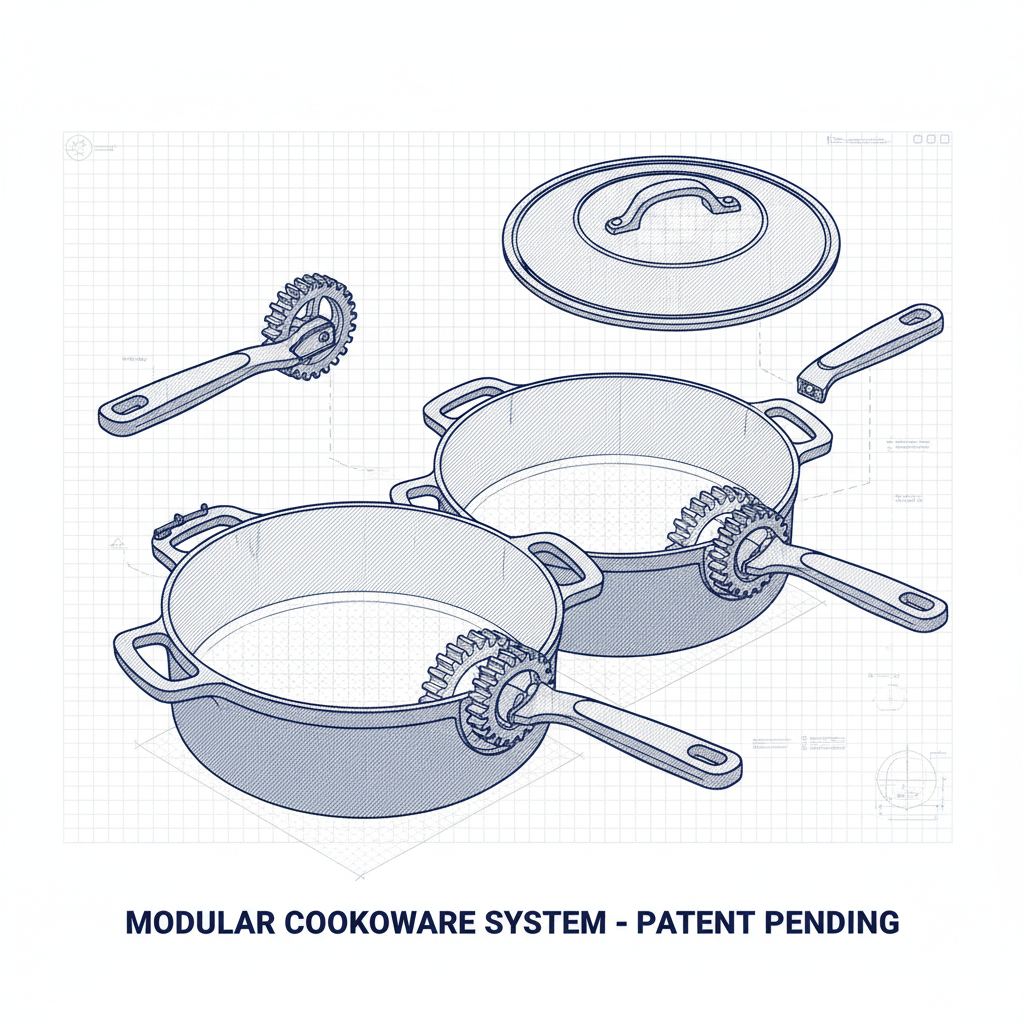
Anyway, I think the biggest thing is the demand for smaller batch, custom work. Everyone wants their logo on it, or a specific size, or a slightly different handle angle. It's a logistical nightmare, but it's where the money is now.
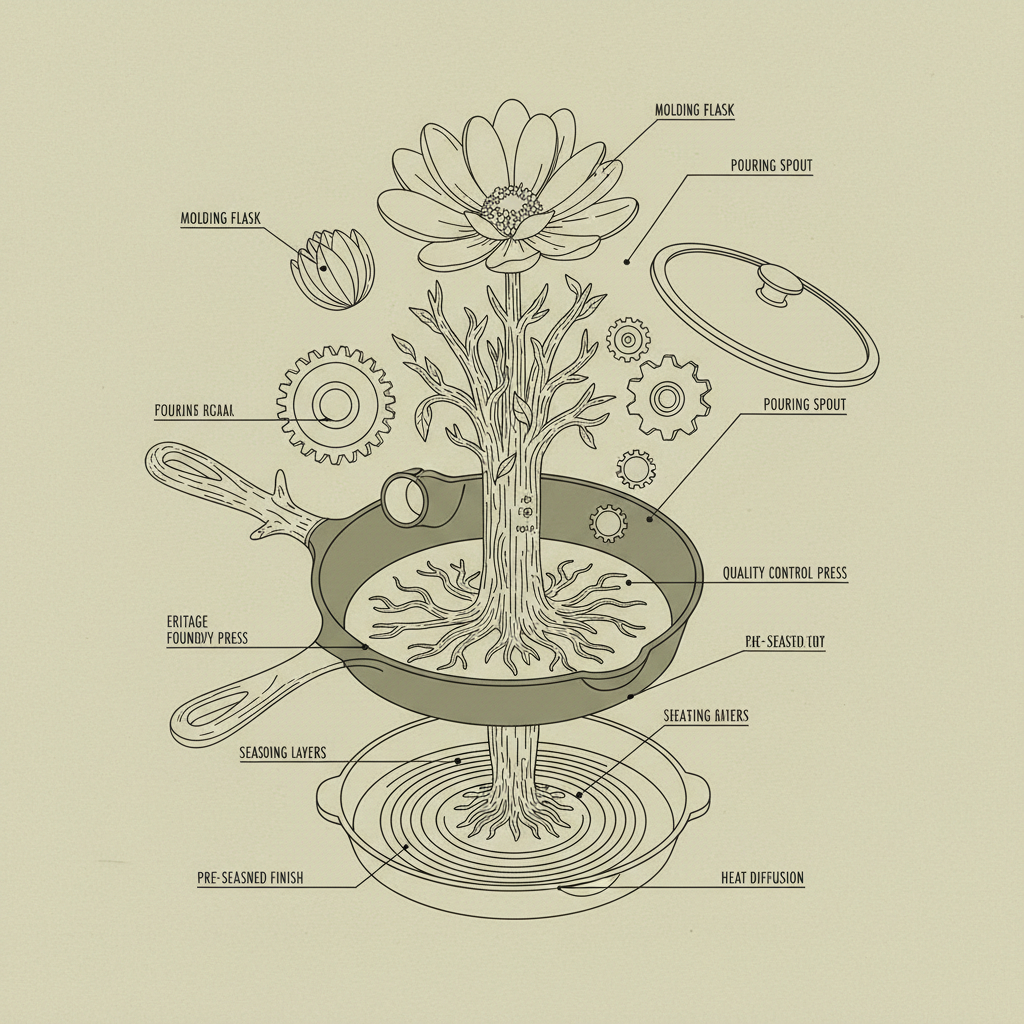
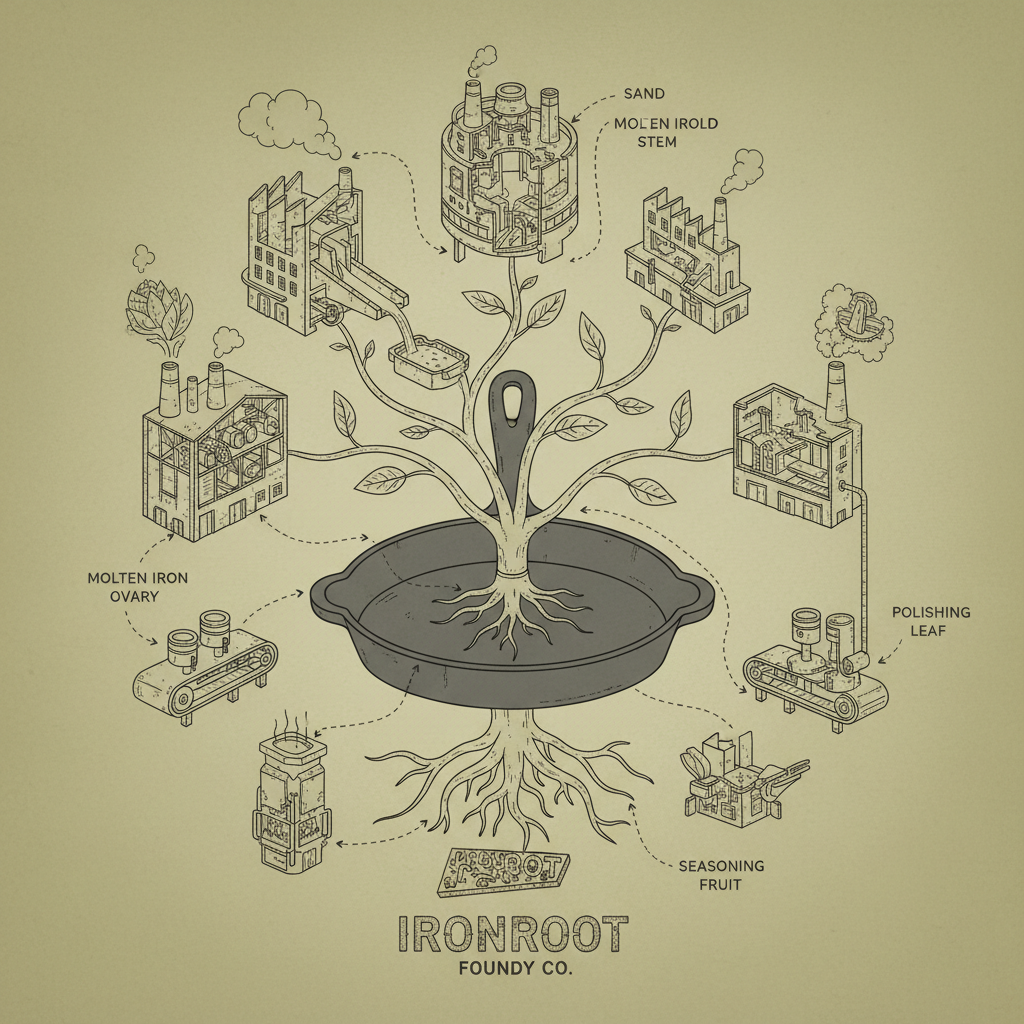
Strangely enough, there's a whole lot of consolidation happening. A few big players are buying up the smaller foundries. They say it’s about efficiency, streamlining… I say it's about controlling the market. And that usually doesn’t end well for quality.
You're also seeing a lot of import stuff from Asia. It’s… variable. Some of it’s decent, especially the stuff using modern techniques. But you really gotta inspect it. I encountered a batch at a factory in Dongguan last time where the iron was porous – just crumbled after a few heats. You wouldn't catch that in a standard inspection report, trust me.
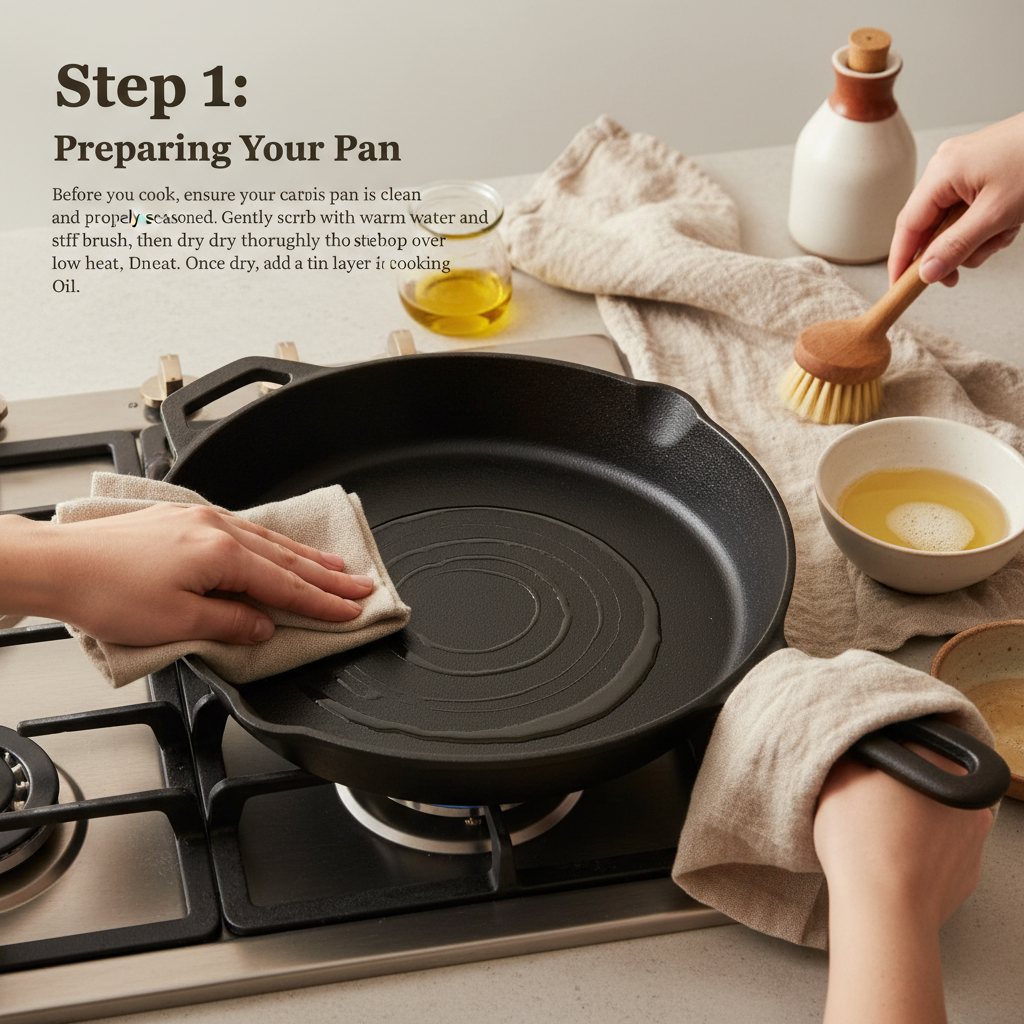
Honestly, there’s a million opinions. I usually recommend a few thin coats of vegetable oil, baked at 400 degrees for an hour each. Let it cool slowly in the oven. Repeat a few times. The key is thin coats. Too much oil and it’ll get sticky. Some folks swear by flaxseed oil, but it can be a bit finicky. Just gotta experiment and see what works for you.
Most modern cast iron can work on induction, but it depends. The skillet needs to have a flat bottom that makes good contact with the cooktop. If it's warped or has a rough surface, it won’t work. And some older skillets just aren't magnetic enough. It’s a bit of a gamble, really.
Keep it dry! That’s the biggest thing. Wash it with warm water and a scrub brush, and then dry it thoroughly. A little oil after drying helps. Don’t let it sit in water. And if it does rust, don’t panic. You can scrub it off and re-season it. It's not the end of the world.
There’s been a lot of debate about this. Historically, folks avoided cooking acidic foods like tomatoes in cast iron because they thought it would leach iron into the food and affect the flavor. Modern seasoning is much more resilient, but it’s still best to limit prolonged cooking of highly acidic foods, especially in a newly seasoned skillet. Just a precaution, you know?
It depends on how often you use it and how you care for it. If you’re using it every day and washing it frequently, you might need to re-season it every few months. If you’re gentle with it, you might get away with once a year. Just look for signs of wear, like dullness or rust.
That’s a good question. Carbon steel is lighter and heats up faster. It also requires more maintenance to prevent rust. Cast iron holds heat better and is more forgiving. Both are great for cooking, but they have different strengths. Carbon steel is popular with woks and some high-end chefs, but for everyday use, I still prefer cast iron.
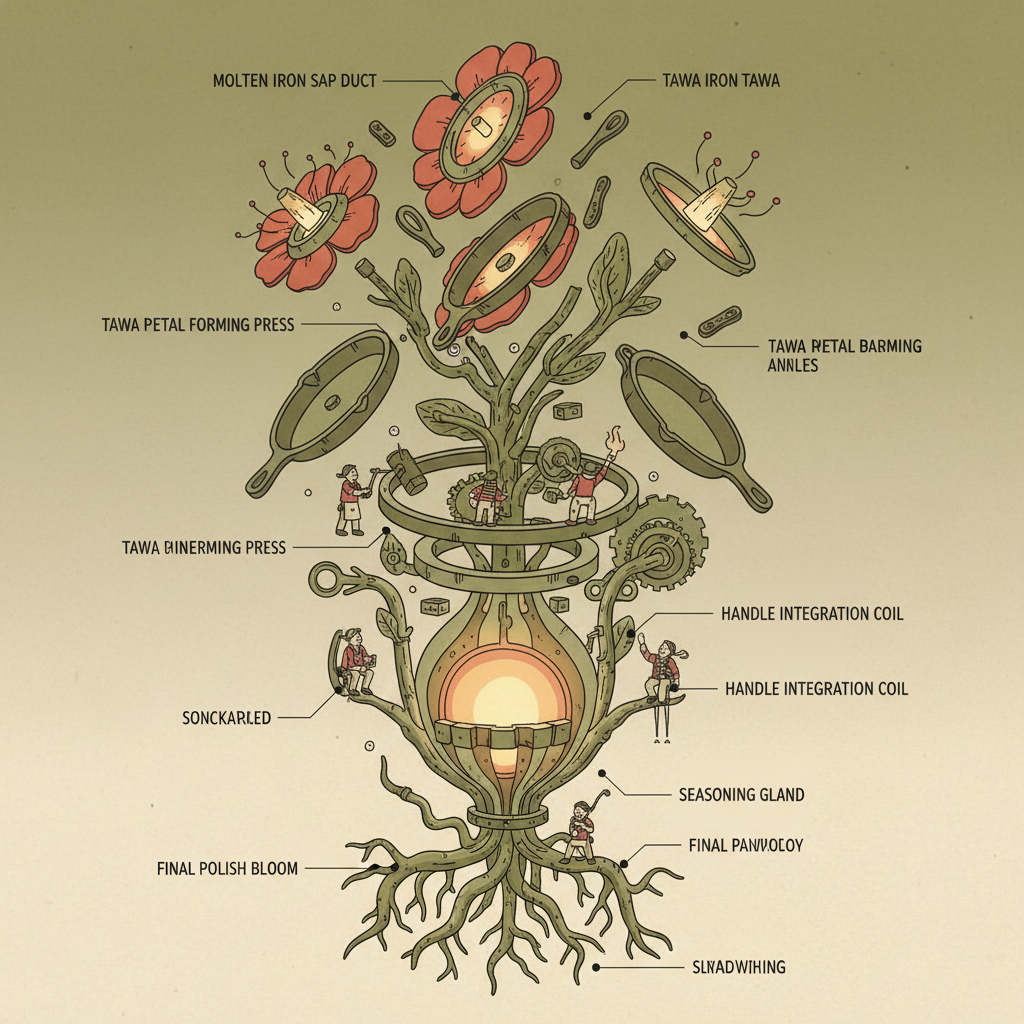
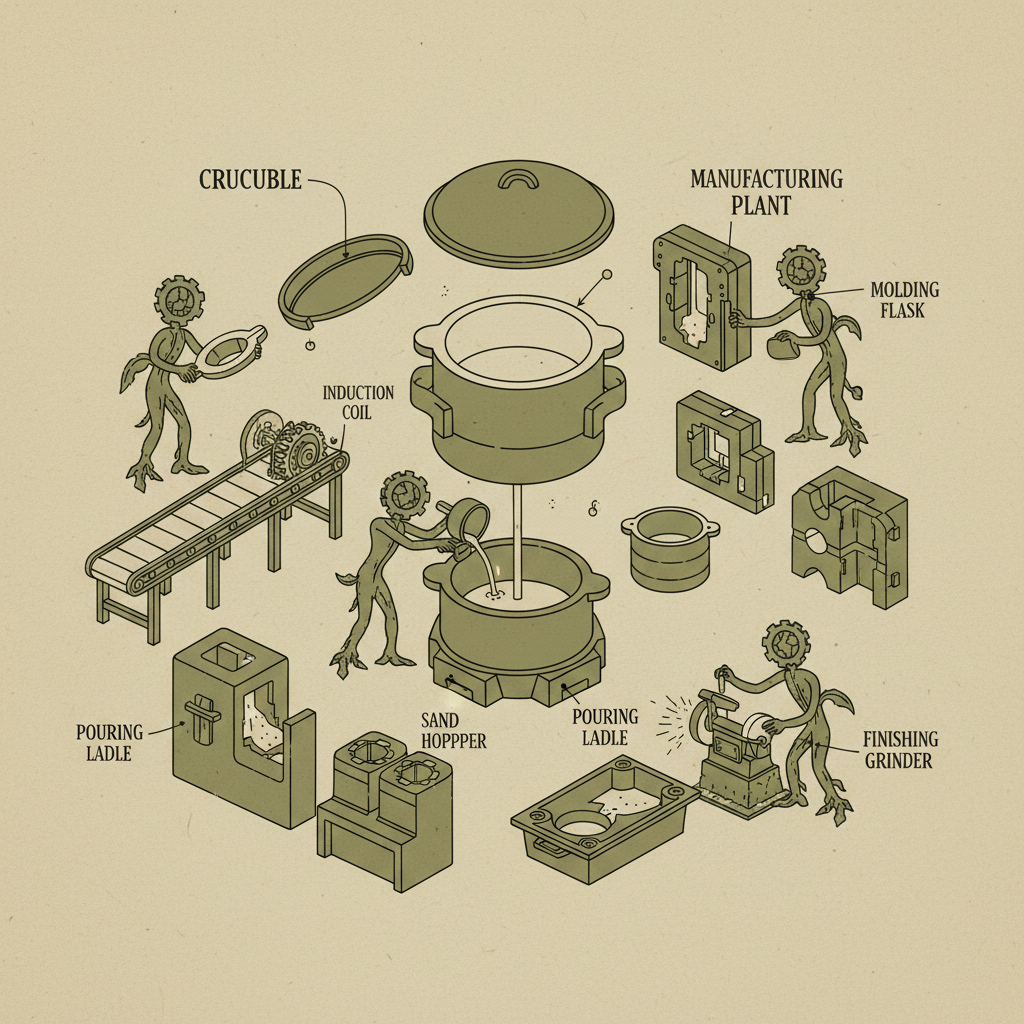
So, yeah, cast iron skillet manufacturing is a surprisingly complex business. It’s not just about pouring molten iron into a mold anymore. It’s about materials, design, testing, and understanding how people actually use these things. It’s about finding that balance between tradition and innovation, between durability and convenience.
Ultimately, whether this thing works or not, the worker will know the moment he tightens the screw. That's all there is to it. You can have all the fancy designs and the latest materials, but if it doesn't feel right in your hand, if it doesn’t perform under pressure, it’s just another piece of metal. And that’s a lesson I’ve learned over a lot of years on a lot of construction sites.

Inquire Now for Cast Iron Cookware Deals
Please Fill Out The Form Below And Our Team Will Get Back To You With Pricing, Product Details, And Customization Options.

Debien is advancing with time, updating equipment, elaborately carving out our brand, focusing on developing high-end products, and actively responding to market demands with creativity.


QUICK LINKS
CONTACT US
Debien is advancing with time, updating equipment, elaborately carving out our brand, focusing on developing high-end products, and actively responding to market demands with creativity.
Copyright © 2026 HEBEI DEBIEN TECHNOLOGY CO., LTD. All Rights Reserved. Sitemap | Privacy Policy | Top Blog