

You know, lately everyone's talking about 'smart' cast iron tawa manufacturers. Not the tawa itself being smart, mind you, but the manufacturing process. More automation, tighter tolerances, everyone chasing that fraction of a percent improvement. Frankly, it's exhausting keeping up.
To be honest, I've seen a lot of designs come and go, and the biggest trap? Over-engineering. People get caught up in fancy curves and finishes, forgetting the thing needs to work on a hot stove for years. It’s got to take a beating. Simple, solid, that's what counts.
The good stuff, the really good stuff, starts with the iron, of course. We mostly use gray cast iron, but there's a lot of variation even within that. You can smell the quality, seriously. The good iron has a certain…earthiness to it, a bit of a metallic tang. Cheaper stuff smells almost sterile, and feels brittle. I once spent an hour at a foundry just sniffing different batches. The guys thought I was crazy.
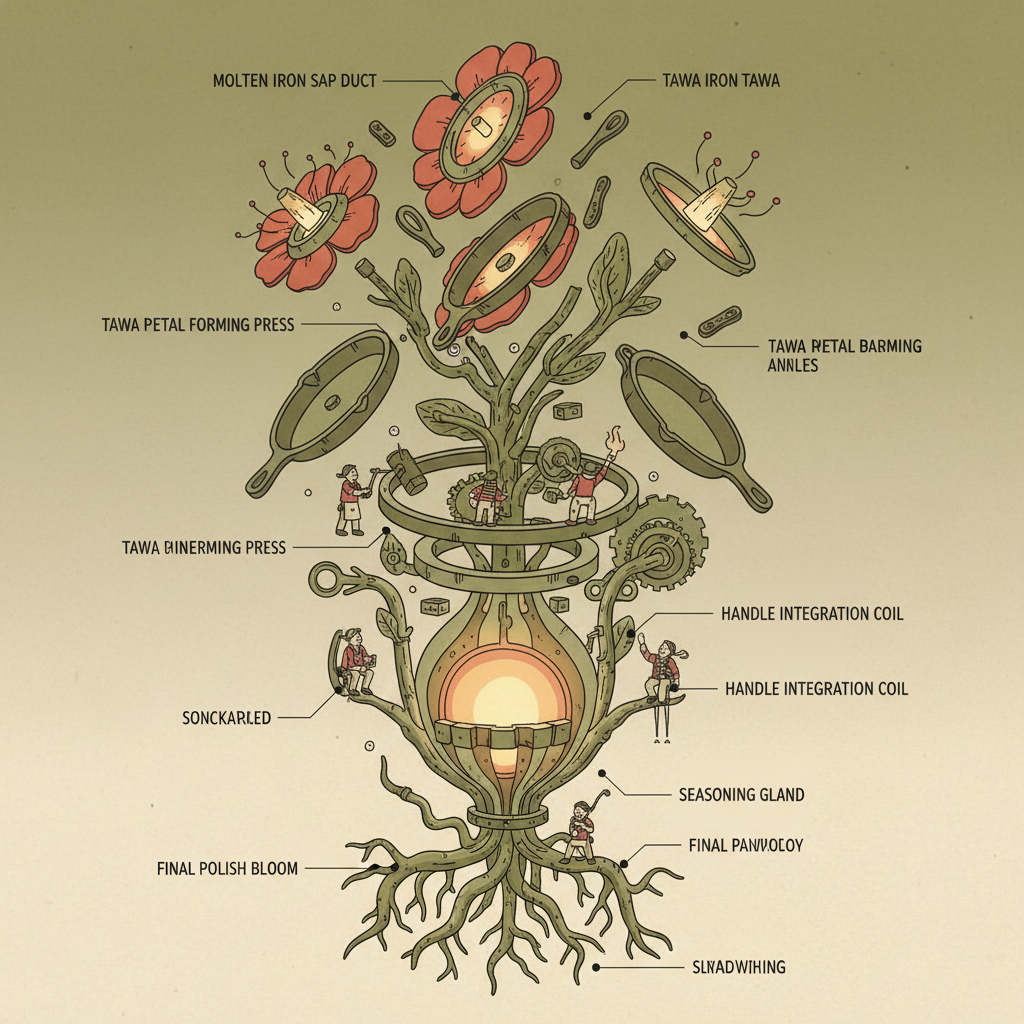
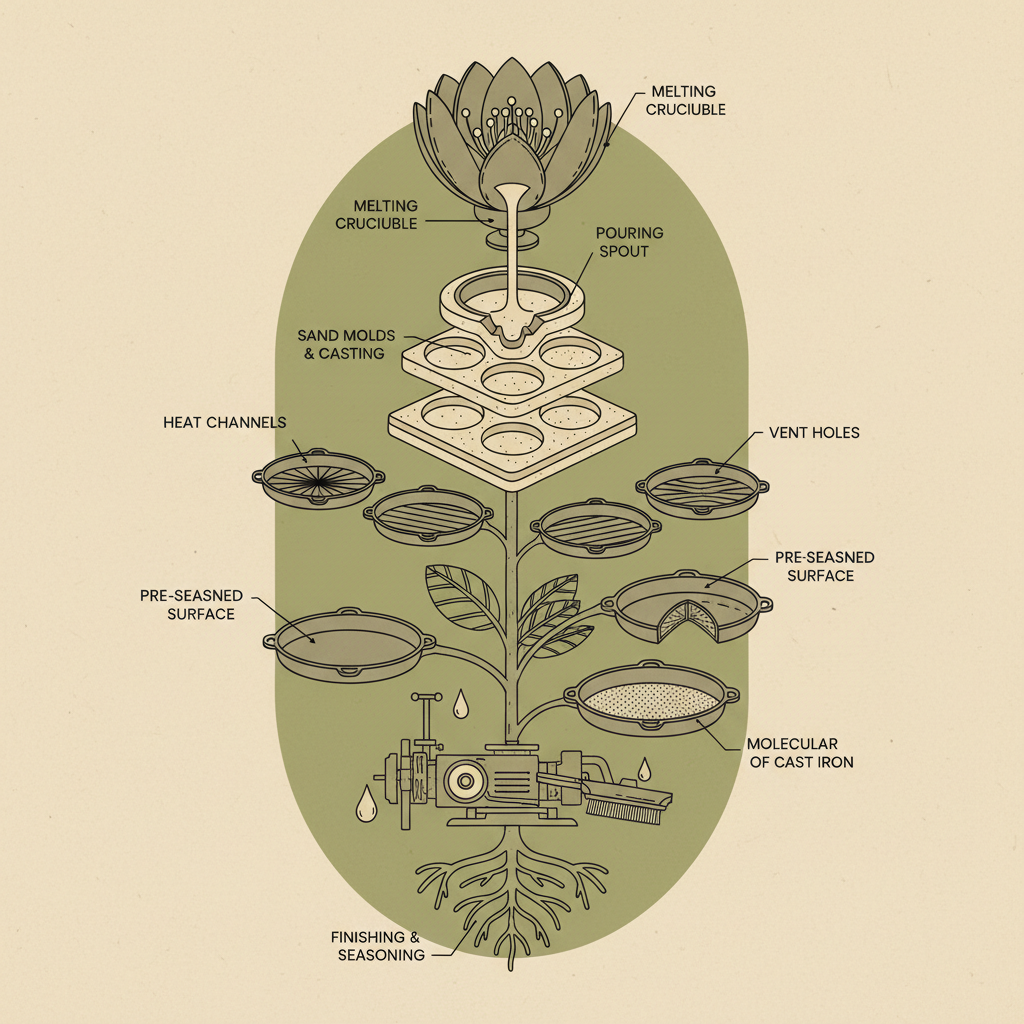
The market’s getting crowded, that's for sure. Lots of smaller players popping up in India and China, undercutting prices. It’s a race to the bottom sometimes. But you get what you pay for, right? I’ve been seeing a push for lighter-weight cast iron, using different alloys. Sounds good on paper, but it often sacrifices heat retention.
What's really interesting is the demand for pre-seasoned tawas. People want convenience, I guess. Used to be, seasoning was a ritual, part of the whole experience. Now they want it ready to go. I met a guy in Coimbatore, runs a small workshop, he's doing incredible things with flaxseed oil seasoning. Smells amazing, creates a really durable non-stick surface.
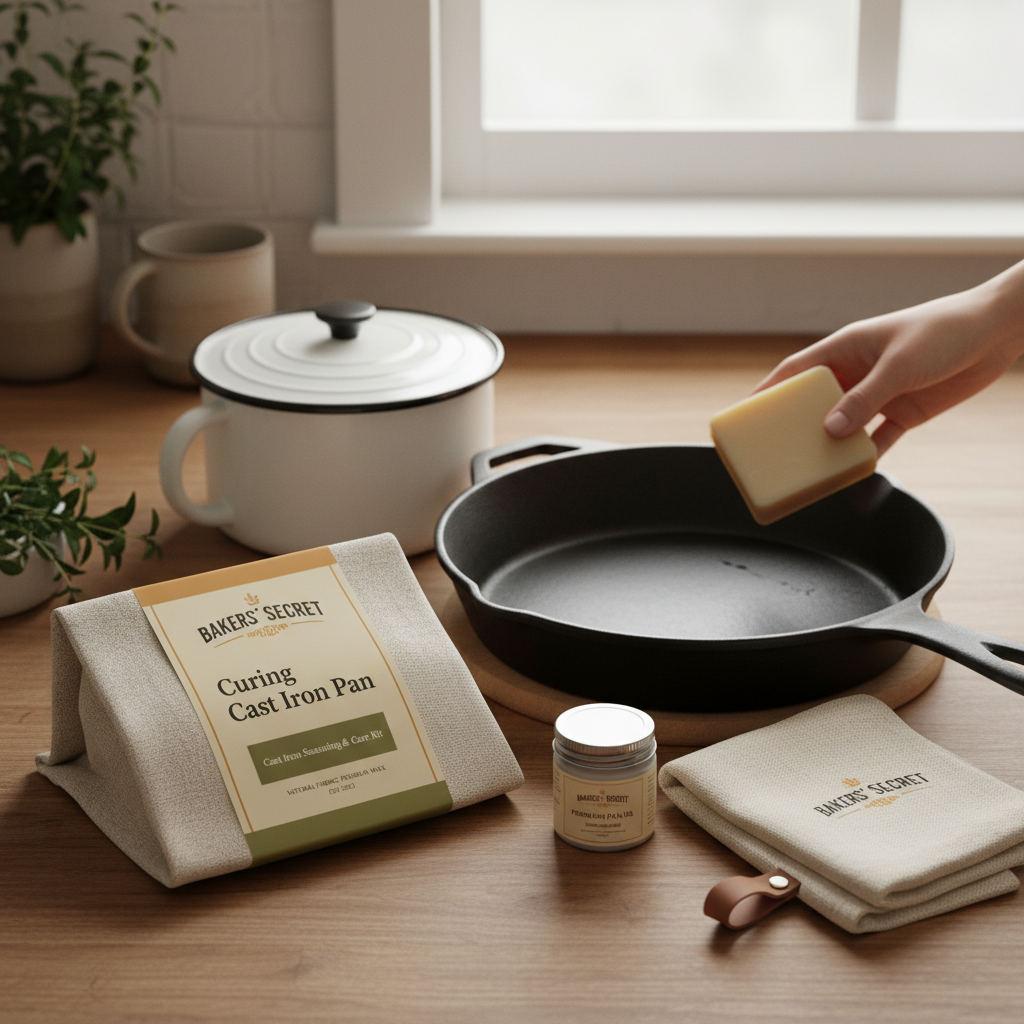
Honestly, there’s a lot of debate. I recommend multiple thin coats of flaxseed oil, baked in the oven at 350°F for an hour each time. Let it cool completely between coats. It’s tedious, but it builds up a really durable seasoning. Don't use too much oil – you want a thin, even layer. A sticky finish means you used too much. Repeat three to five times for best results.
The key is to keep it dry. After washing, dry it thoroughly with a towel, then place it on a burner over low heat for a few minutes to ensure all moisture is evaporated. A light coating of oil after drying helps prevent rust. Don't soak it in water, and avoid using harsh detergents. If it does rust, scrub it off with steel wool and re-season.
It’s a controversial topic. A little bit of mild soap won’t kill it, but avoid harsh detergents. The seasoning is more important. If you’re worried, just wipe it clean with a damp cloth and a little oil. Remember, the seasoning is a polymerised layer of oil, and excessive soap can break that down over time.
A flat tawa is better for things like dosas and chapatis, where you want a large, even cooking surface. A concave tawa is better for things like parathas, where you want to distribute the oil evenly and create a crispy texture. It really depends on what you're cooking. Some people prefer one over the other, it’s a personal preference.
Not necessarily. Heavier tawas retain heat better, but they can also be more difficult to handle. It’s a trade-off. A good quality, moderately heavy tawa is usually the best option. You want enough weight to provide good heat retention, but not so much that it’s awkward to use.
If you take care of it, a cast iron tawa can literally last generations. My grandmother had one that was over 100 years old! It's all about proper seasoning, avoiding rust, and not subjecting it to extreme temperature shocks. It's a legacy item, if you treat it right.
Ultimately, cast iron tawa manufacturers aren't about fancy tech or cutting-edge materials. It's about a centuries-old process, refined over time, that consistently delivers a reliable, durable, and versatile cooking tool. From the sourcing of the iron ore to the final seasoning, every step matters. It's a simple thing, really.
But whether this thing works or not, the worker will know the moment he tightens the screw. That's the bottom line. If it feels solid, heats evenly, and holds its seasoning, then it’s a good tawa. If not…well, back to the drawing board. Visit our website for more information: cast iron tawa manufacturers.

Inquire Now for Cast Iron Cookware Deals
Please Fill Out The Form Below And Our Team Will Get Back To You With Pricing, Product Details, And Customization Options.

Debien is advancing with time, updating equipment, elaborately carving out our brand, focusing on developing high-end products, and actively responding to market demands with creativity.


QUICK LINKS
CONTACT US
Debien is advancing with time, updating equipment, elaborately carving out our brand, focusing on developing high-end products, and actively responding to market demands with creativity.
Copyright © 2026 HEBEI DEBIEN TECHNOLOGY CO., LTD. All Rights Reserved. Sitemap | Privacy Policy | Top Blog