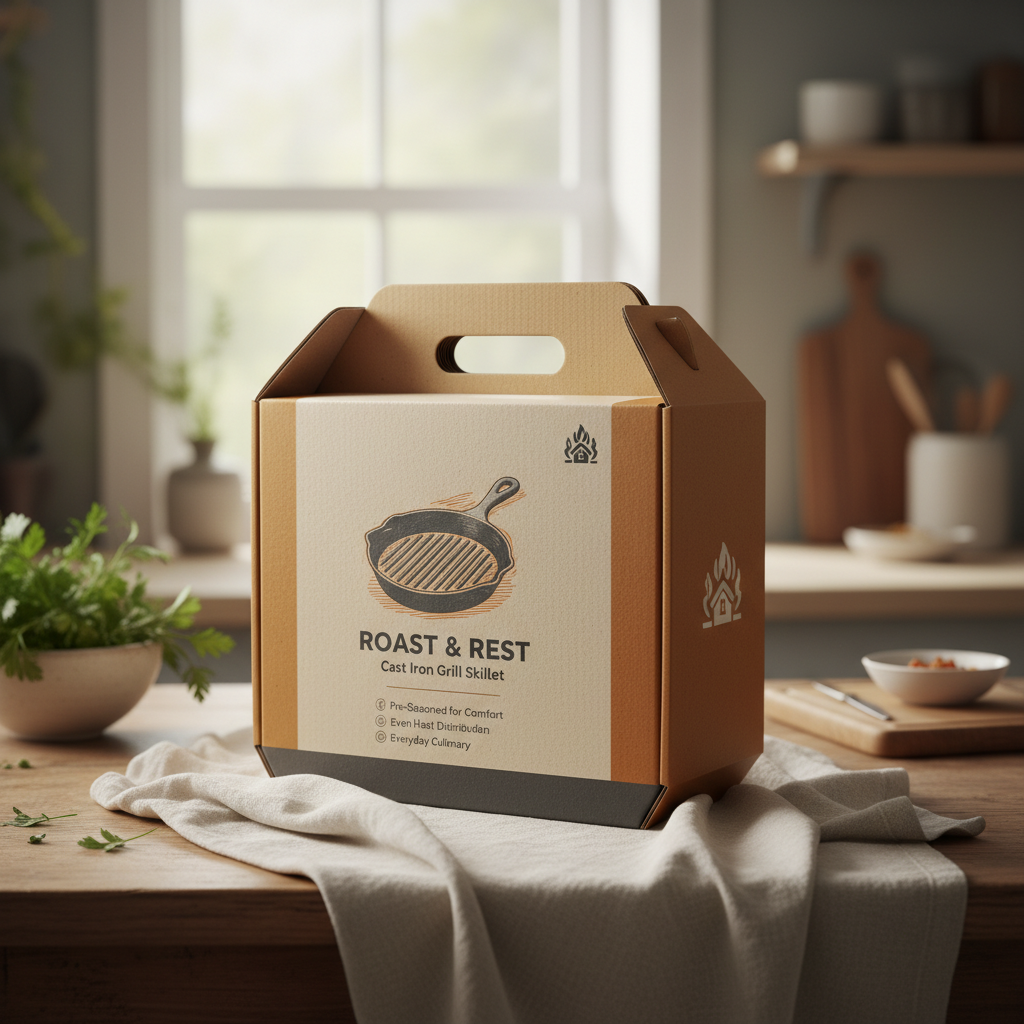


Honestly, this whole cast iron cookware market… it’s been moving fast. Everyone's chasing “pre-seasoned,” “lifetime warranty,” and “made in the USA.” But you spend a year on construction sites, hauling stuff, and you realize a lot of that marketing is just… air. I’ve seen things, man. Things. People want the romance, the Instagram aesthetic. They don't want to learn how to actually maintain the stuff.
It's funny, you think you've got a foolproof design, but then you get feedback from the field. Have you noticed how many people just aren’t strong enough to comfortably lift a fully loaded 12-inch skillet? I mean, seriously. It's a simple thing, weight distribution, but it's easily overlooked. I encountered this at a factory in Guangdong last time, they were pushing these massive things, claiming "professional grade." Professional for who, exactly? Strongmen?
And the materials. It's not just "cast iron," you know? There's different grades, different alloys. The good stuff, the real deal, smells… earthy, almost metallic when you first handle it. It’s got a weight to it that feels solid, not hollow. You can tell just by the feel. Some of the cheaper stuff smells like… well, let’s just say it smells like it was made in a hurry. I prefer the stuff from cast iron cookware makers; they actually source their iron responsibly.
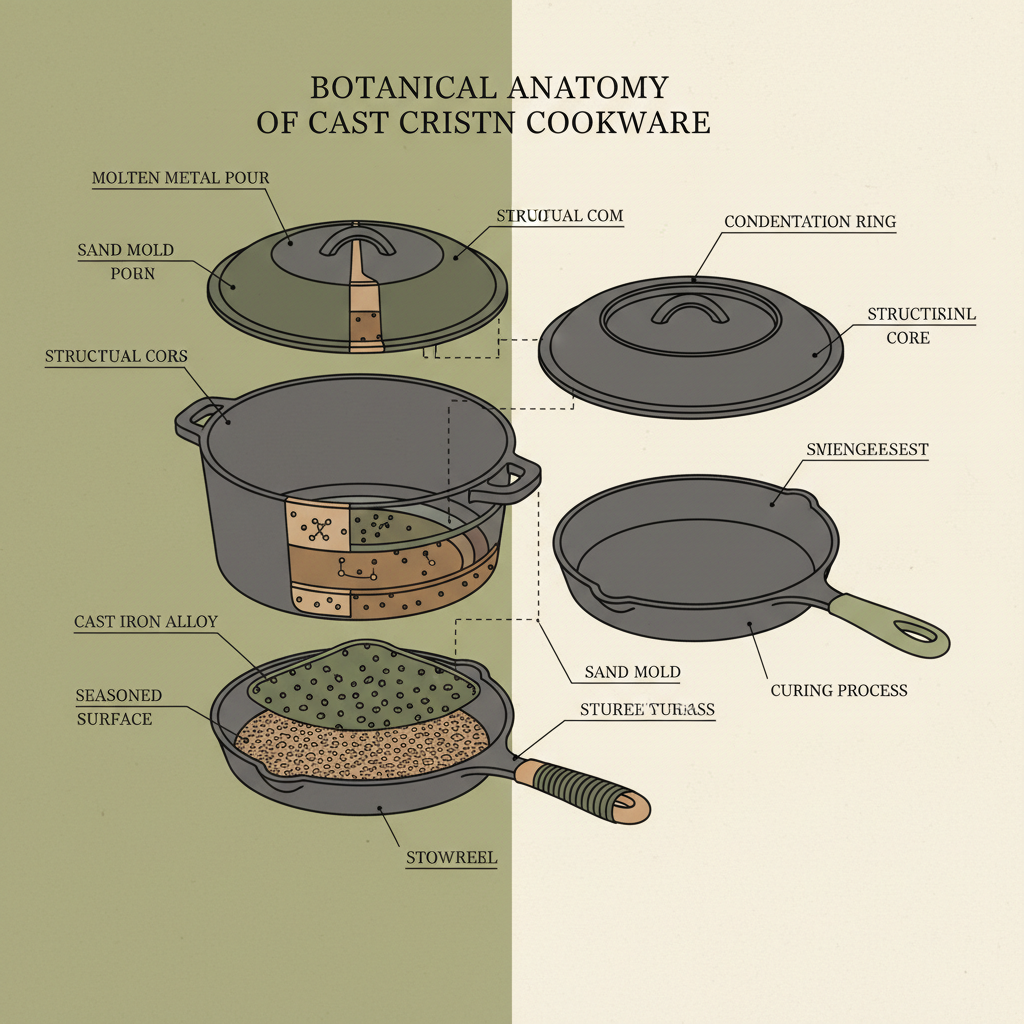
Strangely, there's been a resurgence in demand for the old-school, heavy-duty stuff. People are tired of non-stick coatings peeling off after six months. They're realizing that cast iron, when cared for properly, lasts generations. But "properly" is the key word, right? I’ve seen a lot of folks intimidated by the seasoning process, the maintenance. It's not hard, but it’s not instant gratification either.
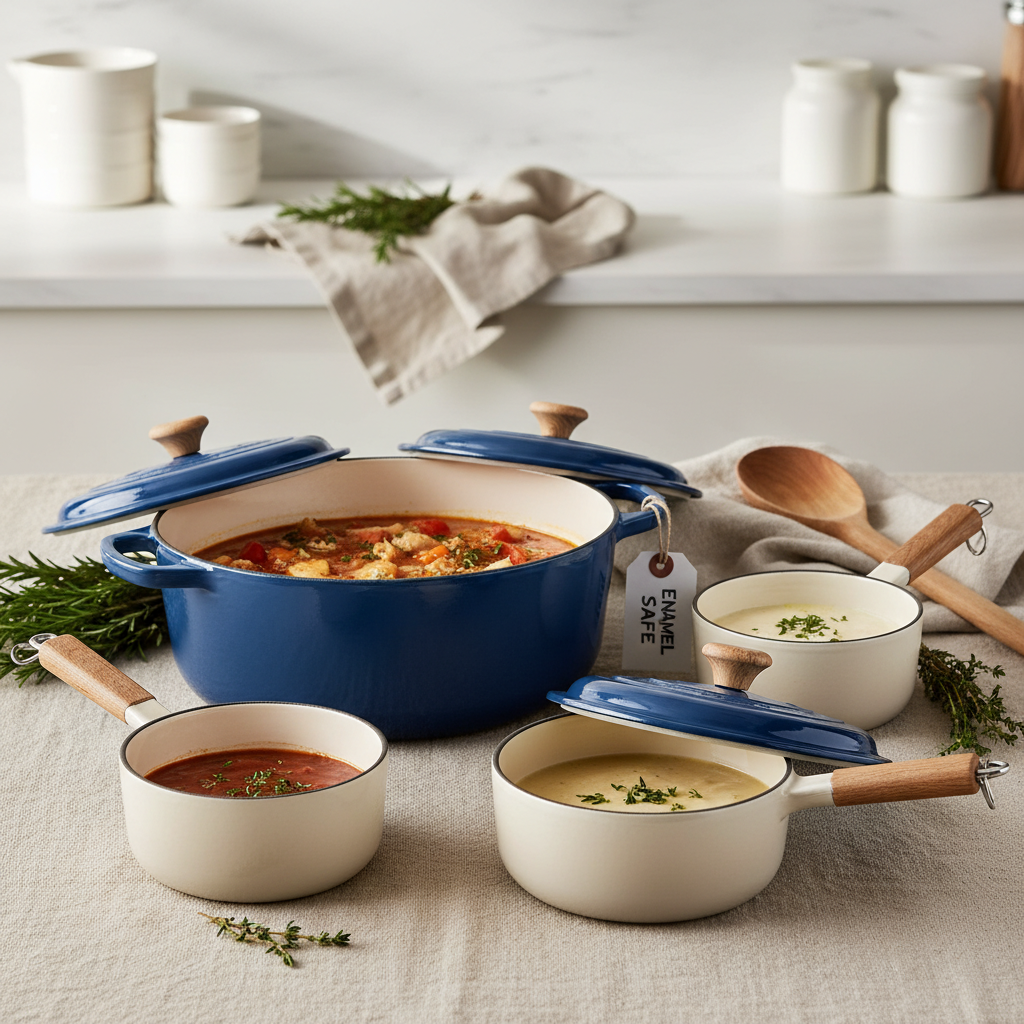
The big trend right now is enamel-coated cast iron. Colorful, easy to clean… but honestly, I think you lose some of the heat retention and responsiveness. Plus, if you chip the enamel, you're back to square one. It’s a compromise, I guess, for convenience.
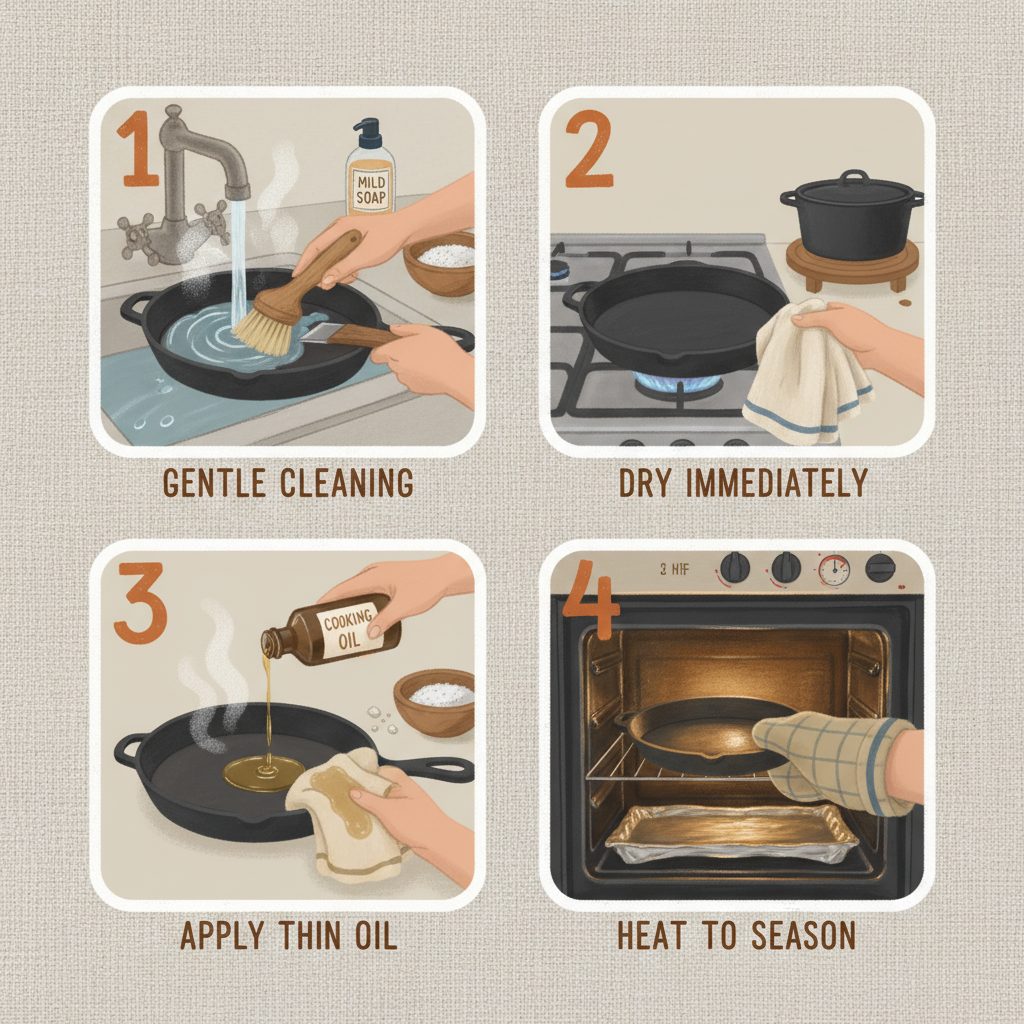
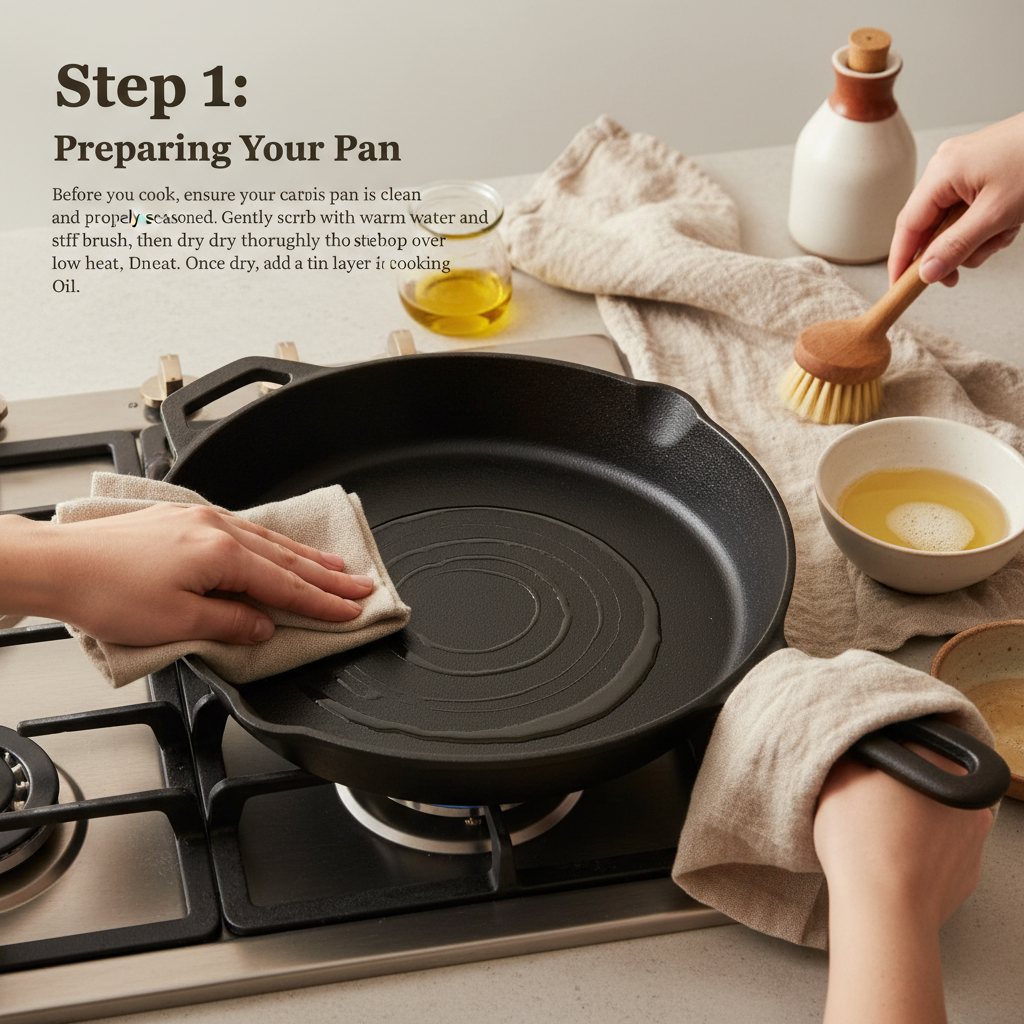
Honestly, there's a million opinions. I usually recommend a few thin coats of vegetable oil, baked in the oven at 400 degrees for an hour each time, repeating 3-4 times. The key is thin coats. You don't want it sticky. Some people swear by flaxseed oil, but it can be finicky. Ultimately, it's about building up those polymerized layers – that's what creates the non-stick surface. Don't expect miracles overnight.
Absolutely not. Seriously, don’t do it. The dishwasher will strip the seasoning right off. It's a fast track to rust city. Hand wash it gently with warm water and a soft sponge. If you really need to scrub, use a little salt as an abrasive. Then dry it thoroughly and apply a thin coat of oil. It's not that hard, I promise.
Rust happens. Don't panic. Scrub off the rust with steel wool or a wire brush. Then, re-season it from scratch. It’s a pain, but it’s fixable. Preventative maintenance is key, though. Always dry it thoroughly after washing and keep it lightly oiled. Store it in a dry place.
It’s close, but not quite. Enameled cast iron retains a lot of heat, but the enamel layer adds a slight barrier. Bare cast iron will generally heat up faster and retain heat a bit longer. It's a trade-off. Enameled is easier to clean, but bare cast iron is more responsive to temperature changes.
Vegetable oil, canola oil, grapeseed oil, and flaxseed oil are all popular choices. Each has its pros and cons. I generally recommend grapeseed oil for its high smoke point and neutral flavor. Avoid olive oil—it can get gummy. The important thing is to use an oil with a high smoke point and apply it in thin coats.
It depends. Sometimes you’re paying for branding. But a lot of the higher-end stuff is made with better materials and more precise manufacturing processes. It’s more durable, heats more evenly, and generally just feels better in your hand. Is it necessary? No. But if you’re a serious cook, it’s worth considering.
So, there you have it. Cast iron cookware is a bit of a throwback, but it’s still incredibly relevant. It’s durable, versatile, and can last a lifetime if you treat it right. It's not a perfect solution – it's heavy, requires maintenance, and can be unforgiving – but it’s a rewarding one. And ultimately, despite all the marketing hype and technical specifications...
Ultimately, whether this thing works or not, the worker will know the moment he tightens the screw. It’s about feel, about experience, about knowing your materials. And if you're looking for quality, I always point folks towards cast iron cookware makers. They understand what it takes to build something that lasts.

Inquire Now for Cast Iron Cookware Deals
Please Fill Out The Form Below And Our Team Will Get Back To You With Pricing, Product Details, And Customization Options.

Debien is advancing with time, updating equipment, elaborately carving out our brand, focusing on developing high-end products, and actively responding to market demands with creativity.


QUICK LINKS
CONTACT US
Debien is advancing with time, updating equipment, elaborately carving out our brand, focusing on developing high-end products, and actively responding to market demands with creativity.
Copyright © 2026 HEBEI DEBIEN TECHNOLOGY CO., LTD. All Rights Reserved. Sitemap | Privacy Policy | Top Blog