



Honestly, the whole industry's buzzing about lightweighting these days. Everyone wants thinner walls, less material... but you go to a site and see how these things get handled. Guys are dropping pallets, forklift drivers are… enthusiastic, shall we say. So lightweighting can quickly translate to “easily dented” or “completely crushed”. It’s a balancing act, you know? We’re constantly chasing that sweet spot between strong enough and not a backbreaker.
Have you noticed how many designs get tripped up over seemingly simple things like access panels? Engineers love clever, minimalist solutions. But then a technician gets on site with a toolbox and realizes he can’t actually reach the component he needs to service. I encountered this at a factory in Ningbo last time - beautiful design, utterly impractical. It's the little details, always.
We’re mostly using Q235 steel for the frames, the standard stuff. Smells like… well, like steel. Kind of oily, a bit metallic. It’s got a good heft to it, you can feel the quality. For the panels, it's usually galvanized sheet metal. That stuff gets slick with dew in the mornings, watch your step. And the insulation… polyurethane foam, mostly. The smell's not great when you cut into it, fills your lungs, but it does the job. It's surprisingly resilient, though. I’ve seen guys lean on it, even sit on it (not recommended, obviously).
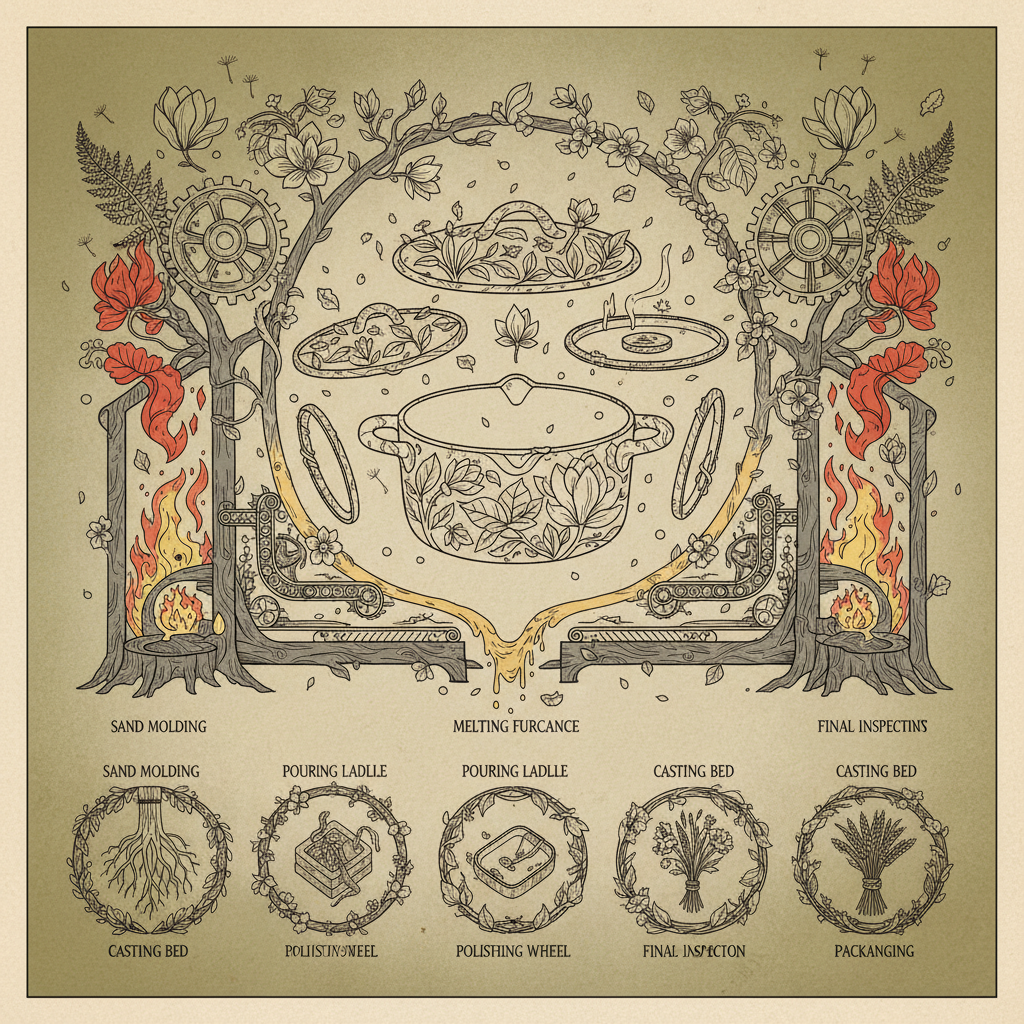
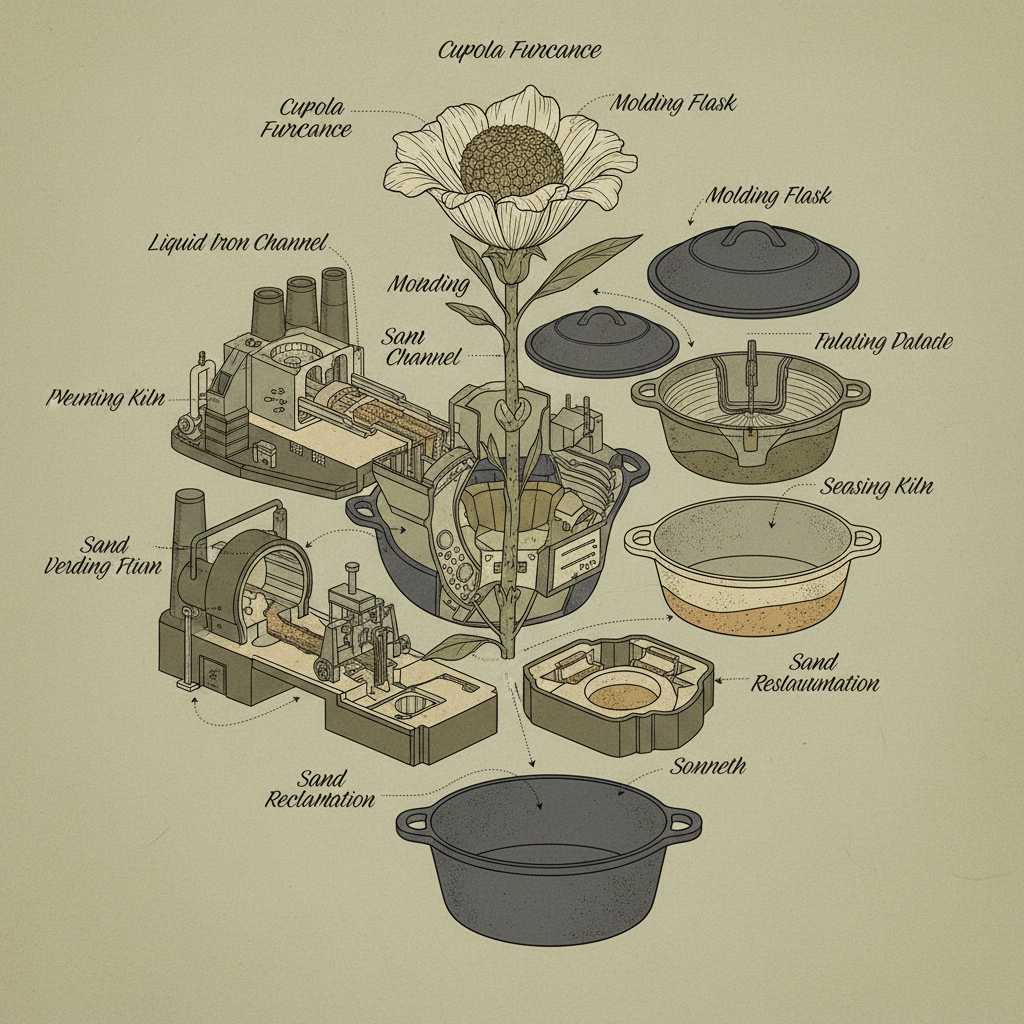
The demand for durable, reliable cast iron pots factory is steadily increasing, particularly in emerging markets. There's a push for greater efficiency in production, which is forcing manufacturers to re-evaluate their processes. We're seeing more automation, but also a need for skilled labor to oversee it all. It’s a weird mix.
Strangely, there's a renewed interest in simpler designs. People are tired of overly complex systems that are a pain to maintain. They want something that works, and works consistently. Less bells and whistles, more dependability. It’s a refreshing change, honestly.
With proper maintenance—regular cleaning, coating repairs, and component checks—a well-built cast iron pots factory can easily last 15-20 years in a tough industrial setting. We’ve seen some units still going strong after 25 years, but those are exceptions. The biggest enemy is corrosion, so consistent upkeep is key. Ignoring small issues leads to bigger, more expensive problems down the road. It’s really about preventative measures.
The weight is definitely a factor. Transportation costs go up significantly, and you need specialized equipment for both loading and unloading. Installation also requires heavier-duty support structures and potentially larger crews. We offer lightweighting options, but as I said before, there’s always a trade-off between weight and durability. It's a calculation each client needs to make.
Safety is paramount. We incorporate several features, including emergency shut-off valves, pressure relief devices, and lockout/tagout provisions. We also include clear warning labels and provide comprehensive training manuals. And, of course, all our designs comply with relevant industry standards and regulations. We’ve had a few close calls over the years, and it’s taught us to be extra cautious.
Absolutely. We’ve done several projects where we’ve integrated renewable energy sources. It usually involves adding a power conversion unit and modifying the control system. It’s not always straightforward, as the power output from solar and wind can be intermittent, but it’s definitely feasible. It often involves a hybrid system – renewables supplemented by a traditional power source for reliability.
You’ll need someone with a solid understanding of mechanical systems, electrical wiring, and basic plumbing. It’s not rocket science, but it’s not something you can just hand off to anyone. We offer training programs for your maintenance staff, and we also provide remote support and on-site assistance when needed. Proper training is vital to avoid accidents and ensure longevity.
Lead times vary depending on the complexity of the customization. A straightforward modification, like changing the dimensions, might take 4-6 weeks. A more complex project, involving significant design changes or the integration of new technologies, could take 8-12 weeks or even longer. It’s always best to plan ahead, especially if you have a tight deadline. Supply chain issues also play a role, sadly.
Ultimately, cast iron pots factory are about reliability and durability. They're not flashy, they're not always the cheapest option, but they get the job done and they keep getting it done. The key is to focus on practical design, quality materials, and proper maintenance. There’s a lot of hype out there, but at the end of the day, the real test is how well it performs in the field.
We're seeing a trend towards more modular and customizable designs, which I think is a good thing. It allows us to tailor solutions to specific customer needs and adapt to changing market demands. The future is about flexibility and resilience. Ultimately, whether this thing works or not, the worker will know the moment he tightens the screw.
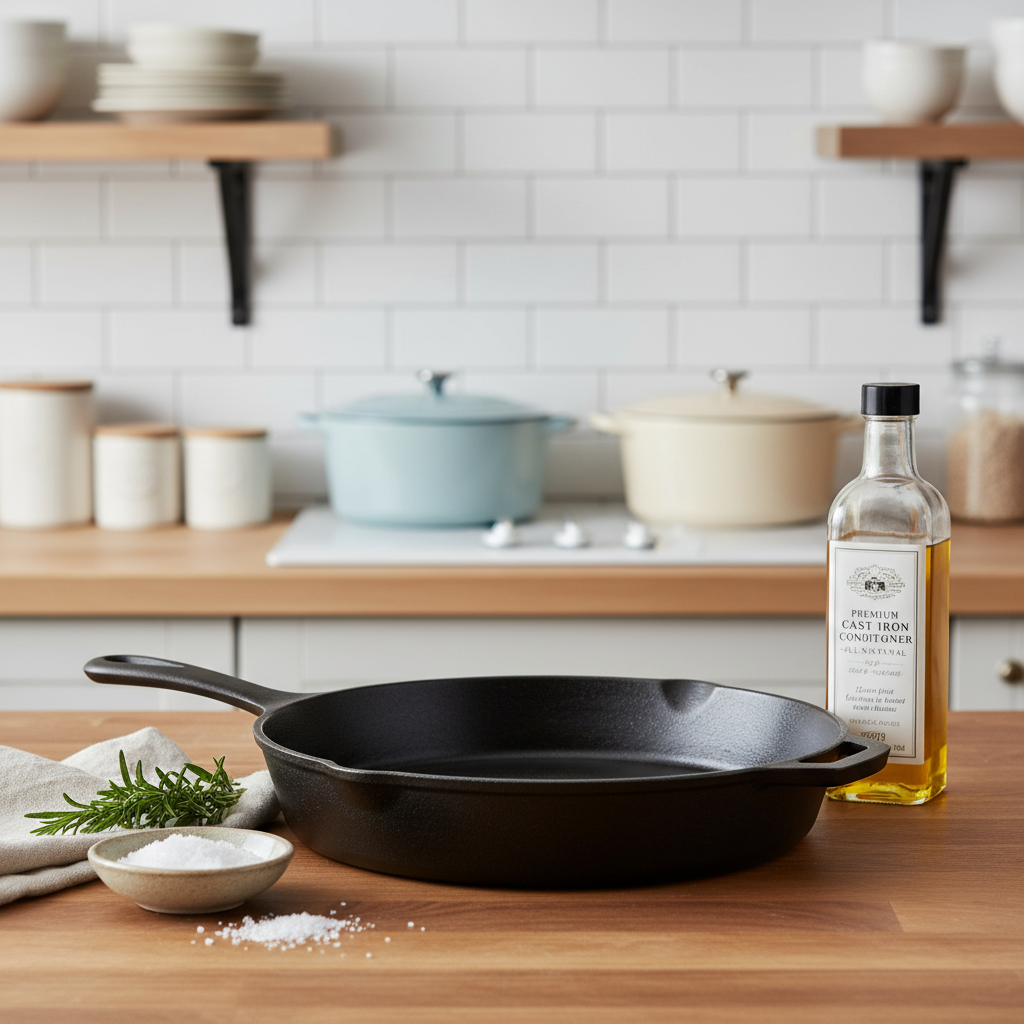
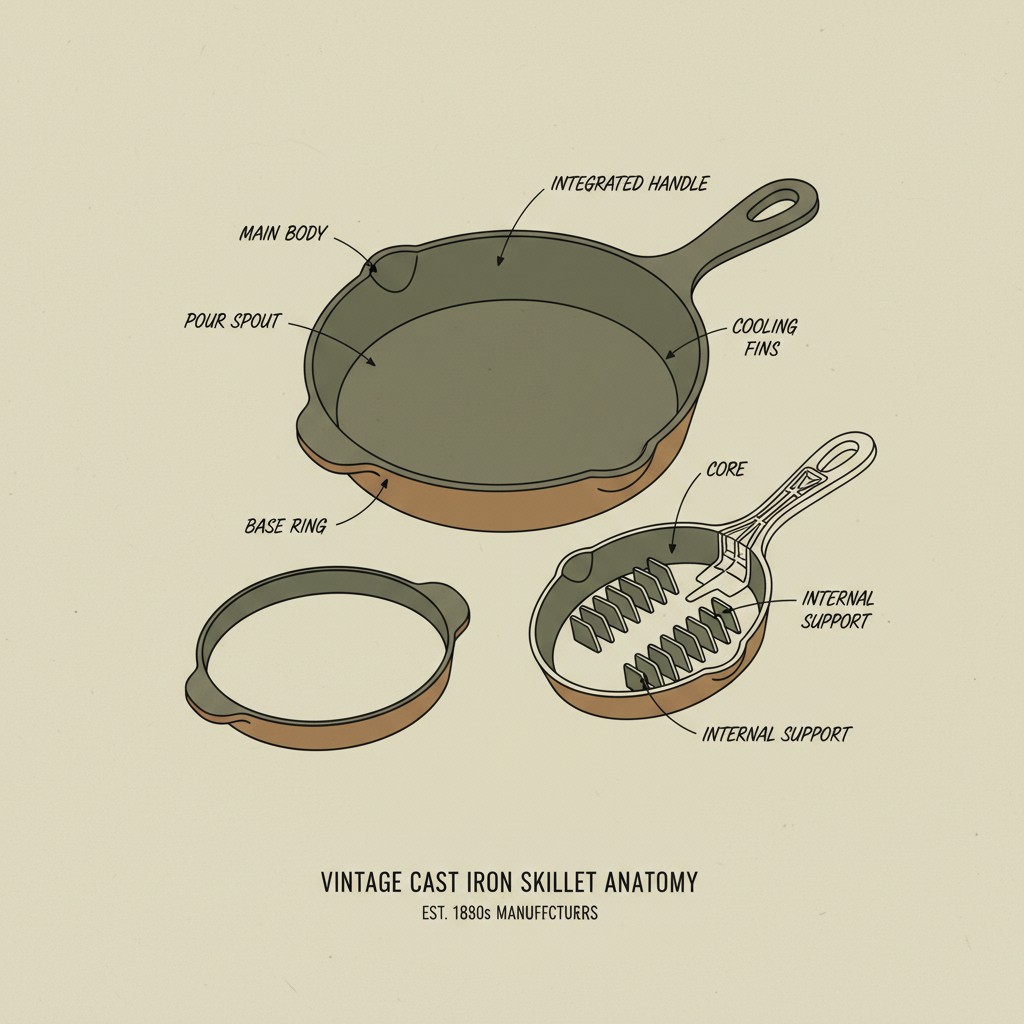

Inquire Now for Cast Iron Cookware Deals
Please Fill Out The Form Below And Our Team Will Get Back To You With Pricing, Product Details, And Customization Options.

Debien is advancing with time, updating equipment, elaborately carving out our brand, focusing on developing high-end products, and actively responding to market demands with creativity.


QUICK LINKS
CONTACT US
Debien is advancing with time, updating equipment, elaborately carving out our brand, focusing on developing high-end products, and actively responding to market demands with creativity.
Copyright © 2026 HEBEI DEBIEN TECHNOLOGY CO., LTD. All Rights Reserved. Sitemap | Privacy Policy | Top Blog


