

Honestly, things are moving fast these days. Everyone's talking about sustainability, right? And prefabrication. It's not just a buzzword anymore, it's what's keeping a lot of companies afloat. Been seeing a lot more focus on modular components, minimizing waste, and frankly, making things easier for the guys on the ground. They're tired of patching up messes. We’ve gotta think about the whole lifecycle, not just slapping something together and moving on. It’s… a whole different mindset.
The biggest trap? Over-engineering, hands down. Engineers love to design things that can do something, not things that need to. You end up with a complicated mess that's a nightmare to assemble and even harder to fix. Keep it simple, folks. Simple. And don’t forget about real-world tolerances. A perfect drawing doesn’t mean a perfect fit on a windy construction site.
And the materials… that’s a whole other story. We're using a lot of high-strength steel, obviously. But there's been a shift towards lighter-weight alloys, too. It makes a difference when you’re hauling things around all day. Have you noticed the smell of certain composites when they’re cut? Kind of sweet, almost candy-like. Bit unsettling, actually. The trick is knowing how to handle each material. Some need to be stored covered, others you need gloves for… it’s a learning process, believe me.
To be honest, we're seeing a huge push towards faster deployment. Everyone wants things yesterday. The whole industry is obsessed with streamlining workflows, cutting costs, and getting stuff up and running as quickly as possible. It’s driven by demand, obviously, but also by the shortage of skilled labor. Finding reliable crews is getting harder every year.
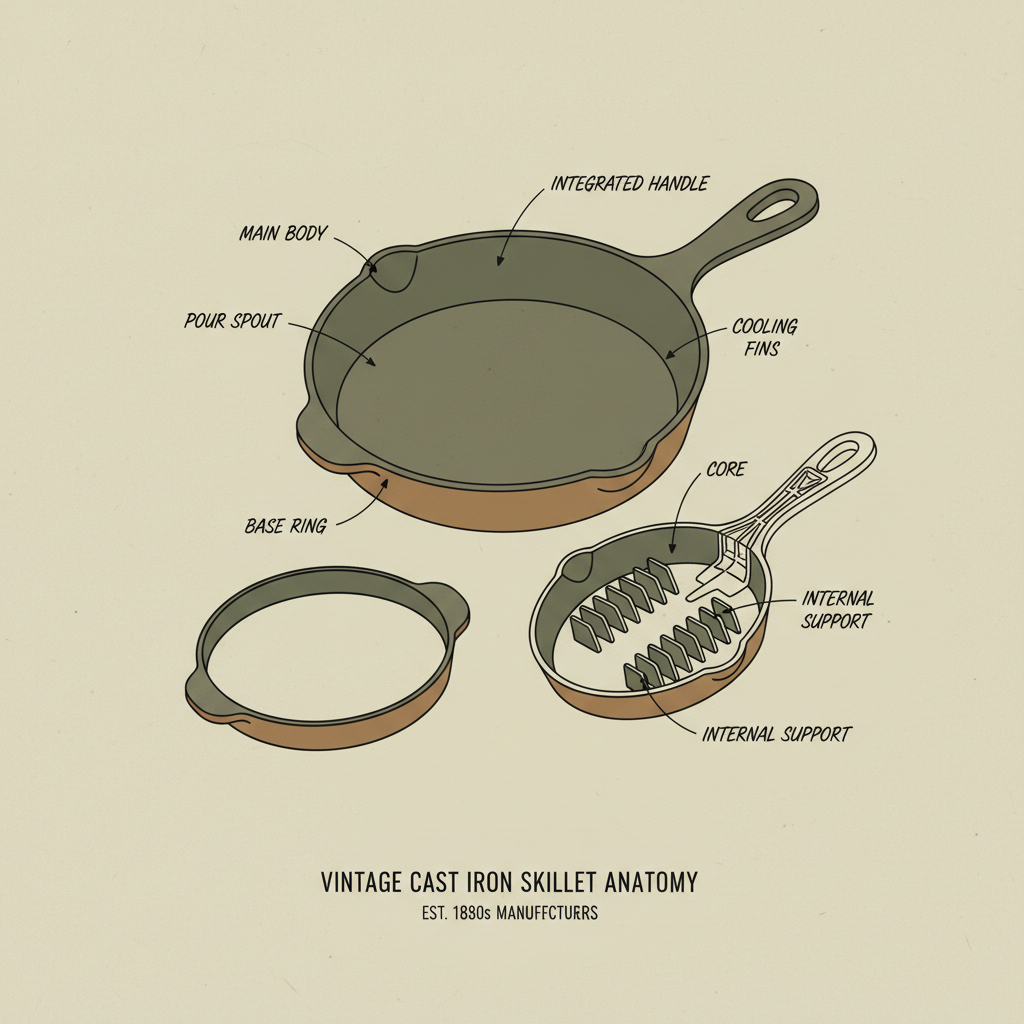
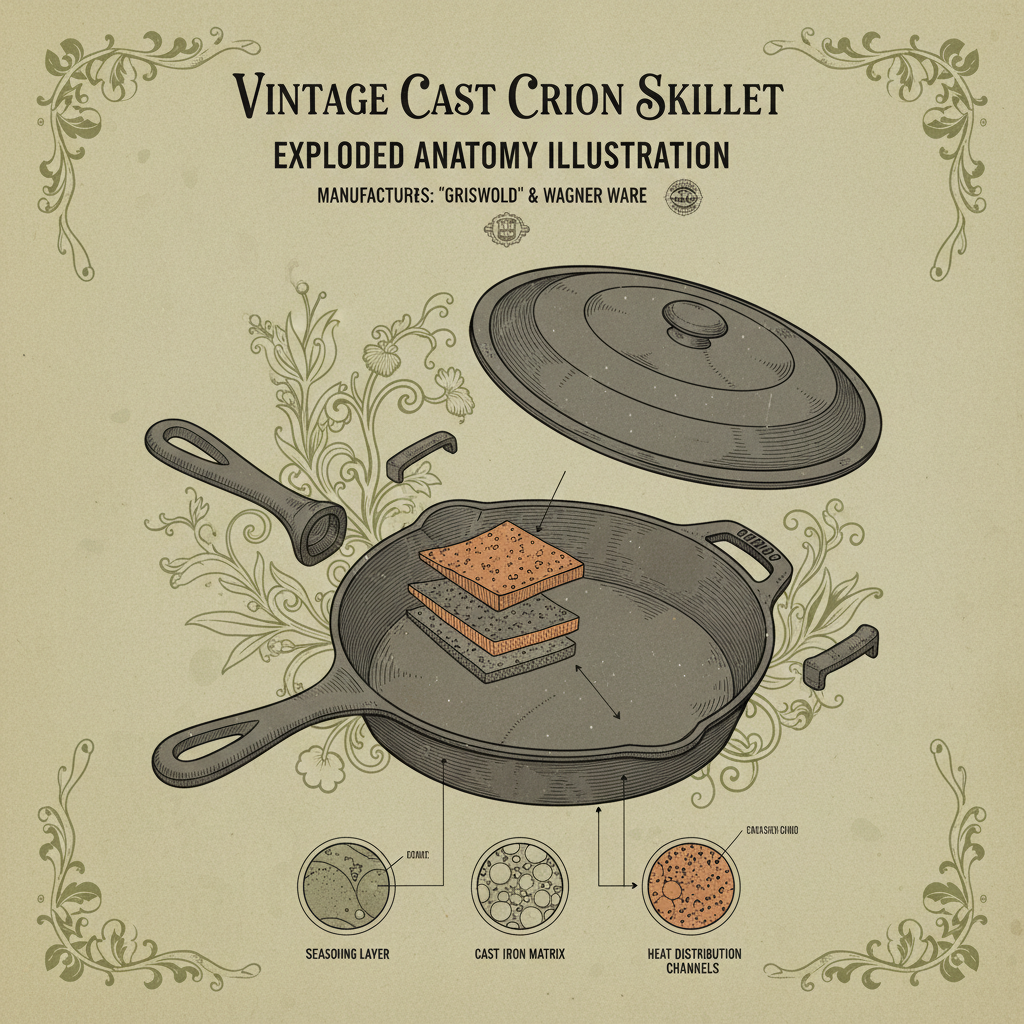
It's impacting how cast iron skillet vintage manufacturers are designed and built. We're moving away from complex on-site assembly towards more pre-fabricated components. That means more factory work, but less reliance on unpredictable conditions in the field. Which, frankly, is a good thing. It also means tighter quality control, which is always appreciated.
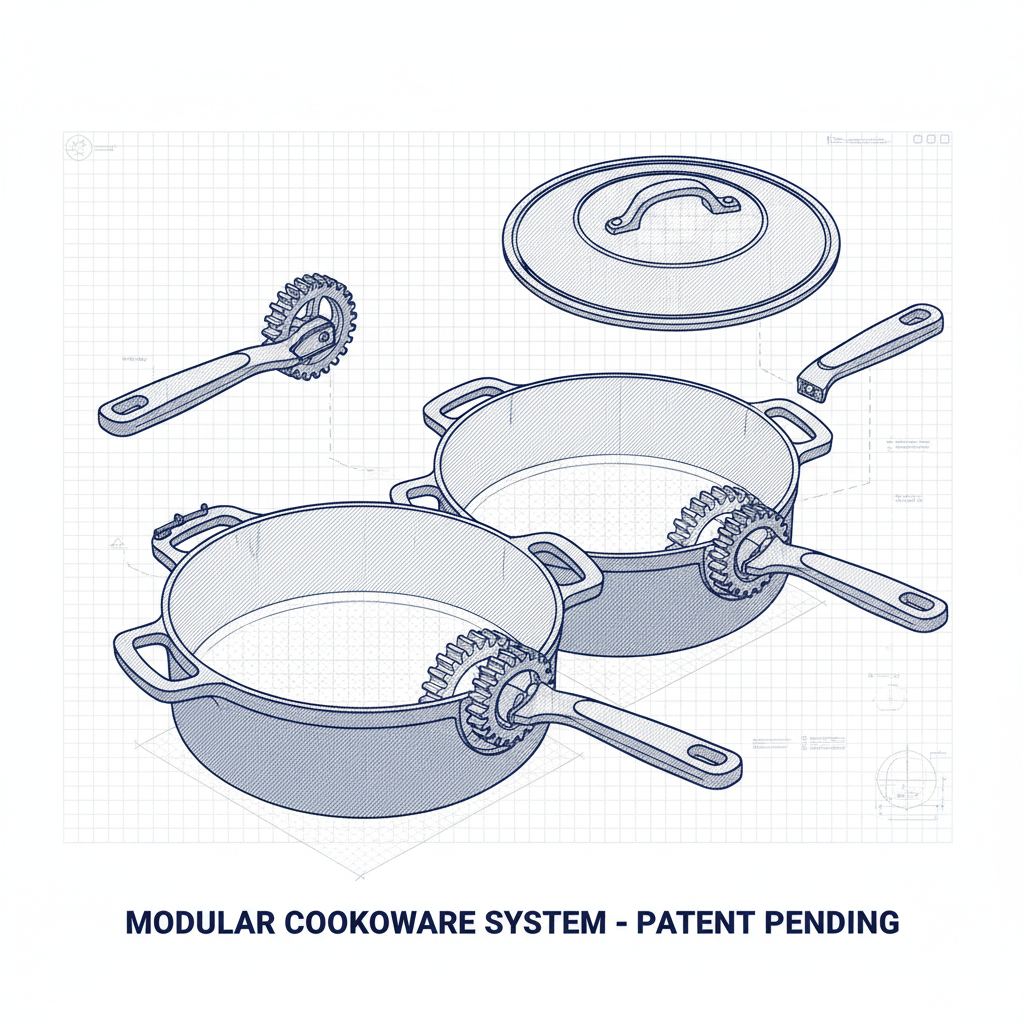
The main benefits boil down to speed and efficiency. Prefabrication significantly reduces on-site construction time, minimizing labor costs and disruption. This also allows for greater quality control in a factory setting, where conditions are more consistent and monitored. Less waste is generated, too, which is a win for sustainability and your wallet. Ultimately, it's about streamlining the process from start to finish.
Material selection is critical. High-strength steel offers excellent durability, but can be heavy and prone to corrosion if not properly treated. Aluminum is lighter but less robust. Composites offer a good balance, but their long-term performance can be variable. The key is choosing materials suited to the specific environment and application, and ensuring they're properly maintained. You can’t skimp on quality here, or you’ll be dealing with problems down the road.
Logistics is a nightmare, honestly. Getting these large components from the factory to the site requires careful planning and coordination. Damage during transport is a constant concern. Assembly can be tricky, especially in tight spaces or adverse weather conditions. You need skilled crews and the right equipment, and even then, things can go wrong. Having a detailed assembly plan and contingency plans is essential.
Flexibility is key. Design modularly, so you can easily add or remove components. Don't over-engineer, and avoid proprietary connections that limit your options. Think about how the structure can be reconfigured or expanded in the future. And, most importantly, talk to the end users – understand their potential needs and how they might evolve over time.
It depends on the scope of the project and the budget. Smaller projects can accommodate more customization. Larger projects typically rely on a standardized framework with limited options for modification. Extensive customization can significantly increase costs and lead times. We usually offer a range of standard components and finishes, and then allow customers to make some adjustments within those parameters.
We employ a multi-faceted testing approach. That includes finite element analysis (FEA) to simulate stress and strain, as well as physical testing of components under various loads. We also conduct destructive testing to determine failure points. And, as I said earlier, we put the completed structures through rigorous real-world testing, including exposure to extreme weather and simulated seismic activity. It’s not just about meeting codes, it’s about ensuring the structure can withstand anything thrown its way.
Ultimately, whether these things work or not comes down to a few key factors: careful planning, quality materials, skilled labor, and a healthy dose of common sense. We can design and engineer the most sophisticated structures in the world, but it all comes down to how they’re built and maintained. It's about thinking beyond the blueprint and understanding the realities of the construction site.
And honestly, I think the industry is moving in the right direction. There's a growing emphasis on sustainability, efficiency, and quality. But we still have a long way to go. We need to continue to innovate, to collaborate, and to learn from our mistakes. Because at the end of the day, it’s the worker tightening that last screw who truly knows whether it's going to stand the test of time. And that, well, that's what keeps me coming back.

Inquire Now for Cast Iron Cookware Deals
Please Fill Out The Form Below And Our Team Will Get Back To You With Pricing, Product Details, And Customization Options.

Debien is advancing with time, updating equipment, elaborately carving out our brand, focusing on developing high-end products, and actively responding to market demands with creativity.


QUICK LINKS
CONTACT US
Debien is advancing with time, updating equipment, elaborately carving out our brand, focusing on developing high-end products, and actively responding to market demands with creativity.
Copyright © 2026 HEBEI DEBIEN TECHNOLOGY CO., LTD. All Rights Reserved. Sitemap | Privacy Policy | Top Blog