
wechat
WeChat
whatsapp
Email
up
0%

Table of Contents

Honestly, the cast iron pan factory world is buzzing about lightweighting right now. Everyone wants thinner walls, faster heating… but you gotta remember, it’s cast iron. You push it too far, and it’ll warp faster than you can say “thermal stress.” I’ve seen it happen, spent a whole week at a factory in Debiec cookware just watching pans get rejected.

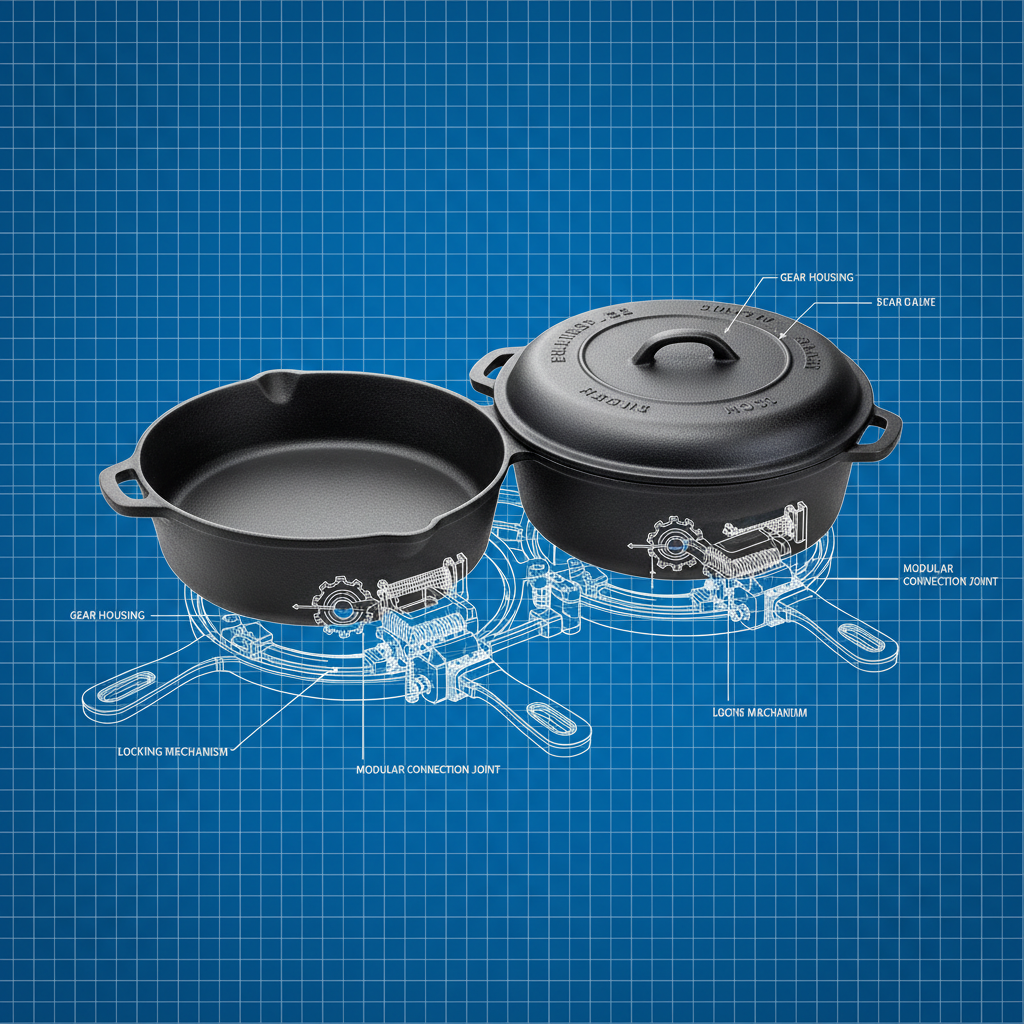
Have you noticed how many designs try to get fancy with the handle attachments? It always looks great in the CAD drawings, sleek and modern. But out on the factory floor, those complex joints are just begging for stress fractures. Simple is better. I encountered this at a smaller factory last time, they were trying to weld a curved handle directly onto the pan body… didn’t end well. The welds cracked under basic heat testing.

And the iron itself? It's not just 'iron', you know. It's a blend. Mostly gray cast iron, of course, but the percentage of ductile iron makes all the difference. That ductile iron gives it a little bit of give, prevents it from being brittle as hell. Smells metallic when you’re handling the raw material, kinda oily sometimes depending on the foundry's process. You can feel the difference – the gray iron’s rougher, almost grainy, while the ductile stuff is smoother. You gotta wear gloves, though, seriously. Rust is no joke.
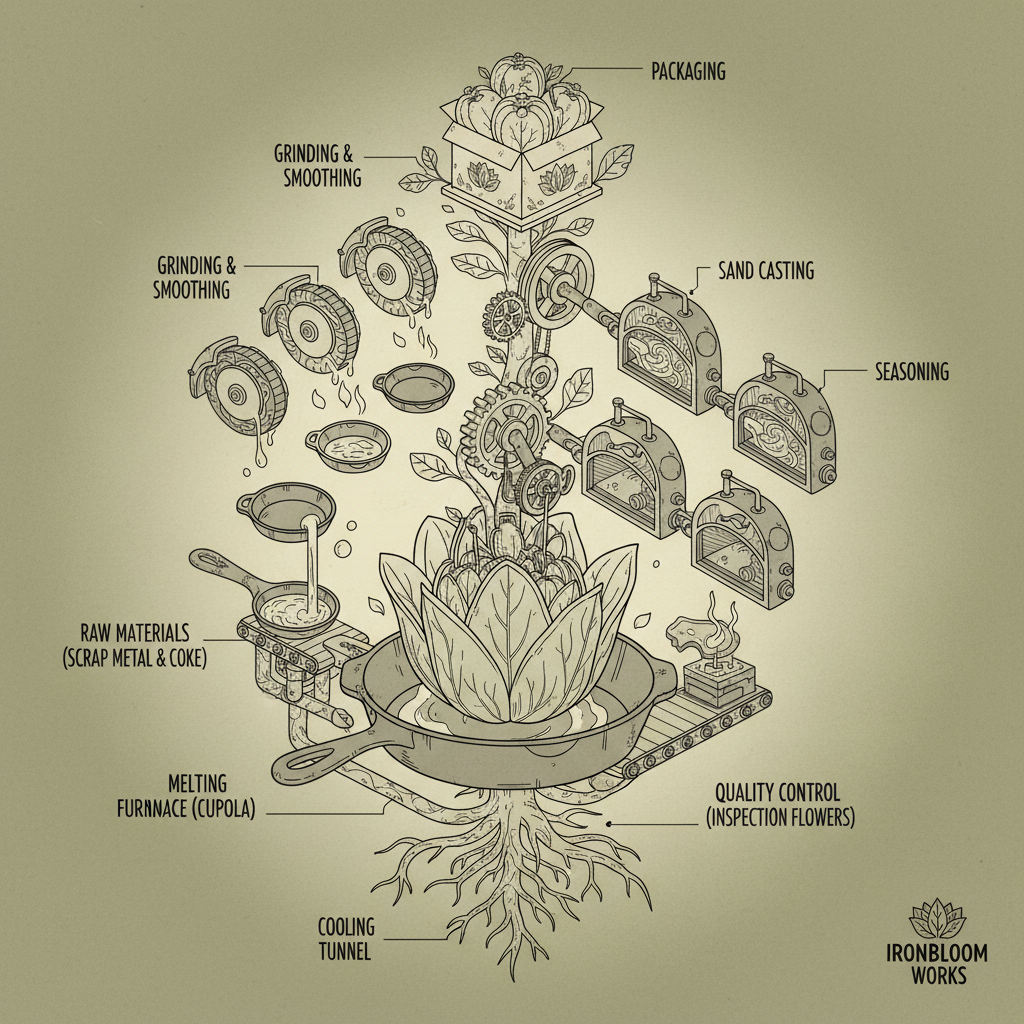
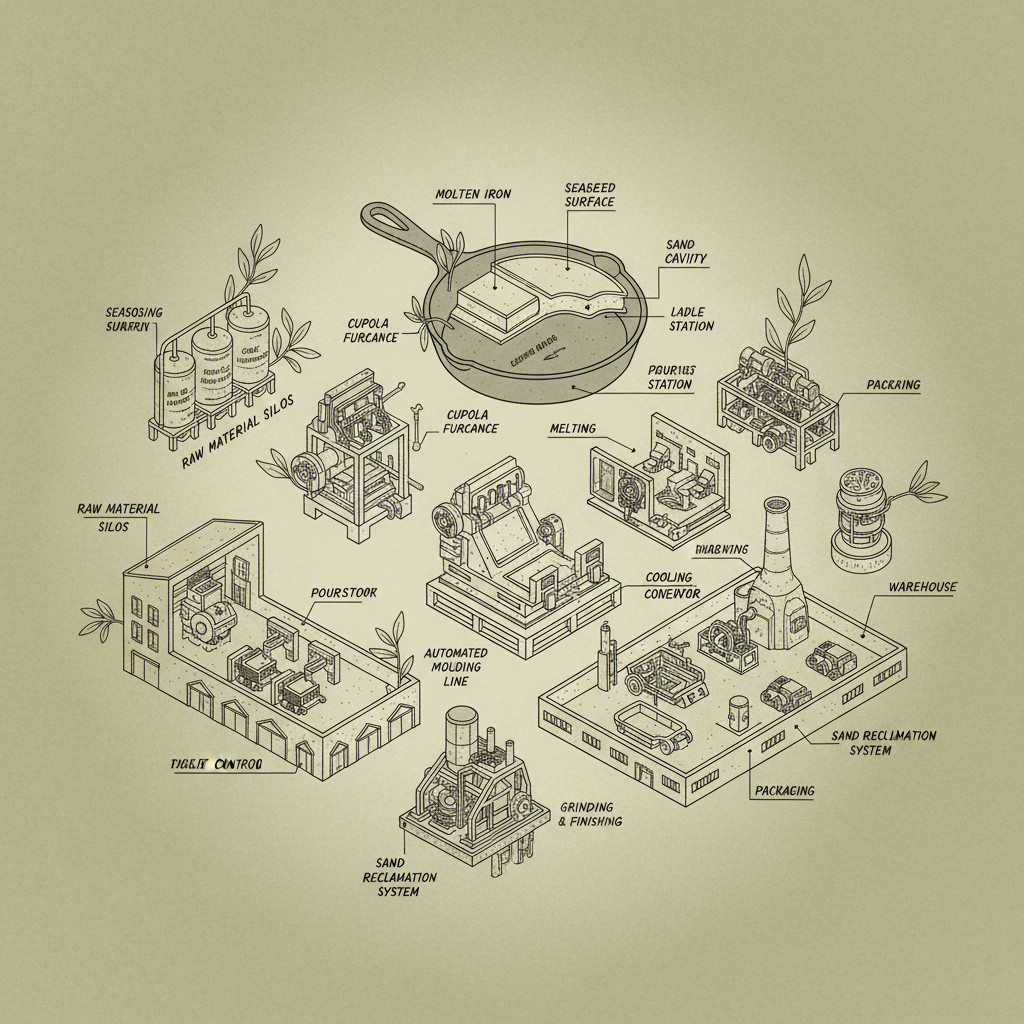
Insights from a Cast Iron Pan Factory on Manufacturing and Quality Control

The Current Trends in Cast Iron Pan Manufacturing

Insights from a Cast Iron Pan Factory on Manufacturing and Quality Control

Like I said, lightweighting is huge. But another thing I’m seeing a lot of is pre-seasoning. Factories are spending more and more on getting that initial layer of polymerized oil perfect. Customers don’t want to deal with the hassle of seasoning it themselves. It’s a pain, let’s be honest. It adds cost, obviously, but it's a selling point.

Also, there’s a surprisingly big push for enamel coatings. Makes it easier to clean, more visually appealing… but it changes the whole character of cast iron, doesn’t it? You lose some of that heat retention, some of that inherent non-stick quality. Strangely, some customers seem to want that.

Design Pitfalls to Watch Out For

Thin walls. Always thin walls. It's tempting, to save on material costs and reduce weight. But cast iron needs mass. It needs that thermal inertia. And those fancy handle designs… anything that creates a stress concentration point is a no-go. You'll get cracks, guaranteed. I’ve seen too many beautiful designs fail because someone didn’t think about the basic physics.

Another one: uneven wall thickness. If you’re casting a pan with a flared edge, you gotta be careful to maintain a consistent wall thickness. Otherwise, you’ll get warping during cooling. It’s a tricky process, requires precise mold making.

And don't even get me started on non-flat bottoms. Induction cooktops hate that. You'll have uneven heating and frustrated customers.

Material Composition and Handling

The quality of the iron ore matters, big time. You want a consistent chemical composition. Trace elements can affect the casting process and the final properties of the pan. We work with cast iron pan factory to source the iron and have seen dramatic improvements.

Handling the molten iron is… an experience. The heat, the smell of burning sand from the molds... it's intense. You gotta respect it. And the pouring process itself, that's where a lot of defects can creep in. Air bubbles, slag inclusions… you gotta have skilled molders and rigorous quality control.

The sand molds themselves are critical. Different types of sand, different binders… it all affects the surface finish and the accuracy of the casting. We've experimented with different sand mixtures for years, trying to find the perfect balance between cost and performance.

Real-World Testing Protocols

Forget the lab tests, honestly. Those are useful for basic material properties, sure. But the real test is using the pan. We have a dedicated testing area at the factory where we actually cook with the pans. Eggs, bacon, pancakes… the works. We look for sticking, uneven heating, warping, and any other issues that might affect performance.

We also do thermal shock tests. Heating a cold pan rapidly, cooling it rapidly. That's where you find out if it's going to crack. It’s brutal. And we drop test them, too. Not from crazy heights, but enough to simulate what might happen in a real kitchen.

Cast Iron Pan Factory Testing Metrics


How Users Actually Use Cast Iron Pans

It's not always what you expect. A lot of people treat them like non-stick pans, using soap and water. Which, you know, you shouldn’t. But they do. And surprisingly, many of them get away with it. There's a certain resilience to cast iron.

I've noticed a trend toward people using them for searing steaks – high heat, quick cooking. They're good for that. Really good. But I also see people trying to boil acidic sauces in them. That's a recipe for disaster. The acid strips the seasoning, and you end up with a rusty pan.

Advantages, Disadvantages, and Customization

Advantages? Heat retention, obviously. Even heating. Durability. It’s a workhorse. Disadvantages? Weight. Rust. The seasoning maintenance. It's not a carefree cooking experience. But for certain things, it’s irreplaceable.

Customization? We can do a lot. Handle shapes, sizes, surface textures… We even had one customer who wanted a custom logo sandblasted into the bottom of the pan. It was a small order, but they were very particular.

A Customer Story from Shenzhen

Last month, that small boss in Shenzhen who makes smart home devices insisted on changing the interface to . For the handle attachment, of course. He said it was for “future-proofing”. I tried to explain to him that it wasn’t necessary, that a simple threaded connection was more than strong enough. But he wouldn't listen. He wanted the sleekness of the connector.

The result? The connector cracked after about a week of use. Apparently, the stress from heating and cooling cycles was too much for it. He ended up going back to the threaded connection, grudgingly. I told him, “Sometimes, simple is better,” but he just waved me off. These tech guys...

Anyway, I think that story illustrates a bigger point. You can over-engineer things. You can get caught up in the latest trends and forget about the fundamentals.

Summary of Cast Iron Pan Factory Quality Control Parameters

Parameter Testing Method Acceptance Criteria Frequency
Surface Roughness Profilometer Ra Every Batch
Wall Thickness Variation Ultrasonic Testing ± 0.5 mm Every 50th Pan
Tensile Strength Tensile Testing Machine > 200 MPa Monthly
Seasoning Quality Visual Inspection & Adhesion Test No flaking, even coating Every Pan
Thermal Shock Resistance Rapid Heating/Cooling Cycle No Cracking Weekly
Dimensional Accuracy Caliper Measurements ± 2 mm Every Batch

FAQS

What's the biggest mistake people make when seasoning a cast iron pan?

Using too much oil! Seriously. People think you need to drown the pan, but a very thin coat is all you need. Thick oil pools and gets sticky, not polymerized. Then you end up with a mess. It’s a learning curve, but start thin and build up gradually. Trust me, I’ve seen it all at the factory, and that's the most common issue by far.

How long can a well-maintained cast iron pan realistically last?

Generations. Honestly. If you take care of it—keep it seasoned, don’t subject it to extreme thermal shock—it can easily outlive you. I've seen pans at the factory that were antiques, still perfectly usable. They're just incredibly durable. The iron doesn't wear out. It's about maintaining the seasoning.

Is there a difference between cast iron pans made in different countries?

Absolutely. The iron ore quality varies, the manufacturing processes differ, and the quality control standards aren't always the same. Some factories prioritize cost over quality, and you can definitely see it in the finished product. That’s why sourcing from a reputable cast iron pan factory is so important.

Can you put a cast iron pan in the dishwasher?

Don’t even think about it. Seriously. The dishwasher will strip the seasoning right off. You'll end up with a rusty pan and a lot of regret. Hand wash only, with a gentle sponge and maybe a little bit of mild soap. And dry it immediately.

What about using metal utensils in a cast iron pan?

Generally fine, but be careful. A sharp metal utensil can scrape off some of the seasoning. It’s not the end of the world, but it’s something to be aware of. I prefer to use wooden or silicone utensils myself, just to be safe. It extends the life of the seasoning.

How do you remove rust from a cast iron pan?

Steel wool and elbow grease. Or, you can use a vinegar soak (diluted vinegar, don’t leave it for too long!). But the key is to remove the rust completely and then re-season the pan immediately. Don't let bare metal sit exposed for long, it will rust again. It's a bit of work, but a rusty pan can usually be saved.

Conclusion

So, yeah, the cast iron pan factory world isn’t glamorous. It’s hot, dirty, and often frustrating. But it’s also a world of craftsmanship, of tradition, and of creating something that will last a lifetime. From material selection to testing, every step matters. The trends come and go—lightweighting, pre-seasoning, enamel coatings—but the fundamentals remain the same.

Ultimately, whether this thing works or not, the worker will know the moment he tightens the screw. And if you want a good pan, find a factory that cares about the details, that understands the process, and that isn't afraid to get their hands dirty. Visit our website at www.debiencookware.com to learn more.

Michael Davis

Michael Davis

Michael Davis is the Quality Control Director at Hebei Debien Technology. He leads a team responsible for ensuring every piece of cast iron cookware meets rigorous quality standards, including FDA, KFDA, and LFGB certifications. Michael oversees the use of advanced testing equipment, such as the BRUKER spectrometers and WES-300 universal
Previous Prioritizing Durability and Reliability in Construction Material Selection
Next Exploring the World of Cast Iron Cookware Makers and Quality Considerations

Inquire Now for Cast Iron Cookware Deals

Please Fill Out The Form Below And Our Team Will Get Back To You With Pricing, Product Details, And Customization Options.