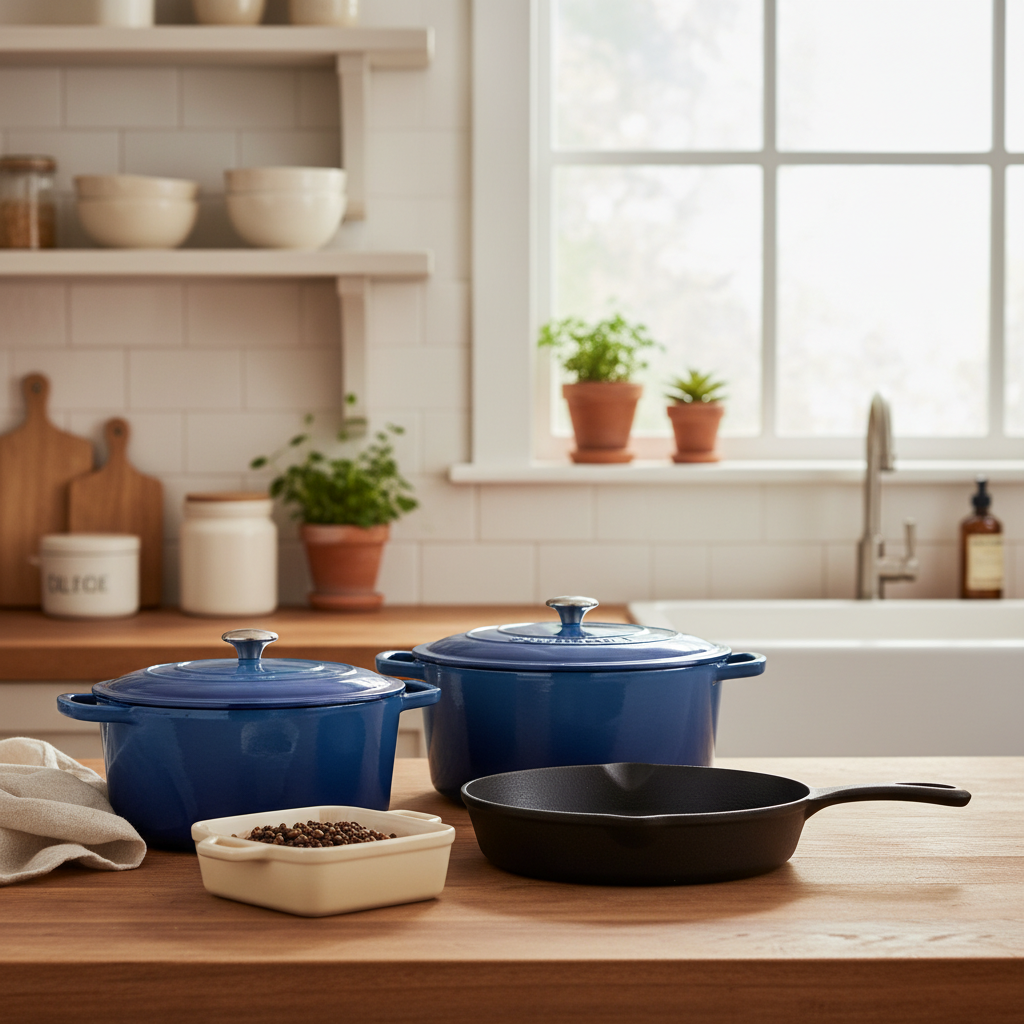


Cast iron bakeware has experienced a remarkable resurgence in popularity, moving beyond the legacy of heirloom cookware to become a staple in modern kitchens worldwide. Its ability to distribute heat evenly, retain warmth, and offer a naturally non-stick surface makes it ideal for a wide array of baking tasks, from rustic fruit cobblers to perfectly browned cookies. The growing interest in sustainable living and mindful cooking practices has further fueled this demand, as cast iron represents a durable and long-lasting investment, reducing the need for frequent replacements.
The global market for cookware, including cast iron, is estimated to be worth billions, with consistent growth projected over the next decade. This expansion is driven by factors such as increasing disposable incomes, urbanization, and a rising awareness of healthy cooking methods. Furthermore, the versatility of cast iron bakeware, its compatibility with various heat sources, and its aesthetic appeal contribute to its widespread adoption across diverse cultures and culinary traditions.
Understanding the nuances of cast iron—its seasoning, care, and baking capabilities—empowers home bakers to achieve professional-quality results, fostering creativity and a deeper connection with the cooking process. This knowledge translates into a more satisfying and rewarding culinary experience, solidifying cast iron's position as a timeless and essential kitchen companion.
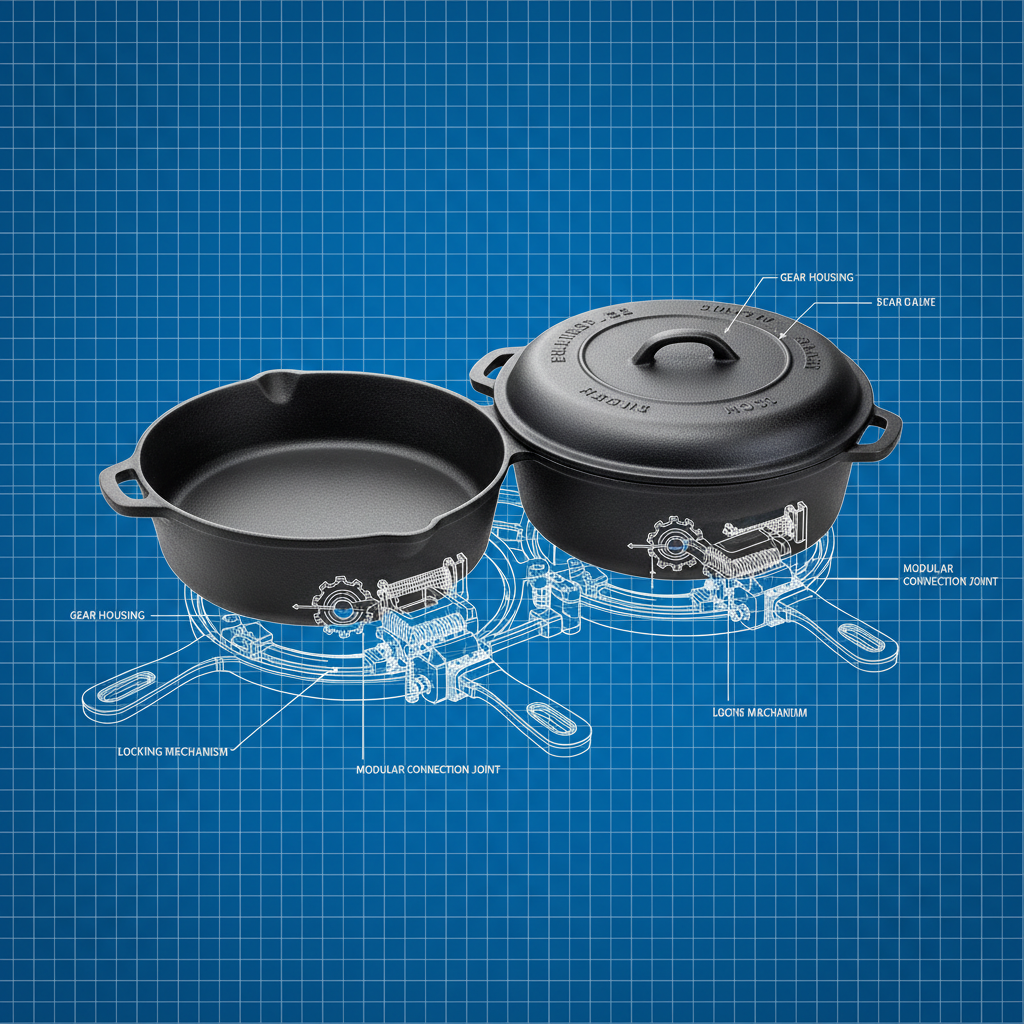
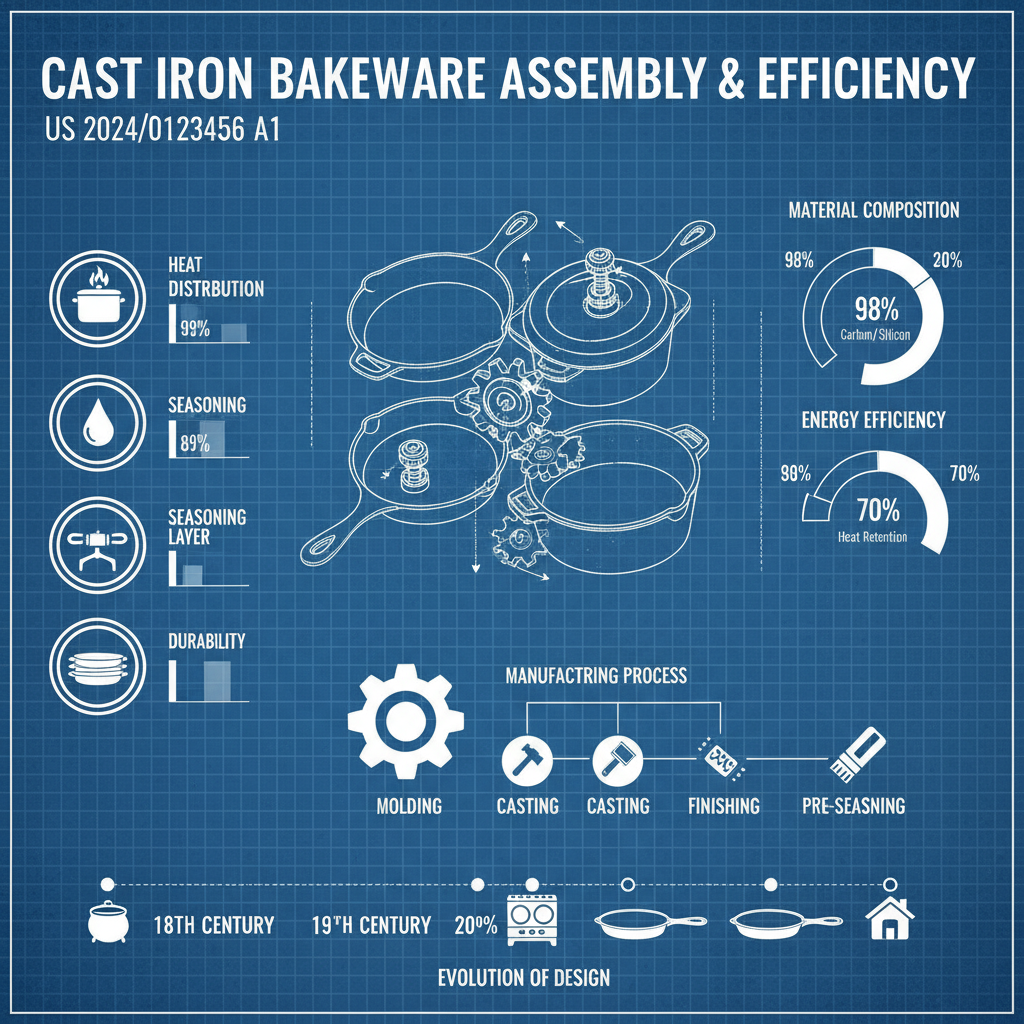
The resurgence of cast iron bakeware isn’t merely a trend; it's a testament to its inherent qualities and timeless functionality. Unlike many modern baking materials, cast iron offers a unique combination of heat retention and even distribution, crucial for achieving consistent and delicious results. This ability to maintain consistent temperatures minimizes hot spots and allows for uniform browning, a highly sought-after characteristic in baking.
Furthermore, the naturally non-stick surface that develops with proper seasoning reduces the need for excessive fats and oils, promoting healthier baking practices. The durability of cast iron also sets it apart. With proper care, a single piece of cast iron bakeware can last for generations, becoming a cherished heirloom passed down through families—a powerful narrative in an age of disposable goods.
Seasoning cast iron bakeware involves coating it with a thin layer of oil (flaxseed, vegetable, or canola oil work well) and baking it at a high temperature for an hour. This process polymerizes the oil, creating a naturally non-stick surface. Repeat this process several times to build up a robust seasoning layer. Regular use also contributes to better seasoning over time. Avoid harsh detergents and abrasive cleaners, as these can strip away the seasoning.
It is strongly discouraged to put cast iron bakeware in the dishwasher. The harsh detergents and high water pressure can strip away the seasoning, leading to rust and a loss of non-stick properties. Handwashing with warm water and a soft sponge is the recommended cleaning method. If needed, a small amount of mild dish soap can be used, but it should be rinsed thoroughly.
While a well-seasoned piece of cast iron bakeware is generally safe for cooking acidic foods like tomatoes, prolonged exposure can potentially break down the seasoning. If you’re cooking acidic foods, it’s best to limit the cooking time or use a piece with a robust, well-established seasoning. Enamel-coated cast iron is a better option for frequent acidic food preparation.
Rust is the enemy of cast iron! To prevent it, always dry your cast iron bakeware thoroughly after washing. You can also place it on a burner over low heat for a few minutes to ensure complete dryness. Applying a thin coat of oil after drying helps to protect the surface. If rust does appear, it can be removed with steel wool or a rust eraser, followed by re-seasoning.
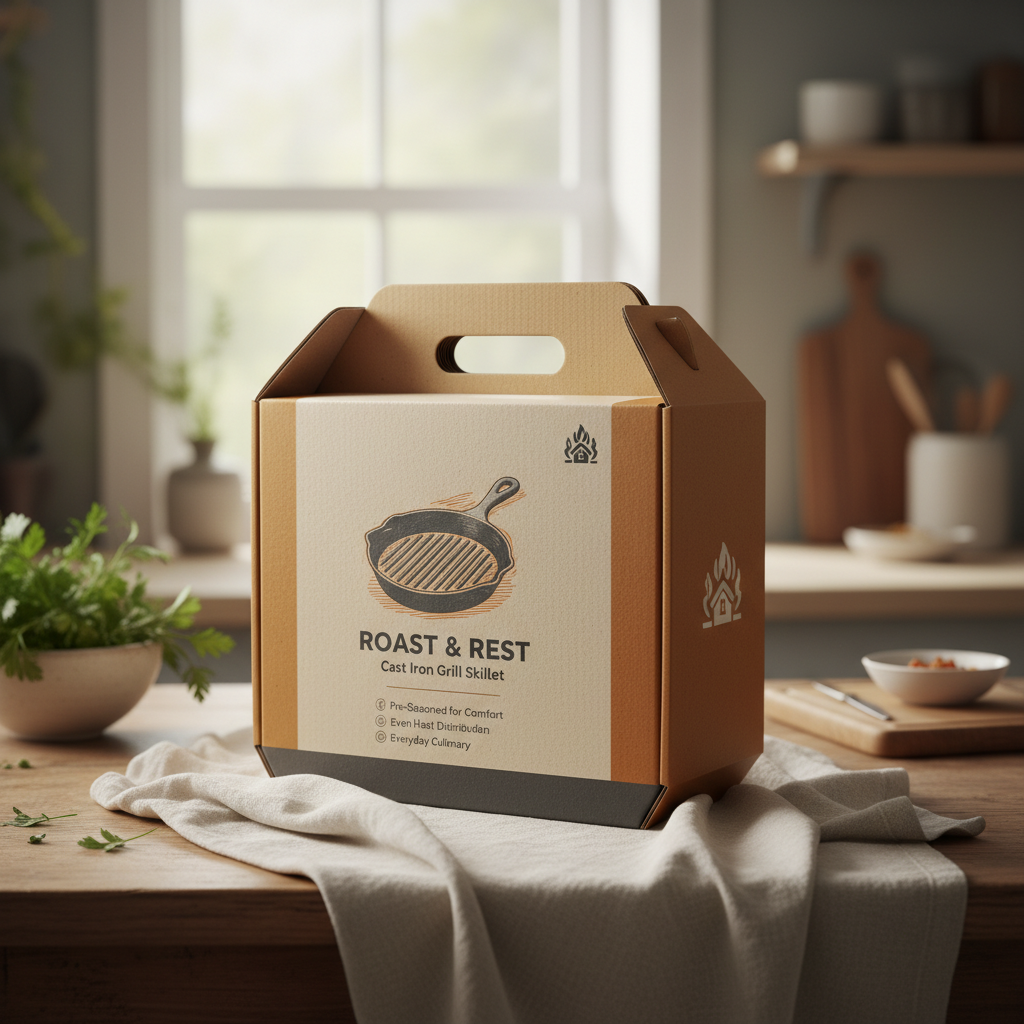
Unseasoned cast iron lacks the protective layer of polymerized oil that makes it non-stick and prevents rust. Seasoned cast iron has undergone the seasoning process, creating a smooth, dark surface. Unseasoned cast iron requires seasoning before first use, while seasoned cast iron is ready to use immediately (though maintaining the seasoning requires proper care). Buying pre-seasoned cast iron is a convenient option for beginners.
Yes, most cast iron bakeware is compatible with induction cooktops, as cast iron is a ferrous metal. However, it’s always a good idea to check the manufacturer’s specifications to confirm compatibility, as some older or less refined pieces may not work effectively. Ensure the base of the cast iron is smooth and flat for optimal contact with the cooktop surface.
Cast iron bakeware represents more than just a cooking tool; it’s an investment in culinary tradition, durability, and sustainable living. Its exceptional heat retention, even heating properties, and naturally non-stick surface make it a versatile asset for any baker. From rustic pies to delicate cakes, cast iron consistently delivers superior results, fostering creativity and a deeper connection with the baking process.
As we look to the future, innovations in cast iron technology promise to enhance its accessibility and functionality further. By embracing these advancements and appreciating the enduring qualities of this timeless cookware, we can continue to enjoy the benefits of cast iron bakeware for generations to come. Explore our collection of premium cast iron bakeware and experience the difference today!

Inquire Now for Cast Iron Cookware Deals
Please Fill Out The Form Below And Our Team Will Get Back To You With Pricing, Product Details, And Customization Options.

Debien is advancing with time, updating equipment, elaborately carving out our brand, focusing on developing high-end products, and actively responding to market demands with creativity.


QUICK LINKS
CONTACT US
Debien is advancing with time, updating equipment, elaborately carving out our brand, focusing on developing high-end products, and actively responding to market demands with creativity.
Copyright © 2026 HEBEI DEBIEN TECHNOLOGY CO., LTD. All Rights Reserved. Sitemap | Privacy Policy | Top Blog