



- Afrikaans
- Albanian
- Amharic
- Arabic
- Armenian
- Azerbaijani
- Basque
- Belarusian
- Bengali
- Bosnian
- Bulgarian
- Catalan
- Cebuano
- Corsican
- Croatian
- Czech
- Danish
- Dutch
- English
- Esperanto
- Estonian
- Finnish
- French
- Frisian
- Galician
- Georgian
- German
- Greek
- Gujarati
- Haitian Creole
- hausa
- hawaiian
- Hebrew
- Hindi
- Miao
- Hungarian
- Icelandic
- igbo
- Indonesian
- irish
- Italian
- Japanese
- Javanese
- Kannada
- kazakh
- Khmer
- Rwandese
- Korean
- Kurdish
- Kyrgyz
- Lao
- Latin
- Latvian
- Lithuanian
- Luxembourgish
- Macedonian
- Malgashi
- Malay
- Malayalam
- Maltese
- Maori
- Marathi
- Mongolian
- Myanmar
- Nepali
- Norwegian
- Norwegian
- Occitan
- Pashto
- Persian
- Polish
- Portuguese
- Punjabi
- Romanian
- Russian
- Samoan
- Scottish Gaelic
- Serbian
- Sesotho
- Shona
- Sindhi
- Sinhala
- Slovak
- Slovenian
- Somali
- Spanish
- Sundanese
- Swahili
- Swedish
- Tagalog
- Tajik
- Tamil
- Tatar
- Telugu
- Thai
- Turkish
- Turkmen
- Ukrainian
- Urdu
- Uighur
- Uzbek
- Vietnamese
- Welsh
- Bantu
- Yiddish
- Yoruba

Flat-Bottom Cast Iron Wok Pan vs Round-Bottom: Which Should You Buy?
نوامبر . 18, 2025 17:35
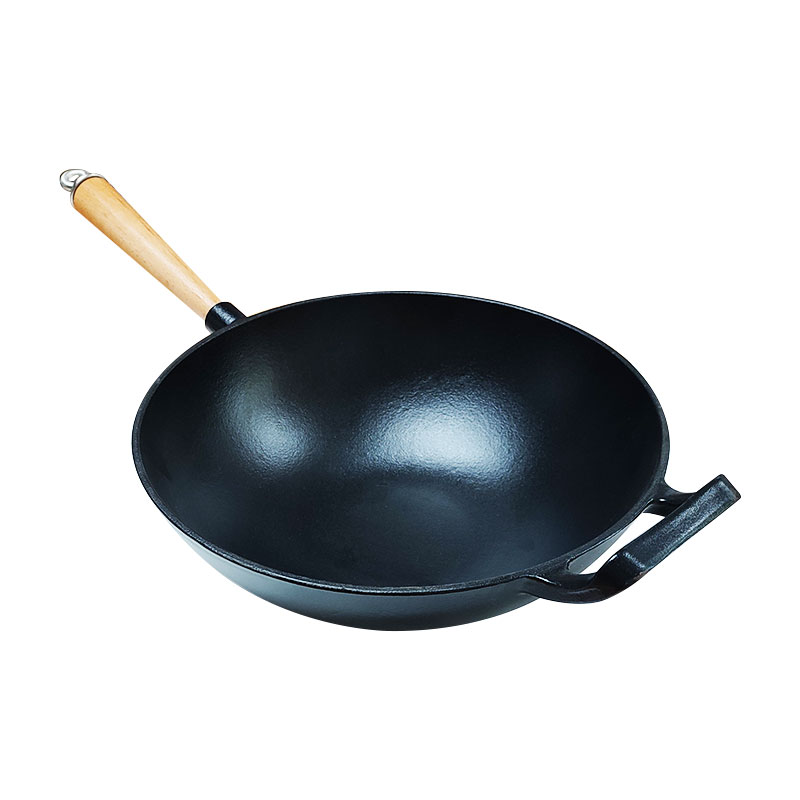
If you cook on an electric or induction stove, or want a stable, easy-to-use pan for frequent home stir-frying, go iron wok flat bottom. If you have powerful gas burners and want the classic wok “breath” for professional-style tossing and faster searing, choose a round-bottom wok — but be prepared for a learning curve and a ring or wok stove.
Why the Cast Iron Wok Pan shape matters
The two most common Cast Iron Wok Pan shapes — flat-bottom and round-bottom — affect how heat is delivered and how you cook.
-
Heat contact: A flat bottom sits flush on flat stovetops, giving even, consistent contact. A round bottom concentrates heat at the center, producing a very hot core and cooler sides.
-
Cooking technique: Round bottoms favor high-heat, quick-toss stir-fry where food passes through the hottest zone. Flat bottoms behave more like a skillet but still allow vertical tossing and tossing along the sides.
-
Stove compatibility: Flat-bottom woks work on gas, electric, ceramic glass, and many induction stoves (with a thick cast-iron base). Round bottoms are best on open-flame burners or dedicated wok stoves and often require a wok ring on flat cooktops.
These differences dictate which wok will perform best in your kitchen.
Cast Iron Wok Pan advantages (both shapes)
Choosing چدن gives both shapes shared strengths:
-
Excellent heat retention — ideal for searing and maintaining steady high heat.
-
Durability — lasts decades when cared for.
-
Natural non-stick after proper seasoning and regular use.
-
Flavor development — imparts a pleasant, seasoned character to food over time.
But cast iron is heavy, slower to heat than carbon steel, and requires ongoing care to prevent rust.
Flat-Bottom Cast Iron Wok — Pros & Cons
Pros
-
Stove friendly: No wobble on electric, induction, or smooth glass tops.
-
Stable for heavy use: Easier to stir, flip, and handle for everyday cooks.
-
Better surface contact: More even browning for foods that need surface contact (eg. searing meat).
-
Simpler for beginners: Less skill required to keep food moving out of the hotspot.
Cons
-
Less intense central heat: Can’t achieve the same concentrated sear zone as a round bottom.
-
Slightly less tossable: The flat base changes how food slides; flipping technique is different.
-
Weight: Like all cast iron, it’s heavy; the flat base can make it feel bulkier.
Best for: apartment cooks, induction/electric stove owners, people who want a low-maintenance everyday wok that doubles as a shallow Dutch oven.
Round-Bottom Wok (Cast Iron) — Pros & Cons
Pros
-
Superior wok hei potential: The cast iron round bottom wok concentrates flame at the center and allows rapid, even tosses through the hottest zone.
-
Traditional performance: Ideal for high-flame charring, smoky stir-fry flavors, and rapid vegetable searing.
-
Efficient heat circulation: Hot center + cooler rim creates a proper stir-fry workflow (sear, move to side, toss back).
Cons
-
Stability issues: Requires a wok ring or a dedicated high-BTU burner to be safe on flat stoves.
-
Less versatile on modern cooktops: Not ideal for induction or smooth glass without special adapters.
-
Harder for novices: Requires practiced wrist action and constant movement to avoid burning.
-
Cleaning & maintenance: Same cast iron care but ergonomics make cleaning a two-hand job sometimes.
Best for: cooks with high-output gas ranges or outdoor burners seeking authentic restaurant-style stir-fry and smoky wok-hei.
Stove compatibility — the practical dealbreaker
Before you buy, check your stovetop:
-
Gas (strong flame): Both can work. Round bottom shines on high BTU open flames. Flat bottom is more forgiving.
-
Electric coil/glass/top: Choose flat-bottom — round bottom will be unstable or inefficient.
-
Induction: Flat-bottom cast iron works well (heavy base helps induction coupling). Round bottom generally does not unless you use an induction adapter plate — but that negates the round wok’s heating advantages.
If you don’t have a high-heat gas burner, a flat-bottom cast iron wok is almost always the sensible choice.
Size, weight and handle considerations
-
Diameter: 12–14 inches is typical for home use; larger if you cook for many.
-
Depth: Deeper woks hold more volume for tossing.
-
Handles: Look for a long handle + helper handle for balance with heavy cast iron.
-
Weight: Ensure you can lift and maneuver the pan comfortably when full.
Seasoning and care (cast iron specifics)
-
Initial seasoning: Oil and heat the pan to build its non-stick layer. Some cast iron woks come pre-seasoned.
-
Daily care: Wipe, rinse with hot water, dry immediately, and rub a light oil layer.
-
Avoid soap & soaking: Mild soap once in a while is fine, but long soaking invites rust.
-
Re-season when needed: If food starts to stick or rust appears, scrub, dry, and reseason.
Quick buying checklist
-
Do you have a high-BTU gas burner? — If yes, consider round-bottom for authentic wok-hei.
-
Do you use induction/glass/electric? — Buy flat-bottom for stability and heat efficiency.
-
Want low learning curve + everyday use? — Flat-bottom.
-
Want maximum sear and classic technique, and can handle a wok ring or wok stove? — Round-bottom.
Final recommendation
For most home cooks, particularly those on electric or induction stoves, the flat-bottom cast iron wok is the better, safer, and more practical choice. If you’re chasing restaurant-grade stir-fry and you have a powerful gas range or a dedicated wok burner — and you enjoy the skill of tossing — a round-bottom cast iron wok will reward you with faster searing and more authentic flavor.
Cast Iron Wok Pan FAQ
Q: Can I use a wok ring with a flat cooktop?
A: Yes — a wok ring stabilizes a round-bottom wok but reduces flame contact and increases heat loss; it’s a compromise.
Q: Is cast iron or carbon steel better for woks?
A: Carbon steel heats faster and is lighter (favored by professionals). Cast iron holds heat longer and develops deep seasoning — choose cast iron for heat retention and durability, carbon steel for agility.
Q: Can I use a flat-bottom cast iron wok on induction?
A: Yes — cast iron couples well with induction; just confirm the base sits flat and the size matches your burner.


2026-03-31 02:45:09
Elevate Your Outdoor Cooking with a Cast Iron Barbecue Experience
Are you ready to elevate your outdoor cooking experience? A cast iron barbecue offers unparalleled heat retention, even cooking, and a delicious smoky flavor that grills simply can't match. This article will explore the benefits of cast iron barbecues, how to choose the right one, proper care and maintenance, and delicious recipes to get you started. From seasoned grill masters to barbecue beginners, this guide has something for everyone.
2026-03-28 02:55:10
Discover the Benefits of Cast Iron and Grill Cookware for Delicious Meals
Cooking with cast iron and grill cookware has seen a massive resurgence in recent years, and for good reason. This method offers a unique combination of heat retention, even cooking, and versatility. Whether you’re searing a steak, baking a rustic pie, or simply enjoying a weeknight meal, understanding the benefits and proper use of these tools can elevate your culinary experience. This guide will explore everything from the advantages of cast iron and grill cookware to tips for seasoning, cleaning, and maintenance.
2026-03-26 02:45:13
Elevate Your Cooking with a Durable Cast Grill Pan for Restaurant Quality Meals
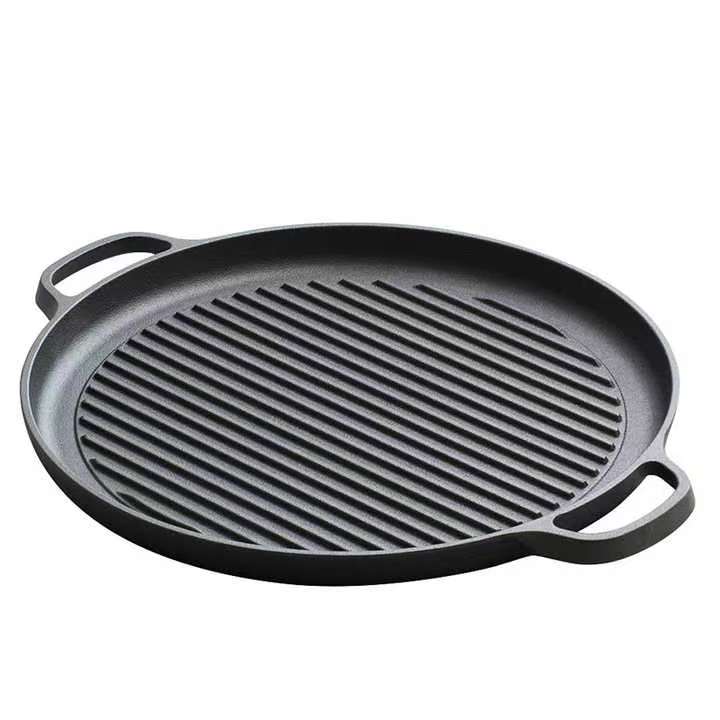
Looking to elevate your cooking game and achieve restaurant-quality results at home? A cast grill pan is a versatile kitchen essential. This guide dives deep into the benefits, uses, care, and how to choose the best cast grill pan for your needs. From searing steaks to grilling vegetables, a cast grill pan delivers exceptional heat retention and even cooking. Let’s explore why this pan should be a staple in every kitchen. Cast iron cookware, and specifically cast grill pans, have been prized by chefs and home cooks for centuries. The key lies in the material itself. Cast iron is renowned for its incredible heat retention, meaning it heats up slowly but stays hot for a long time, resulting in perfectly seared food. The weight of the pan also contributes to even heat distribution, eliminating hot spots. The raised ridges on a grill pan mimic the effect of an outdoor grill, creating those desirable grill marks and allowing fat to drain away, leading to healthier meals.
2026-03-24 02:55:07
Superior Cooking with Durable Cast Grill Grates for Enhanced Flavor
When it comes to grilling, the grate you use significantly impacts the flavor, texture, and overall cooking experience. Cast grill grates, known for their exceptional heat retention and durability, are a popular choice among both novice and experienced grillers. This article will explore the benefits of cast iron grill grates, different types available, care and maintenance tips, and factors to consider when making a purchase. We’ll help you understand why investing in quality cast grill grates can elevate your outdoor cooking. Cast grill grates offer several advantages over other materials like stainless steel or porcelain-coated grates. Primarily, cast iron boasts superior heat retention, ensuring consistent cooking temperatures even when grilling thicker cuts of meat. This even heat distribution minimizes hot spots and promotes more uniform cooking. Furthermore, cast iron naturally develops a non-stick patina over time with proper seasoning, reducing the likelihood of food sticking and making cleanup easier.
2026-03-21 02:45:09
Unlock Flavorful Outdoor Cooking with a Durable Cast Grill
Looking to elevate your outdoor cooking experience? A cast grill offers exceptional heat retention, versatility, and durability. This comprehensive guide will explore the benefits of cast iron grilling, how to choose the right grill, care and maintenance tips, delicious recipes, and why Debien Cookware offers some of the finest cast grill options available. Prepare to unlock a world of flavor and create unforgettable meals with the power of cast iron! A cast grill is essentially a grilling surface made from cast iron. This material is renowned for its superior heat retention, meaning it gets incredibly hot and stays hot, ensuring perfectly seared meats and evenly cooked vegetables. Unlike other grilling materials, cast iron distributes heat uniformly, eliminating hot spots. Its durability is another key advantage; a well-maintained cast grill can last for generations.
2026-03-19 02:45:14
Comprehensive Guide to Durable and Reliable Cast Grates for Various Applications
Cast grates are essential components in drainage systems, offering a robust and reliable solution for managing water flow in various applications. From landscaping and pedestrian areas to industrial settings, these grates play a crucial role in preventing flooding and maintaining safety. This article delves into the world of cast grates, exploring their materials, types, applications, and factors to consider when selecting the right grate for your needs. We'll also highlight how Debien Cookware's commitment to quality and durability translates to excellence in the production of these vital infrastructure elements. Understanding the intricacies of cast grates is key to ensuring efficient drainage and long-term performance. Cast grates are typically manufactured from cast iron, ductile iron, or steel. Cast iron is a traditional material, valued for its affordability and ease of casting. However, it can be brittle. Ductile iron offers improved strength and ductility, making it more resistant to cracking and impact. Steel grates are the strongest option, often used in heavy-duty applications, but are susceptible to corrosion if not properly treated.
2026-03-17 02:45:12
Choosing the Right Cast Charcoal Grill for Superior Outdoor Cooking
When it comes to outdoor cooking, a cast charcoal grill offers a unique and flavorful experience. From searing steaks to slow-cooking ribs, the versatility is unmatched. But with so many options available, selecting the perfect grill can be daunting. This article will explore the benefits of cast charcoal grills, key features to consider, and how to choose the best one for your needs. We’ll cover everything from construction materials to cooking capacity, helping you make an informed decision. Cast iron grills are renowned for their exceptional heat retention. This means they can reach and maintain high temperatures, perfect for searing meats and achieving that desirable char. They also distribute heat more evenly than many other grill materials, minimizing hot spots and ensuring consistent cooking. Several factors influence the performance and convenience of a cast charcoal grill. Cooking surface area is crucial – determine how much food you typically cook to choose an appropriately sized grill. Features like adjustable vents allow you to control airflow and temperature, giving you more precise cooking control.
2026-03-14 02:45:16
Choosing the Right Cast BBQ Grill for Superior Outdoor Cooking
When it comes to outdoor cooking, a cast BBQ grill offers unparalleled heat retention and a distinctive flavor profile. But with numerous options available, selecting the perfect grill can be daunting. This guide will explore the benefits of cast iron grilling, different types of cast BBQ grills, key features to consider, and how to choose the grill that best suits your cooking style and needs. We'll help you understand what makes Debien Cookware’s cast iron grills stand out in the market. Cast iron is renowned for its exceptional heat retention. This means a cast BBQ grill heats up evenly and stays hot for longer, creating perfect searing temperatures for steaks, burgers, and other meats. Unlike thinner grills, cast iron doesn’t have hot spots, ensuring consistent cooking results. Moreover, cast iron is naturally non-stick when properly seasoned, minimizing food sticking and making cleanup easier. The durability of cast iron is another key advantage—a well-maintained cast iron grill can last for generations.
همین حالا برای اطلاع از قیمتهای ظروف چدنی استعلام بگیرید
لطفا فرم زیر را پر کنید و تیم ما با قیمت گذاری، جزئیات محصول و گزینه های سفارشی سازی با شما تماس خواهد گرفت.

Debien is advancing with time, updating equipment, elaborately carving out our brand, focusing on developing high-end products, and actively responding to market demands with creativity.


QUICK LINKS
CONTACT US
Debien is advancing with time, updating equipment, elaborately carving out our brand, focusing on developing high-end products, and actively responding to market demands with creativity.
Copyright © 2026 HEBEI DEBIEN TECHNOLOGY CO., LTD. All Rights Reserved. Sitemap | Privacy Policy


